


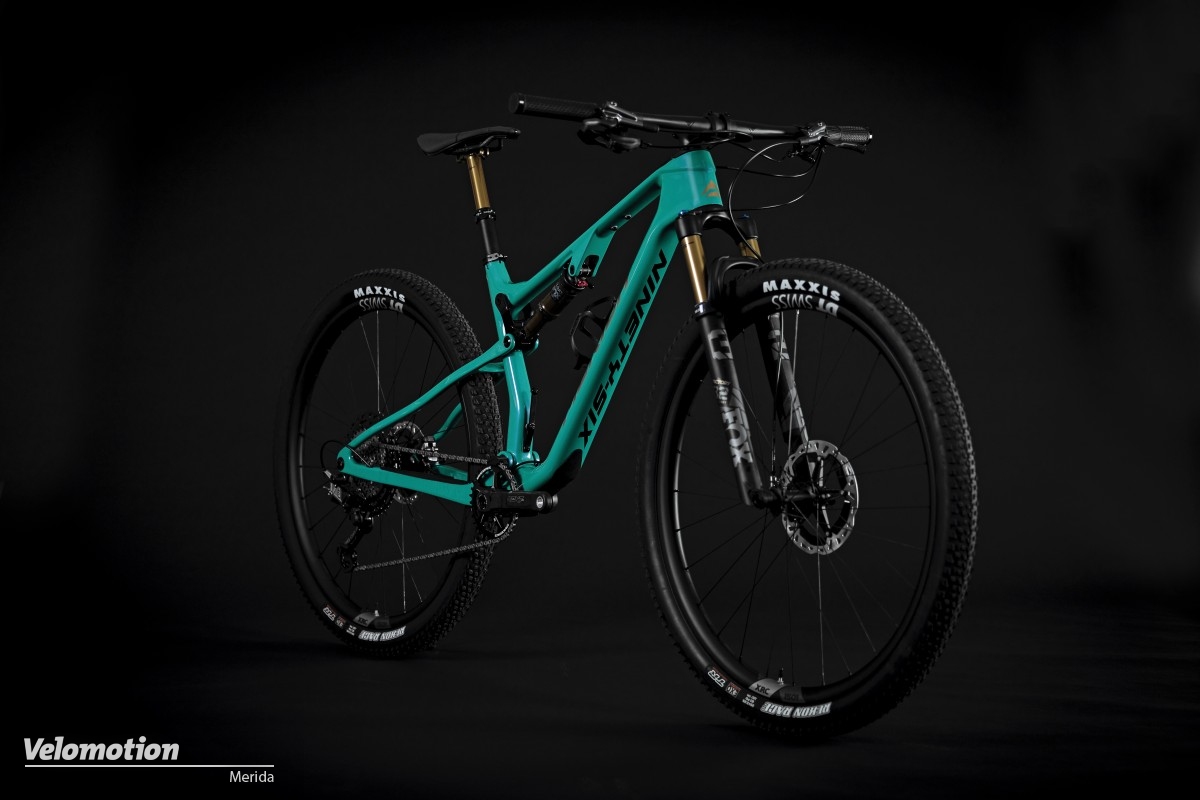
Produktnews: Mit dem Merida Ninety-Six 2021 erblickt zum Jahresabschluss noch ein echtes MTB-Highlight das Licht er Welt. Das Crosscountry- und Marathon Racebike bekommt für die kommende Saison einen neuen Rahmen und einen ordentlichen Schuss Trail-Potenzial.
Auf einen Blick: Das Merida Ninety-Six
Einsatzbereich: Cross-Country, Marathon, Down-Country
Federweg: 100 mm / 100 mm (120 mm vorn bei Trail-Version)
Rahmenmaterial: Carbon
Laufradgröße: 29 Zoll
Gewicht Rahmen: ab 1,69 kg
Gewicht Komplettrad: ab 10,29 kg
Preis: ab 4.599 Euro
Das Merida Ninety-Six dürfte wohl eines der dienstältesten Bikes im XC-Zirkus sein. Vor über zwölf Jahren wurde die erste Variante der Rennfeile präsentiert, die für das Jahr 2021 einen rundum erneuerten Nachfolger erhält. Auch wenn Merida erstmals bei der Präsentation eines neuen Ninety-Six kein aktives Profi-Team mehr in der Weltspitze der Cross-Country Racer stellt, bedeutet das noch lange nicht, dass man nicht weiß, was dort gefordert ist: Bei der Entwicklung des neuen Ninety-Six konnte man unter anderem auch den Input von Race-Legende José Hermida nutzen. Das Endresultat ist das wohl vielseitigste Ninety-Six überhaupt.
Auch wenn die Ausrichtung des Ninety-Six seit dem Ur-Modell gleich geblieben ist: Race, Race, Race – so hat sich der Kontext über die Jahre doch stark verändert. Die Cross-Country Kurse des Jahres 2020 dürften mit denen von 2008 nicht mehr viel gemein haben; die Abfahrts-Passagen werden fast im Jahres-Rhythmus fordernder. Entsprechend verändern sich auch die Arbeitsgeräte der Racer: Hardtails sind hier fast gänzlich verschwunden und bei den Fullys liegt der Fokus immer mehr auf den Qualitäten im Downhill, denn mittlerweile werden die Rennen auch hier entschieden.
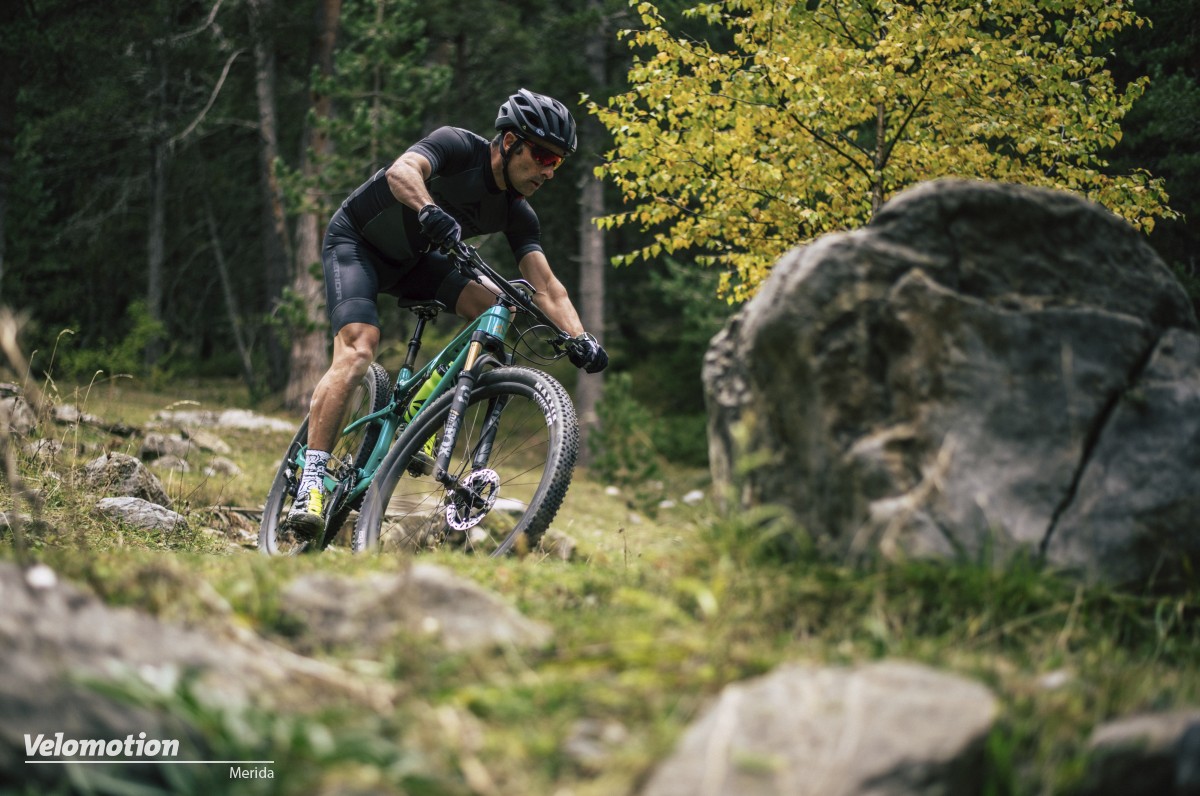
Eben diese Entwicklung macht auf vor dem Merida Ninety-Six nicht halt: Moderne Geometrie, mehr Reifenfreiheit, progressiver Hinterbau, versenkbare Stütze in allen Modellen. Ist das noch XC oder schon Down-Country?! Diese Frage ist umso berechtigter, da das Ninety-Six für 2021 in zwei Grundvarianten auf den Markt kommt: Als RC-Version (Race) mit 100 mm Gabel und als Trail-Variante mit 120er Forke. Letztere wird hierzulande jedoch zunächst nicht erhältlich sein.
Noch mehr Top Fullies findet ihr in unserer Top 10 für 2021

Top 10: Die besten Fully MTBs 2021 – Von XC bis Enduro
Produktnews / MTB: Inzwischen sind sie fast schon zum Standard unter den Offroad-Bikes geworden – vollgefederte Mountainbikes. Die Ausprägungen sind deshalb auch ebenso vielfältig wie ihre Einsatzbereiche. Trotzdem haben wir versucht, eine Liste mit den Highlights für die nächste Saison zusammenzustellen: Wir präsentieren, die spannendsten Fully MTBs 2021! Die spannendsten (E)Bikes für 2021 in 17 […]
Von Grund auf neu entwickelter Rahmen
Das Herzstück des Bikes, der Rahmen, wurde komplett neu entwickelt und hat mit dem Vorgänger nur noch wenig Gemein. Was jedoch geblieben ist, ist wenig überraschend das Rahmenmaterial: Hier kommt in sämtlichen Ausstattungsvarianten Carbon zum Einsatz, jedoch in unterschiedlichen Ausführungen, was sich im Gewicht niederschlägt. So ist der CF5 Rahmen des Topmodells mit 1.695g ca. 150g leichter als die CF4 Variante der übrigen Modelle.
Progressiver Hinterbau ohne Horst-Link


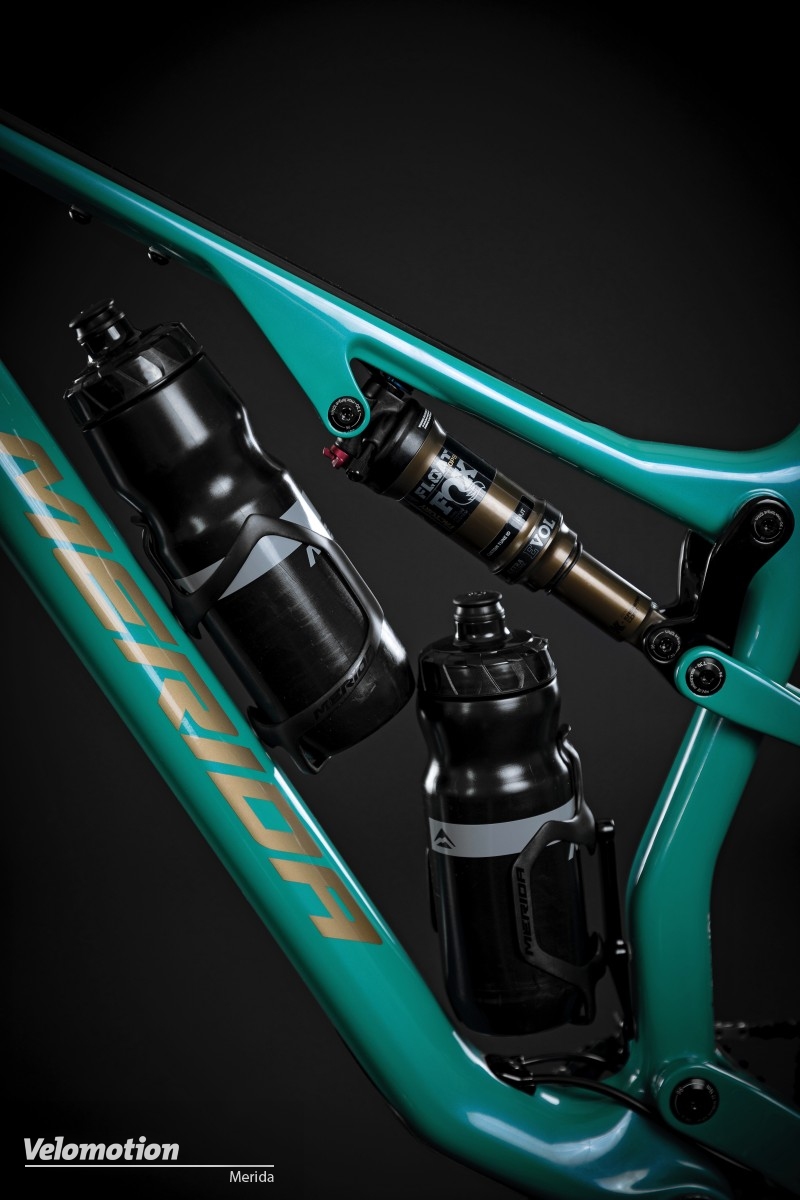
Auch beim Federweg hat sich nichts getan – 100 mm gibt das Heck des Merida Ninety-Six her, was für den angepeilten Einsatzbereich auch ausreichen dürfte. Vom Federweg abgesehen hat sich beim Hinterbau jedoch eine Menge getan – so setzt man nun auf das sogenannte P-Flex System, das durch den natürlichen Flex der Carbon-Sitzstreben den Horst-Link des Vorgängers an selber Stelle einspart. Durch den Wegfall des zusätzlichen Drehpunkts wird die gesamte Konstruktion steifer, leichter und wartungsärmer, während Stabilität und Langlebigkeit nicht beeinträchtigt werden sollen. Auch einige andere Hersteller wie Cannondale beim neuen Scalpel setzen auf ähnliche Konstruktionen.
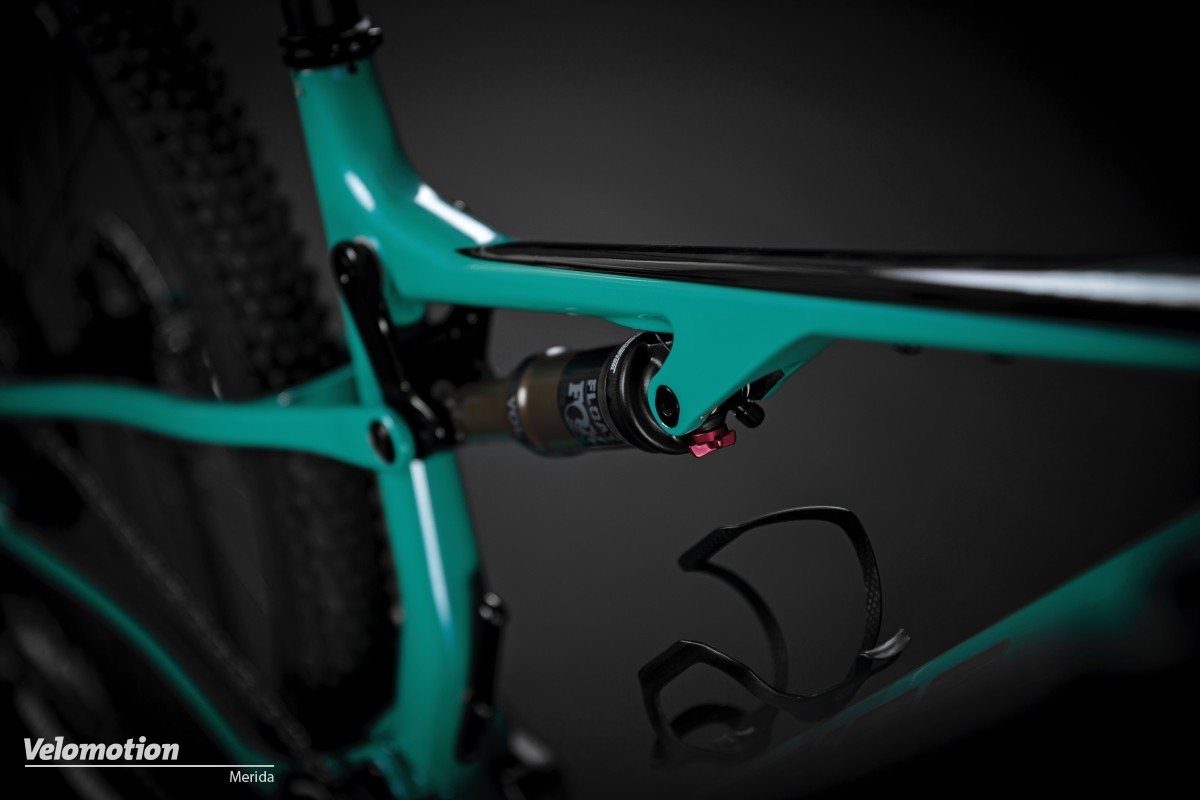
Damit jedoch nicht genug der Neuerungen am Hinterbau: Auch bei der Kinematik haben die Konstrukteure Hand angelegt. Diese ist nun deutlich progressiver als zuvor, bietet also trotz des limitierten Federwegs dennoch einige Reserven für anspruchsvolles Gelände. Ein etwas lineareres Ansprechverhalten auf den ersten Millimetern des Federwegs sorgt zudem für Komfort und kraftschonendes Pedalieren im Uphill. Wer hier die maximale Effizienz möchte, kann den serienmäßigen Doppel-Lockout am Lenker betätigen, der Dämpfer und Gabel gleichzeitig sperrt.
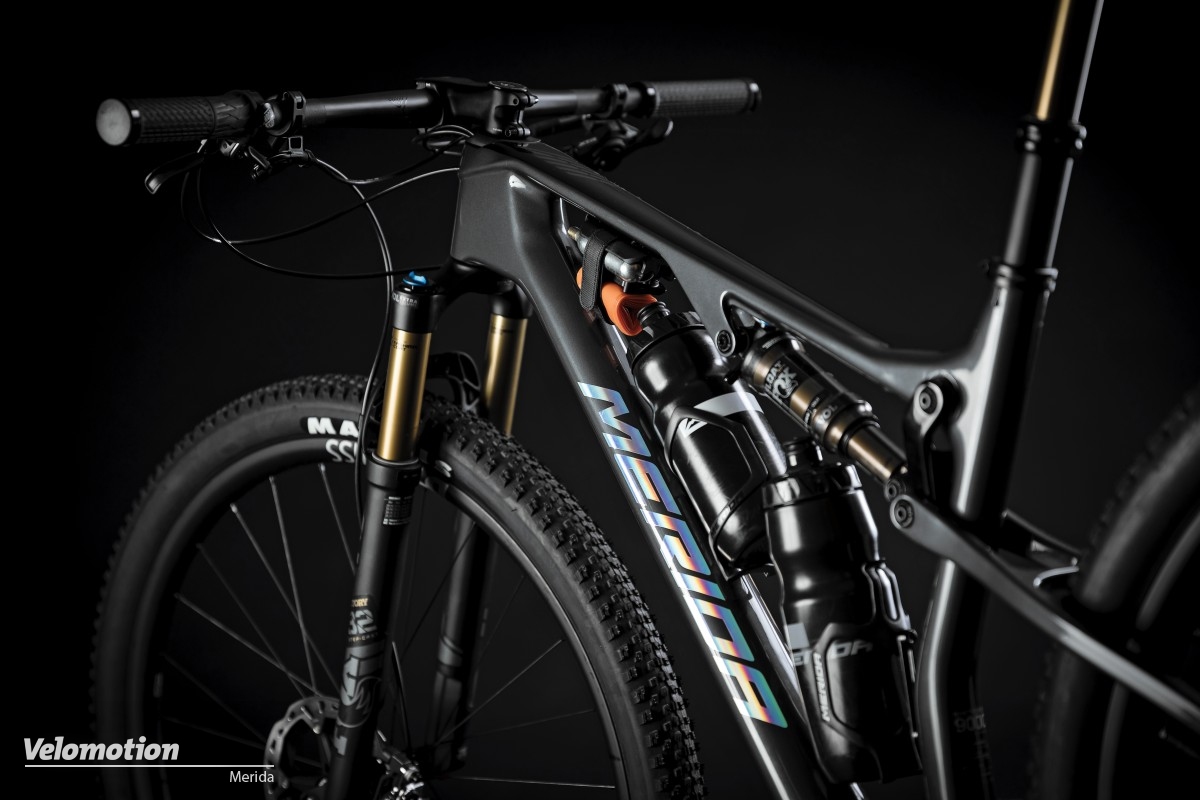
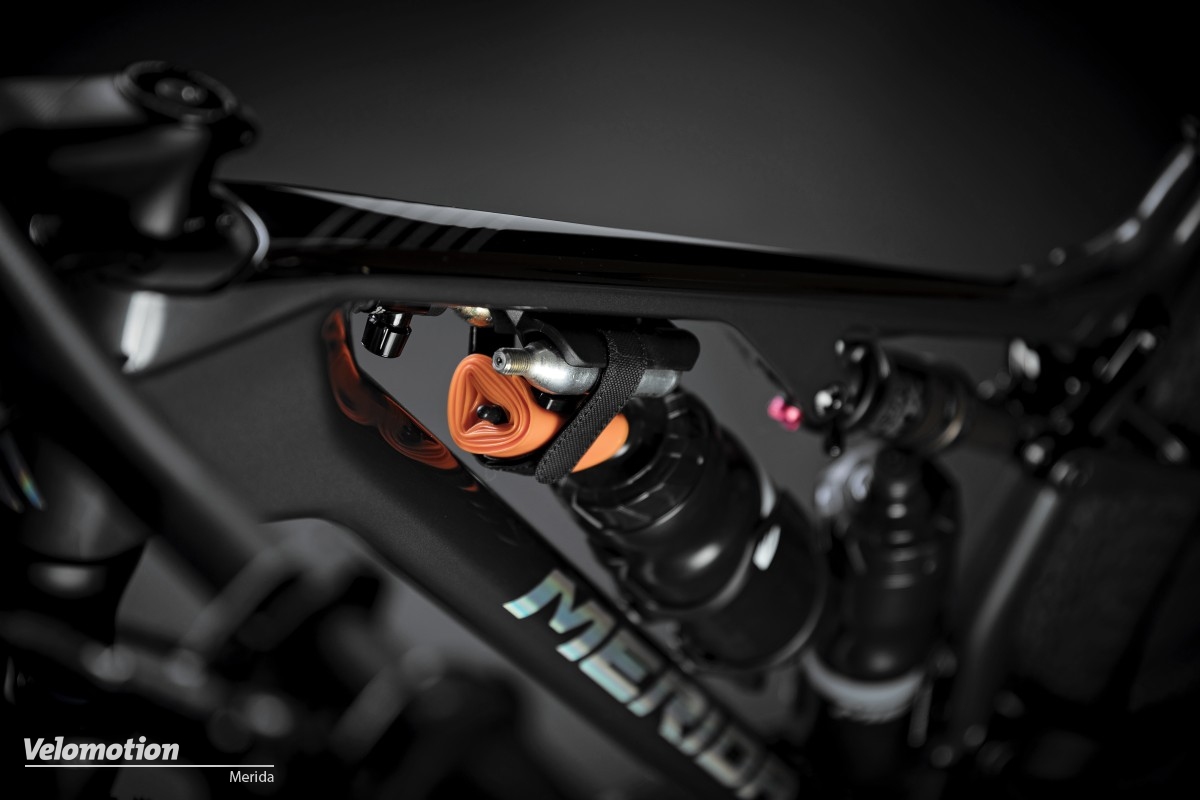
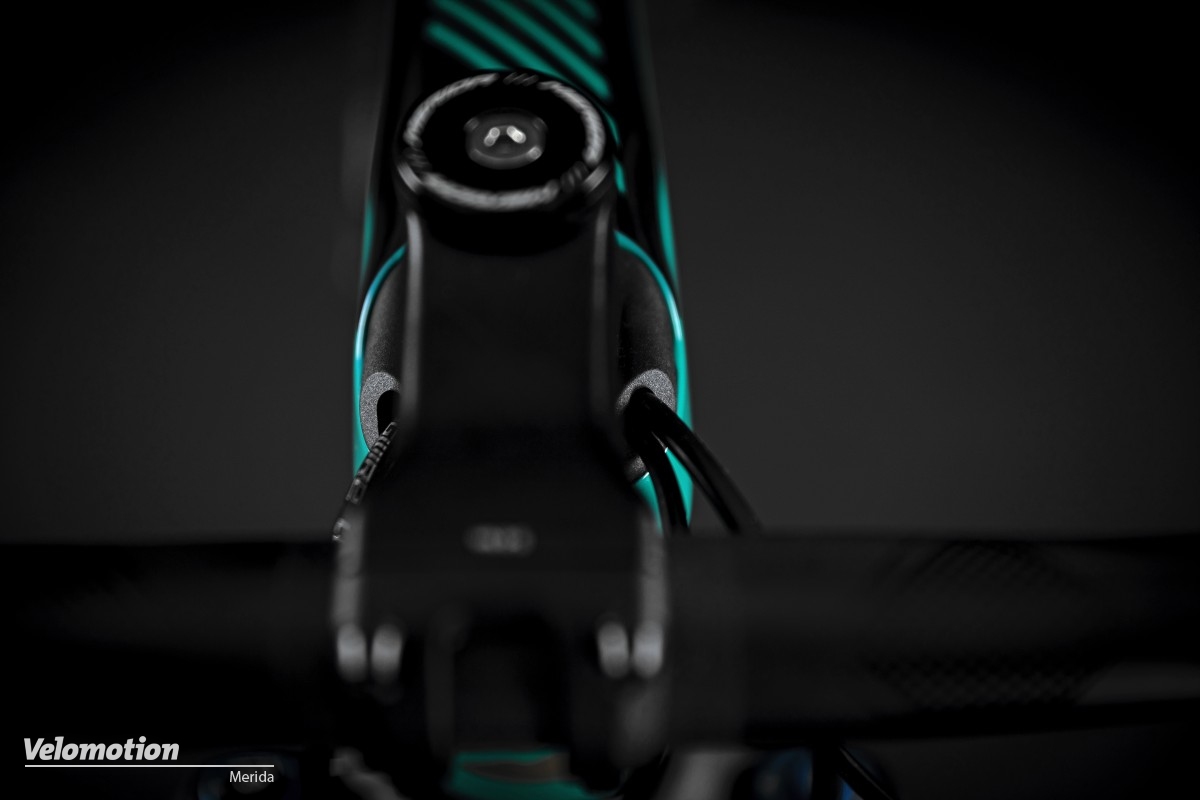
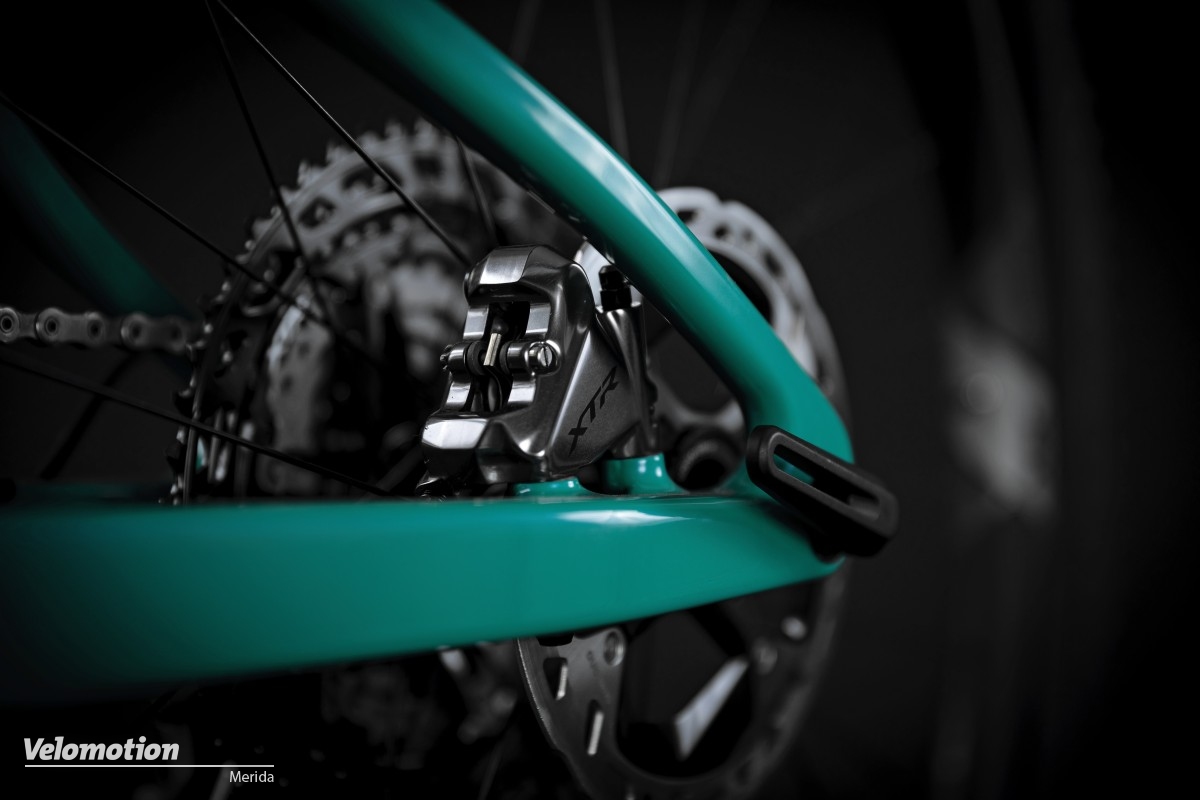
Zwei Flaschenhalter, clevere Zugverlegung, Flatmount-Bremsen: Die Rahmen-Features des Merida Ninety-Six




Moderne Geometrie für Speed im Up- und Downhill
In puncto Geometrie hat das Ninety-Six im Vergleich zum Vorgänger wohl die größten Veränderungen durchgemacht; der Lenkwinkel ist deutlich flacher geworden, der Rahmen in der Länge um einige Zentimeter gewachsen. In Verbindung mit dem tiefen Tretlager sitzt bzw. steht man nun deutlich zentraler im Rad und kommt in den Genuss von deutlich erhöhter Laufruhe. Dank des nun sehr steilen Sitzwinkels ist man gleichzeitig jedoch auch in einer effizienten Position um maximal in die Pedale treten zu können, wenn es auf jede Sekunde ankommt.
Geometrie Merida Ninety-Six RC
| S | M | L | XL | |
|---|---|---|---|---|
| Sitzrohr (in mm) | 400 | 440 | 470 | 500 |
| Oberrohr horizontal (in mm) | 576 | 596 | 619 | 643 |
| Steuerrohr (in mm) | 95 | 95 | 105 | 115 |
| Kettenstrebe (in mm) | 435 | 435 | 435 | 435 |
| BB Drop (in mm) | 45 | 45 | 45 | 45 |
| Lenkwinkel (in °) | 68.5 | 68.5 | 68.5 | 68.5 |
| Sitzwinkel (in °) | 76.5 | 76.5 | 76.5 | 76.5 |
| Reach (in mm) | 433 | 453 | 473 | 493 |
| Stack (in mm) | 585 | 585 | 595 | 604 |
Geometrie Merida Ninety-Six Trail
| S | M | L | XL | |
|---|---|---|---|---|
| Sitzrohr (in mm) | 400 | 440 | 470 | 500 |
| Oberrohr horizontal (in mm) | 581 | 601 | 624 | 648 |
| Steuerrohr (in mm) | 95 | 95 | 105 | 115 |
| Kettenstrebe (in mm) | 435 | 435 | 435 | 435 |
| BB Drop (in mm) | 36 | 36 | 36 | 36 |
| Lenkwinkel (in °) | 67 | 67 | 67 | 67 |
| Sitzwinkel (in °) | 75 | 75 | 75 | 75 |
| Reach (in mm) | 420 | 440 | 460 | 480 |
| Stack (in mm) | 595 | 595 | 605 | 614 |
Merida Ninety-Six 2021: Hierzulande nur als RC-Variante
Von den insgesamt vier Modellvarianten des Merida Ninety-Six 2021 – drei RC Versionen und eine Trail Version – werden zum Start in Deutschland zunächst nur die beiden hochwertigen RC Bikes erhältlich sein. Ob und falls ja, wann die beiden anderen Ausstattungen auch bei uns erhältlich sein werden, steht momentan noch in den Sternen.
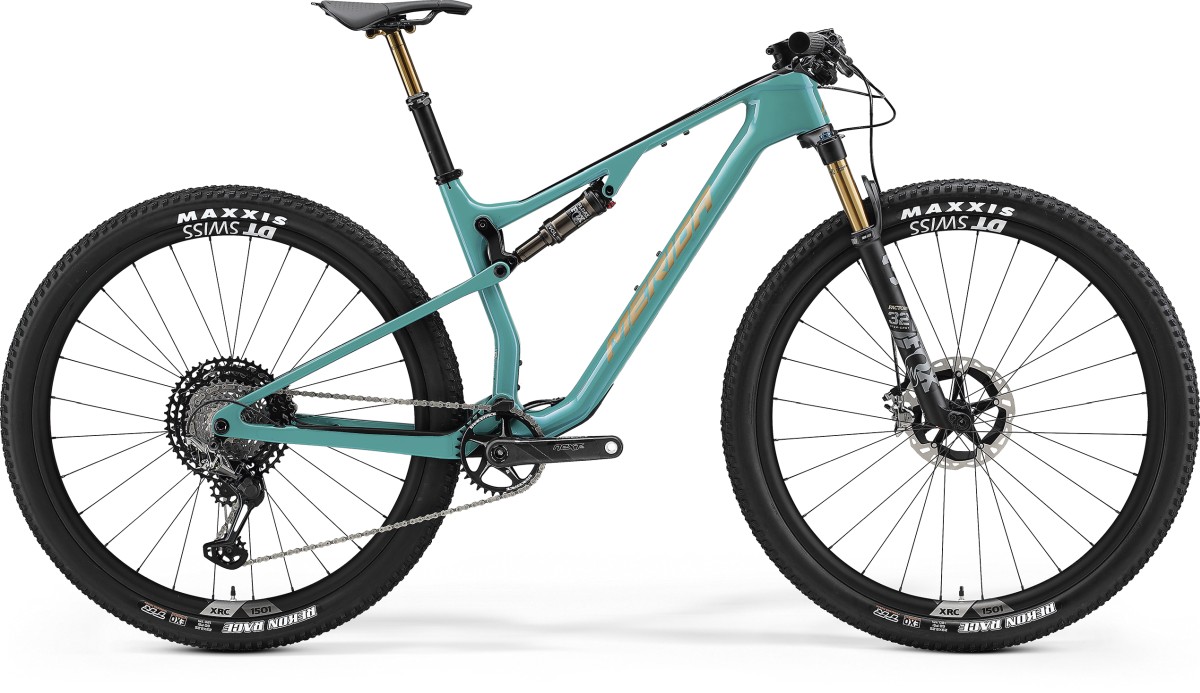
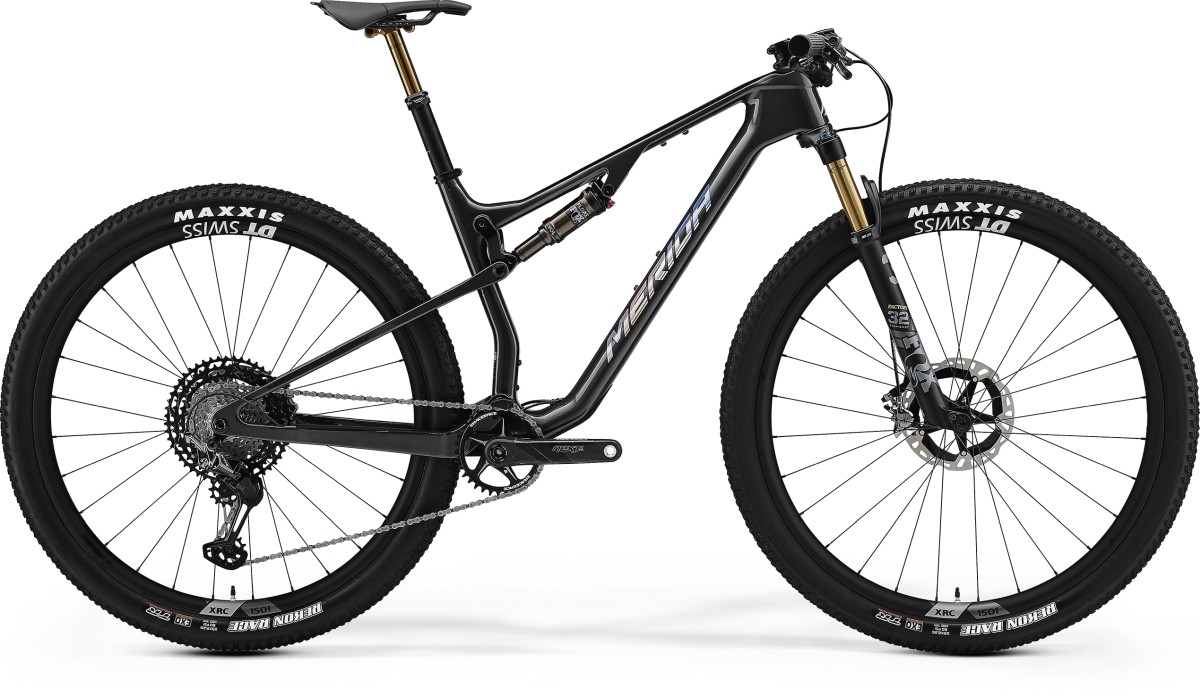
Positiv fällt beim Blick auf die Ausstattungsliste auf, dass auch bei beiden Race-Modelle schon ab Werk mit einer versenkbaren Sattelstütze ausgestattet sind. Das passt gut zur modernen Ausrichtung des Bikes, das ja durchaus seine Qualitäten in der Abfahrt hat. Ansonsten gibt’s beim Topmodell Merida Ninety-Six RC 9000 das Beste vom Besten: Den super-leichten CF5 Rahmen mit 12-fach XTR Gruppe, Carbonkurbel von Race Face, Fox Factory Fahrwerk und Carbonlaufrädern von DT Swiss. Der Preis von 8.799 Euro ist demnach vollkommen angemessen. Etwas bodenständiger, aber dennoch hochwertig kommt das Ninety-Six RC XT daher: Die 150g Mehrgewicht beim Rahmen dürfte angesichts des günstigeren Preises von 4.599 Euro ebenso zu verschmerzen sein, wie das „Downgrade“ auf eine XT Gruppe. Beim Fahrwerk gibt’s Performance Elemente von Fox und hauseigene Laufräder mit tubeless-fähigen Alufelgen.
Merida Ninety-Six RC 9000
Rahmen: CF 5 Carbon
Schaltung: Shimano XTR M9100
Gabel: Fox 32 Factory SC
Dämpfer: Fox Float DPS Factory
Stütze: Fox Transfer Factory
Laufräder: DT Swiss XRC 1501 Carbon
Gewicht: 10,29 kg (Größe M, Herstellerangabe)
Preis: 8.799 Euro
Merida Ninety-Six RC XT

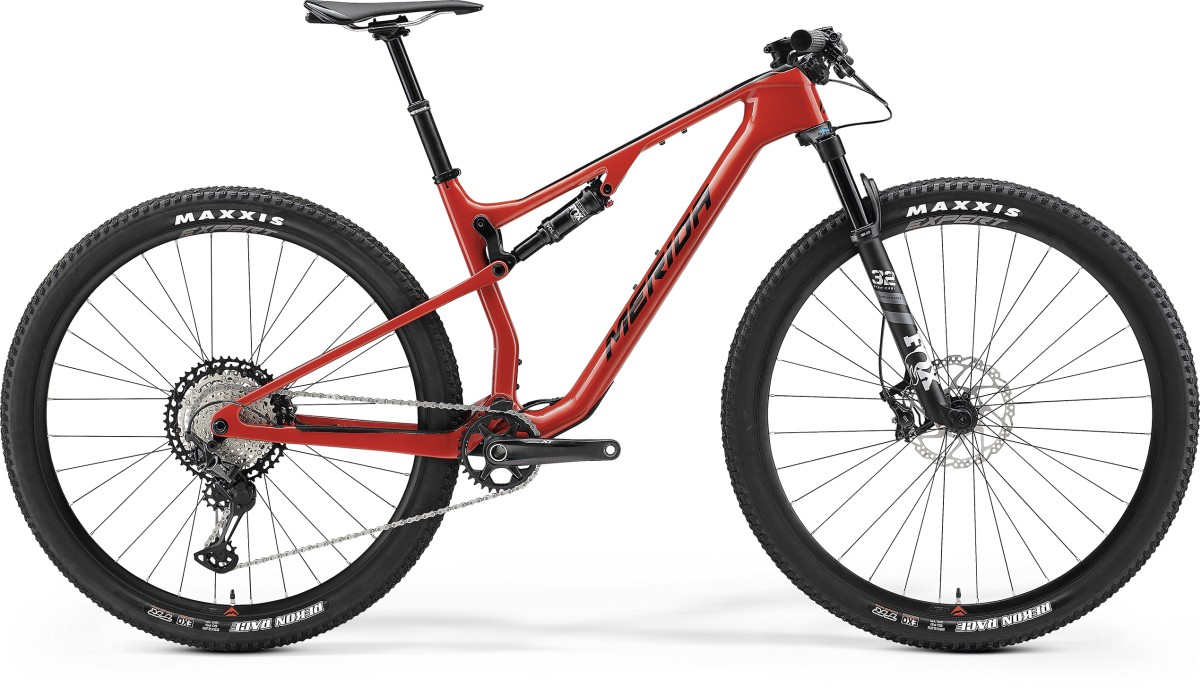
Rahmen: CF 4 Carbon
Schaltung: Shimano XT M8100
Gabel: Fox 32 Performance SC
Dämpfer: Fox Float DPS Performance Elite
Stütze: Merida Expert Dropper
Laufräder: Shimano SLX Naben / Merida Expert CC Felgen
Gewicht: 11,55 kg (Größe M, Herstellerangabe)
Preis: 4.599 Euro
Schreibe einen Kommentar