


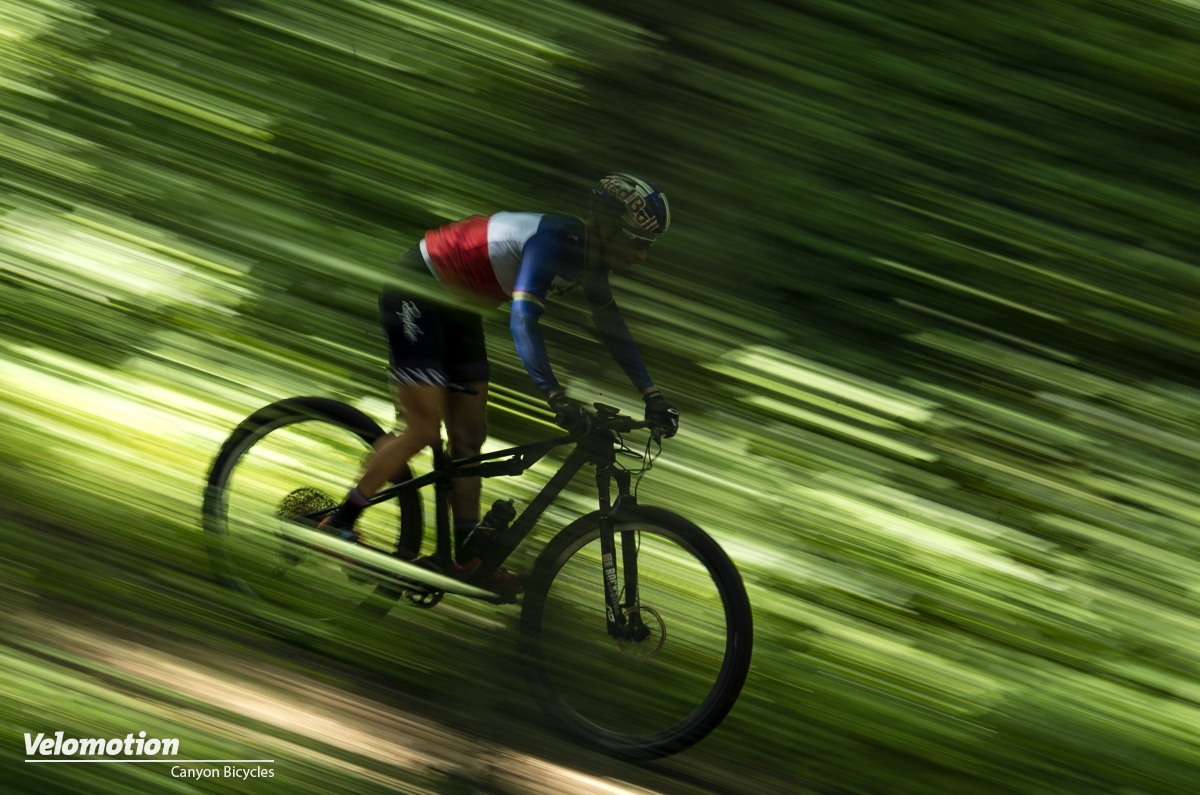
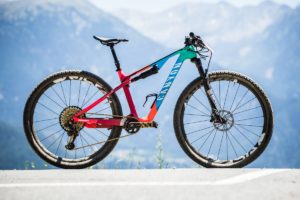
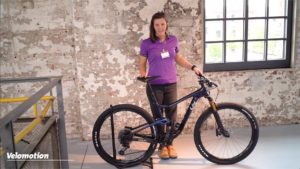
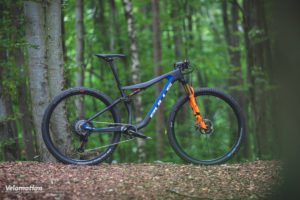
Produktnews: Mit dem Canyon Lux CF 2018 stellt der Hersteller aus Koblenz seine neue Cross Country Waffe vor – das vollgefederte Pendant zum XC-Hardtail Exceed CF bekommt einen neuen, rekordverdächtig leichten Rahmen mit vielen cleveren Details.
Es gibt wohl keine MTB-Disziplin, die in den letzten Jahren so viele und tiefgreifende Veränderungen durchlaufen ist, wie Cross Country. Die Spanne, die man dabei unter die Räder nimmt reicht von kräftezehrenden, stundenlangen Etappen unter der brennenden Sonne Südafrikas beim Cape Epic bis hin zu kurzen, brutalen und technischen Runden wie auf der Worldcup Strecke in Nove Mesto oder in Albstadt.

Diese große Bandbreite verlangt nicht nur von den Fahrern viel Flexibilität, sondern erfordert auch eine Entsprechung beim gewählten Material. Es ist also nicht allzu verwunderlich, dass Canyon mit seinem neuen Lux CF das erfolgreiche, aber etwas in die Jahre gekommene Vorgängermodell komplett beerdigt und stattdessen auf einen von A bis Z neu konstruierten Rahmen setzt.
Canyon Lux CF 2018: Neue Rahmen mit rekordverdächtigem Gewicht
Mehr als bei jeder anderen Mountainbike Disziplin zählt im Cross Country die Effizienz – diese erreicht man vor allem durch ein möglichst geringes Gewicht. Deshalb machte man es bei der Entwicklung des neuen Rahmens zur Bedingung, dass das Gewicht inklusive Dämpfer am Ende keinesfalls 2kg überschreiten dürfte. Carbon als einziges Rahmenmaterial war nicht nur aus diesem Grund von Anfang an gesetzt. Wie bei den meisten anderen Canyon Rädern entschied man sich auch beim Lux jedoch dafür, zwei verschiedene Carbonrahmen anzubieten: Die CF SL Variante für Hobbyfahrer, denen es nicht auf das letzte Gramm ankommt und die superleichte CF SLX Version für die ambitionierten Racer.
Sprechen wir gleich zu Beginn über die nackten Zahlen: In Größe M bringt der Rahmen des CF SLX lediglich 1.662g auf die Waage. Die CF SL Variante ist mit 1.852g knapp 200g schwerer. Damit zählt der CF SLX Rahmen zum leichtesten, was man derzeit in diesem Bereich für Geld kaufen kann und auch die etwas schwerere Variante spielt noch gut im Konzert der Großen mit. Möglich wird ein derartiges Gewicht durch eine bis in die letzte Faser durchgezogene Optimierung und auch durch den neuen Hinterbau, zu dem wir gleich noch im Detail kommen werden.
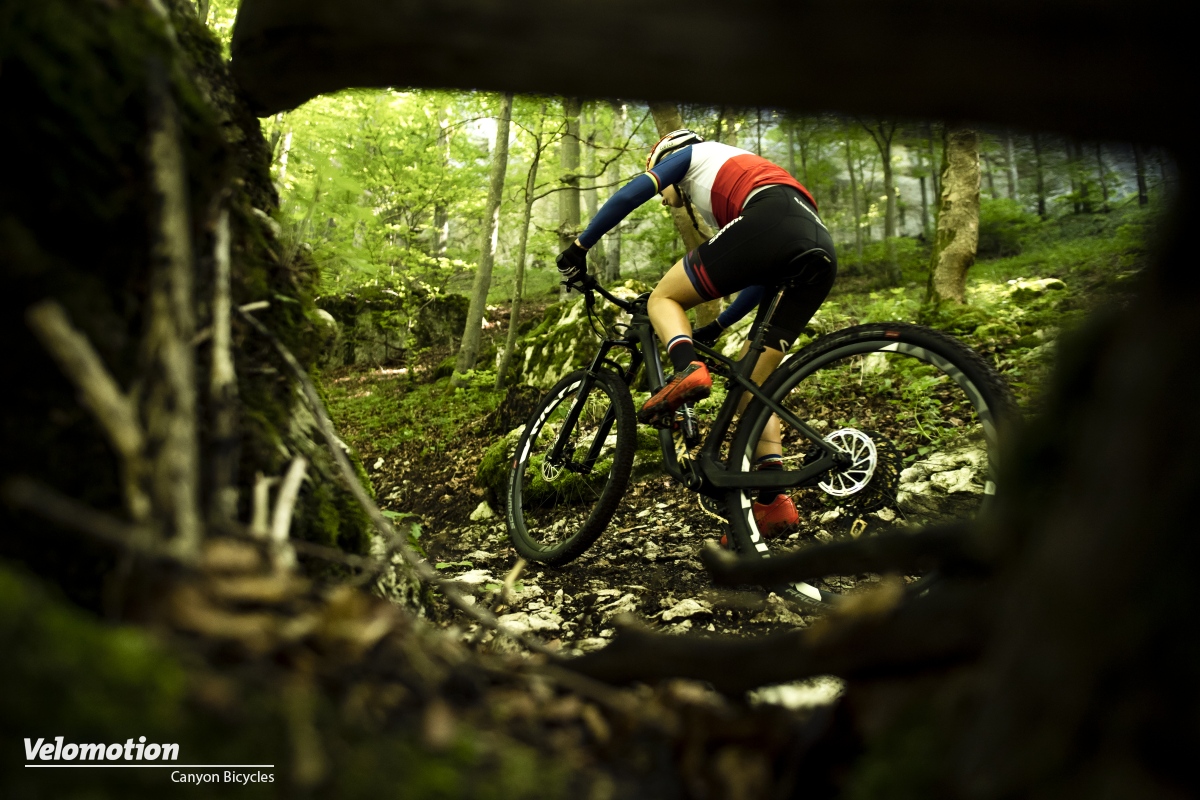
Bei den Carbon Layups kann Canyon mittlerweile auf einen extrem großen Erfahrungsschatz off- wie onroad zugreifen. So ist es möglich, über den gesamten Rahmen hinweg bei Fasertyp, Ausrichtung und Anzahl der Schichten zu variieren – eben genau so, dass man einen stabilen, widerstandsfähigen Rahmen bekommt, der an den entsprechenden Stellen verstärkt ist, aber dort Gewicht spart, wo es nur unnötiger Ballast wäre. Geholfen hat im Entwicklungsprozess hierbei auch der hauseigene CT Scanner, mit dem die Prototypenrahmen regelmäßig durchleuchtet wurden, um eventuelle Schäden zu identifizieren und zu analysieren.
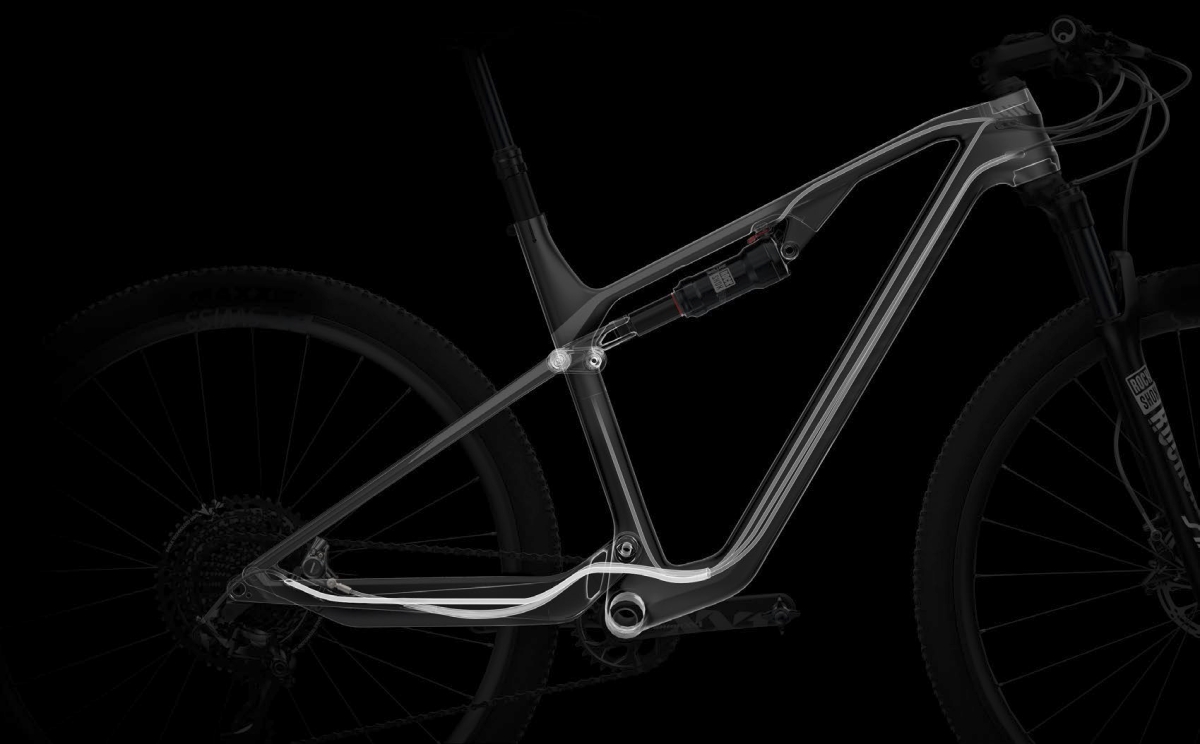
Im Vergleich zum Vorgänger konnte man auch beim Hinterbau viel Gewicht einsparen: Die gesamte Anlenkung des Dämpfers ist beispielsweise nur etwas mehr als halb so schwer als beim bekannten Lux. Möglich wird’s durch den liegenden Dämpfer und die extrem kompakte Wippe, an der man viel Material einsparen kann. Dass man hier bis ins letzte Detail optimiert hat, zeigt beispielsweise die Dämpferanbindung, bei der man teilweise auf Kugellager verzichten kann und stattdessen auf viel leichtere Gleitlager setzt.
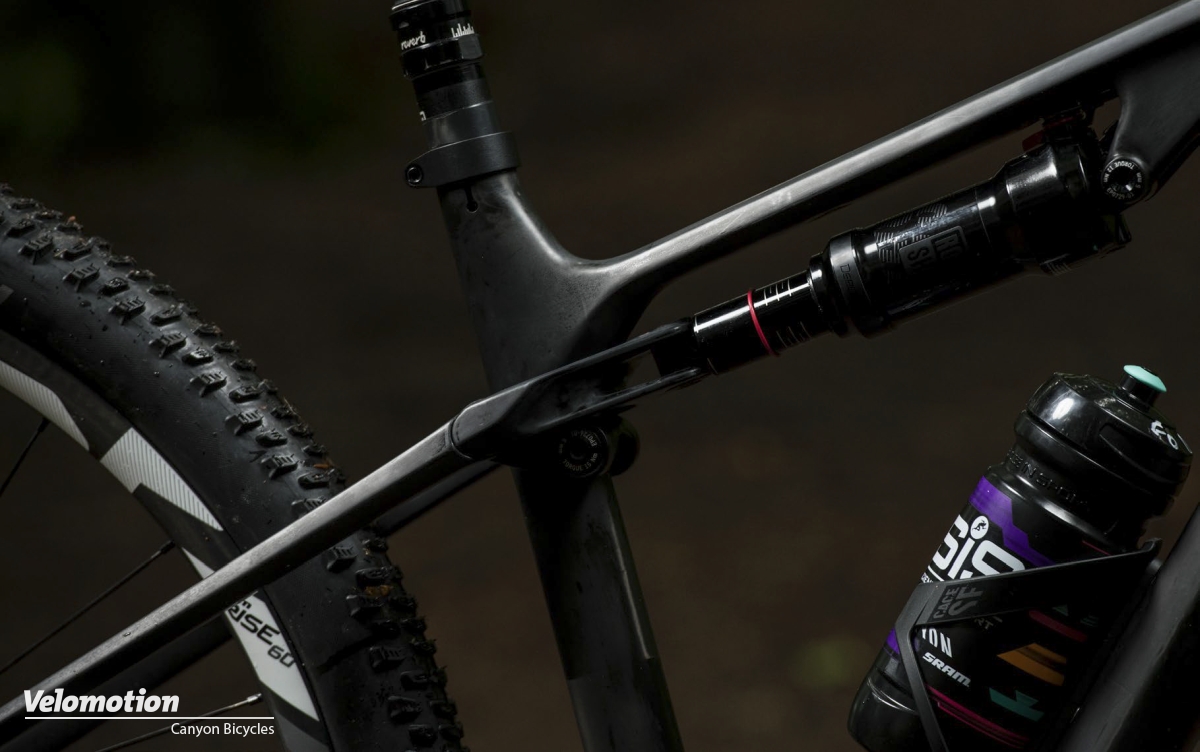
Dass der neue Hinterbau jedoch nicht nur der Gewichtsoptimierung dient, erkennen Canyon-Fans wahrscheinlich schon auf den ersten Blick. Er fügt sich perfekt in die aktuelle MTB Palette, die im letzten Jahr mit dem neuen Downhillbike Sender ihren Anfang nahm. Ein DH-Hinterbau an einer XC-Rennfeile? Ganz so simpel ist die Gleichung aber nicht, denn auch wenn sich das neue Canyon Lux CF 2018 unverkennbar am Sender, am Torque oder am Spectral orientiert, ist der Hinterbau trotzdem deutlich mehr auf Effizienz ausgelegt – behält aber seine schluckfreudige Grundcharakteristik bei, die angesichts der anspruchsvollen XC Rennstrecken auch dringend benötigt wird.
Der Schlüssel zu einem gut ausbalancierten Hinterbau liegt in einer entsprechend durchdachten Kinematik. Diese teilt Canyon auch am Lux in drei Phasen ein: Zu Beginn des Federwegs sorgt ein niedriges Hebelverhältnis dafür, dass kleine Schläge gut aufgenommen werden und man auch die feinen Vibrationen auf leichten Trails nicht bis ins Gesäß zu spüren bekommt. Rund um den Sag-Punkt steigt das Verhältnis an und die stabile Plattform verhindert, dass der Hinterbau „wegsackt“. Hohe Anti-Squat-Werte sollen dies zusätzlich unterstützen: Durch den Kettenzug während des Tretens strafft man den Hinterbau zusätzlich. Gegen Ende des Federwegs wird der Hinterbau dann zunehmen progressiv um Durchschlägen vorzubeugen.
Durch den Einsatz von metrischen Dämpfern erreicht man zudem ein insgesamt niedriges Übersetzungsverhältnis. Aus den 55mm Hub holt der Hinterbau 100mm Federweg heraus – so kann man die Dämpfer mit wenig Druck fahren, was eine feinere Abstimmung ermöglicht und das Ansprechverhalten insgesamt verbessern dürfte.
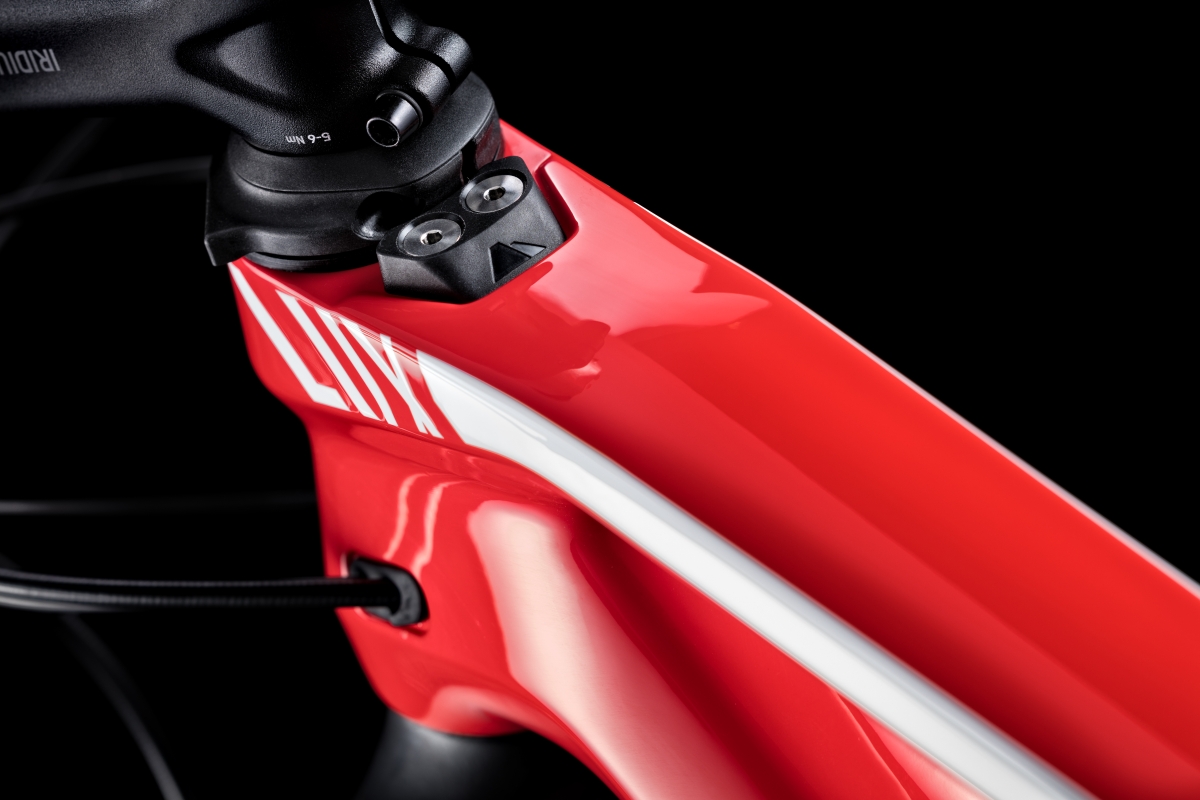
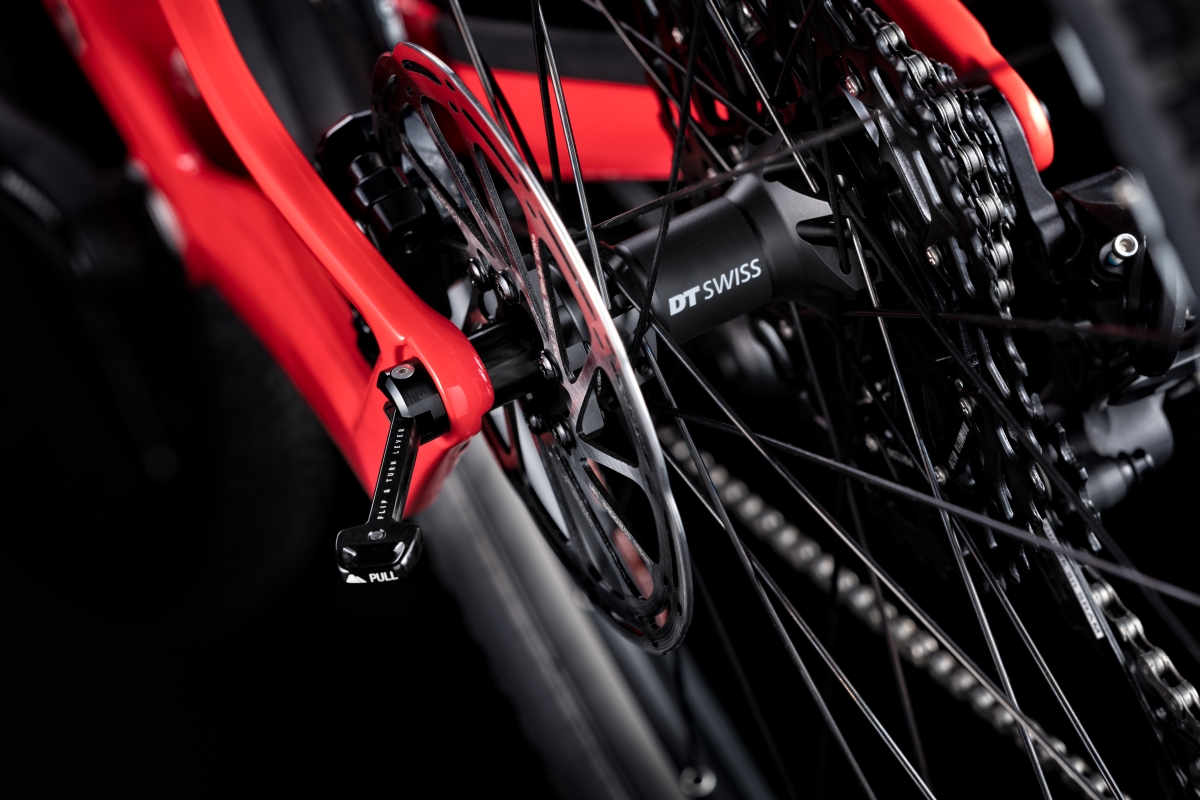
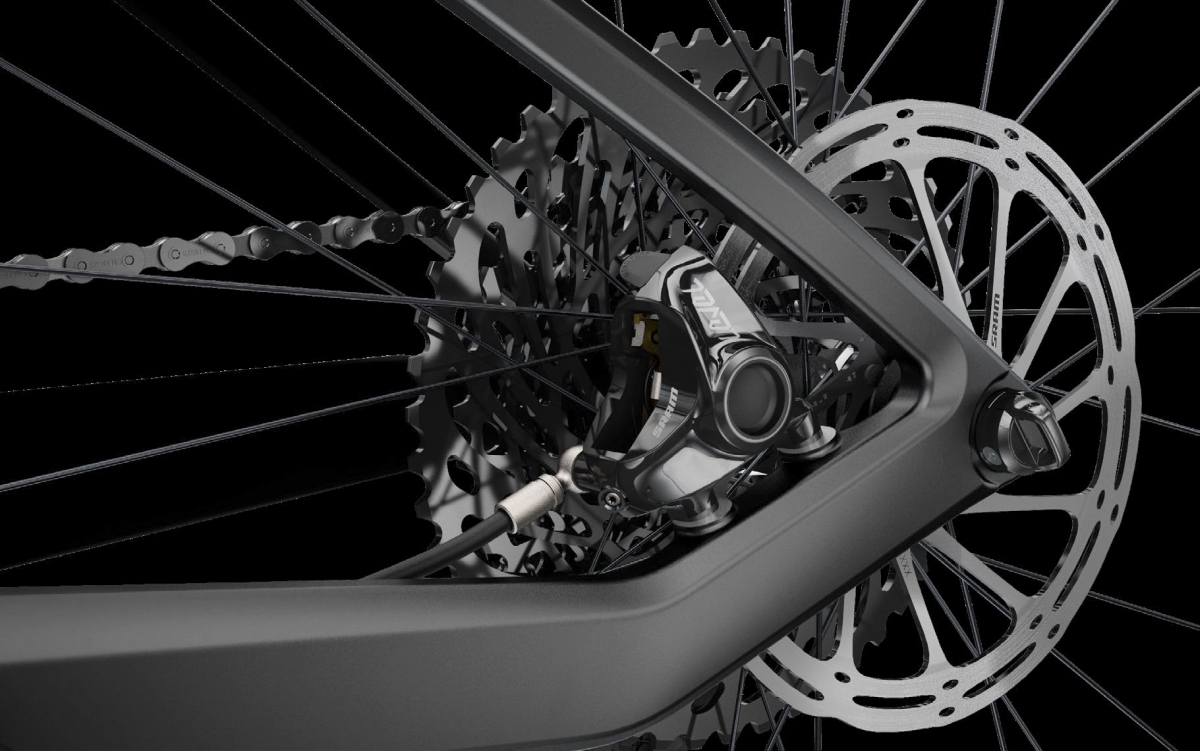
Canyon Lux CF 2018: Clever Rahmendetails für beste Performance
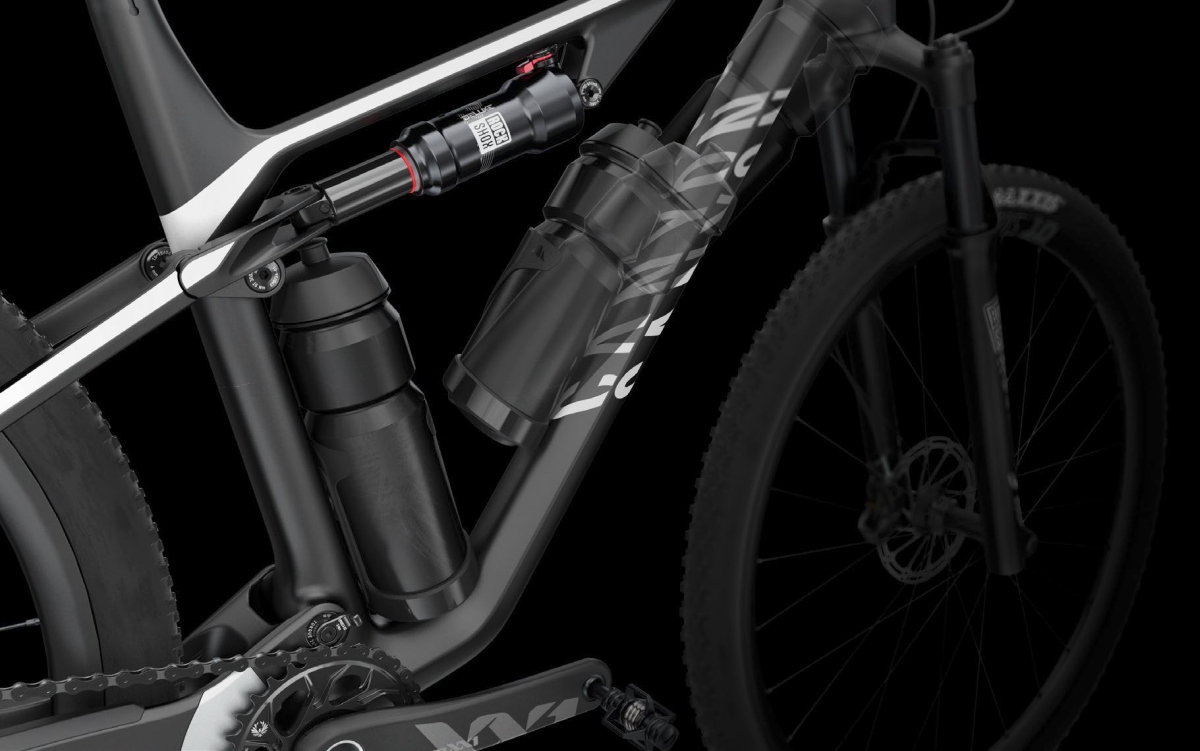

Canyon Lux CF 2018: Geometrie – Gleich, weil anders!
Bei der Entwicklung des neuen Lux CF hatte man die ambitionierten Racer im Hinterkopf. Diese besitzen oftmals mehr als nur ein Rad; wer mit einem gewissen Anspruch auf den XC-Strecken und bei den Marathons unterwegs ist, hat oft neben einem XC Fully wie dem Lux auch noch ein leichteres Hardtail – wenn es das Streckenprofil erlaubt, lassen sich damit noch ein paar Sekunden mehr herauskratzen. Das ist auch Canyon bewusst und man möchte eben diesen Fahrern und Fahrerinnen deshalb den Umstieg vom hauseigenen Hardtail Exceed CF SL auf das Lux CF möglichst leicht machen.
Die Sitzposition bzw. die Geometrie soll auf dem Lux CF und dem Exceed CF so ähnlich wie möglich sein. Dass sich die nackten Zahlen aber nicht bis auf die letzte Nachkommastelle gleichen, hat einen guten Grund: Die Geometrien eines Hardtails und eines Fullys verändern sich anders, wenn sich der Fahrer auf das Rad setzt. So wird der Lenkwinkel beim Hardtail beispielsweise steiler, da die Gabel in den Federweg eintaucht, das Heck aber starr bleibt.
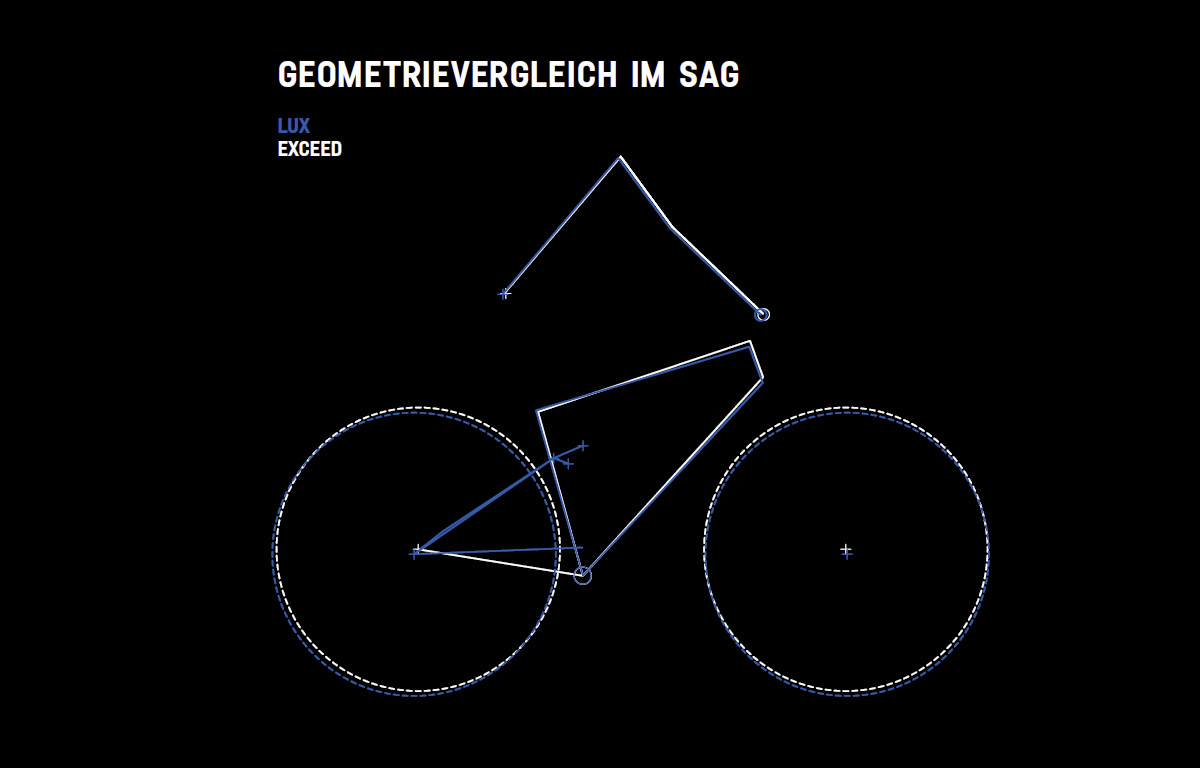
Insgesamt wurde die Geometrie des Lux CF deutlich modernisiert: Vor allem der Reach ist angewachsen, um in allen Rahmengrößen 80mm kurze Vorbauten verbauen zu können. Das macht das Lenkverhalten gerade in technisch anspruchsvollem Gelände deutlich gutmütiger. Dank der kurzen Kettenstreben bleibt der Radstand aber trotz des angewachsenen Hauptrahmens so kompakt wie zuvor, was gerade auf engen Kursen hilft.
Canyon Lux CF SL 2018 Geometrie
| S | M | L | XL | |
| Sitzrohr (in mm) | 425 | 465 | 505 | 545 |
| Oberrohr horizontal (in mm) | 575 | 600 | 625 | 650 |
| Steuerrohr (in mm) | 90 | 100 | 115 | 140 |
| Kettenstrebe (in mm) | 435 | 435 | 435 | 435 |
| Radstand (in mm) | 1106 | 1129 | 1154 | 1183 |
| Lenkwinkel (in °) | 69.5 | 69.5 | 69.5 | 69.5 |
| Sitzwinkel (in °) | 74 | 74 | 74 | 74 |
| Reach (in mm) | 410 | 430 | 450 | 470 |
| Stack (in mm) | 585 | 594 | 609 | 632 |
Canyon Lux CF SLX 2018 Geometrie
| S | M | L | XL | |
| Sitzrohr (in mm) | 425 | 465 | 505 | 545 |
| Oberrohr horizontal (in mm) | 575 | 600 | 625 | 650 |
| Steuerrohr (in mm) | 90 | 100 | 115 | 140 |
| Kettenstrebe (in mm) | 435 | 435 | 435 | 435 |
| Radstand (in mm) | 1102 | 1126 | 1151 | 1179 |
| Lenkwinkel (in °) | 70 | 70 | 70 | 70 |
| Sitzwinkel (in °) | 74.5 | 74.5 | 74.5 | 74.5 |
| Reach (in mm) | 415 | 435 | 455 | 475 |
| Stack (in mm) | 582 | 591 | 605 | 629 |
Canyon Lux CF 2018: Modelle und Preise
Das Canyon Lux CF 2018 startet mit sechs Modellvarianten. Vier davon setzen auf den etwas schwereren Lux CF SL Rahmen, die beiden Edelvarianten bekommen die extrem leichten CF SLX Version. Preislich geht es schon bei 2.499€ für das Canyon Lux CF SL 6.0 Pro Race los, das mit Reba Gabel, Deluxe Dämpfer, DT Swiss Laufrädern und NX Eagle Schaltung alles andere als schlecht ausgestattet ist. Auffällig ist generell, dass die vier CF SL Ausstattungsvarianten vorn mit einer 110mm Gabel ausgerüstet wurden – die Devise: Weniger Race, mehr Trail! Trotzdem lassen sich auch mit diesen Varianten natürlich alle Rennkurse dieser Welt unter die Räder nehmen.
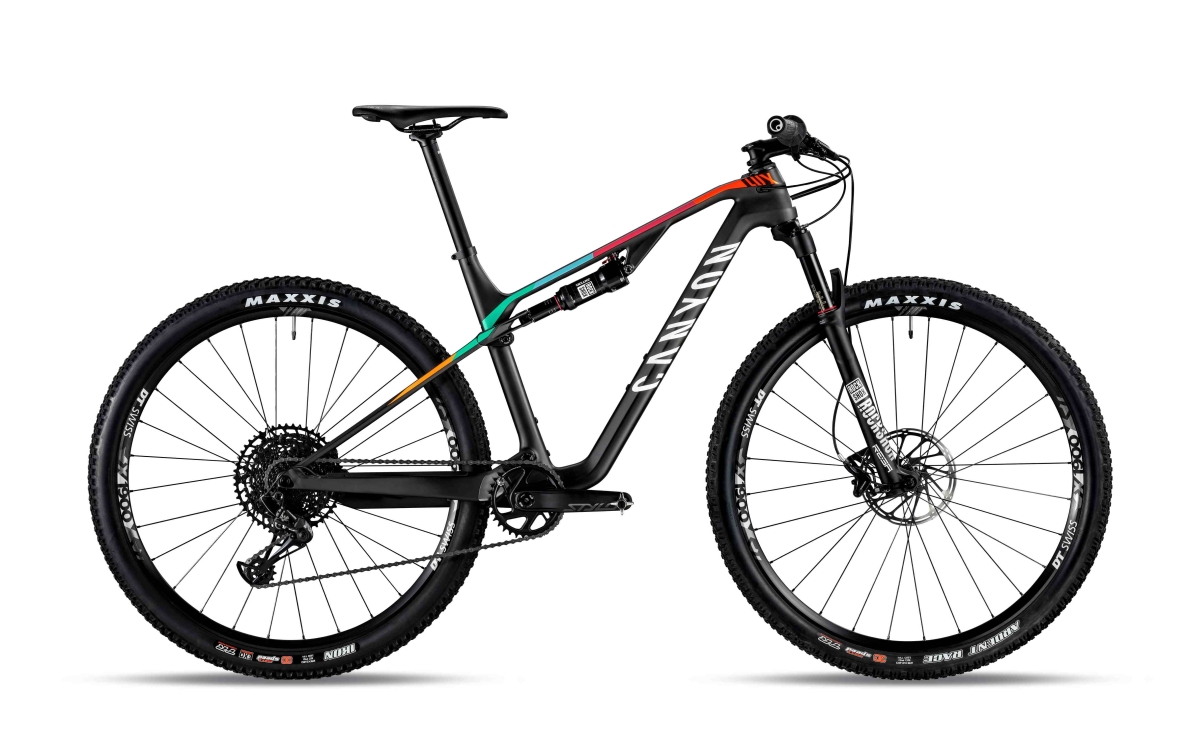

Gabel: Rock Shox Reba RL 110mm
Dämpfer: Rock Shox Deluxe RLR
Schaltung: Sram NX Eagle
Laufräder: DT Swiss X 1900 Spline
Bremsen: Sram Level TL
Gewicht: 11,8kg
Preis: 2.599€
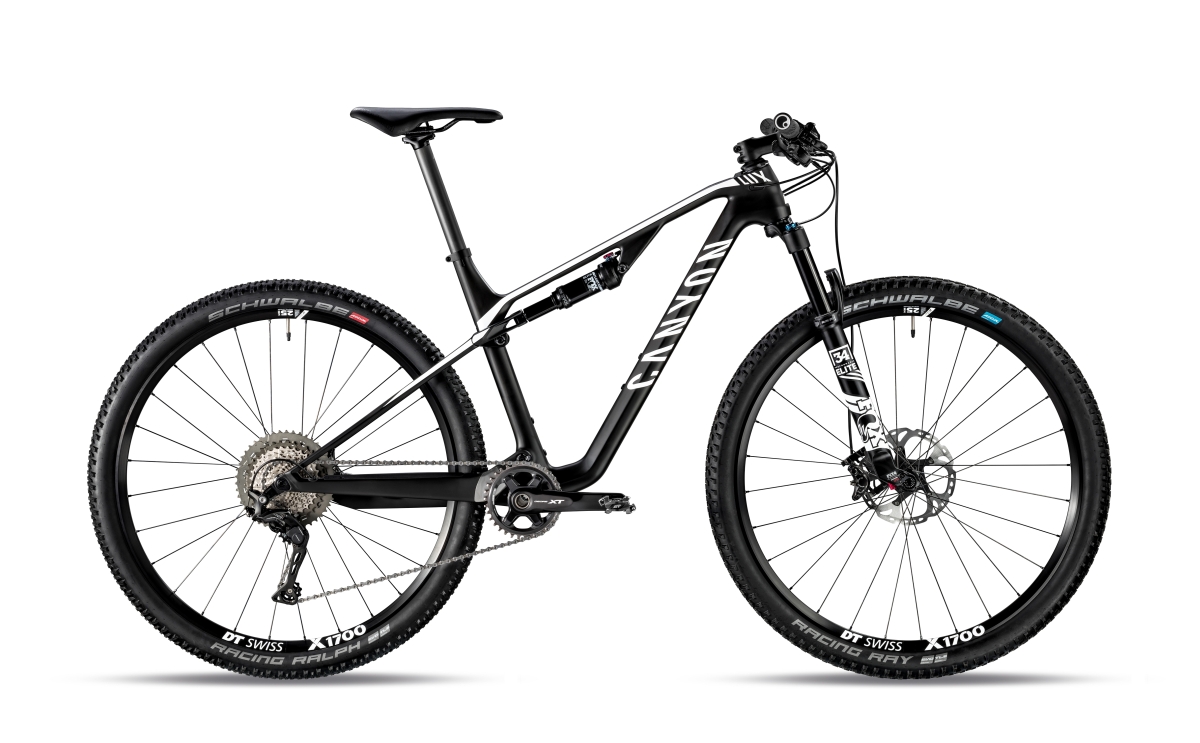
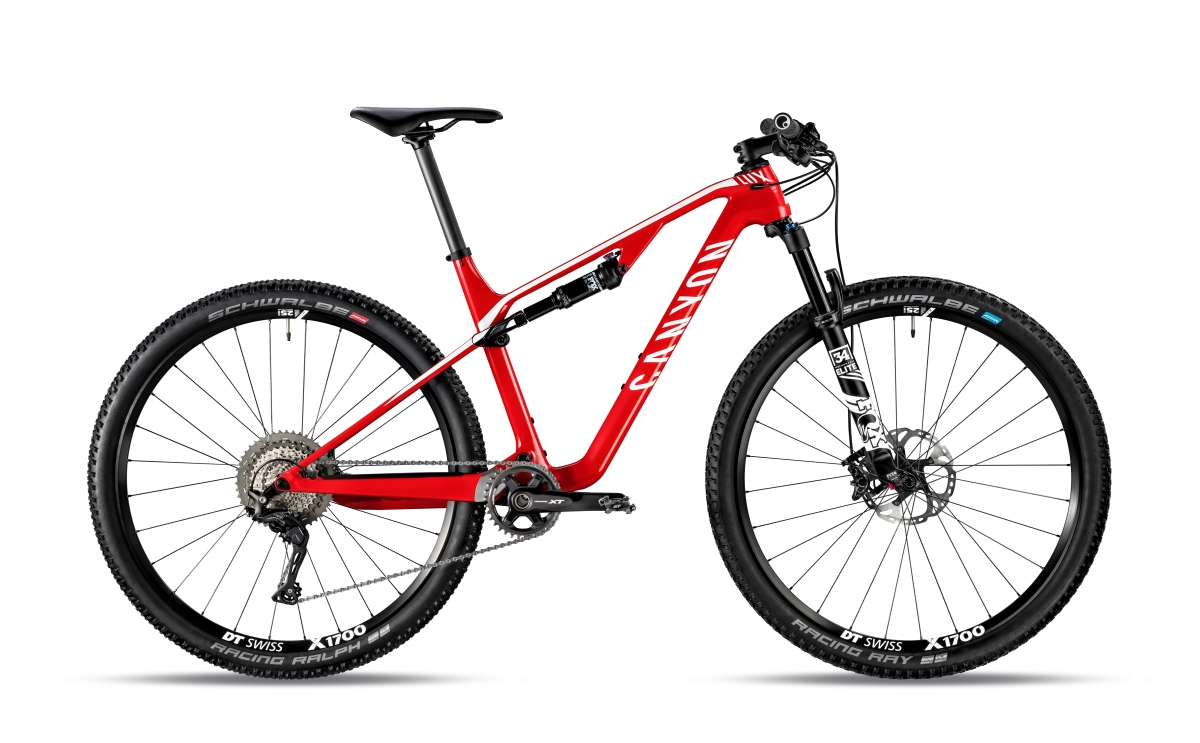
Gabel: Fox Performance Elite 34 SC 110mm
Dämpfer: Fox Performance Elite Float DPS
Schaltung: Shimano XT
Laufräder: DT Swiss X 1700 Spline
Bremsen: Shimano XT
Gewicht: 11,8kg
Preis: 2.999€
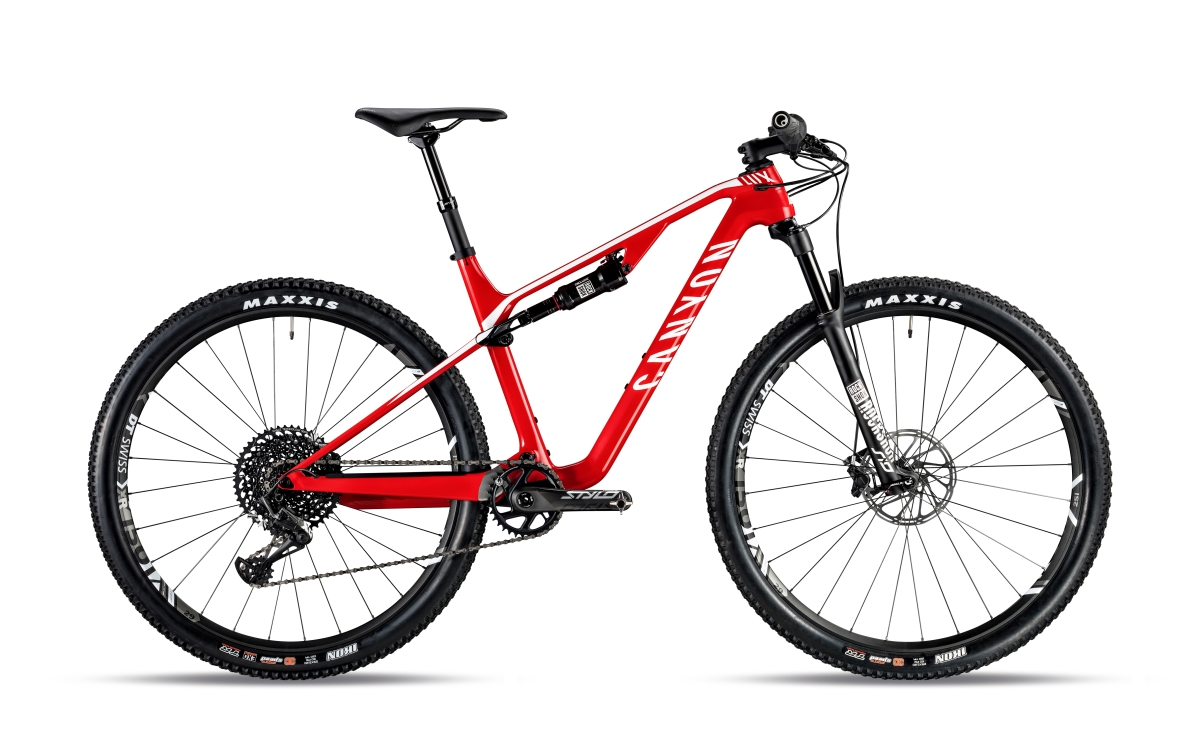
Gabel: Rock Shox SID RLC 110mm
Dämpfer: Rock Shox Deluxe RLR
Schaltung: Sram X01 Eagle
Laufräder: DT Swiss XR 1501 Spline
Bremsen: Sram Level TLM
Gewicht: 11,3kg
Preis: 3.699€
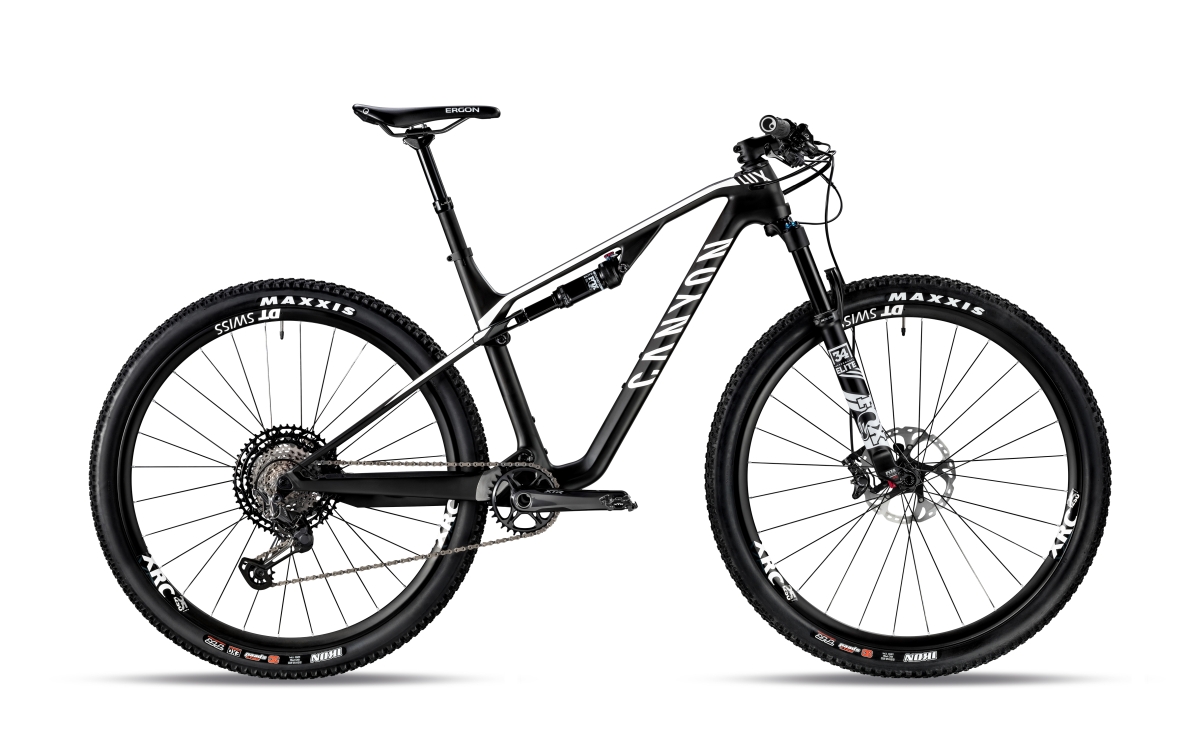
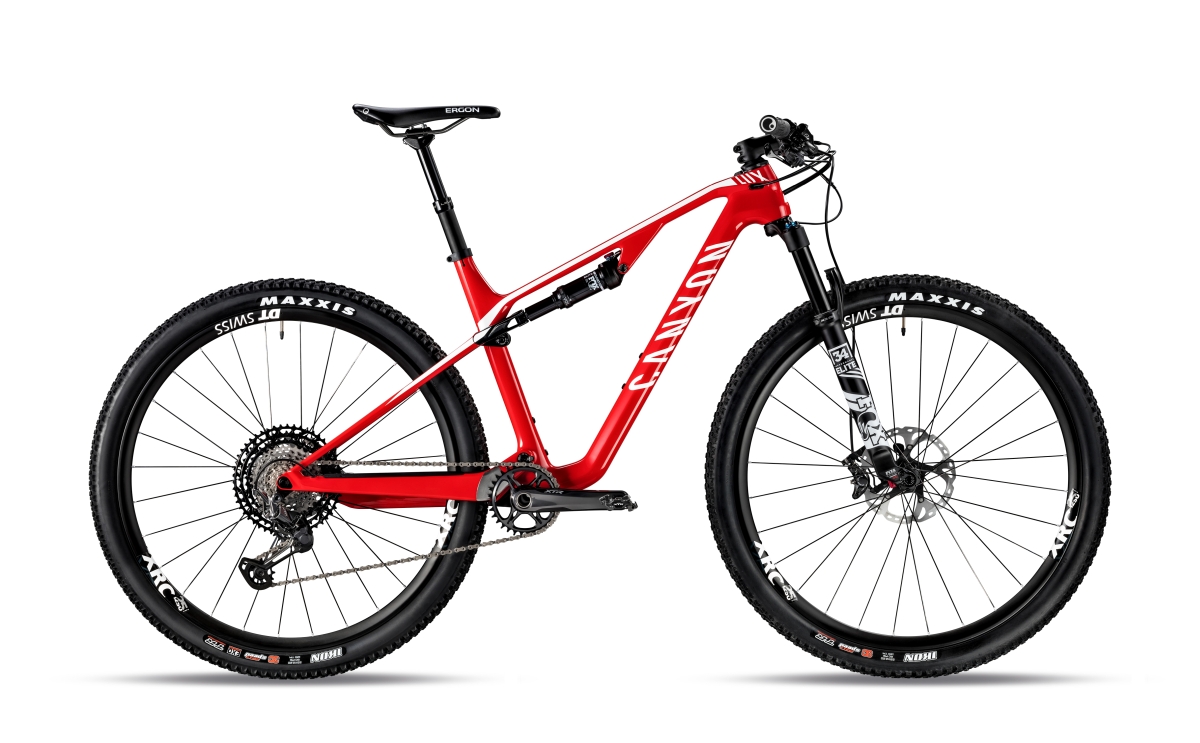
Gabel: Fox Performance Elite 34 SC 110mm
Dämpfer: Fox Performance Elite Float DPS
Schaltung: Shimano XTR
Laufräder: DT Swiss XRC 1250 Carbon
Bremsen: Shimano XT
Gewicht: 11,3kg
Preis: 4.599€

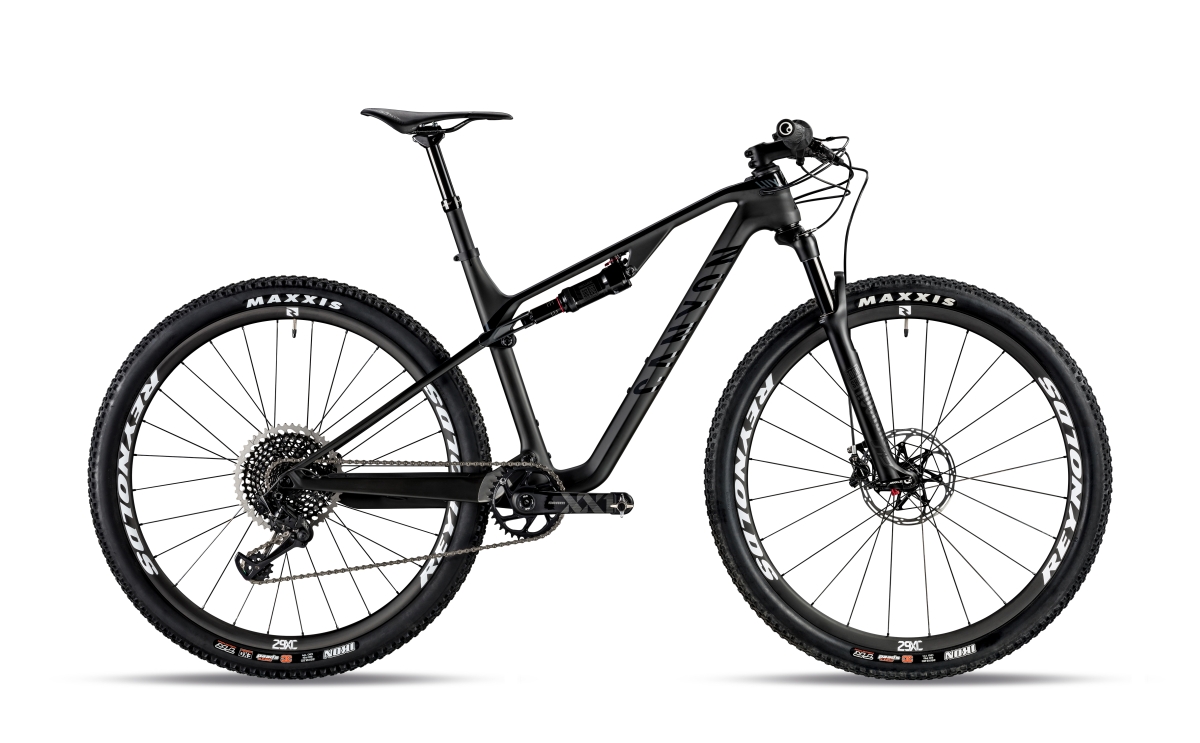
Gabel: Rock Shox SID WC 100mm
Dämpfer: Rock Shox Deluxe RLR
Schaltung: Sram XX1 Eagle
Laufräder: Reynolds Black Label XC Carbon
Bremsen: Sram Level Ultimate
Gewicht: 10,0kg
Preis: 5.599€
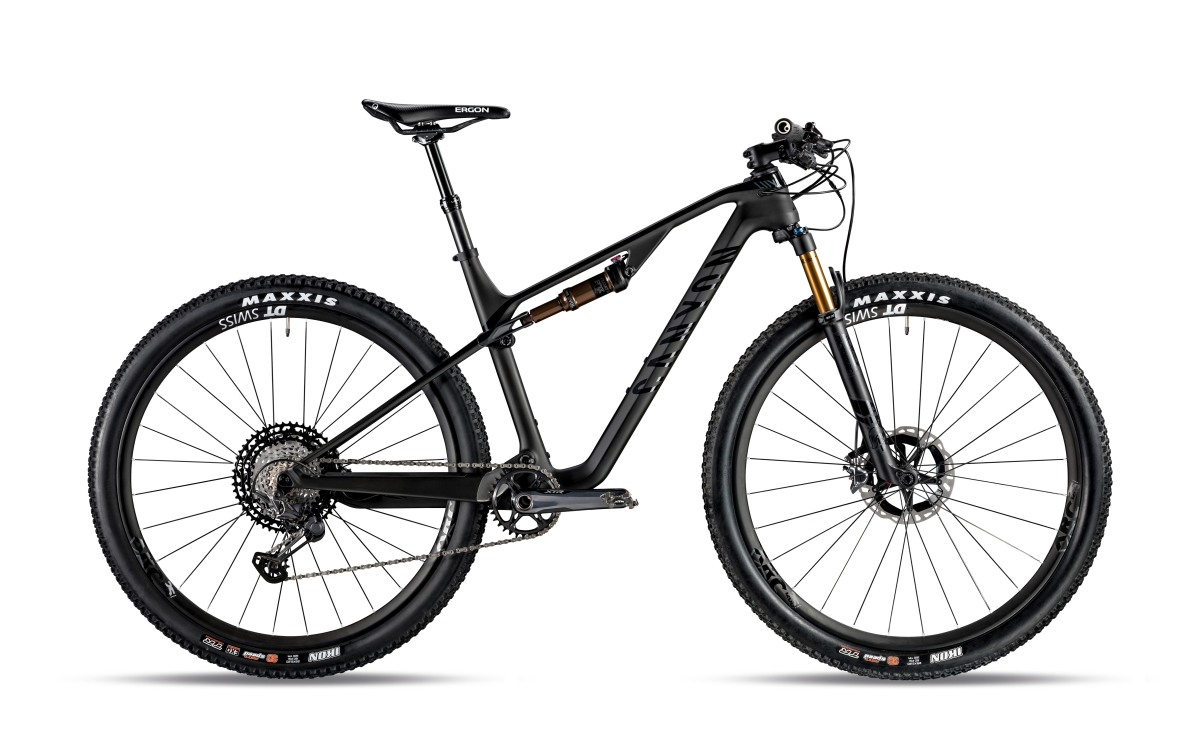

Gabel: Fox Factory 32 SC 100mm
Dämpfer: Fox Factory Float DPS
Schaltung: Shimano XTR
Laufräder: DT Swiss XRC 1200 Spline Carbon
Bremsen: Shimano XTR
Gewicht: 10,0kg
Preis: 5.999€


Schreibe einen Kommentar