


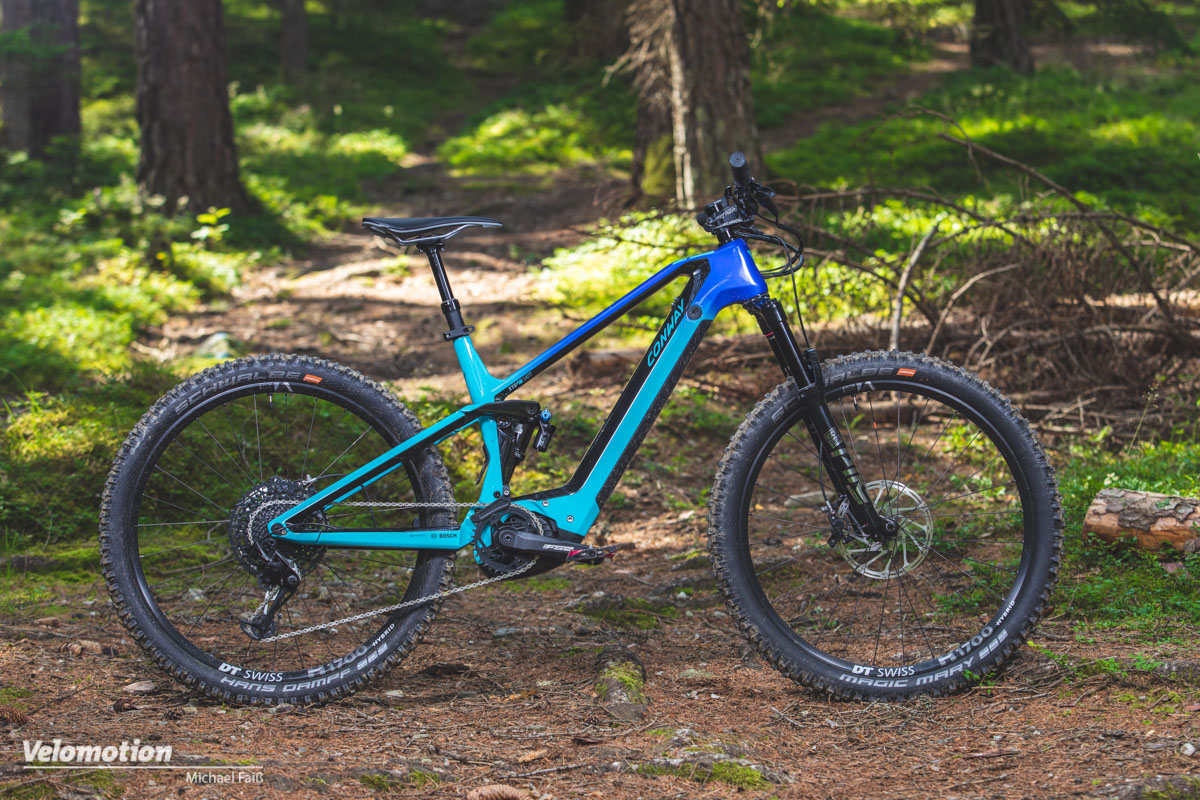
Test / E-Performance / MTB: Mit dem neuen Xyron erweitert Conway für 2020 sein E-MTB Portfolio. Das Fully mit neuem Bosch Performance CX Motor wird mit Carbon- und Alurahmen erhältlich sein und soll dabei einen breiten Einsatzbereich abdecken. Bei den Eurobike Media Days haben wir ausprobiert, ob das Konzept aufgeht.
Conway konnte sich in der Vergangenheit durch seine Bikes im E-MTB Bereich bereits durchaus einen Namen machen. Sowohl das eWME wie auch das im letzten Jahr vorgestellte eMF erfreuten sich durchaus großer Beliebtheit und stießen auch bei uns auf große Gegenliebe. Für die kommende Saison gibt es in diesem Bereich jedoch noch weiteren Zuwachs – nämlich mit dem Xyron (sprich: Ksüron). Anstelle des Shimano E8000 wie beim eWME steckt hier ein Bosch Performance CX im Tretlagerbereich und auch die Ausrichtung ist ein wenig anders.
Conway Xyron: Allrounder von Trail bis Tour
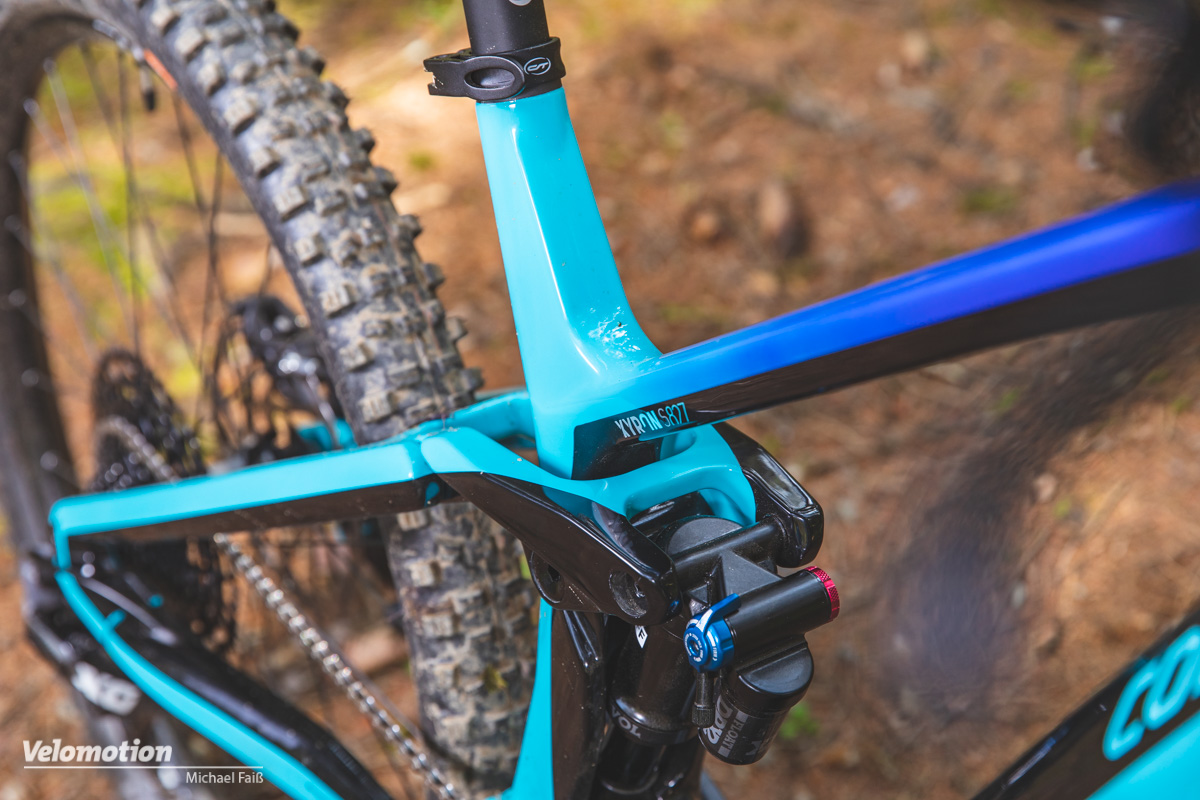
Komplizierter Name, ambitioniertes Konzept: Das Xyron soll der neue Alleskönner im E-MTB Portfolio werden – von Tour bis Trail, von Alltag bis zum Bikeurlaub. Das zeigen auch die verschiedenen Modell- und Ausstattungsvarianten. So wird es das Xyron sowohl mit Carbon- als auch mit Alurahmen geben. Bei letzterem wird auch eine voll ausgestattete Version mit Schutzblechen, Gepäckträger und Beleuchtungsanlage erhältlich sein. Der Federweg fällt mit 140mm vorn und hinten für einen Tourer recht üppig aus. Wer viel auf dem Trail unterwegs ist, kann jedoch sogar einen Dämpfer mit mehr Hub verbauen und eine 150mm Gabel verbauen.
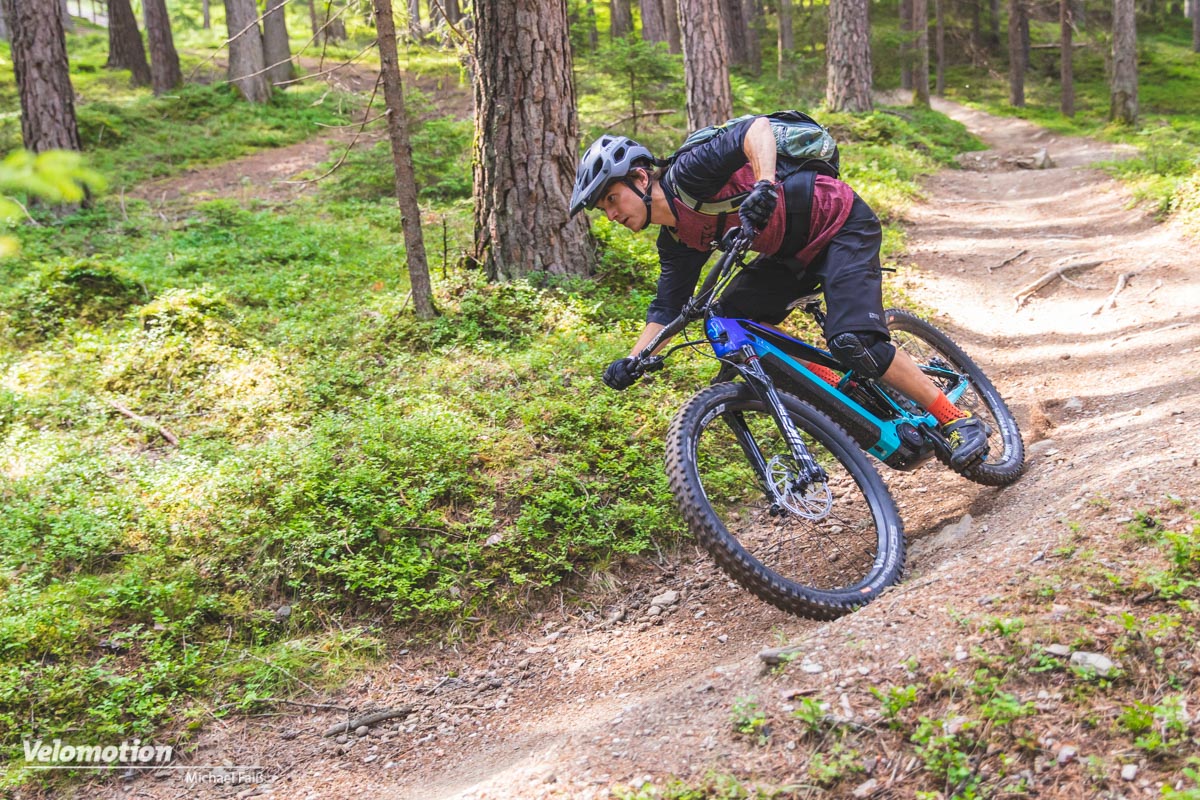
Bei der Laufradgröße setzt Conway – entgegen vieler derzeitiger Trends – weiterhin auf 27,5“. Gründe dafür gibt es mehrere: Die kleinen Laufräder sind steifer und leichter zugleich und verleihen ein Quäntchen mehr Spieltrieb. Auch mit dem Trend-Thema Wheel-Size-Split hat man sich natürlich beschäftigt; 29“ vorn, Plusbereifung hinten. Letztlich entschied man sich vor allem aus Kunden- und Wartungsfreundlichkeit dagegen. Zwei Laufradgrößen sind hier schlicht etwas aufwändiger zu handlen.
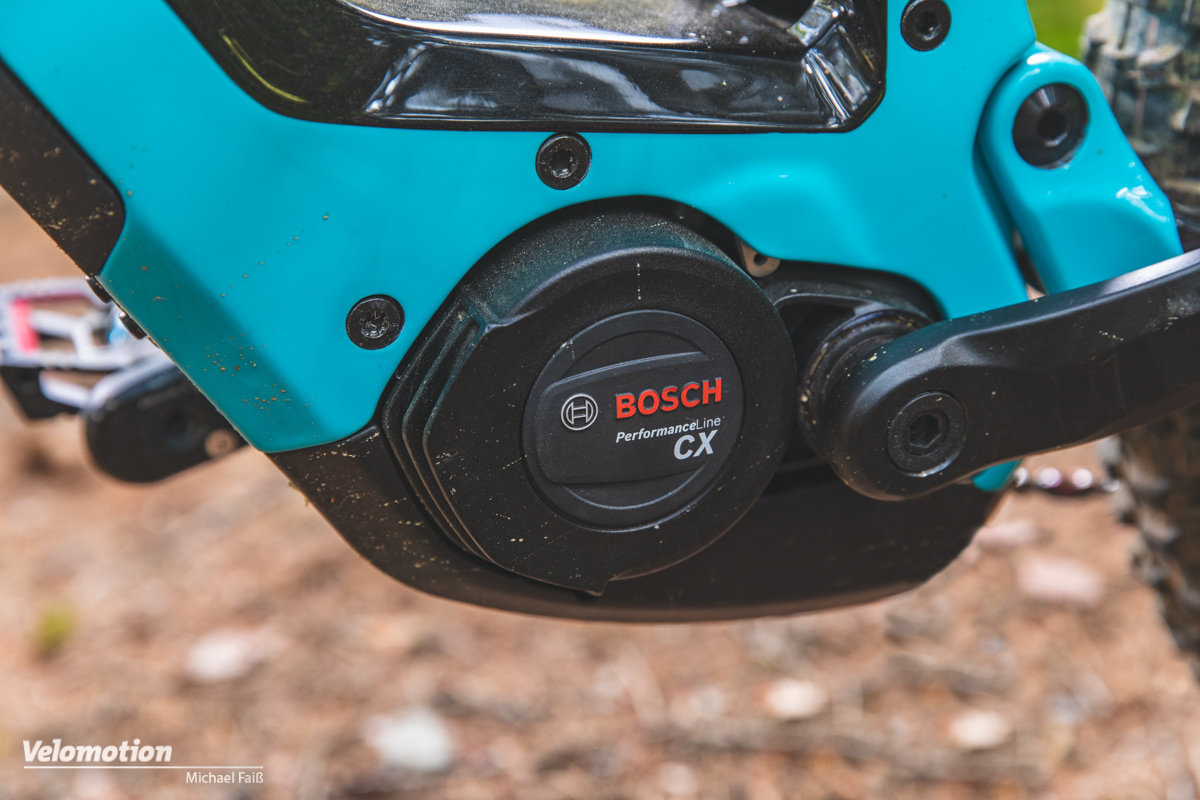
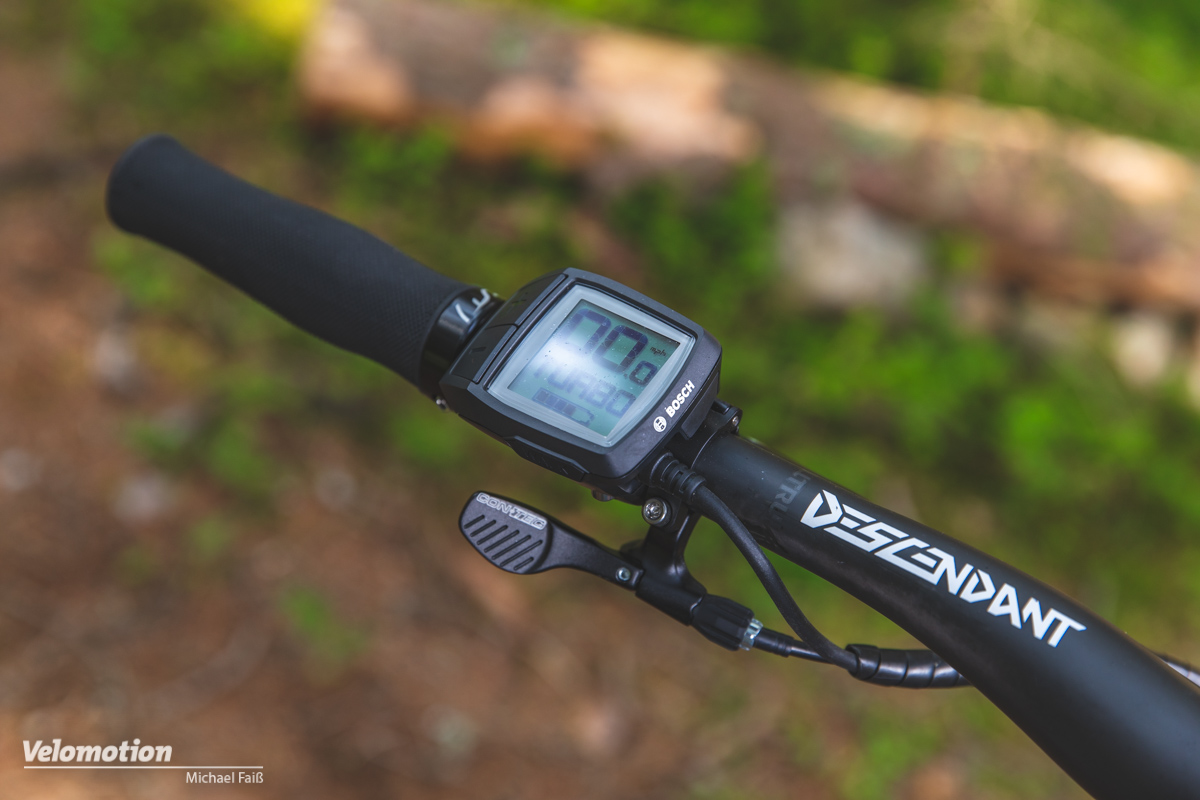
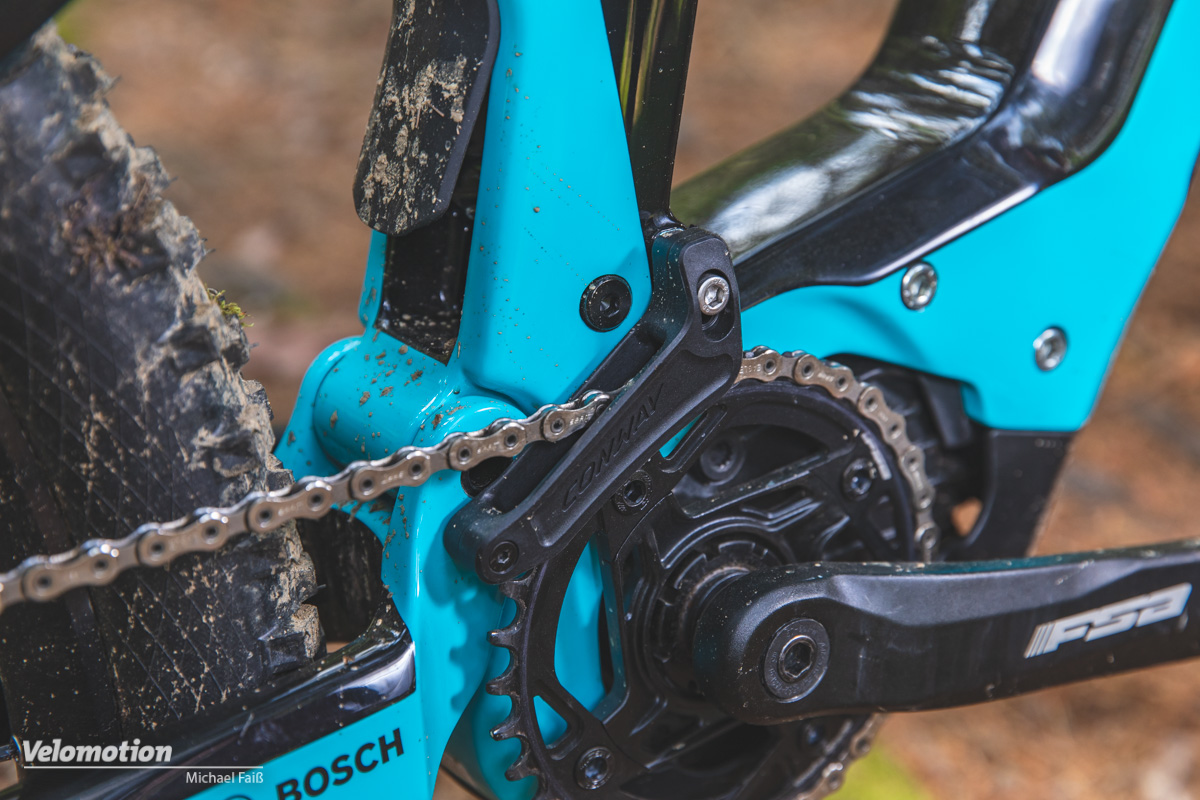
Angetrieben wird das E-Fully vom neuen Bosch Performance CX – so wie die meisten derzeit neu präentierten E-MTBs. Kein Wunder: Im puncto Performance war der Bosch Motor trotz seines Alters bisher noch immer top, jetzt konnte man auch bei Gewicht und Größe zur Konkurrenz aufschließen. Versorgt wird der Motor vom ebenfalls neuen Powertube 625 Akku, der mit über 600Wh doch ein Quänchten mehr Reichweite bietet. Mit einem Adapter lässt sich auch der bisherige Powertube 500 verbauen.
Geometrie Conway Xyron Carbon
| S | M | L | XL | |
| Sitzrohr (in mm) | 400 | 430 | 460 | 490 |
| Oberrohr horizontal (in mm) | 577 | 601 | 624 | 647 |
| Steuerrohr (in mm) | 120 | 120 | 130 | 140 |
| Kettenstrebe (in mm) | 450 | 450 | 450 | 450 |
| Radstand (in mm) | 1183 | 1207 | 1231 | 1255 |
| Lenkwinkel (in °) | 66 | 66 | 66 | 66 |
| Sitzwinkel (in °) | 75 | 75 | 75 | 75 |
| Reach (in mm) | 425 | 449 | 469 | 489 |
| Stack (in mm) | 595 | 595 | 604 | 613 |
Die Geometrie des neuen Conway E-Fullys ist modern, dabei jedoch nicht zu extrem und entspricht ziemlich genau dem, was wir angesichts des universellen Ansatzes erwartet hatten. Der Lenkwinkel ist mit 66° für ein 140er Fully sogar recht flach, der Hauptrahmen mit 469mm in Größe L dabei nicht zu lang. Zu beachten ist jedoch, dass die Carbonvariante hier tendenziell etwas sportlicher ausfällt als das Alu-Pendant. Letztere rückt den Fahrer durch einen höheren Stack-to-reach Wert in eine etwas aufrechtere Sitzposition.
Conway Xyron: Erste Impressionen vom Trail
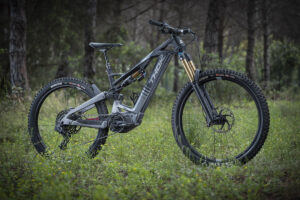
Unser Testrad entsprach beim Rahmen bereits weitgehend dem späteren Serienmodell (von kleinen Details wie der Abdeckung des Ladeports abgesehen), die Ausstattung wich jedoch noch deutlich ab. Um dennoch bereits ein Gefühl für das Gewicht des Bikes zu bekommen: Unser Testbike mit Carbonrahmen brachte gerade einmal 21,5kg auf die Waage.
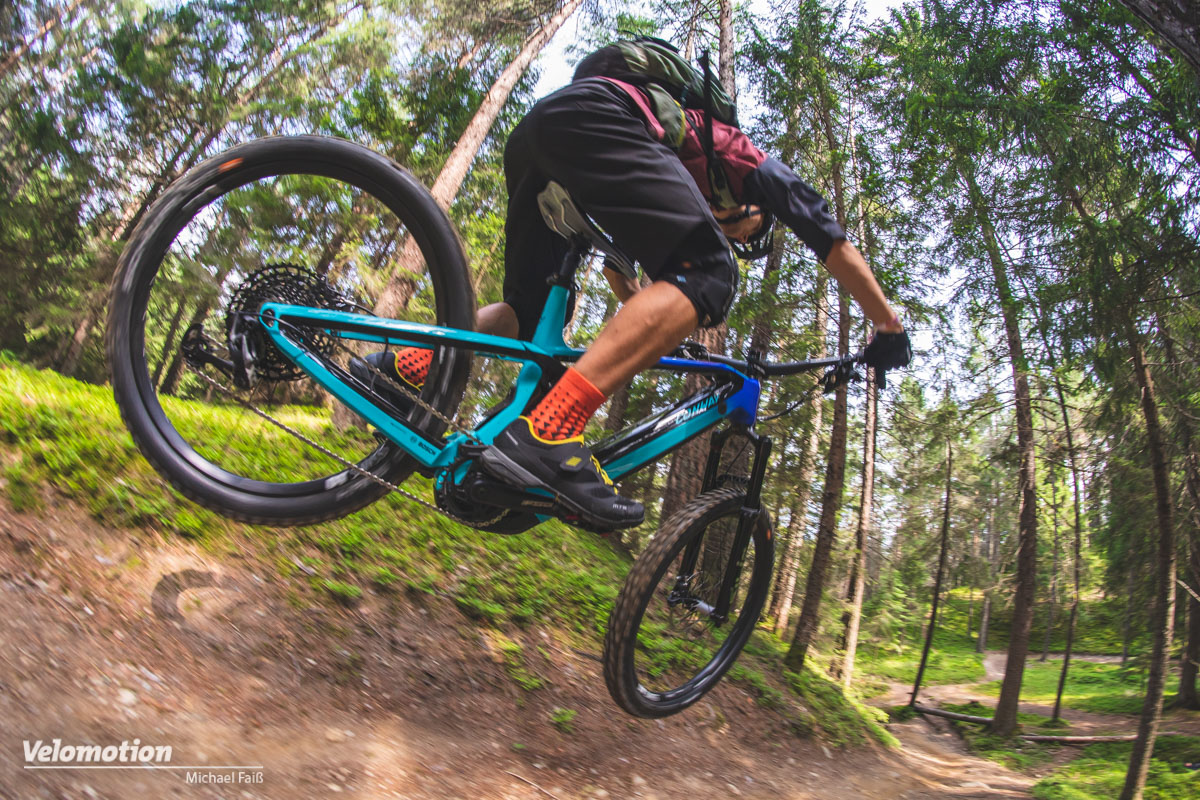
Auf dem Trail ist das Conway eine echte Spaßmaschine. Ja, es gibt sicherlich etwas laufruhigere E-MTBs dort draußen und ja, es gibt auch Bikes, die auf dem Trail etwas verspielter daherkommen. Mit dem Xyron haben die Konstrukteure jedoch genau den Sweet-Spot gefunden, der auf unterschiedlichem Terrain und für viele Fahrer einfach hervorragend funktioniert. Das Bike lädt an Kanten zum Abziehen ein, Anlieger zaubern ein fettes Grinsen ins Gesicht. Doch auch wenn es ruppig wird, der Wurzelteppich Arme, Oberschenkel und Fahrwerk gleichermaßen fordert, kommt das Bike nicht aus der Ruhe. Durch die im Sitzen schön entspannte Position auf dem Rad dürfte es auch während ausgiebiger Touren Freude machen und fällt insgesamt auch für weniger ambitionierte Biker nicht zu sportlich aus.
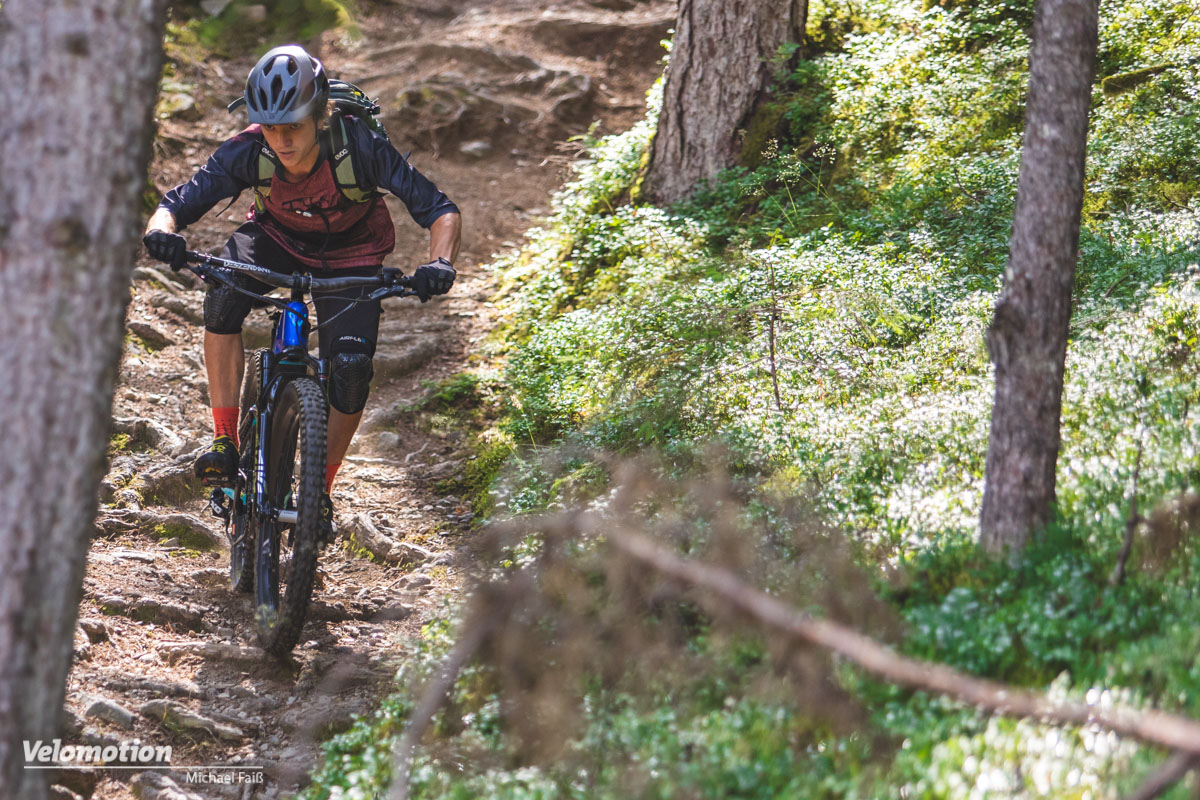
Der Bosch Performance CX schiebt gewohnt gut an, wird es jedoch steil und gleichzeitig etwas technischer, muss man aktiv sein Gewicht nach vorn verlagern, um das Vorderrad am Boden zu halten. Das ist etwas schade und trübt den Fahrspaß im Uphill doch ein wenig.
Auch wenn es in der Serien einige Veränderungen geben wird, noch ein paar Worte zur Ausstattung: Hier gibt sich das Bike keine Blöße. Der Eagle Antrieb macht seinen Job gewohnt zuverlässig, das Fahrwerk aus der neuen Pike Ultimate an der Front und dem DPX2 Performance Elite von Fox im Heck harmoniert trotz Herstellermix hervorragend. Unser – mit ca. 70kg eher leichtgewichtiger – Testfahrer konnte bezüglich der Steifigkeit bei der Pike, trotz der mit 35mm etwas schmächtigeren Standrohre keine Probleme feststellen. Die neue Sram G2 Bremse ist ein deutlicher Schritt nach vorn im direkten Vergleich mit der Guide und brachte uns auch während längerer Abfahrten zuverlässig zum Stehen. Eine besondere Erwähnung verdient zudem die hauseigene Contec Drop-a-Gogo Stütze, die seit über einem Jahr erhältlich ist, bei vielen aber noch immer unter dem Radar fliegt – obwohl sie zu den unserer Meinung nach derzeit besten Variostützen auf dem Markt zählt.



Schreibe einen Kommentar