


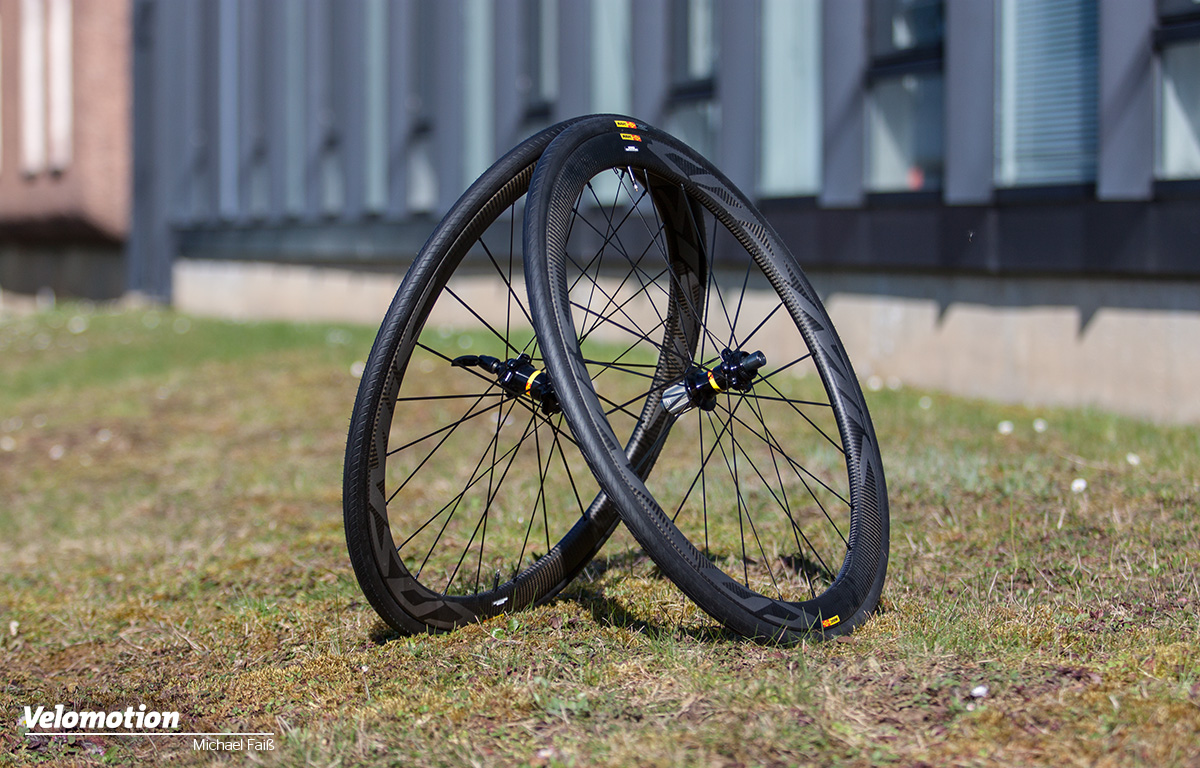
Markt: Am vergangenen Wochenende präsentierte Mavic in Frankreich die zweite Generation ihrer Clincher Carbonlaufräder. Geringeres Gewicht, längere Haltbarkeit und bessere Bremsperformance verspricht der französische Hersteller. Wir konnten uns vor Ort überzeugen, dass diese Versprechen nicht nur heiße Luft sind, sondern Mavic einen enormen Sprung im Bereich der Carbonlaufräder gemacht hat.
Die zweite Generation von Carbonlaufrädern kündigte man zu Beginn der Präsentation im Mavic Design-Center im französischen Annecy an – und versprach damit nicht zu viel. Das Herzstück dieser zweiten Generation sind komplett neu konzipierte Felgen, die ihre Stärken vor allem als Clincher-Version ausspielen. Doch natürlich werden die neuen Mavic Cosmic Pro Carbon SL und Mavic Ksyrium Pro Carbon SL auch für Schlauchreifen und im übrigen auch für Scheibenbremsen erhältlich sein.
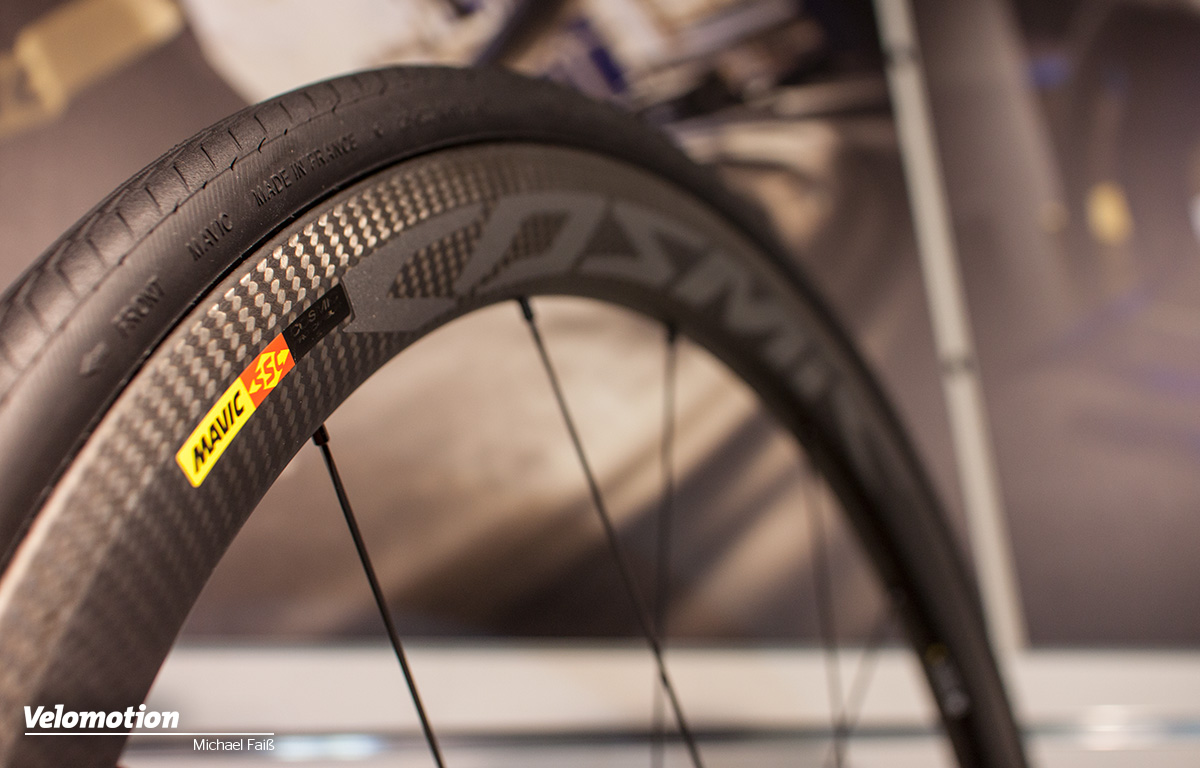
Aus TgMax wird iTgMax – Mavic verabschiedet sich vom Alu-Insert
Eine Besonderheit der bisherigen Carbon Clincher Felgen von Mavic war die sogenannte TgMax-Technologie, einer Verstärkungsrippe aus Aluminium im Felgenbett. Diese erfüllte gleich mehrere Zwecke, die für eine gute Performance und hohe Zuverlässigkeit entscheidend waren: Zum einen sorgte sie für eine optimale Hitzeverteilung der Bremsabwärme und zum anderen ließ es das Produktionsmaterial Aluminium zu, das Felgenbett und vor allem das Felgenhorn präzise und mit nur minimalsten Schwankungen herzustellen – so konnte man den sicheren Sitz jedes Reifens gewährleisten.
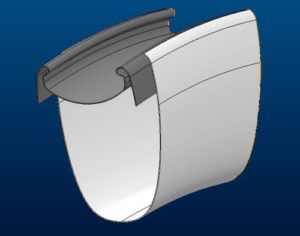 Wieso also nun die Abkehr von TgMax? Nun, Abkehr ist wohl das falsche Wort, Evolution trifft es eher. Bei den neuen Clincherfelgen kommt mit iTgMax gewissermaßen die Nachfolgetechnologie zum Einsatz, bei der auf die Aluminiumrippe verzichtet werden konnte. Stattdessen bestehen die neuen Felgen komplett aus Carbon, bei geringerem Gewicht, besserer Bremsperformance und höherer Stabilität. Um dieses Kunststück zu vollbringen, zerbrachen sich die Ingenieure im Mavic Design-Center in Annecy viele hundert Stunden ihre Köpfe. Die vielleicht größte Herausforderung war die Konstruktion des Felgenbetts und des Felgenhorns. Letzteres muss Kräfte aus drei unterschiedlichen Richtungen aufnehmen können: Von den Bremsen seitlich, vom Straßenuntergrund senkrecht und vom Reifendruck von Innen. Zusätzlich legte man bei Mavic allergrößten Wert darauf, die Vorgaben für die Felgenmaße von ISO und ETRTO peinlichst genau einzuhalten. Nur dann lässt sich sicherstellen, dass jeder Reifen einen festen Sitz auf der Felge hat und auch in Extremsituationen nicht herunterspringen kann.
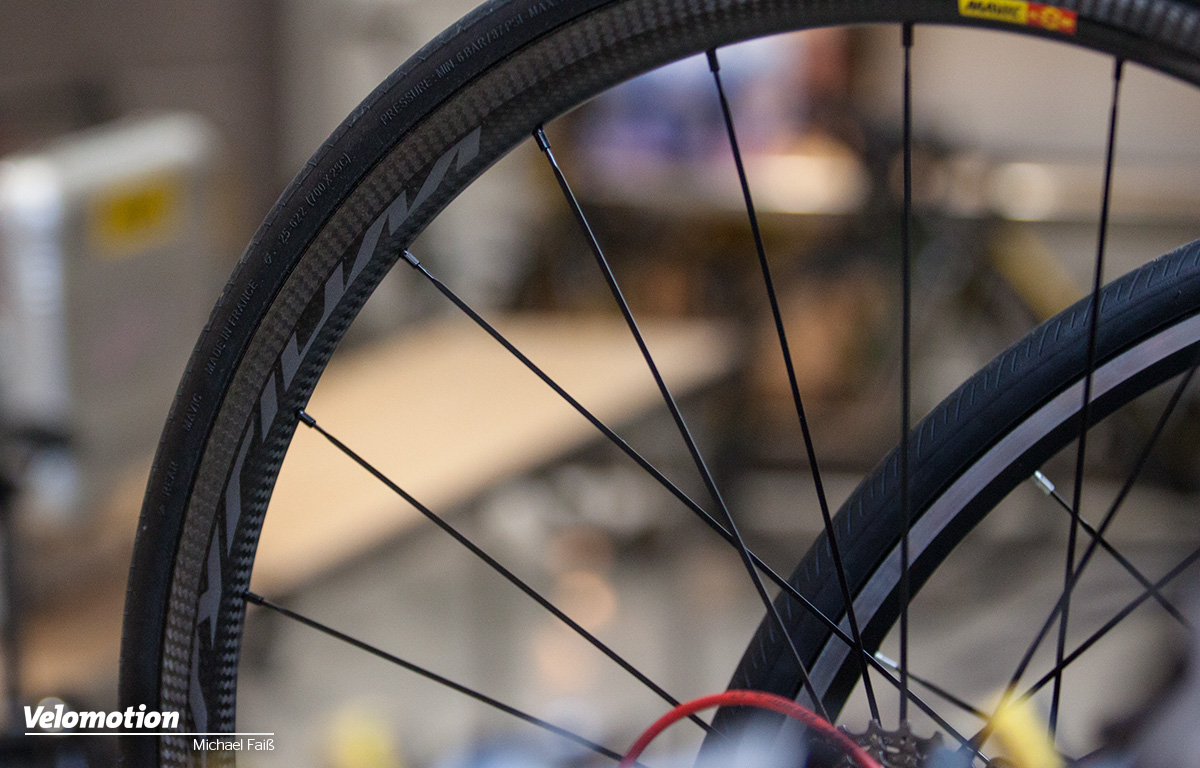
Der eine oder andere mag sich nun sicherlich fragen, was daran so besonders ist – schließlich gibt es Carbon Clincher schon seit einigen Jahren von unterschiedlichen Herstellern am Markt. Während diese jedoch in den allermeisten Fällen entweder Kompromisse bei der Einhaltung der ISO Normen für die Felgenmaße machen, oder aber diese durch das nachträgliche Zurechtschneiden des Felgenbetts erreichen, hat man bei Mavic ein Produktionsverfahren entwickelt, bei dem die Felge quasi ‚fertig‘ aus dem Ofen kommt und dennoch alle Normen eingehalten werden. Die Carbonfasern bleiben allesamt intakt, was die Stabilität und Haltbarkeit der Felge enorm verbessert.
Neue Felgenform: Breiter und aerodynamischer
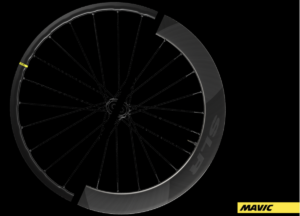
Bisher haben wir fast nur über das Felgenbett gesprochen, doch auch die Felge selbst wurde von Grund auf neu konstruiert. Dabei wurde auf zwei Eigenschaften besonderer Wert gelegt: Aerodynamik und Gewicht. Die neuen Cosmic Carbon (40mm Felgenhöhe) bzw. Ksyrium (25mm Felgenhöhe) kommen nun in einer etwas ‚bauchigeren‘ Form, an der lange gefeilt wurde, um das optimale Gleichgewicht zwischen kleinem Roll-/Luftwiderstand und geringer Anfälligkeit für Seitenwind zu erreichen. Auch das Gewicht kann sich sehen lassen: 450g bringt die 40mm Felge der Cosmic Pro Carbon SL auf die Waage und mit 400g gehören die 25mm hohen Felgen des Ksyrium Pro Carbon SL zu den leichtesten momentan erhältlichen Felgen in dieser Klasse.
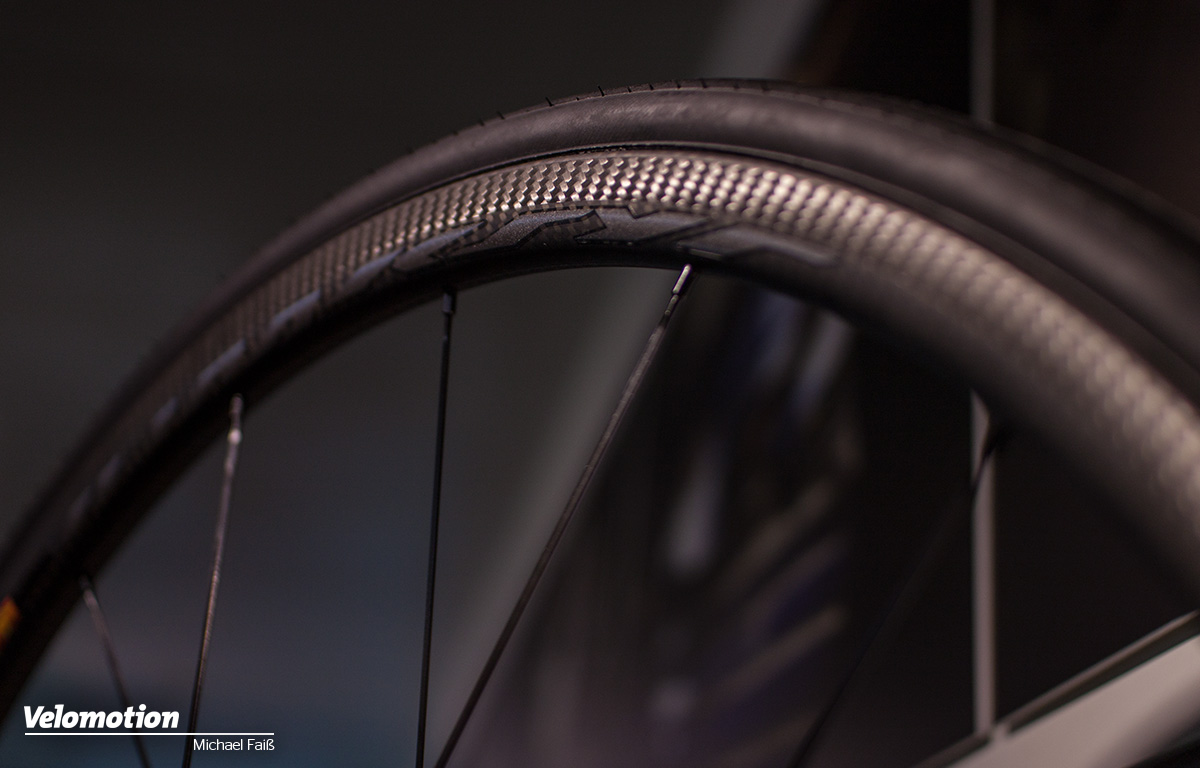
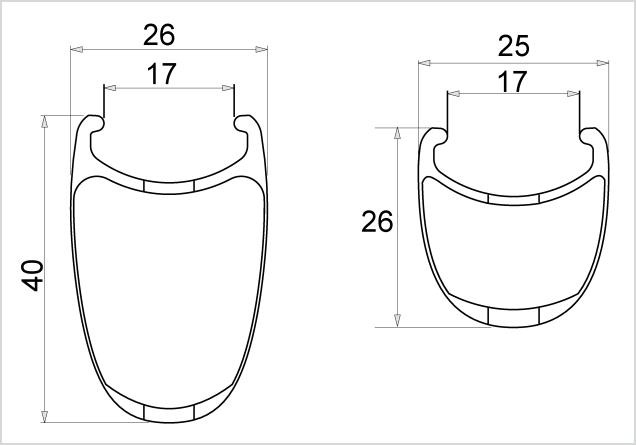 Darüber hinaus sind die neuen Felgen auch breiter geworden: Satte 17mm Innenbreite bieten die neuen Mavic Cosmic Pro Carbon SL C bzw. die neuen Mavic Ksyrium Pro Carbon SL C. Auch hier orientierte man sich bei der Konstruktion an den bestehenden ETRTO-Normen: 17mm ist die kleinste Innenweite, bei der sich 25mm Reifen noch innerhalb der Spezifikationen bewegen. 23mm Reifen sind hingegen bereits zu schmal.
Etwas schade finden wir, dass auch die neuen Felgen nicht Tubeless-kompatibel sein werden. Auch wenn Tubeless im Straßenbereich noch eine Randerscheinung ist, dürfte sich in diesem Bereich in Zukunft einiges bewegen.
Überlegene Bremsperformance und extrem hohe Hitzebeständigkeit
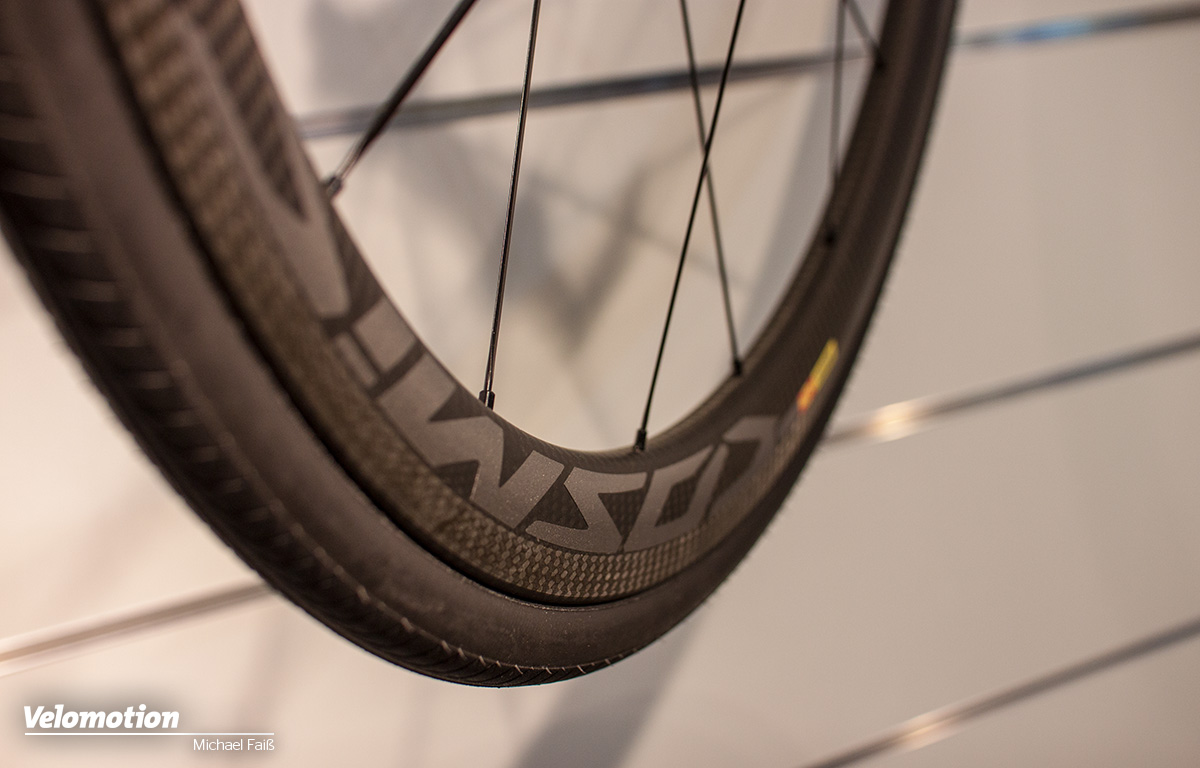
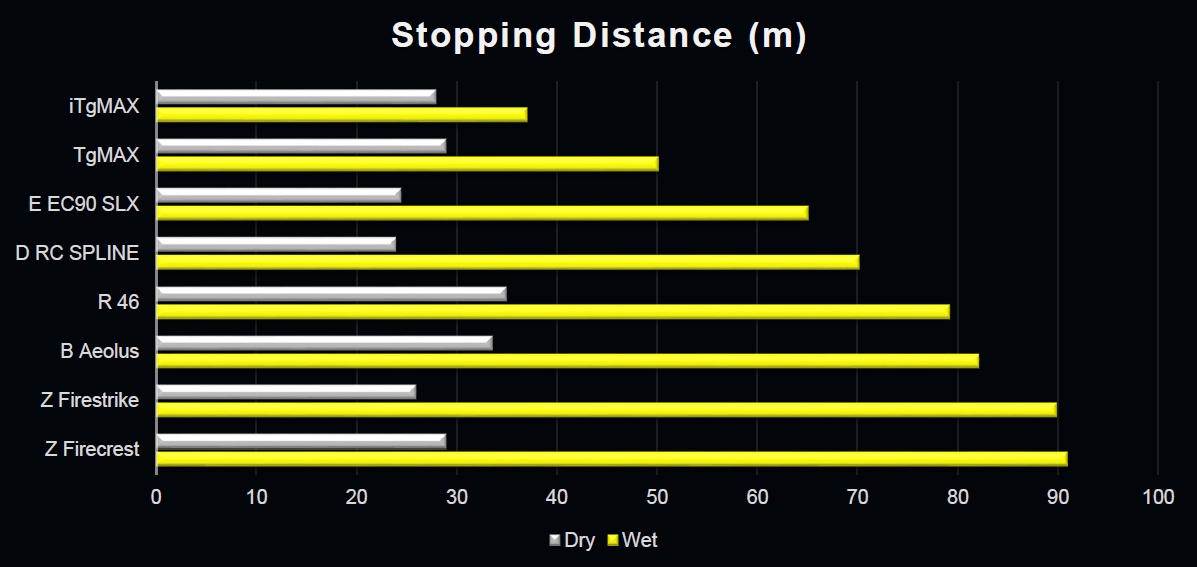
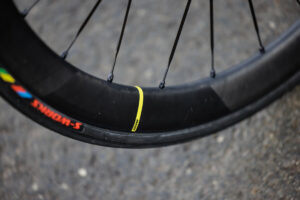
Ganz besonders Stolz ist man bei Mavic auf die Bremsperformance der neuen Felgen. Das Geheimnis liegt in den Bremsflanken, die in einem der letzten Arbeitsschritte mit einem Laser bearbeitet werden. Dieser verbrennt die für die Stabilität unerhebliche, äußerste Carbonlage und schafft nicht nur eine extrem gleichmäßige sondern von ihren Bremseigenschaften deutlich geeignetere Bremsfläche. Damit verkürzt sich nicht nur der ohnehin schon sehr gute Bremsweg der Vorgängerfelgen weiter, sondern vor allem nähern sich die Bremswege in nassen und trockenen Bedingungen an. So kommt man dem ultimativen Ziel, nämlich gleichbleibendem Bremsverhalten ungeachtet der äußeren Bedingungen ein gutes Stück näher.
Jeder Radfahrer weiß: Beim Bremsen entsteht Hitze – diese Hitze stellt gerade im Bereich der Carbonfelgen ein elementares Problem dar. Denn die meisten Fasern beginnen bei Temperaturen zwischen 180°C und 200°C zu delaminieren – auf gut Deutsch: Die Felge löst sich auf und wir instabil. Spezielle Produktionsprozesse konnten diesen kritischen Punkt bei den neuen Mavic Felgen in den Bereich über 200°C verschieben – laut dem französischen Hersteller treten derartige Temperaturen im Praxiseinsatz selbst bei extrem langen Schleifbremsungen nicht auf.
Übrigens: Die Prototypen der Felgen werden bei Mavic nicht nur im Testlabor auf ihre Performance und Haltbarkeit geprüft, sondern auch in der Praxis auf einen harten Prüfstand gestellt: Der „Bremsentestberg“ von Mavic ist der Mont Ventoux. Hier wird mit einem zusätzlich beschwerten Testrad konstantes Bremsschleifen über mehr als 20km bei durchschnittlich 7,5% getestet – Wenn die Felge diese Tortur übersteht, dürfte sie in der Tat wohl kaum kleinzukriegen sein.
Natürlich wird es auch Disc-Versionen der neuen Laufräder geben: Diese unterscheiden sich von ihren Felgenbrems-Pendants nur bei den Bremsflanken und den Naben: Während bei letzteren natürlich Disc-spezifische Modelle zum Einsatz kommen, wird bei den Bremsflanken der Discversionen auf die Spezialbehandlung durch den Laser verzichtet. Apropos Naben: Hier ändert sich bei den neuen Laufrädern im Vergleich zu den Vorgängern nichts und man vertraut weiterhin auf die bewährte 360 Instant Drive Technologie mit geringen Auslösewinkeln und hoher Haltbarkeit.
Die neuen Mavic Laufräder in der Übersicht
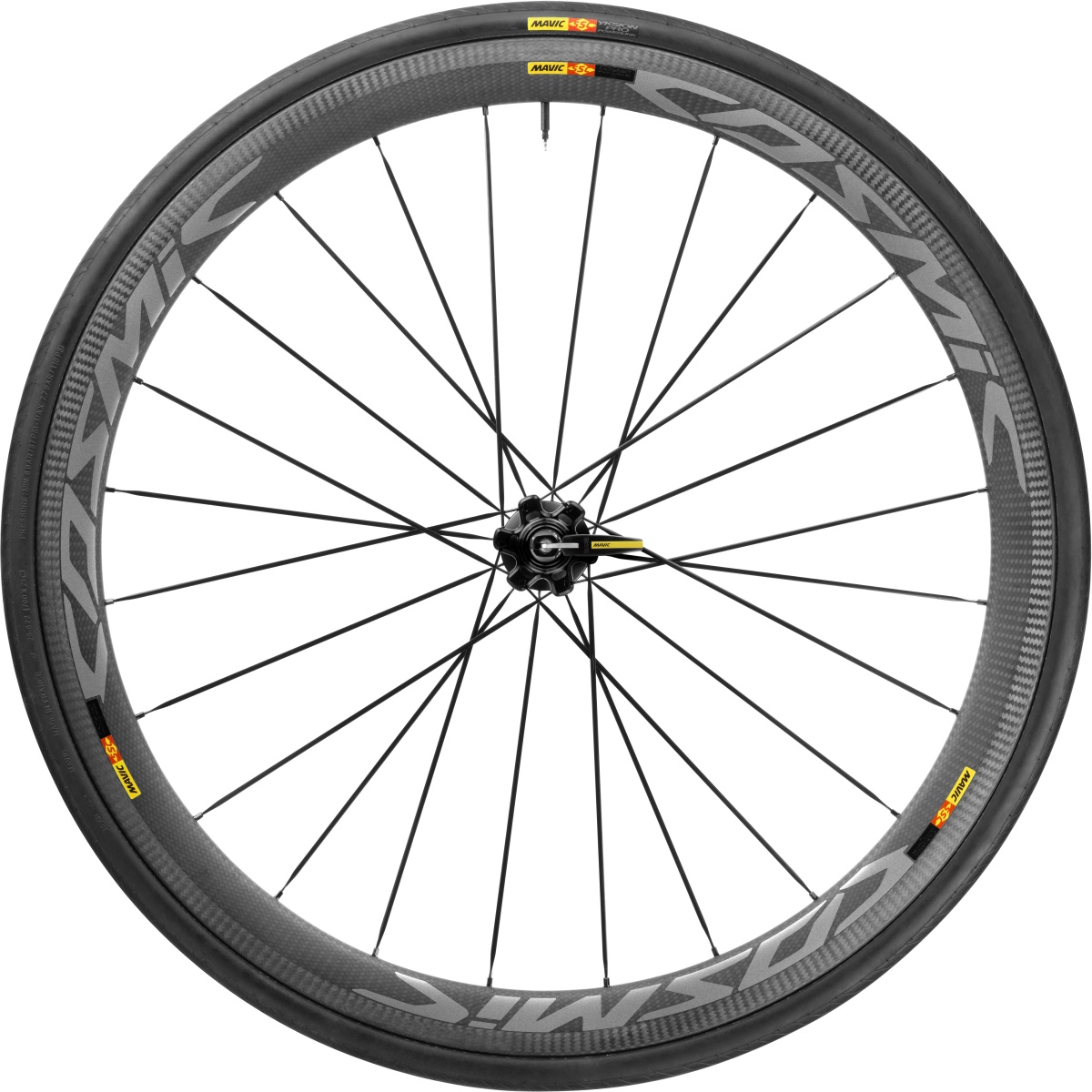
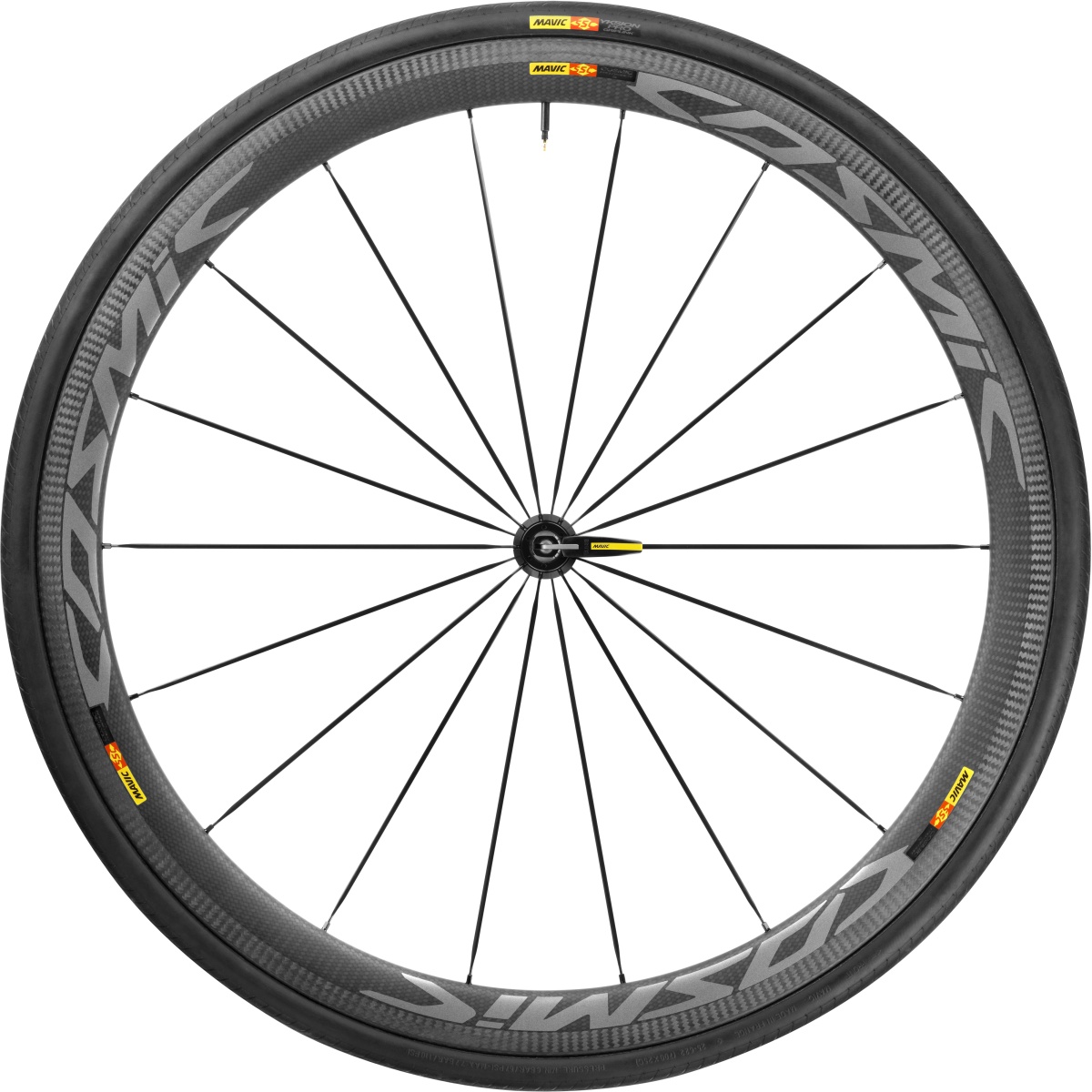
Gewicht (ohne Reifen): 1450g
Felgenhöhe: 40mm
Felgenbreite (innen): 17mm
Zulässiges Gesamtgewicht: 120kg
Preis: 1.990€
Verfügbarkeit: Mai
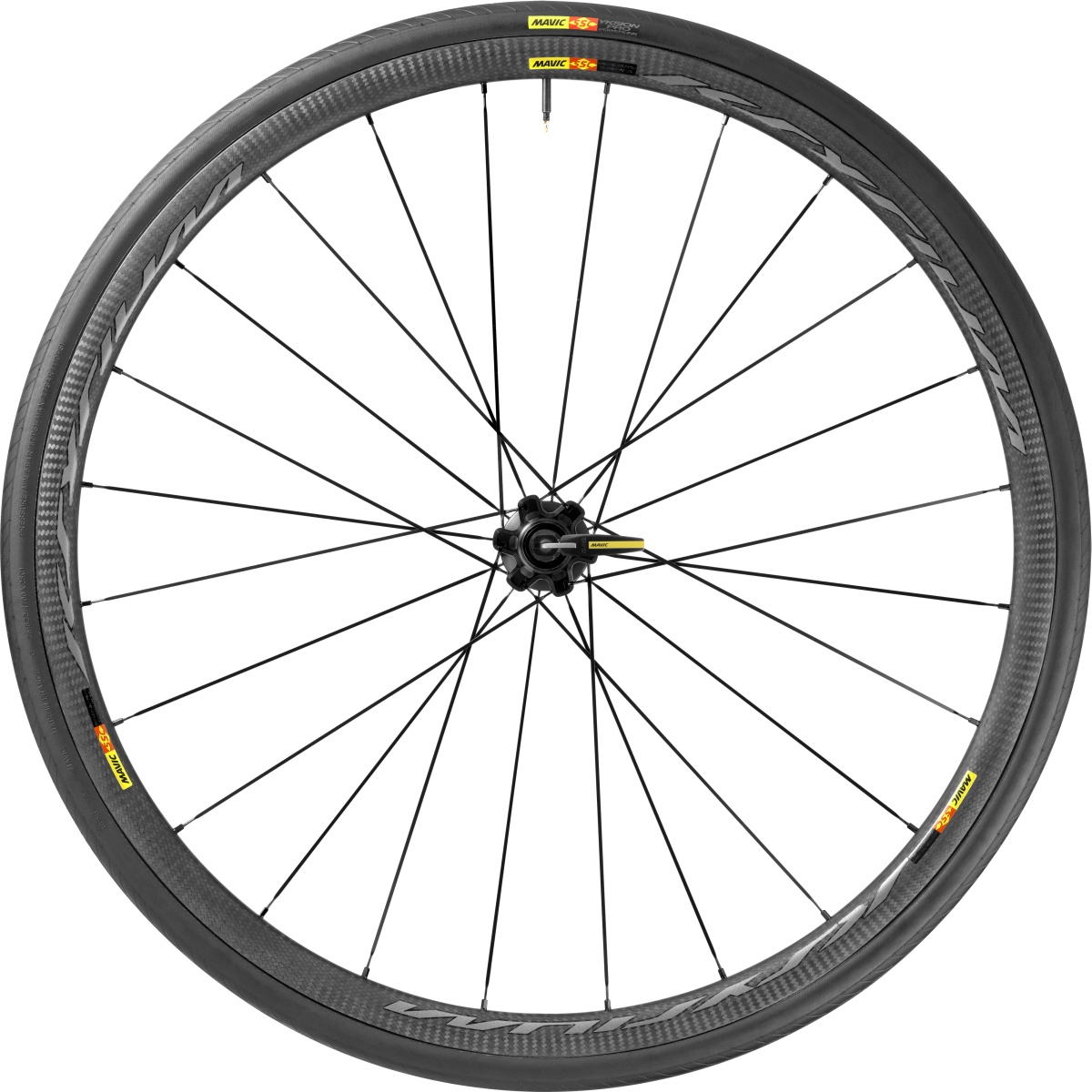
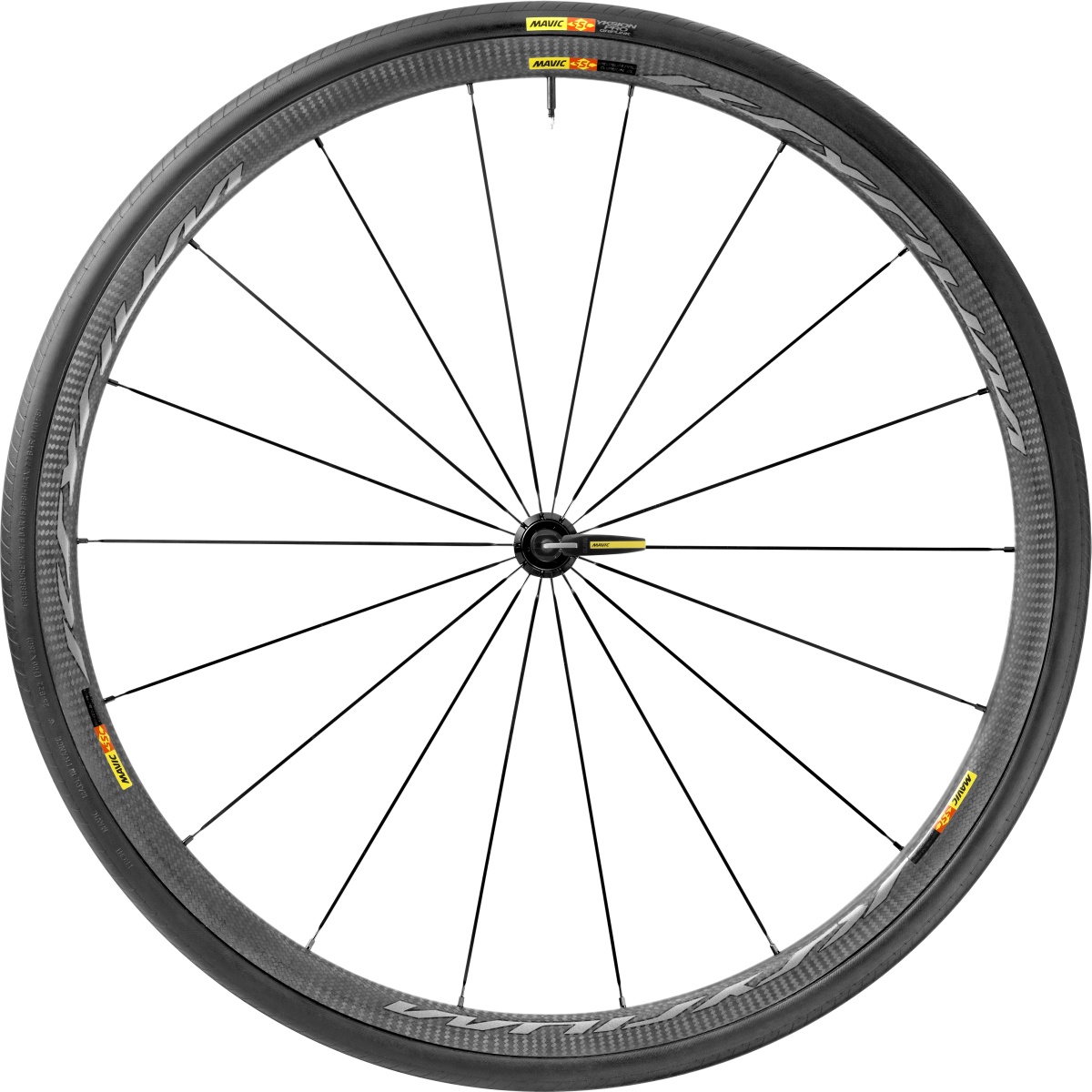
Gewicht (ohne Reifen): 1390g
Felgenhöhe: 25mm
Felgenbreite (innen): 17mm
Zulässiges Gesamtgewicht: 120kg
Preis: 1.990€
Verfügbarkeit: Juni
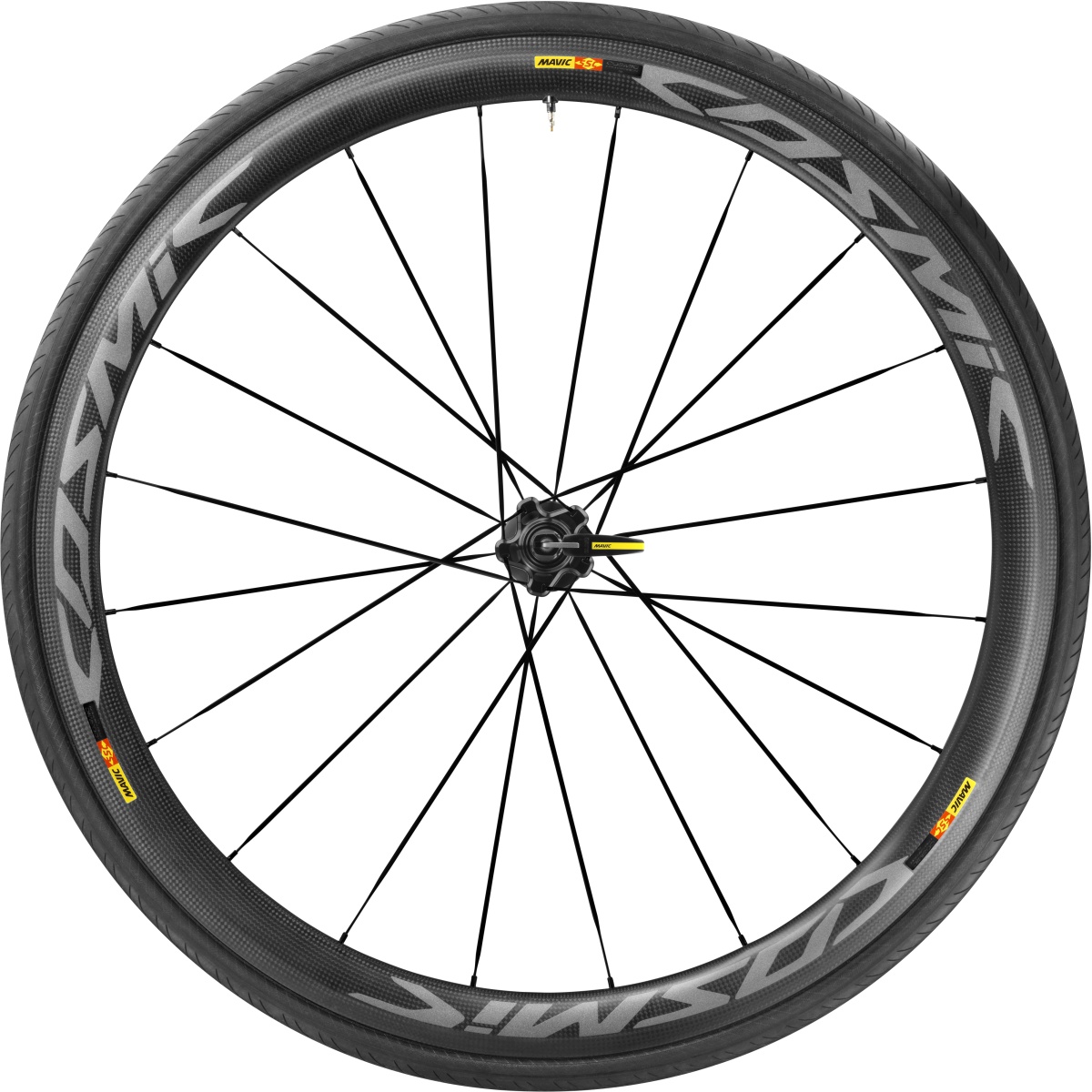
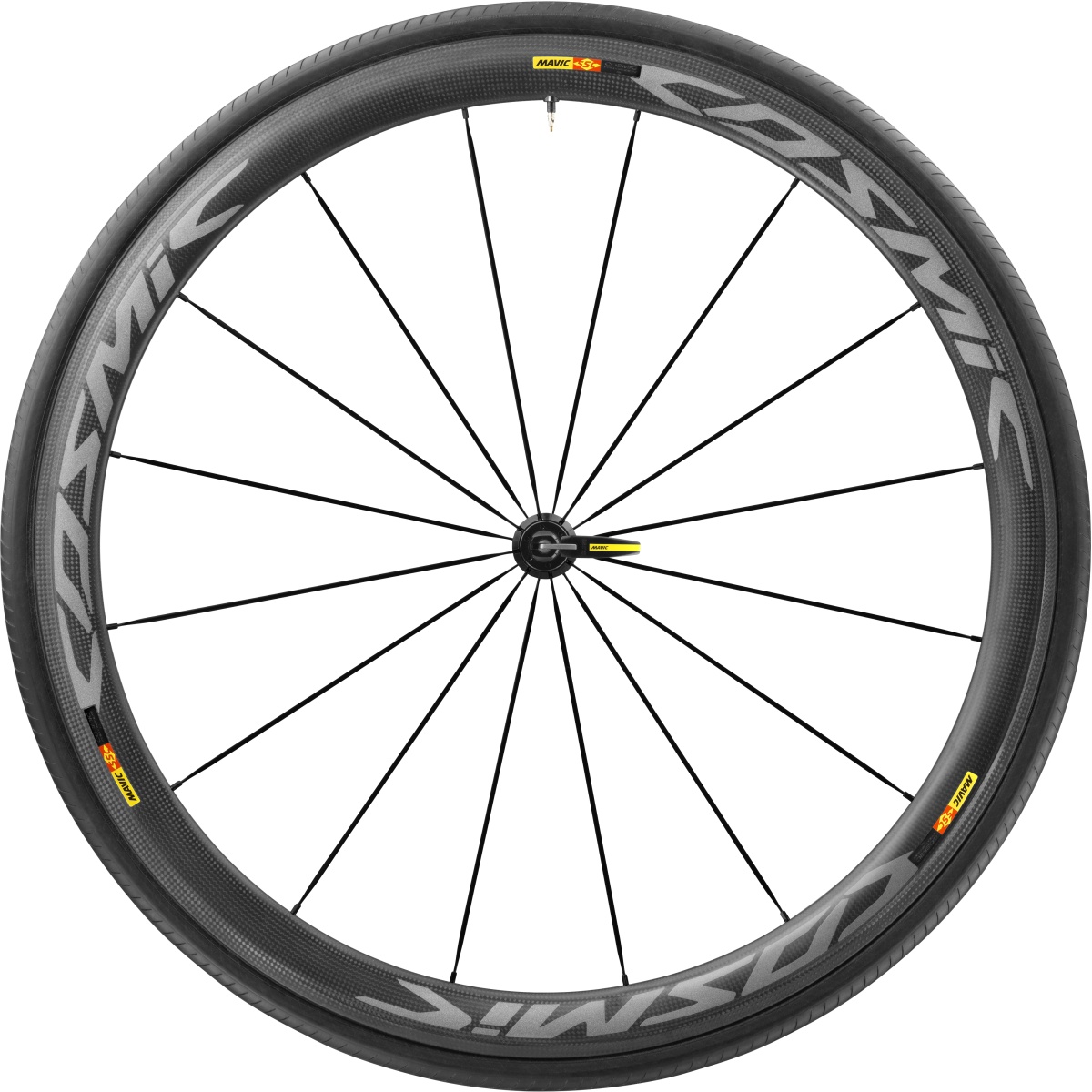
Gewicht (ohne Reifen): 1435g
Felgenhöhe: 40mm
Felgenbreite (innen): 17mm
Zulässiges Gesamtgewicht: 120kg
Preis: 2.100€
Verfügbarkeit: Juli
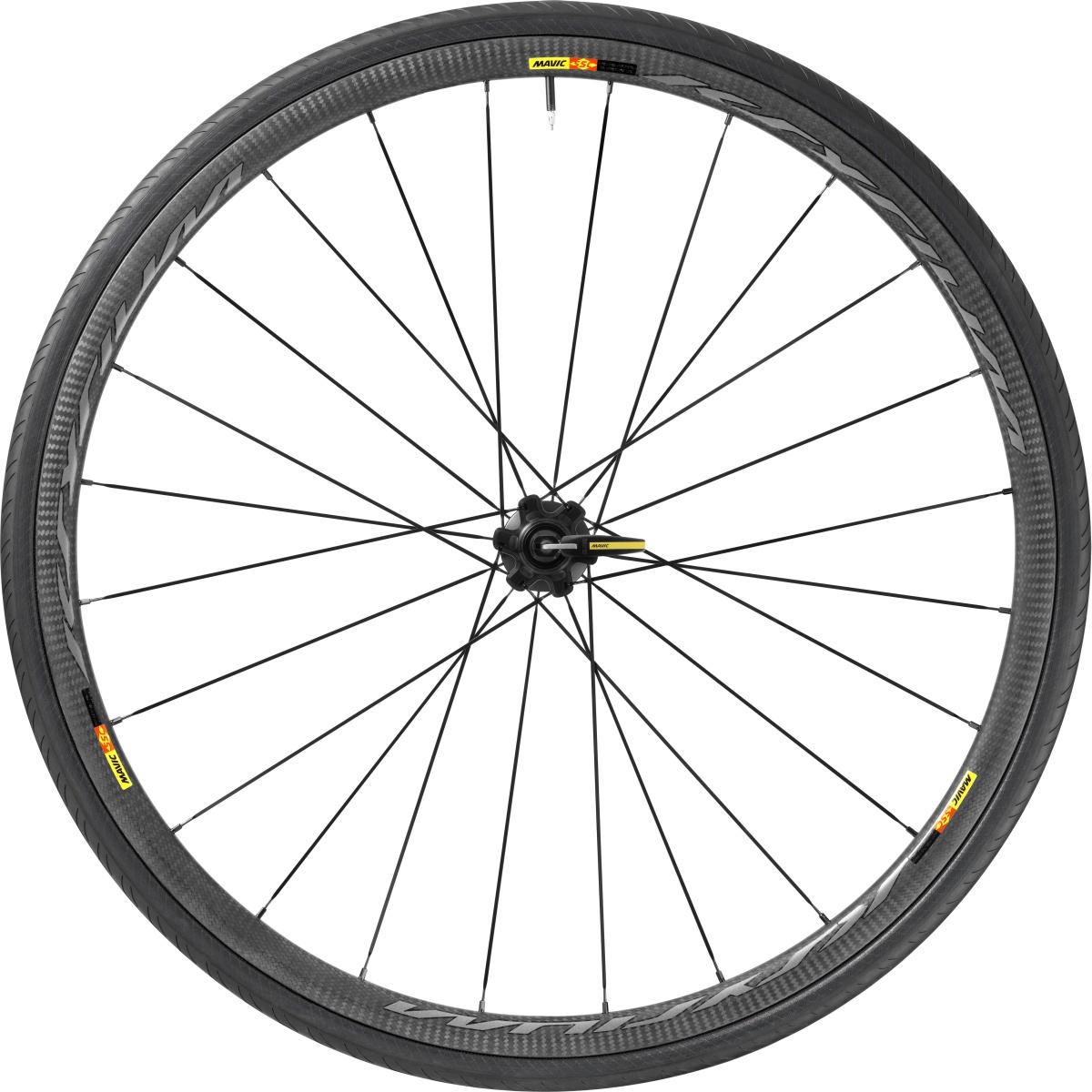
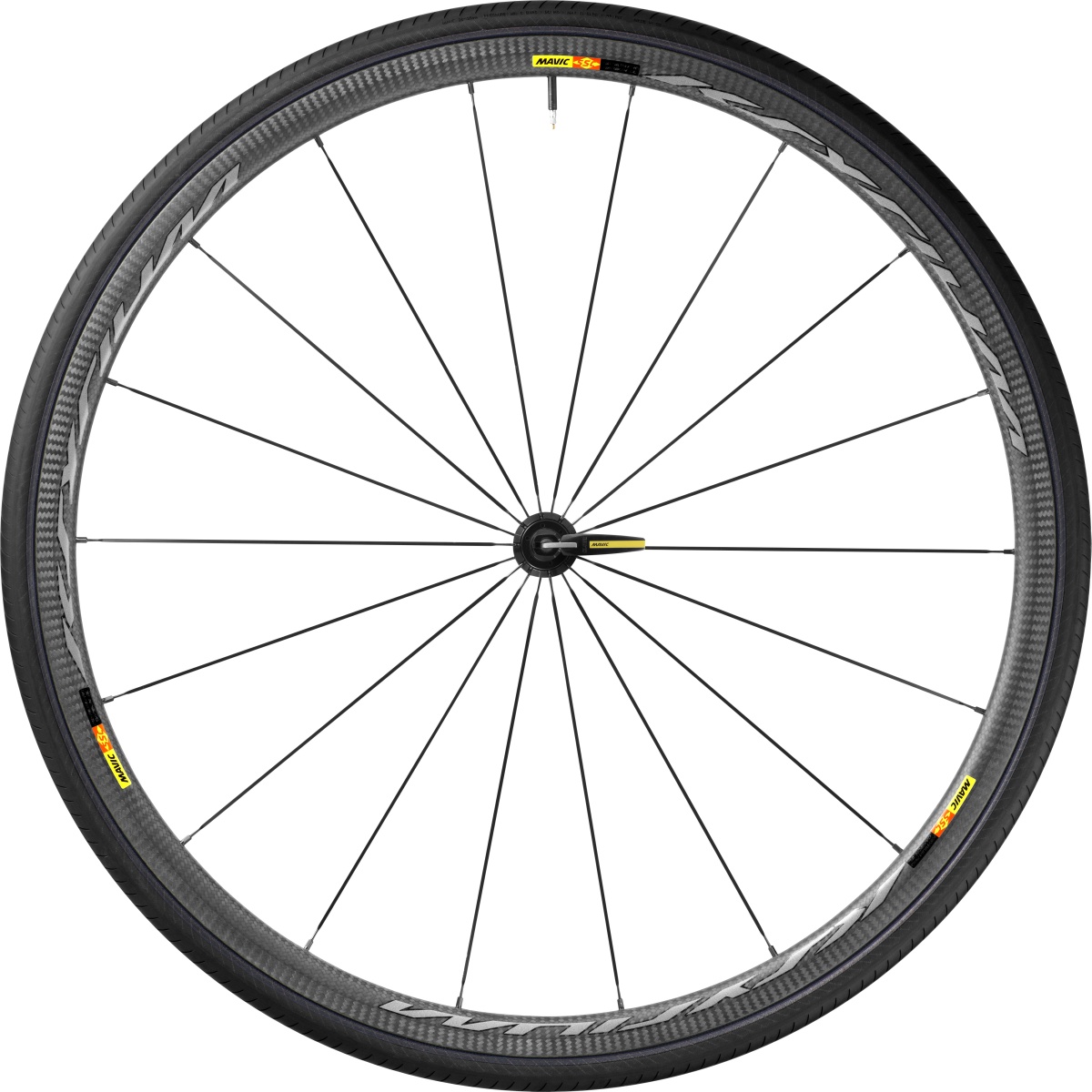
Gewicht (ohne Reifen): 1190g
Felgenhöhe: 25mm
Felgenbreite (innen): 17mm
Zulässiges Gesamtgewicht: 120kg
Preis: 2.100€
Verfügbarkeit: Ab sofort
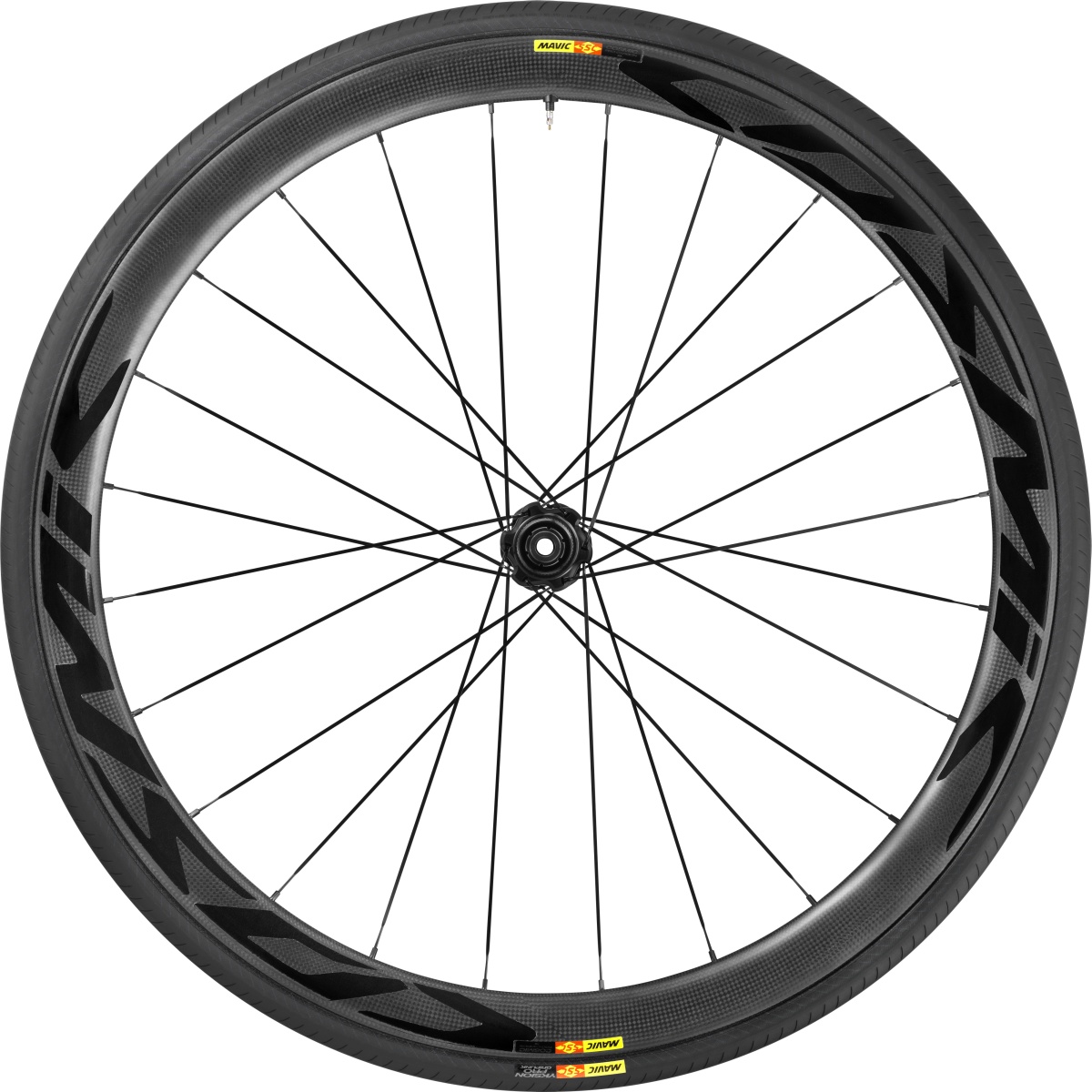
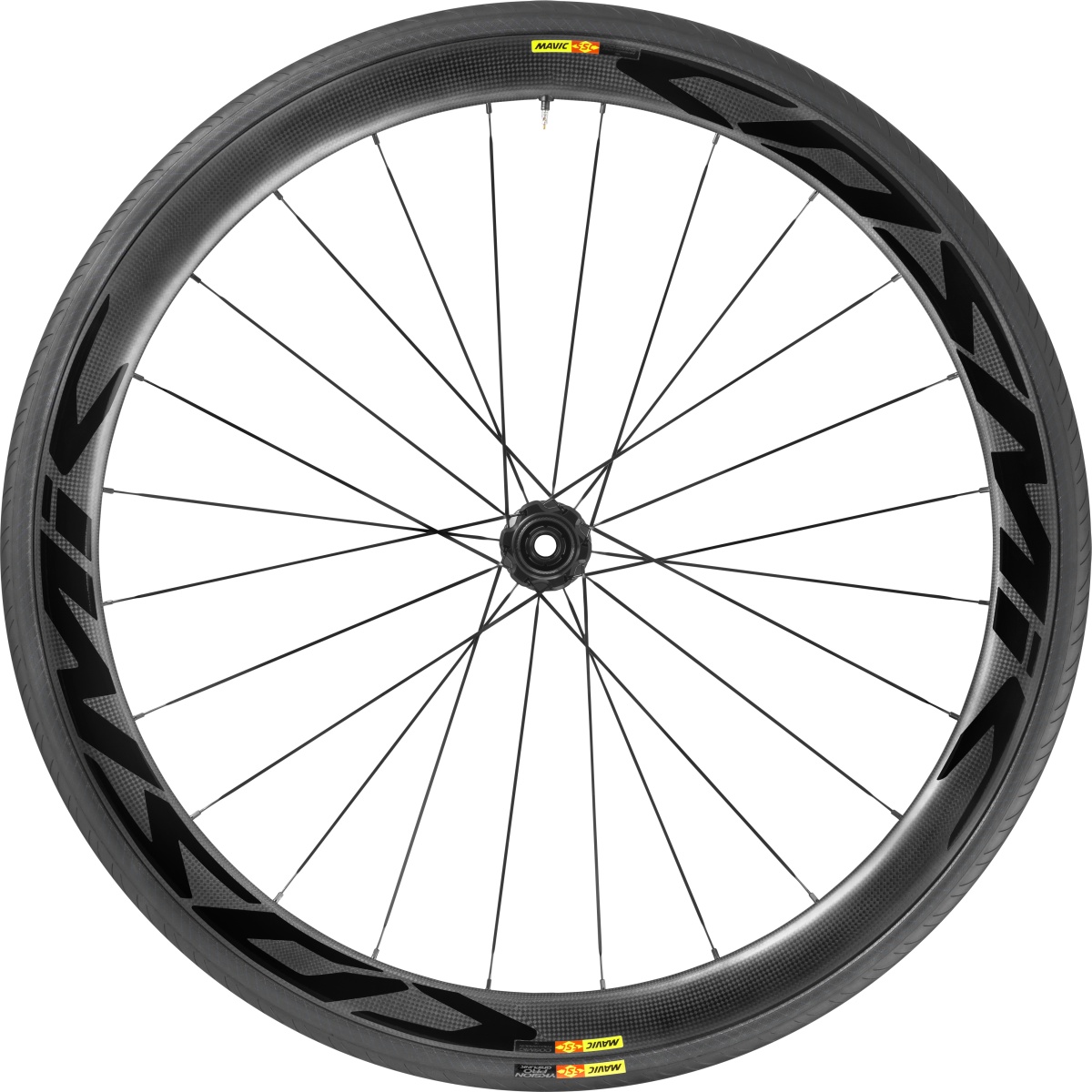
Gewicht (ohne Reifen): 1570g
Felgenhöhe: 40mm
Felgenbreite (innen): 17mm
Zulässiges Gesamtgewicht: 120kg
Preis: 2.100€
Verfügbarkeit: Mai
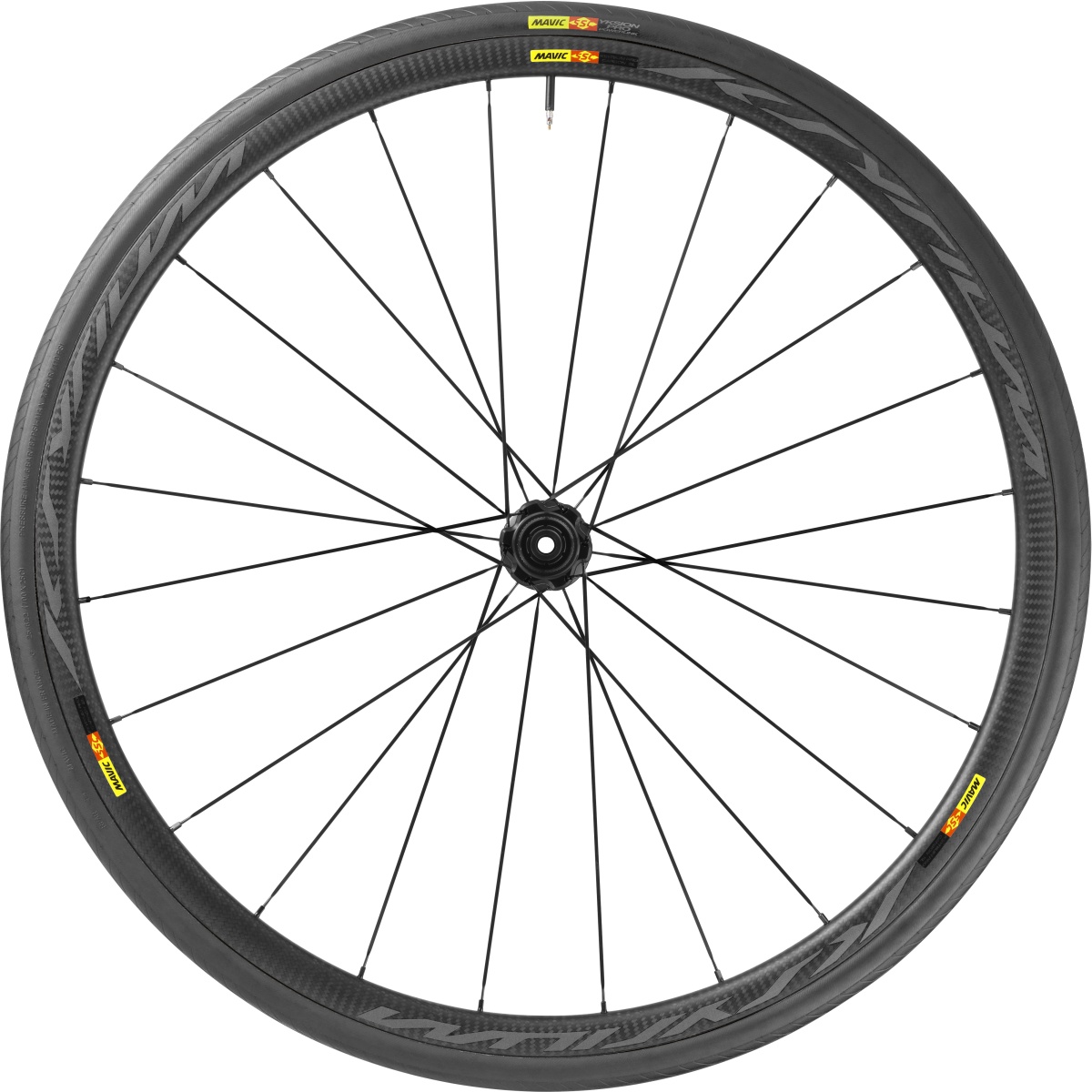
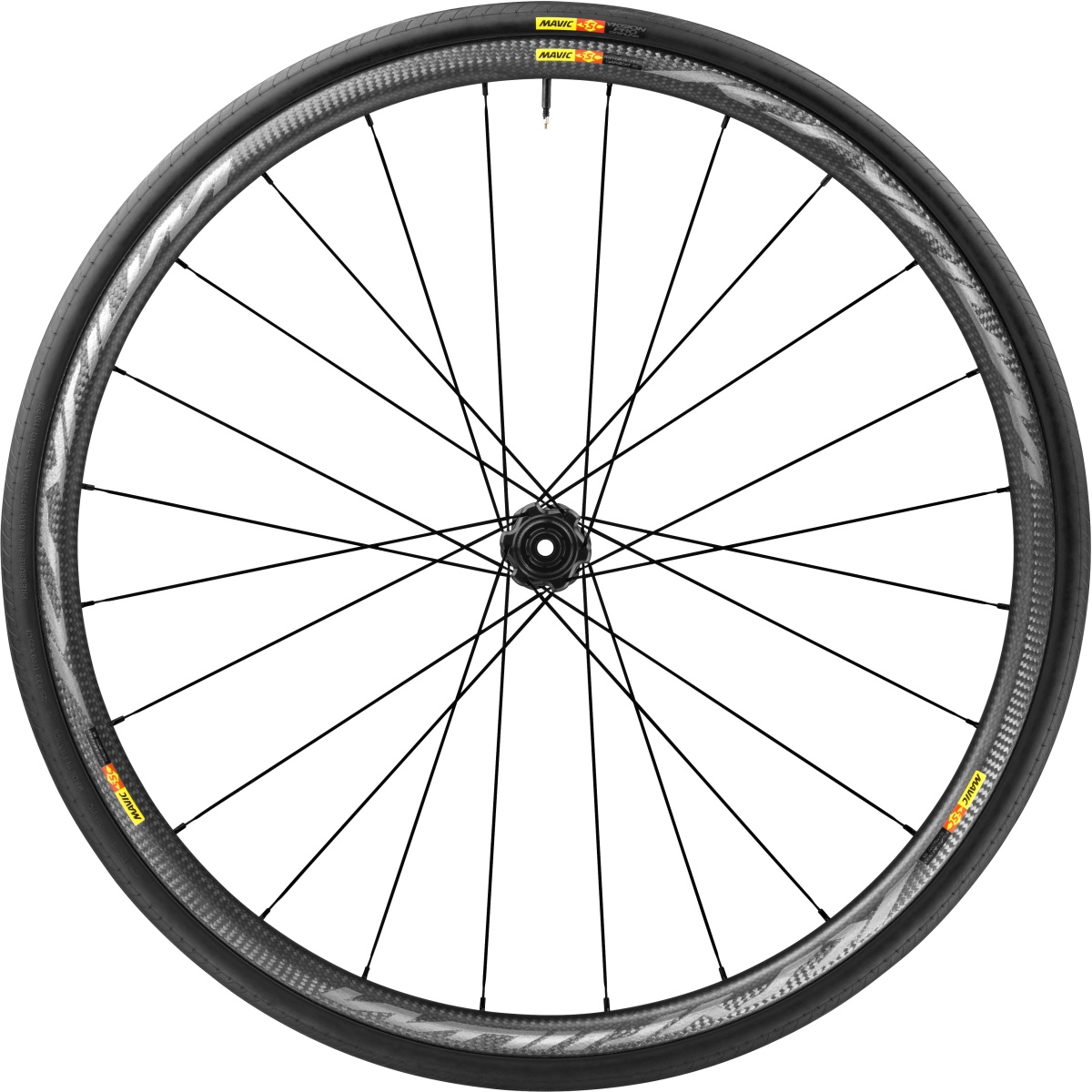
Gewicht (ohne Reifen): 1520g
Felgenhöhe: 25mm
Felgenbreite (innen): 17mm
Zulässiges Gesamtgewicht: 120kg
Preis: 2.100€
Verfügbarkeit: Juni
Gewicht (ohne Reifen): 1565g
Felgenhöhe: 40mm
Felgenbreite (innen): 17mm
Zulässiges Gesamtgewicht: 120kg
Preis: 2.200€
Verfügbarkeit: Ab sofort
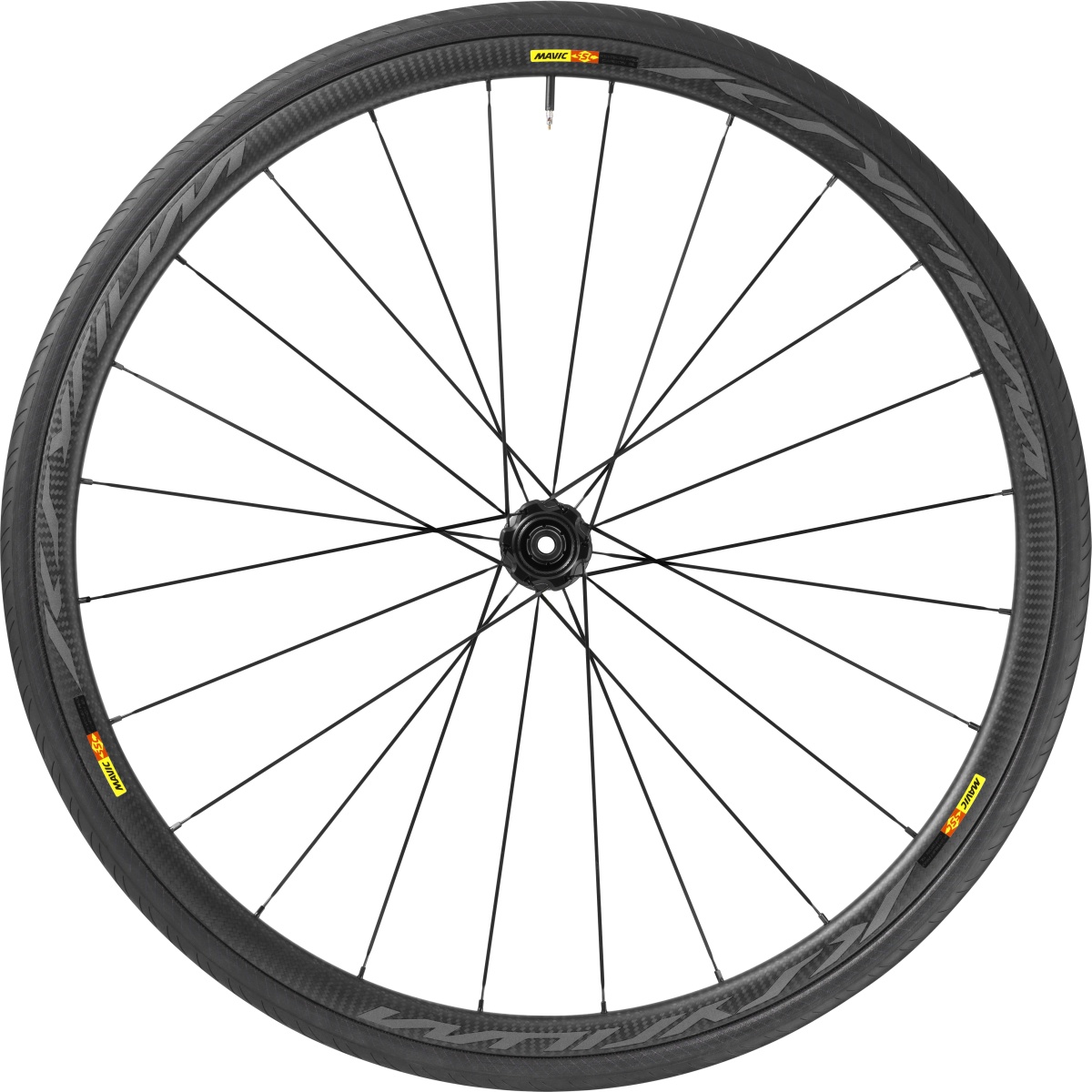
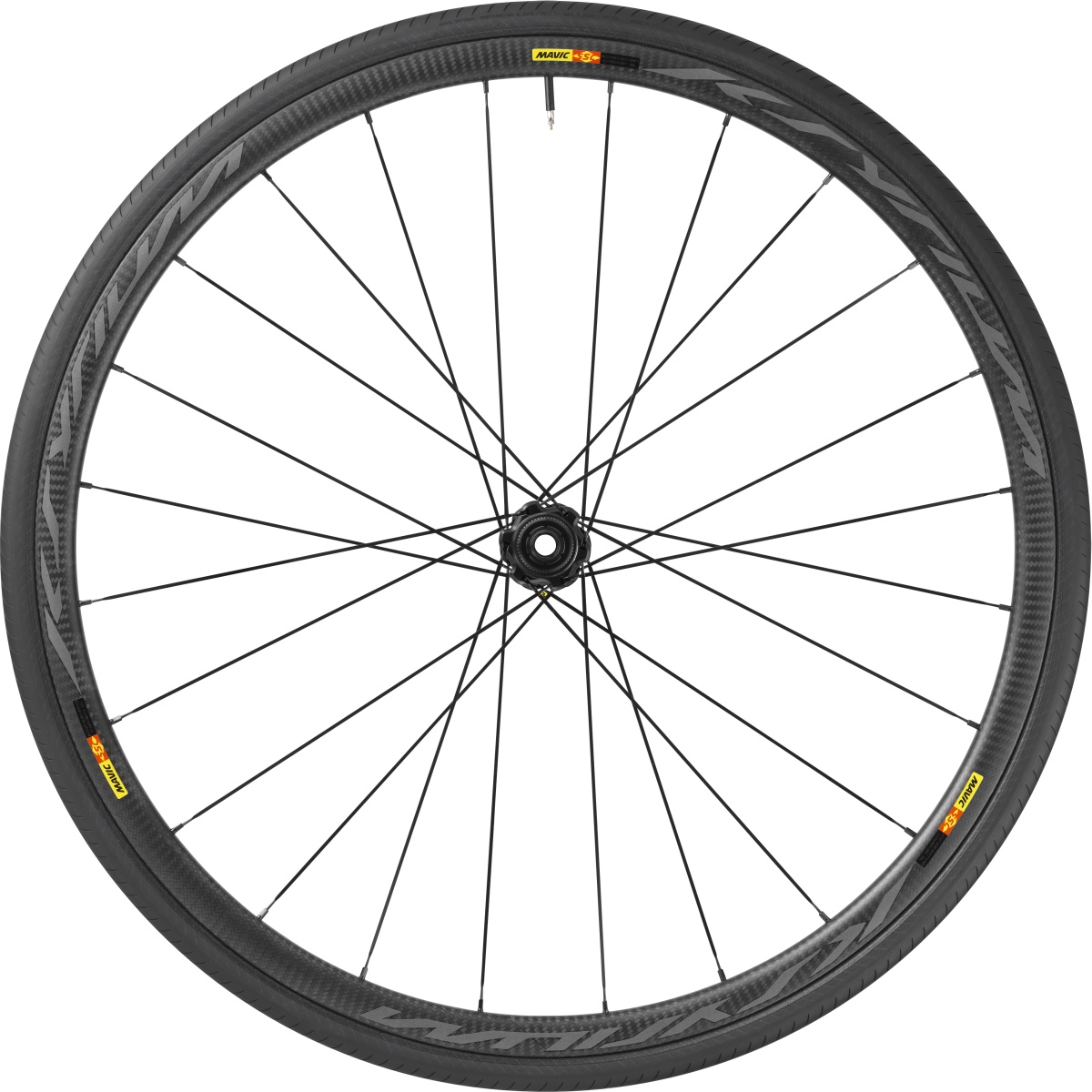
Gewicht (ohne Reifen): 1320g
Felgenhöhe: 25mm
Felgenbreite (innen): 17mm
Zulässiges Gesamtgewicht: 120kg
Preis: 2.200€
Verfügbarkeit: Ab sofort
Mavic „Riding is Believing“ – die neuen Laufräder kostenlos beim Händler testfahren
Mit dem neuen Riding is Believing-Testprogramm möchte man bei Mavic zum einen in den Dialog mit den Kunden und Käufern treten und zum anderen auch deren wertvolles Feedback nutzen, um in Zukunft auf diese Wünsche eingehen zu können. Die Aktion startet Weltweit am 1. Mai – die teilnehmenden Händler findet ihr auf Mavic.com. Konkret sieht der Ablauf so aus:
- Ihr registriert euch online und bucht eure Wunschlaufräder bei einem Händler eurer Wahl
- Der Händler bereitet die Laufräder für euch vor
- Ihr holt den Laufradsatz ab und testet ihn – kostenlos
- In einem Onlineformular könnt ihr danach Feedback an Mavic schicke

Schreibe einen Kommentar