FOCUS E-Bike Test 2017: So testen wir
FOCUS legt nach. Nach dem E-Bike-Test 2016 haben wir nun 60 Räder getestet. Das ist damit der größte E-Bike-Test Deutschlands! 50 Testkriterien wurden pro E-Bike ermittelt und abgefragt, um so einen aussagekräftigen und belastbaren Überblick über die Qualität der am Markt befindlichen E-Bikes zu gewinnen.
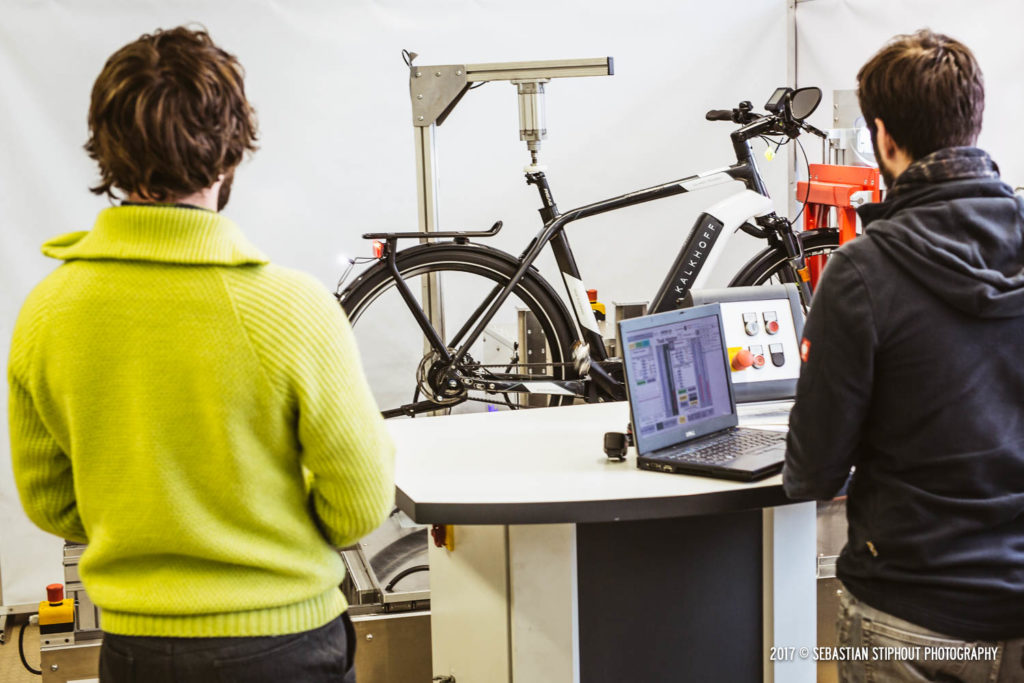
In enger Zusammenarbeit mit dem renommierten Prüflabor Velotech aus Schweinfurt sowie den Fahrrad-Experten von Velomotion.de aus dem Bayerischen Wald wurden in den vergangenen Monaten Tausende von Testdaten erhoben – unter anderem auf dem speziell entwickelten Prüfstand namens „eRig“ – und nach einem neuen, einheitlichen Prüfprogramm bewertet. Anders als 2016 haben wir in diesem Jahr zwei Reichweiten erhoben, um die Laborergebnisse noch alltagstauglicher zu machen. Ermittelt wurde so die Reichweite am Berg bei einem konstant sechs Prozent steilen Anstieg. Diese Reichweite ist verhältnismäßig gering, dafür aussagekräftig. Und ganz ehrlich: Wer fährt mit seinem E-Bike schon 20 Kilometer – am Stück – bergauf? Die zweite Reichweite gilt für die Ebene bei 70 Watt Eigenleistung des Fahrers. Trotz der geringen Leistung lassen sich dauerhaft Geschwindigkeiten nahe der Grenze von 25 Stundenkilometern erreichen. Das Ergebnis: Die neuen E-Bikes kommen mittlerweile auf eine Distanz von 60 bis 120 Kilometern, also mehr als eine ordentliche Tagestour.
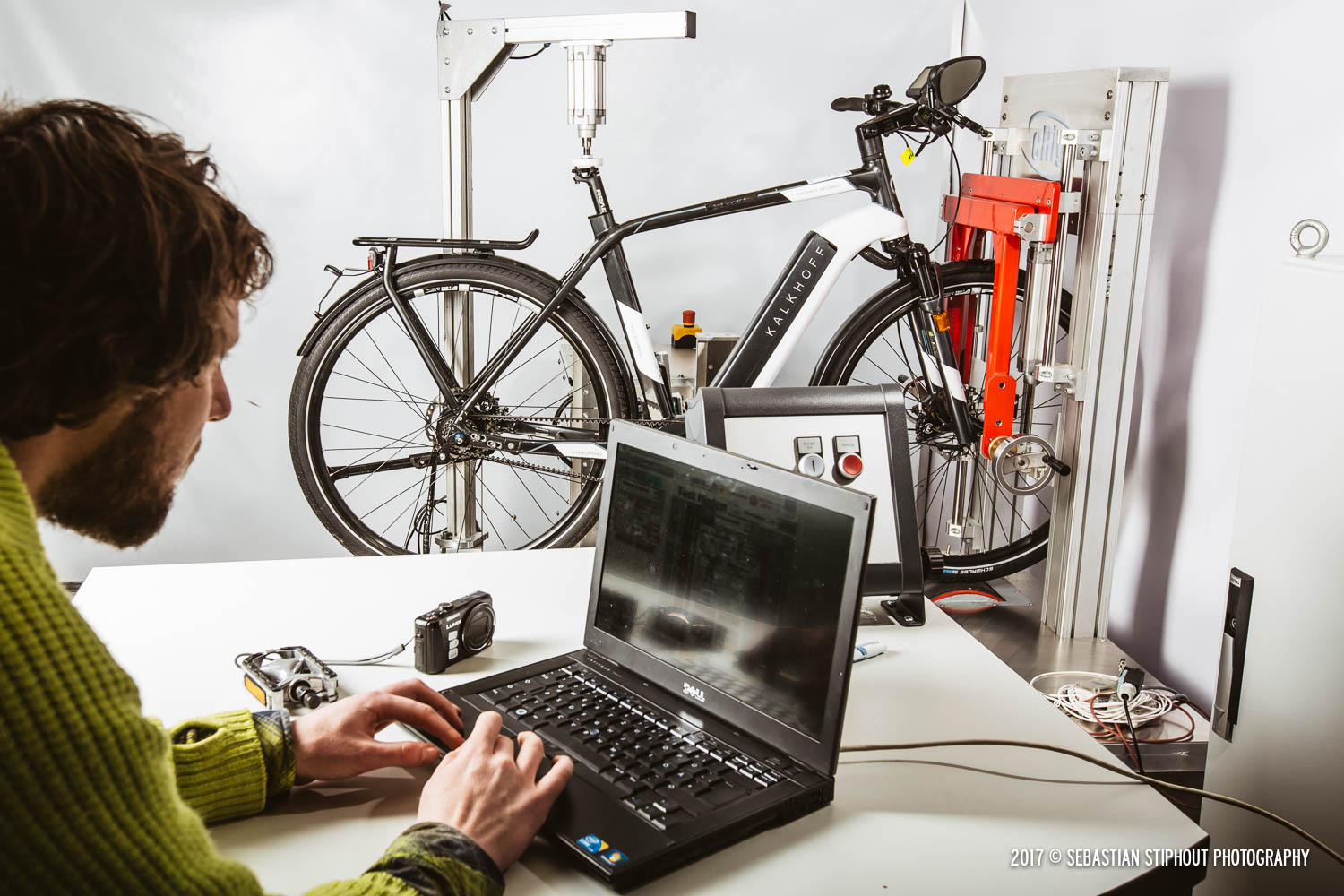
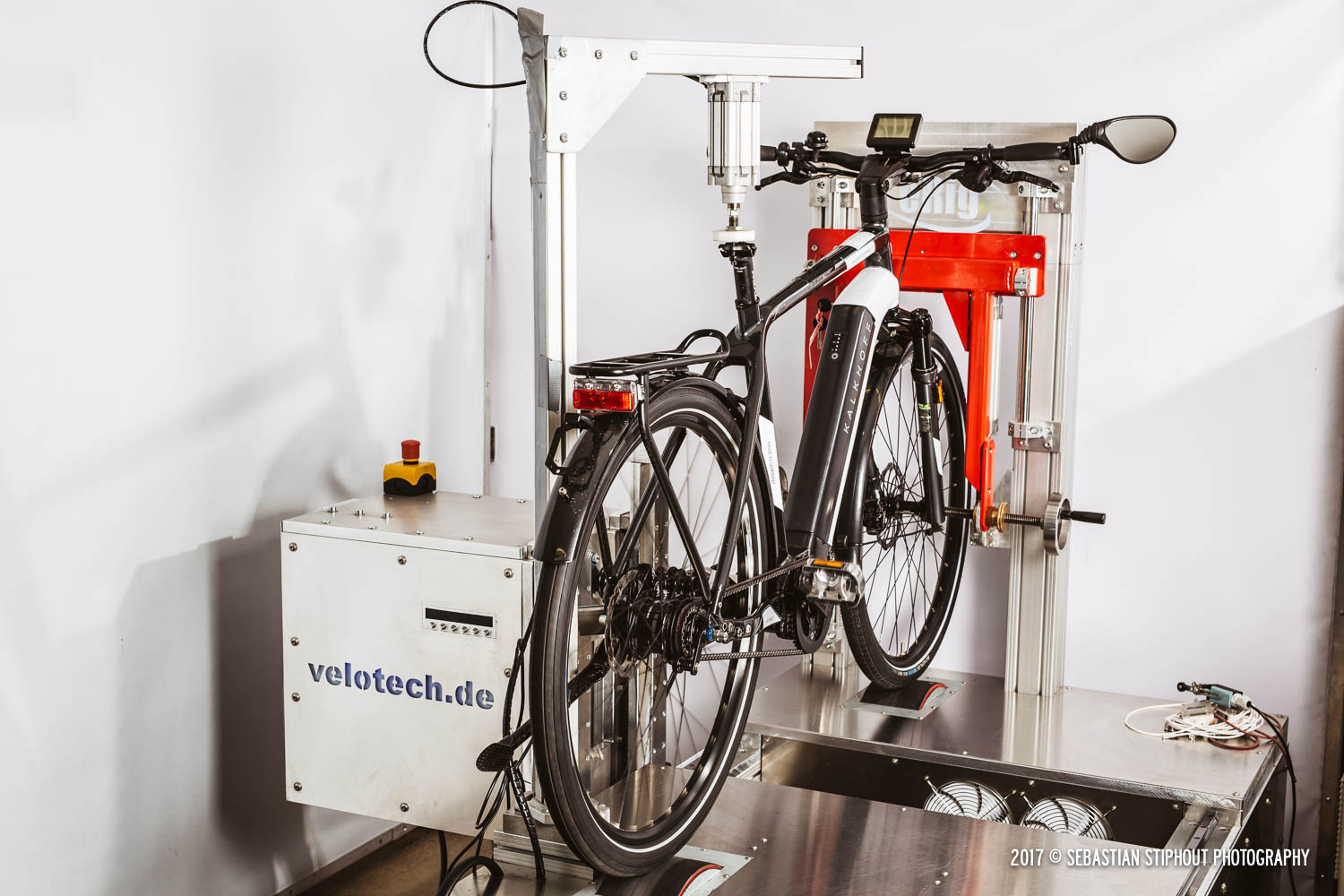
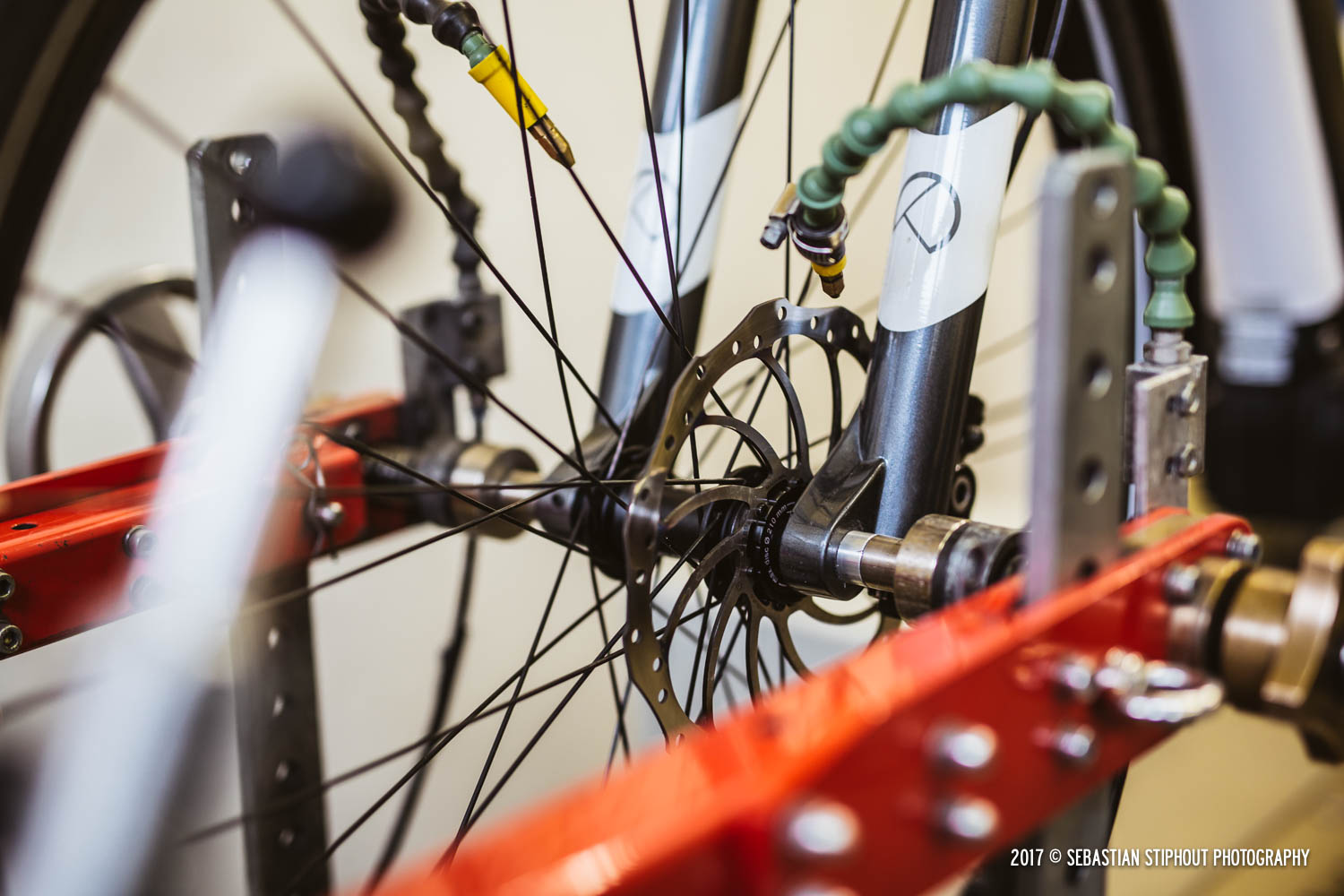
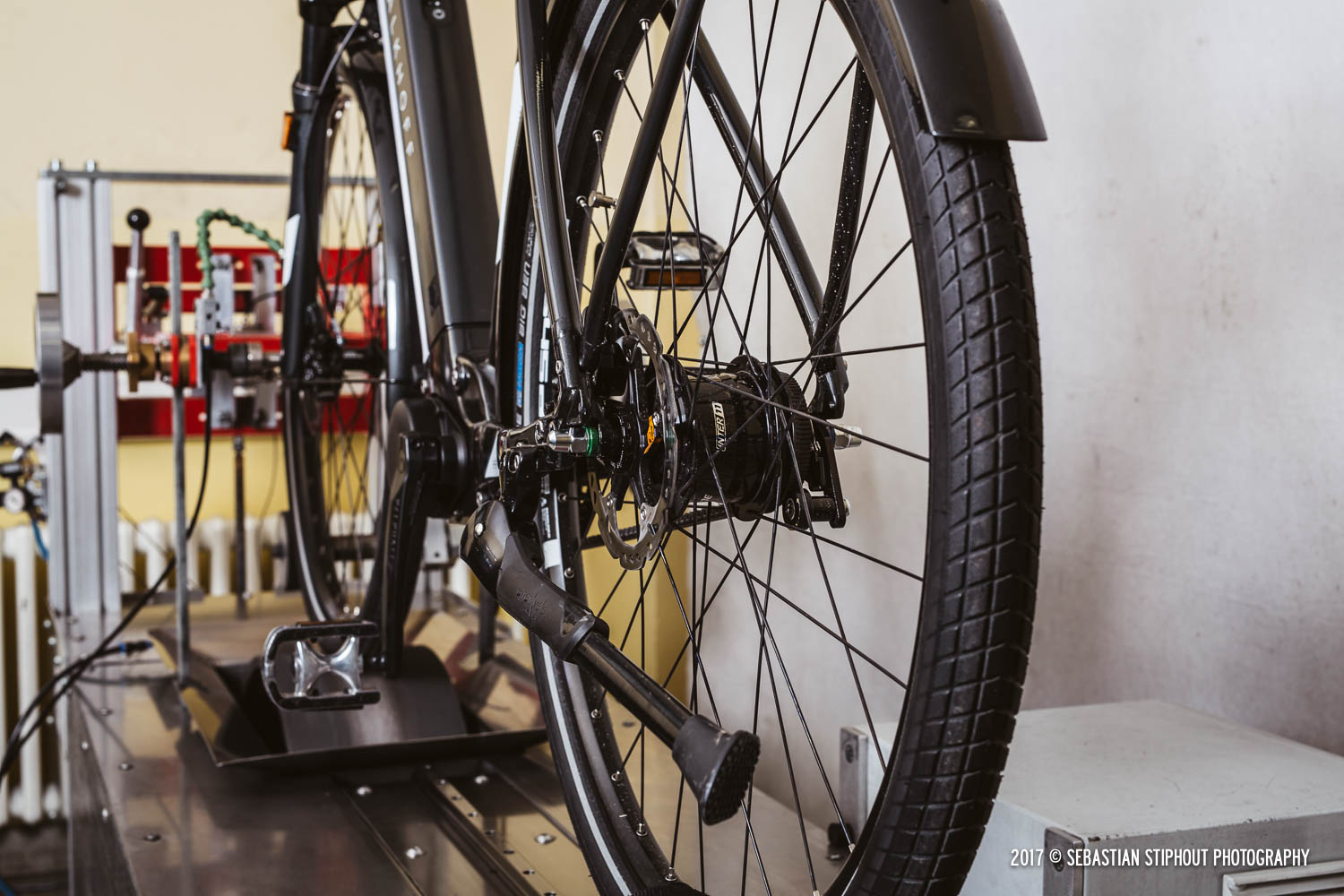
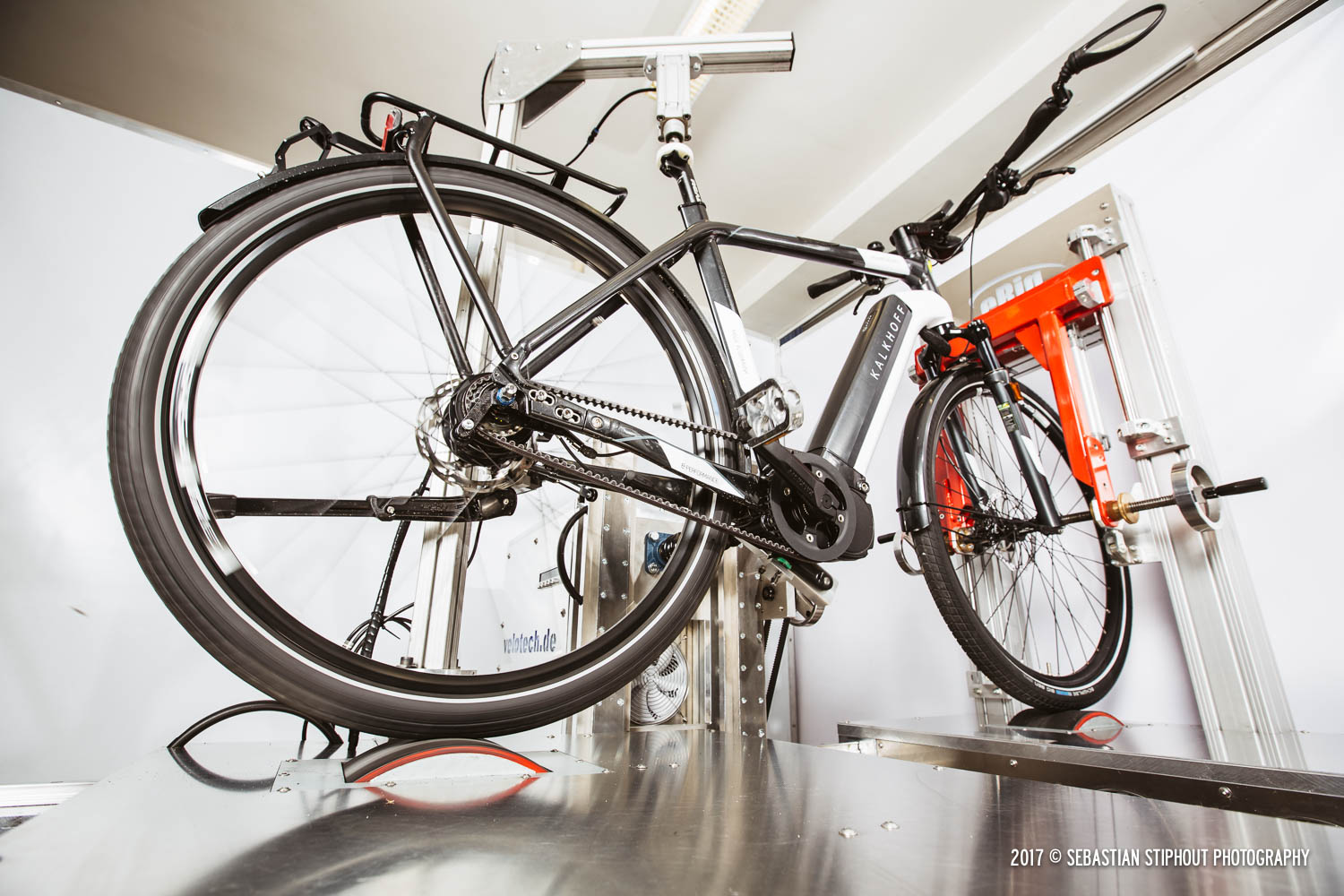
 Der FOCUS E-Bike Test 2017 – Diese Werte aus dem Prüflabor fließen ein
REICHWEITENEFFIZIENZ: Nicht alle Akkus haben die gleiche Kapazität. Klar, mit einem größeren Akku komme ich weiter. Die Effizienz beurteilt rechnerisch die Qualität eines Akkus im Verhältnis des Verbrauchs von Wattstunden pro gefahrenem Kilometer.
MOTORUNTERSTÜTZUNG: Der Unterstützungsfaktor gibt genau an, das Wievielfache der erbrachten Leistung ein E-Bike schafft.
MASSE: E-Bikes sind doch schwer. Wir konnten jedoch feststellen, dass sie gegenüber den Vorjahren deutlich leichter werden.
SYSTEMGEWICHT: Wie schwer dürfen Fahrer und Gepäck sein?
AKKU-LADEZEIT: Bis zu vier Stunden müssen Sie veranschlagen, um einen Akku wieder aufzuladen.
GERÄUSCHPEGEL: E-Bikes mit Heckantrieb sind deutlich leiser als jene mit Mittelmotor. Wir messen mit einem Schallpegelmesser die Lautstärke des Antriebs.
BREMSWIRKUNG: Für Bremsen gilt die ISO-Norm 4210. Das Wichtigste: Alle E-Bikes haben bestanden. Dennoch schwankt die Performance der Bremsen erheblich.
STANDSICHERHEIT: Ein teures E-Bike sollte sicher stehen und nicht vom zartesten Windhauch umgeblasen werden. Wir ermitteln die Zugkraft, die nötig ist, um ein E-Bike (mit und ohne Packtaschen) im Stand aus dem Gleichgewicht zu bringen.
FOCUS E-Bike Test 2017 – Diese Punkte werden im Praxistest ermittelt
FAHRVERHALTEN: Dazu gehören Wendigkeit und Stabilität, Beschleunigung, das Anfahren am Berg oder auch, wie (un-)angenehm sich ein Bike mit ausgeschaltetem Antrieb fahren lässt.
ERGONOMIE: Hier geht es um das Handling des elektronischen Rades, aber auch Aspekte wie die Schiebehilfe, der Ein- und Ausbau des Akkus oder die Verstellbarkeit des Sattels.
SCHALTEN: Alle E-Bikes im Test verfügen über eine Gangschaltung – doch nicht alles, was hier verbaut ist, macht auch zwingend Sinn. Wie präzise ist eine Schaltung, wie einfach lässt sich diese bedienen? Die Velomotion-Experten kennen jedes System und auch seine „Macken“.
BREMSEN: Die brachialste Scheibenbremse macht nicht unbedingt jedes Rad sicherer. Oft ist im Alltag die gut zu dosierende hydraulische Felgenbremse die bessere Wahl – eine Einschätzung, für die die Meinung eines erfahrenen Experten durchaus wichtiger ist als die reinen Laborergebnisse.
DISPLAY: Verschiedene Antriebe, verschiedene Displays und somit unterschiedliche Qualitätsstufen von Ablesbarkeit, Informationsgehalt und Bedienbarkeit. Allein in unserem Test waren 18 Display-Typen zu finden.
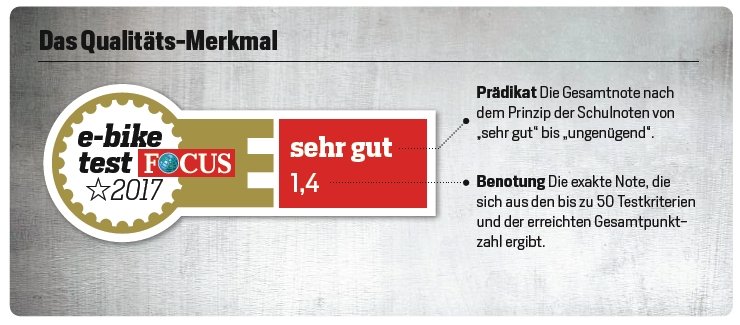
FOCUS E-Bike Test 2017 – Das Testsiegel erklärt