


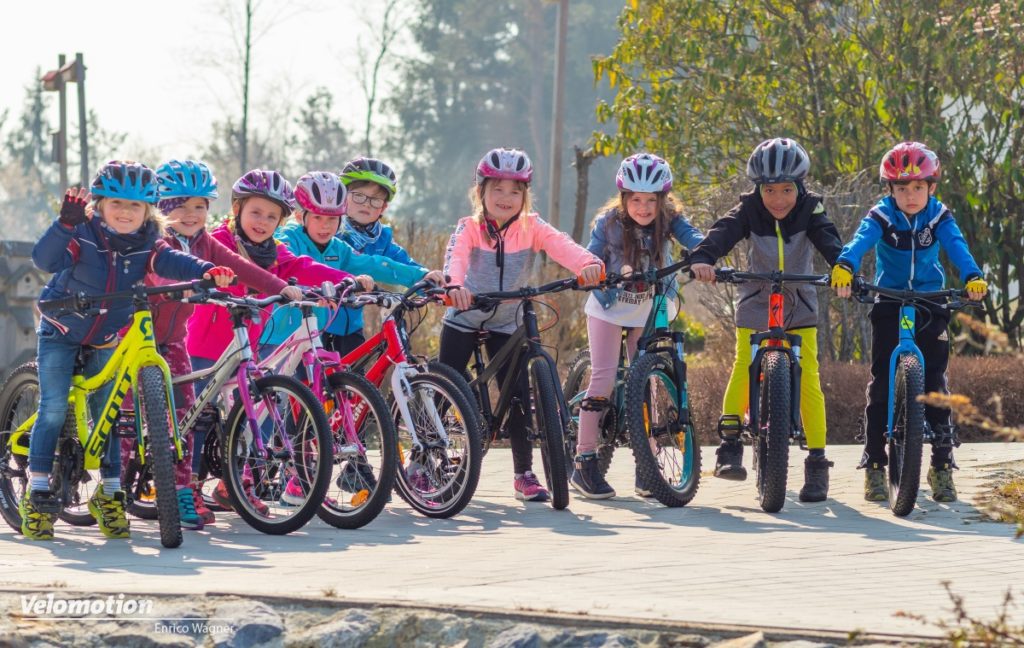
Bestenliste Kinderfahrräder 20 Zoll: Besser leicht und reduziert
Kinderfahrräder Test: Eltern Fünf- bis Achtjähriger aufgepasst: Hier kommen elf 20-Zoll-Kinderräder, hinter deren sportlich-reduzierter Machart sich viel Nutzwert verbirgt – jedenfalls in den meisten Fällen. Auch zu günstigen Preisen bekommt man hochwertiges Material, das für viel Fahrspaß gut ist.
Ein gutes Kinderrad zu konzipieren, ist entweder sehr einfach oder kaum zu schaffen – je nachdem, welches unserer elf Testräder man sich anschaut. Ein „sportliches“ 20-Zoll-Modell hatte Velomotion bei diversen Herstellern angefragt – also kein Schulrad mit Träger, Schutzblech und Lichtanlage, sondern etwas für Wege in der Freizeit und Touren auf Asphalt und unbefestigten Wegen, plus vielleicht für den einen oder anderen Abstecher ins Gelände. 20 Zoll, wohlgemerkt – also ein Fahrrad, das sich an Kinder zwischen fünf und acht Jahren wendet, rund 115 bis 130 cm groß und etwa 20 bis 30 Kilo schwer. Ein kleiner Mensch, der motorisch, kräftemäßig und kognitiv noch weit weg ist von der Leistungsfähigkeit eines Teenagers oder gar eines Erwachsenen.
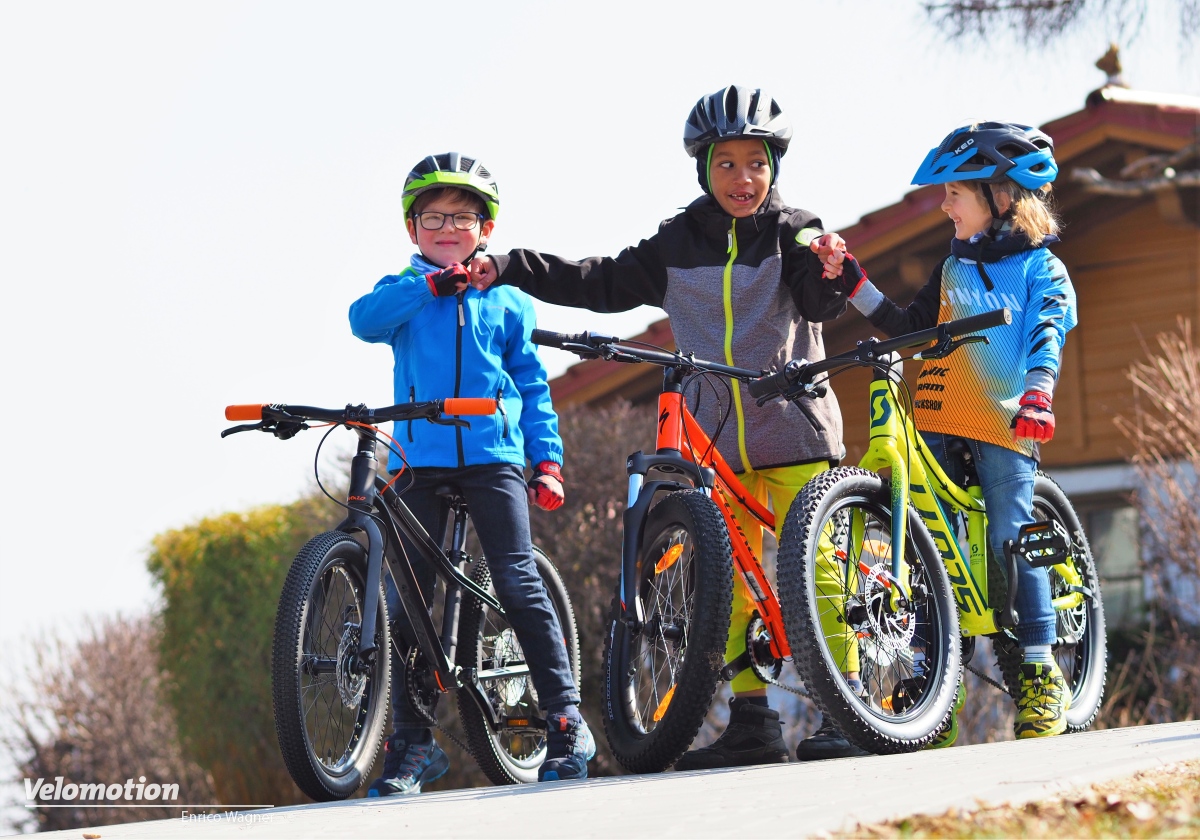
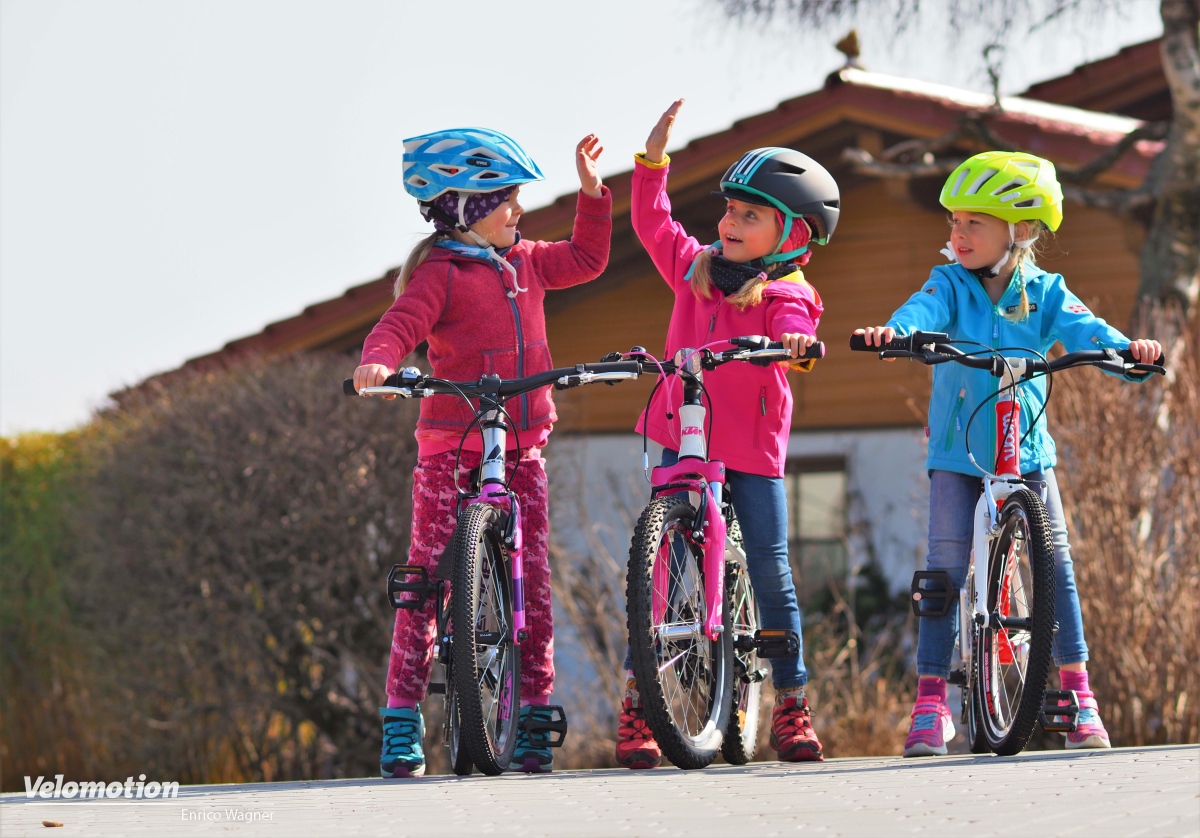
Wir stellen dies voran, um zu verdeutlichen, dass die Anforderungen an ein Kinderrad radikal von denen abweichen, die man an ein großes Fahrrad stellt – egal, welcher Typ oder welches Modell. Los geht es schon damit, dass ein Kind dieses Alters im Grunde nur ein Fahrrad braucht, mit dem es auf allen Wegen unterwegs sein kann – zum Kindergarten bzw. zur Schule, in der Freizeit und auf Touren. Einen Fuhrpark aus Stadtrad, Rennmaschine und Mountainbike, wie ihn viele Erwachsene im Keller stehen haben, brauchen kleine Kinder nicht – eher ein Angebot unterschiedlicher Fahrzeugen wie Rad, Roller, Skateboard usw.
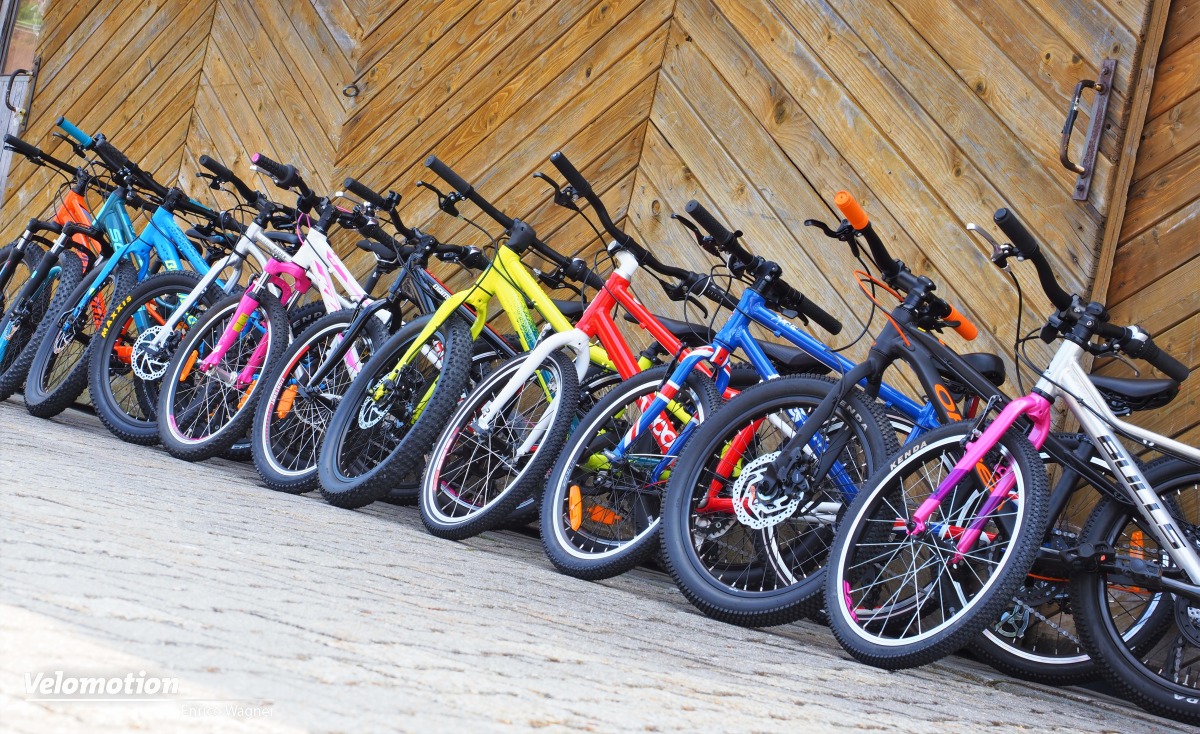
Kinderfahrräder Test: Alltagstauglich, sportiv … oder beides?
Was für ein Kinderfahrrad im Keller steht, hängt stark von den Eltern ab: Sitzen sie selbst nur gelegentlich oder vielleicht nicht sehr gerne auf dem Rad, werden sie ihrem Kind ein typisches Dreigang-Modell mit allem Drum und Dran hinstellen – eben das typische Schulrad, mit dem man nichts falsch machen kann. Sind Mama und Papa jedoch selbst aktive Alltagsradler oder gar sportlich unterwegs, werden sie auf andere Dinge Wert legen: ein geringes Gewicht zum Beispiel und leichten Lauf – beides nicht eben die Domäne von Modellen mit Nabenschaltung, Licht, Träger, Kettenschutz und, und, und. Vieles davon ist nämlich nicht unbedingt nötig. Statt einer fest montierten Lichtanlage kann man bedarfsweise Akkuleuchten montieren und deren Nutzung auch selbst kontrollieren, zumal ein sechs- bis achtjähriges Kind bei Dunkelheit nicht alleine mit dem Rad unterwegs sein sollte. Auch ein Gepäckträger ist nicht unbedingt nötig, zumal sein Nutzen beschränkt ist. Auf Touren können die Eltern das Kindergepäck transportieren, und auf dem Weg zum Kindergarten und zur Schule können Rucksack und Ranzen ohnehin geschultert werden. Und statt fest montierter, schwerer Metallschutzbleche lassen sich Kunststoff-Schützer aus dem MTB-Bereich anbringen.
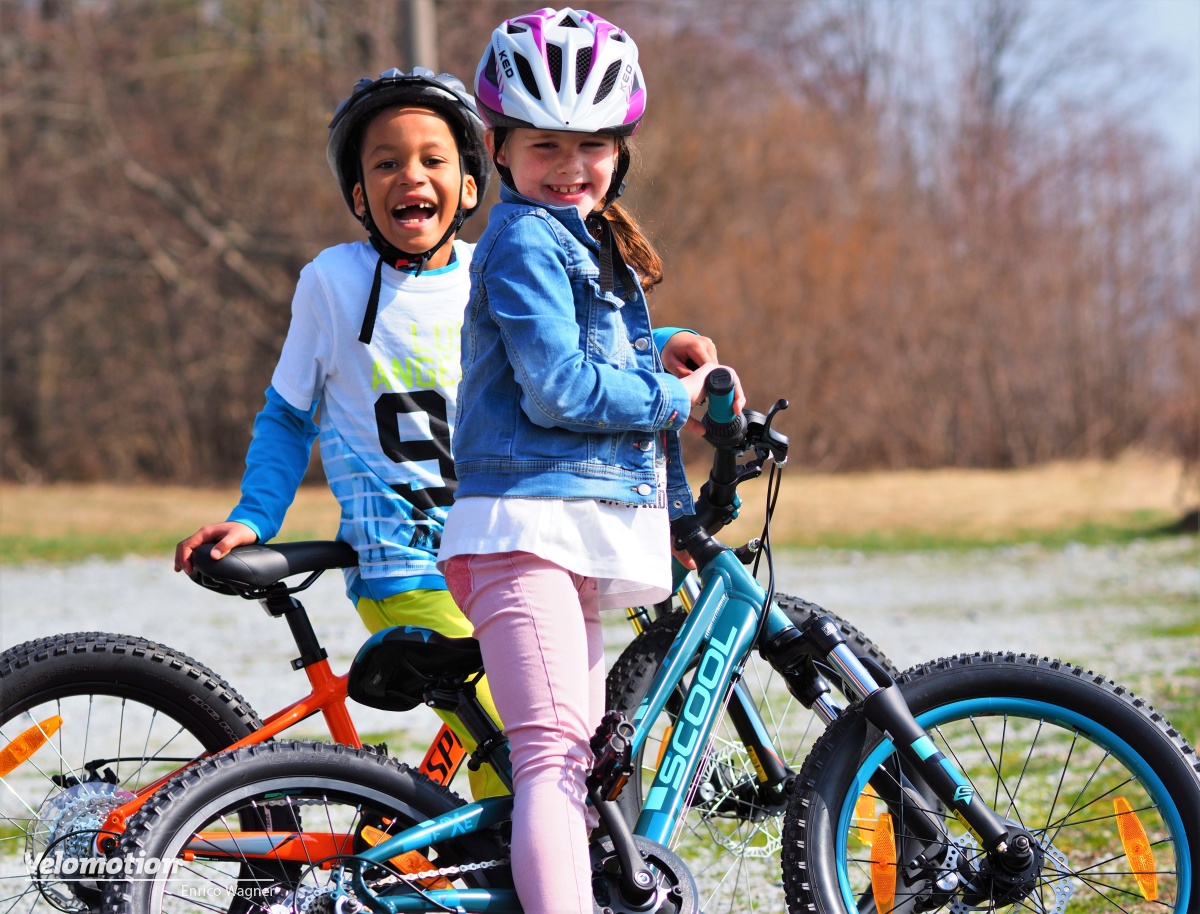
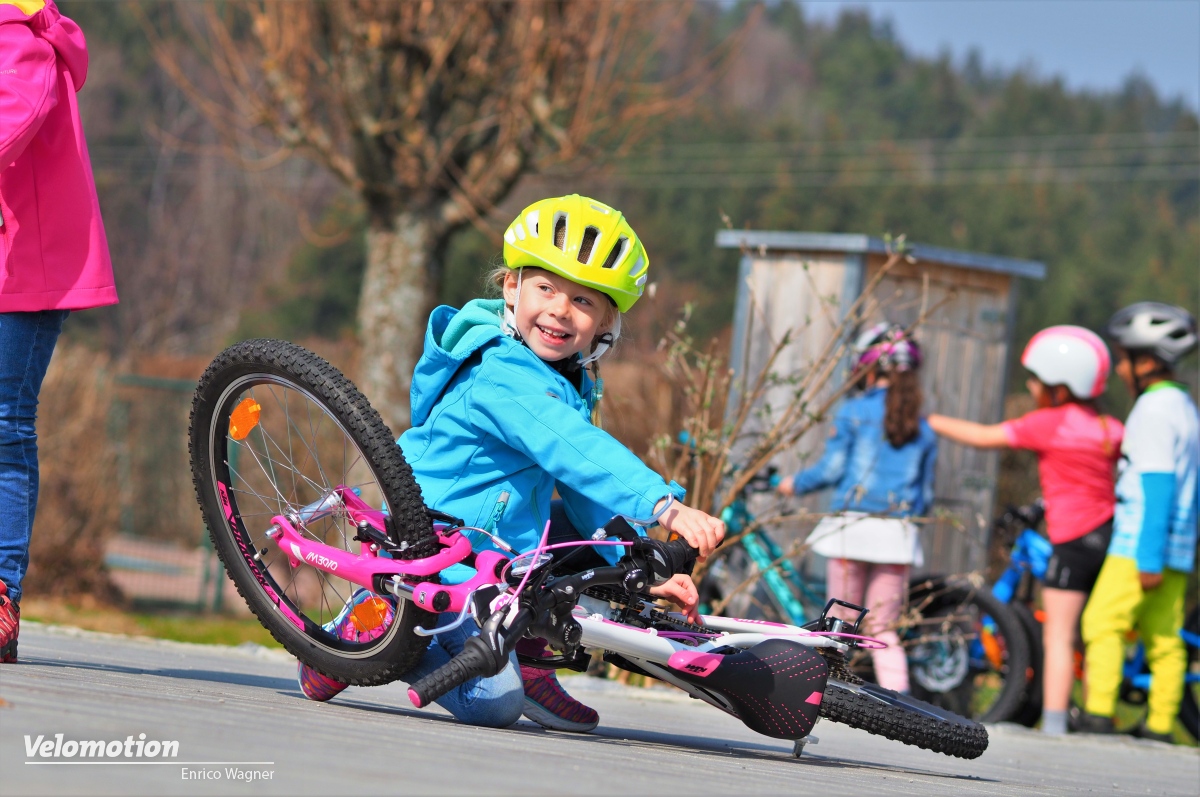
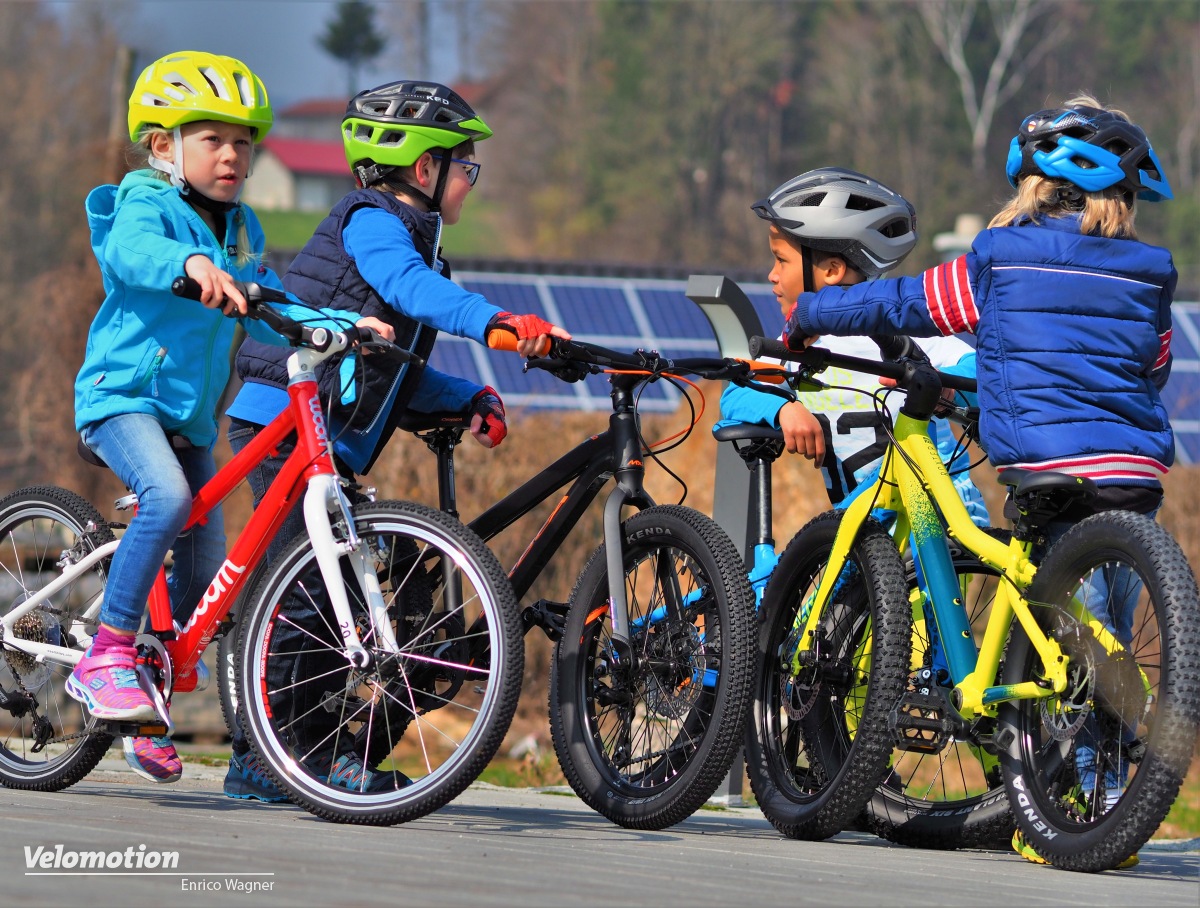
Damit wird klar, dass ein „sportliches“ Kinderrad durchaus alltagstauglich sein kann – und mit zwei bereits angesprochenen Eigenschaften ist es konventionellen Kinderbikes ohnehin überlegen: Gewicht und Leichtlauf. Ersteres wird von manchen Experten als eher unwichtig eingestuft, doch in Relation zum Fahrergewicht ist ein normales Kinderrad extrem schwer. Ein siebenjähriges Kind wiegt im Schnitt 25 Kilo, soll aber ein Fahrrad von zwölf Kilo und mehr bewegen – kein Wunder, wenn es damit zu kämpfen hat. Dazu kommt, dass viele Schulräder mit den schon erwähnten Dreigangnaben ausgestattet sind – oft sehr einfache Exemplare, die mit schlechtem Wirkungsgrad wahre Kraftschlucker sind: Sie machen das Treten schwer, und wenn das Kind rollen lässt, bremsen sie. Ein leichtes Rad mit Kettenschaltung ist hier deutlich überlegen; auch hochwertige Reifen mit geringerem Rollwiderstand zahlen sich aus.
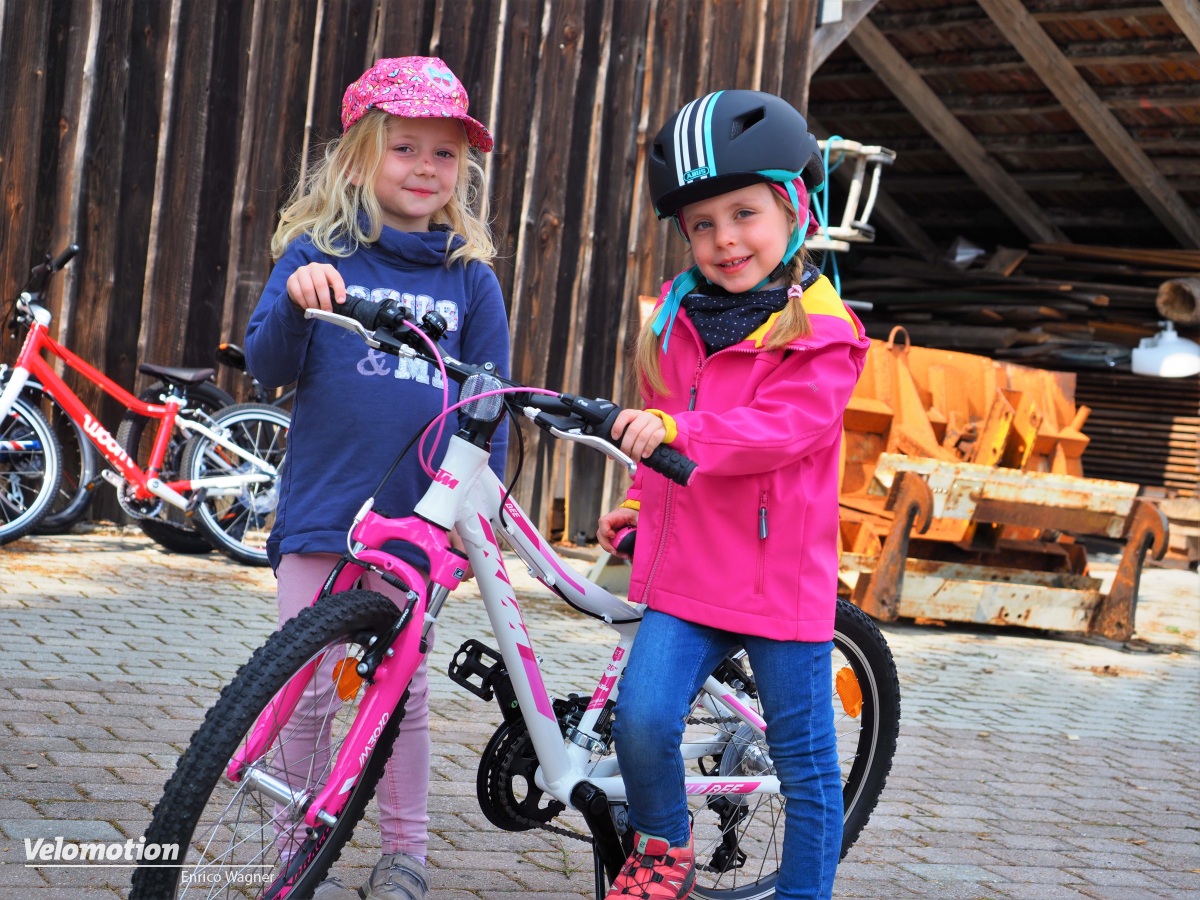
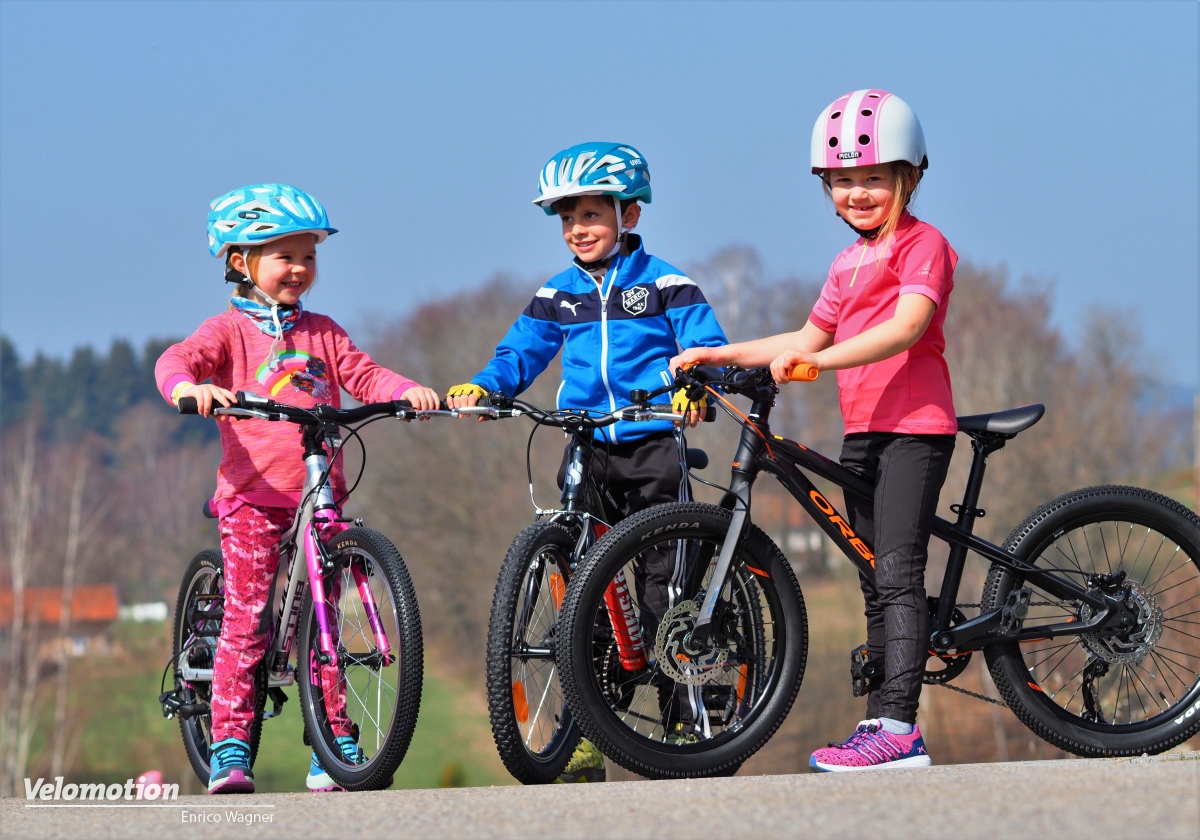
An diesem Punkt jedoch kann die Sache mit der Sportlichkeit kippen – dann nämlich, wenn darunter die Ausstattung mit Komponenten verstanden wird, die zwar den Anschein von Nutzwert und Funktionalität erwecken, tatsächlich aber von Nachteil sind. Dazu gehört alles, was das Gewicht hochtreibt, ohne einen funktionellen Gegenwert zu erbringen, etwa Federgabeln mit einem so hohen Losbrechmoment, dass sie kaum oder nur bei extremen Stößen ansprechen, extrem breite Reifen, die für die Bedürfnisse Sechs- bis Achtjähriger überdimensioniert sind oder komplizierte Schaltungen, deren Übersetzungsumfang wiederum nicht der Nutzungsrealität kleinerer Kinder entspricht. Solche Bauteile werden natürlich nicht aus Versehen spezifiziert. Sie wirken als ein Lockmittel, das Abenteuer und Offroad-Spaß suggeriert, machen den Fahrer bzw. die Fahrerin aber ebensowenig zum Mountainbiker, wie man mit einem Spielzeugschwert zum Drachentöter wird. Und nicht nur die Kinder fallen darauf rein; oft genug sind es unkundige Eltern, die sich von der Technikflut blenden lassen.
Kinderfahrräder Test: Hersteller auf dem richtigen Weg
Immerhin: Von unseren elf Testrädern liegen sechs knapp oder deutlich unter zehn Kilo; nur drei bewegen sich um zwölf Kilo. Diese drei sind mit Federgabeln ausgestattet; eine davon funktioniert sogar einigermaßen. Und alle bis auf einen Hersteller statten ihr Bike mit nur einem Kettenblatt aus, damit sich die Kinder nicht im Übersetzungsdschungel verlieren. Auch in Sachen Sitzhaltung siegt in den allermeisten Fällen die Vernunft, und die meisten Räder sind mit Reifen ausgestattet, die den Nutzungsbedingungen kleinerer Kinder entgegenkommen. Und letztlich gibt es im Testfeld nur zwei Räder, von denen man wirklich abraten muss. Alle anderen können auf Touren und im Alltag genutzt werden, lassen sich teils mit fest montierten Schutzblechen bestücken und sind hier und da sogar mit dem praktischen Seitenständer ausgestattet.
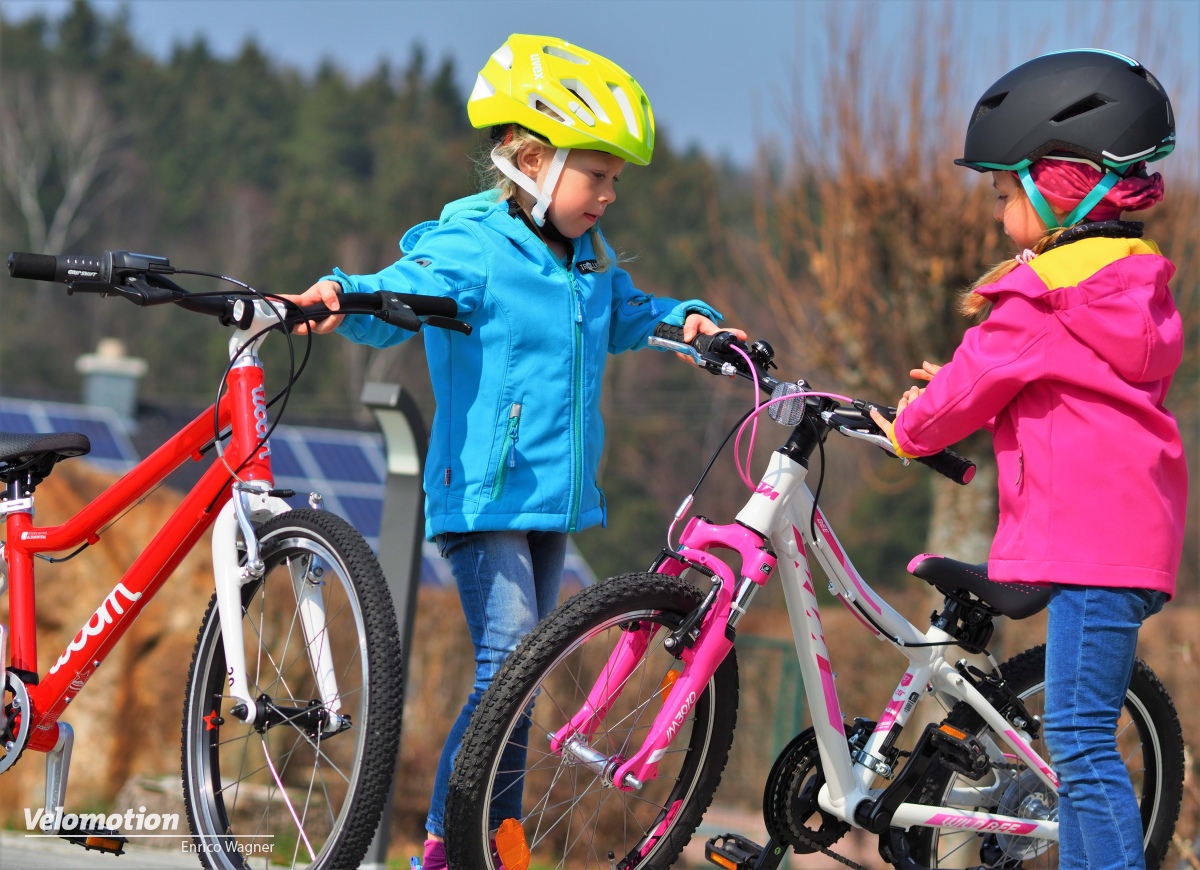
Interessanterweise kann man bei Kinderrädern nicht unbedingt nach dem Preis gehen: Das günstigste Rad rangiert in Sachen Qualität im oberen Mittelfeld, während das Schlusslicht mit gut 400 Euro eher teuer ist. Was daran liegt, das aufwendige Technik Geld kostet, auch wenn sie keinen Nutzen bringt. Ohnehin darf man nicht vergessen, dass gute Kinderräder auch am Gebrauchtmarkt sehr gefragt sind. Nach zwei Jahren häufiger Nutzung ist durchaus noch der halbe Neupreis drin; übermäßig sparsam muss man also nicht sein. Doch genug der Vorrede – Vorhang auf für die Velomotion Bestenliste Kinderräder.
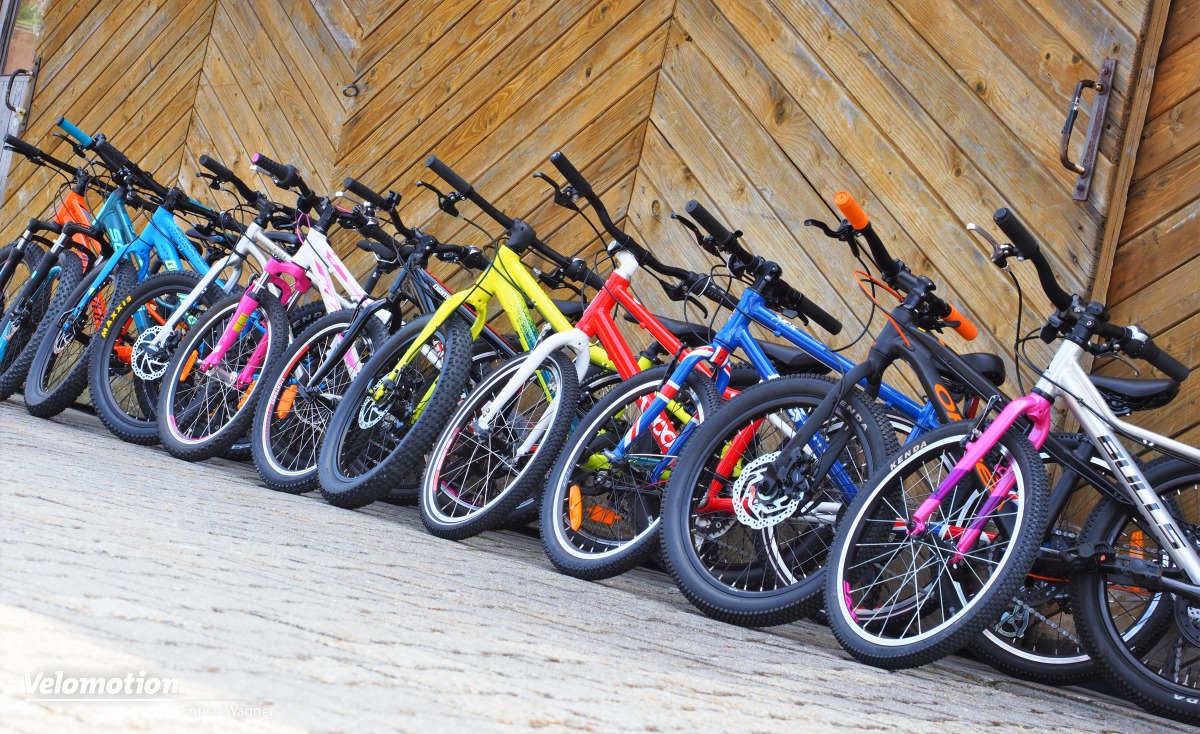
Kinderfahrräder Test 2019: 11 Modelle mit 20 Zoll ausprobiert
Kinderfahrräder Test 2019: In den vergangenen Wochen haben wir bzw. unsere neun kleinen Tester insgesamt elf Kinderräder mit 20 Zoll Bereifung ausprobiert und getestet. Welche Erkenntnisse wir gewonnen haben, worauf beim Kinderrad-Kauf zu achten ist und welche Modelle zu empfehlen sind. Update 2021: Was hat sich getan? Auch wenn der Artikel aus dem Jahr 2019 […]
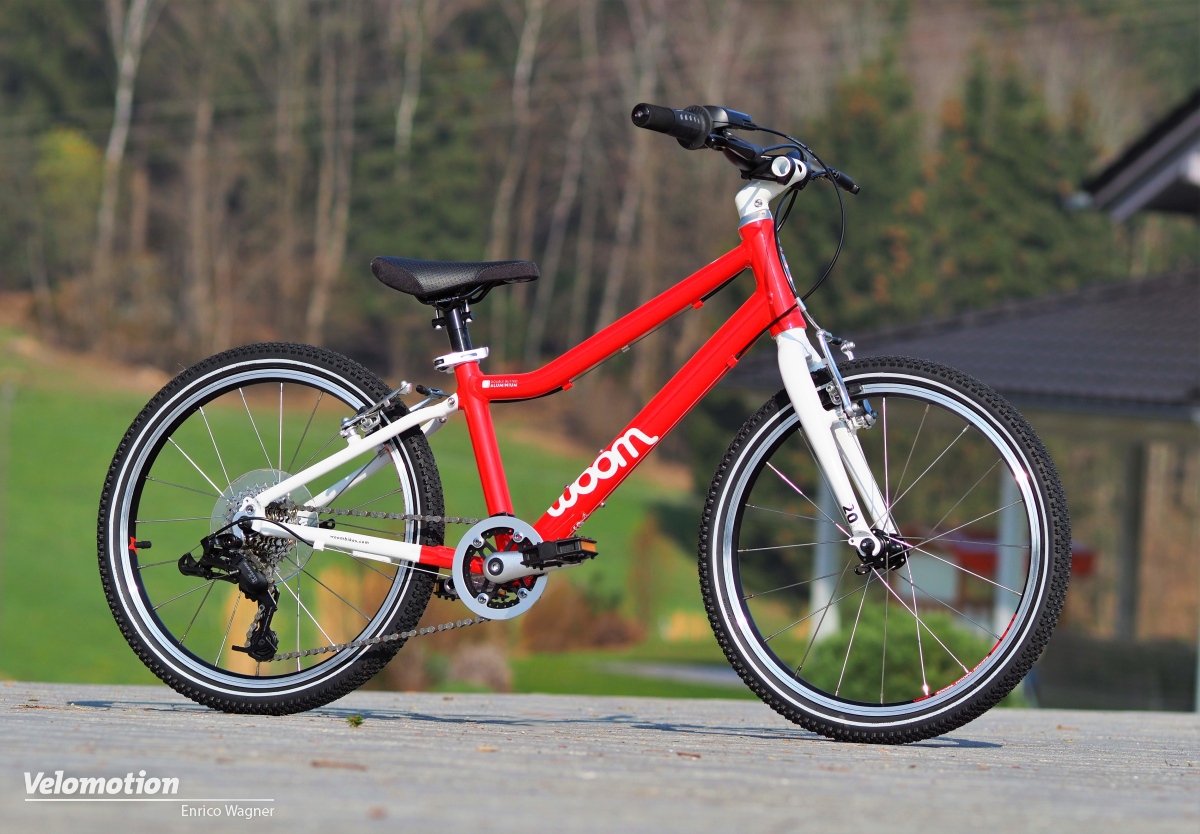
Kinderfahrrad: Test: Woom 4 – Leichtgewicht ohne große Schwächen
Kinderrad Test: Nach der Gründung im Jahr 2013 ging es für den österreichischen Kinderradhersteller Woom steil nach oben. Heute sind die schlichten Räder vor Kindergärten und Schulen kein ungewöhnlicher Anblick mehr. Das Woom 4 zeigt weshalb: Geringes Gewicht, durchdachte Ausstattung und ein fairer Preis. Woom nummeriert seine Bikes durch von 1 (Laufrad) bis 6 (26-Zöller); […]
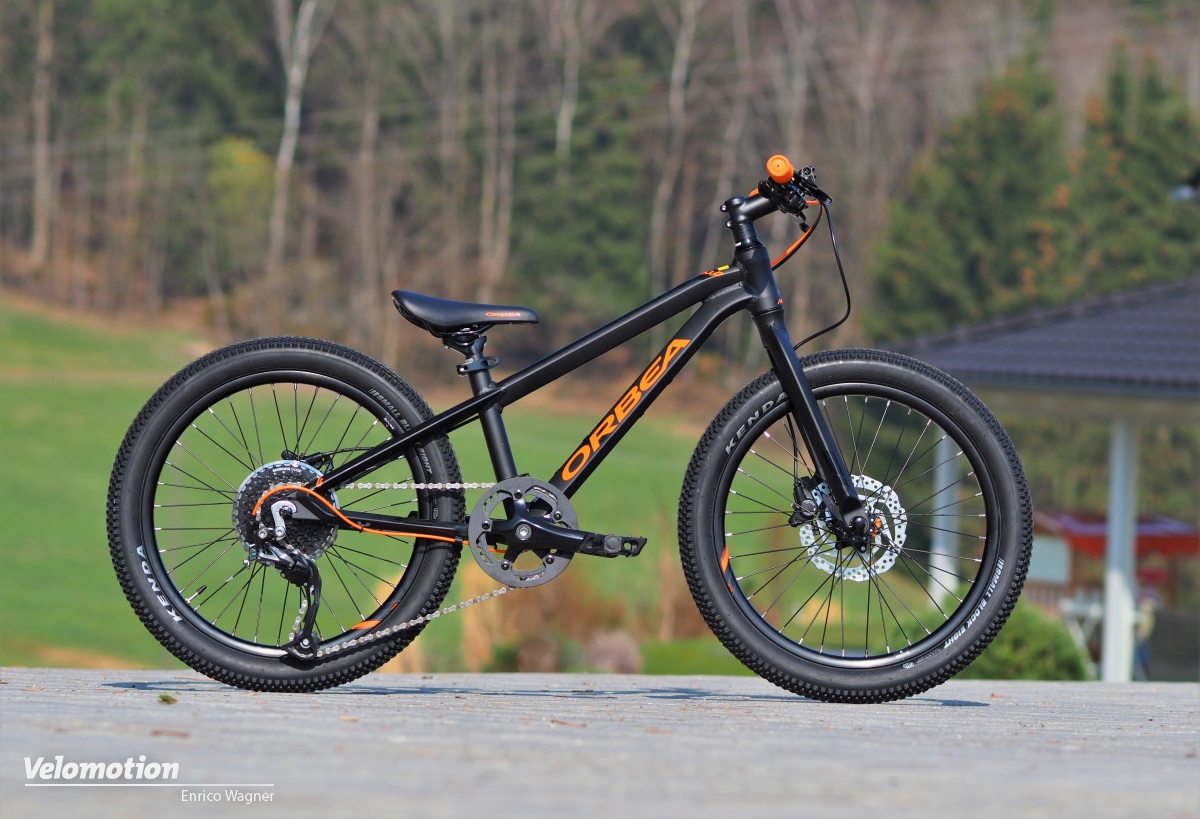
Tests: Test: Orbea MX 20 Team – Vielseitiges Kinder-MTB aus Spanien
Kinderrad Test: Mit dem Orbea MX 20 Team schickt der Hersteller aus dem Baskenland ein hochwertiges, vernünftig und vielseitig ausgestattetes Kinderrad ins Rennen. Trotz dicker, aber nicht zu schwerer Reifen und hydraulischen Scheibenbremsen bleibt das Gewicht unter der magischen 10kg-Grenze. Der spanische Hersteller stellt ein Kinder-MTB auf die Räder, das mit seiner dezent-verhaltenen Optik nicht […]
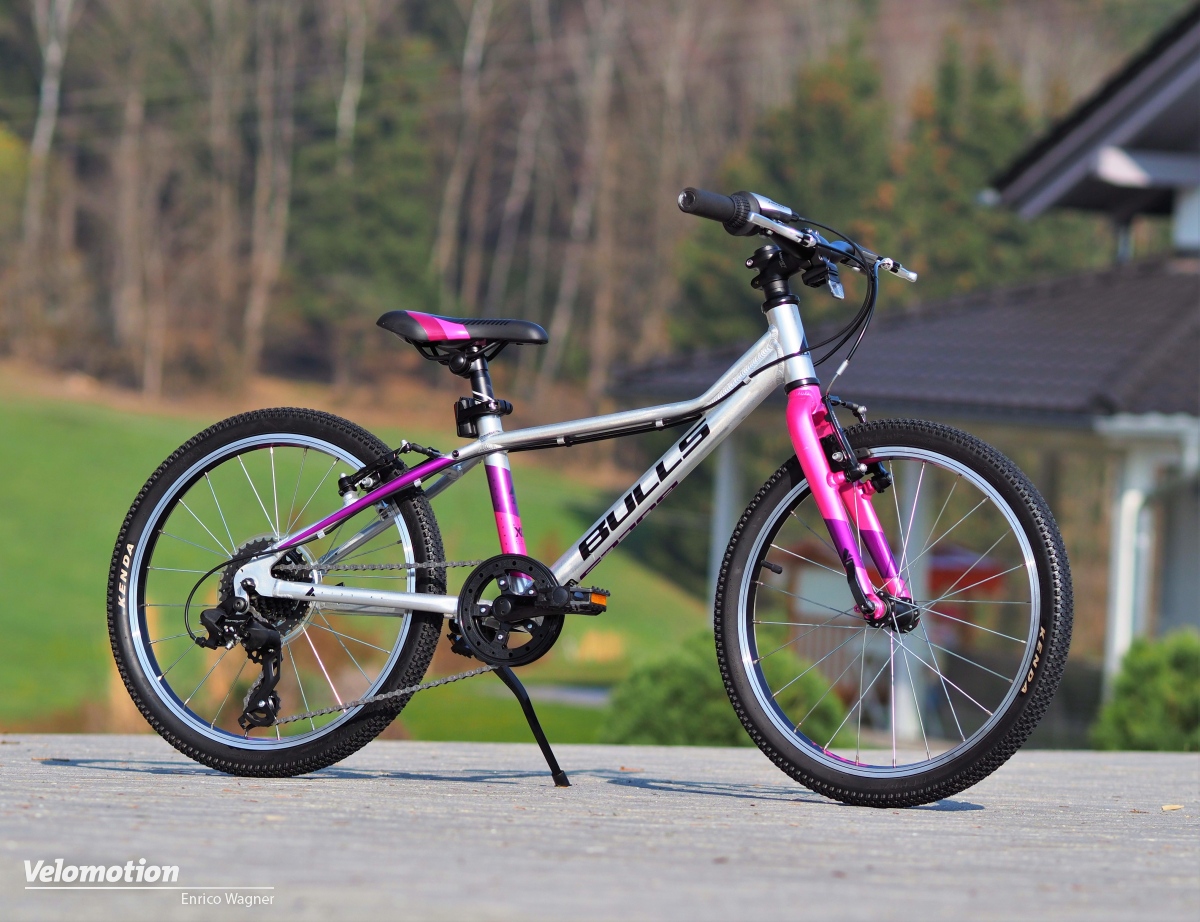
Tests: Test: Bulls Tokee Lite 20 – Durchdacht und alltagstauglich
Kinderrad Test: Das Bulls Tokee Lite 20 fällt zunächst mit seiner recht ungewöhnlichen Rahmenform ins Auge, die in der Praxis jedoch überzeugt. Auch ansonsten gibt’s an dem Bulls Kinderrad kaum etwas auszusetzen. Das Tokee gefiel in der Testfarbe natürlich vor allem den Mädchen; allerdings ist es auch in Silber-Blau verfügbar. Mit 9,4 Kilo ist das […]
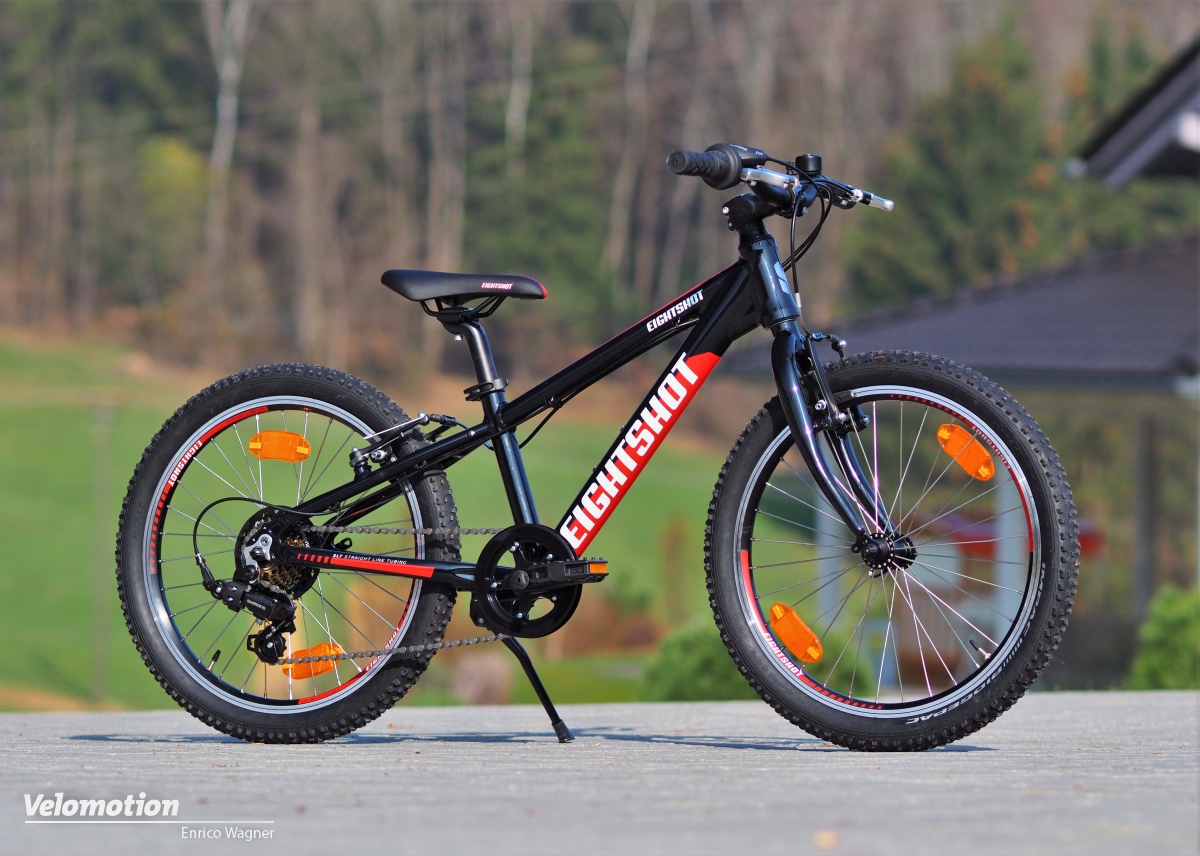
Eightshot X-Coady 20: Preiswerter Kids-Allrounder
Kinderrad Test: Eightshot? Noch nie gehört? Kein Wunder, schließlich ist die Marke noch nicht allzu lange am Markt – dahinter stehen jedoch die Kinderrad-Experten von Puky. Ob die langjährige Expertise am Eightshot X-Coady 20 zu spüren ist? Das Eightshot ist eher schlicht gestylt und wirkt optisch „erwachsen“ mit durchgängigem Dekor an Rahmen, Sattel und Felgen. […]
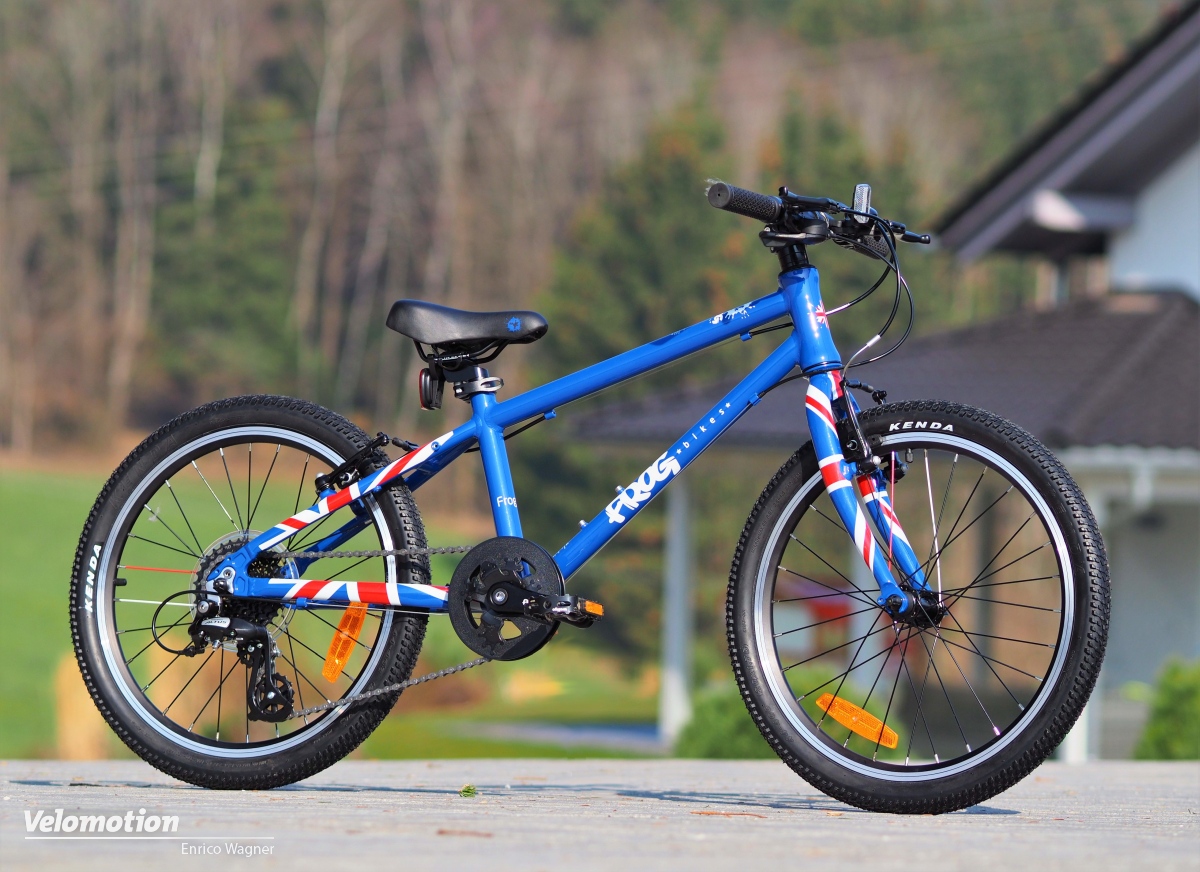
Tests: Test: Frog Frogbike 55 – Preisgünstiges Leichtgewicht
Kinderrad Test: Das Frogbike 55 kann mit geringem Gewicht und einer guten Ausstattung zum günstigen Preis überzeugen. Die Rahmengeometrie ist etwas anders als bei der Konkurrenz – was jedoch nicht schlecht sein muss. Das Frogbike im „Union Jack“-Design gefällt vielen Erwachsenen auf Anhieb; unseren Test-Kindern sagte die Optik freilich wenig zu. Highlight ist natürlich das […]
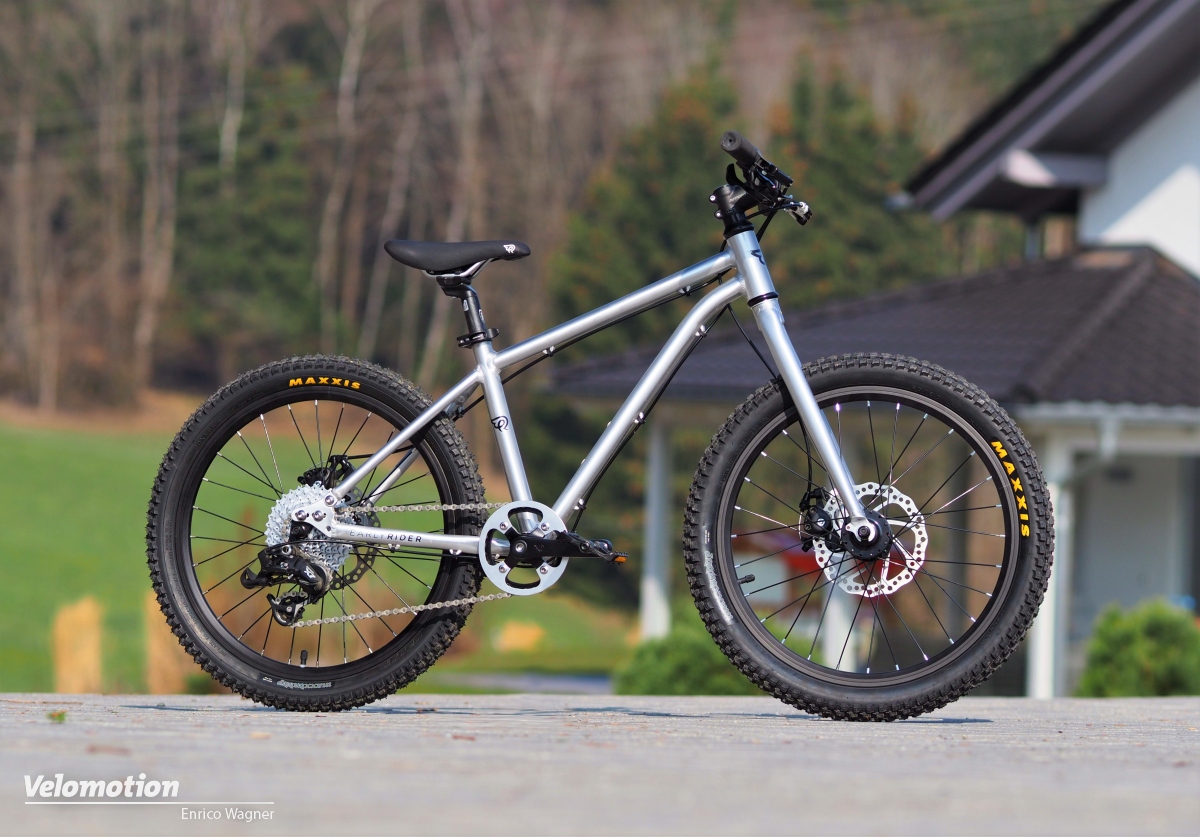
Tests: Test: Early Rider Trail – Edles Kinderrad für Trail und Asphalt
Kinderrad Test: Das Early Rider Trail sticht mit seiner schlichten, hochwertigen Optik aus dem Testfeld heraus und wirkt fast ein wenig zu erwachsen für ein Kinderrad. Unbestritten ist jedoch die hochwertige Ausstattung und das geringe Gewicht. Die englische Firma Early Rider steht für eine neue Generation von Kinderrad-Anbietern, die dem Bedarf nach leichten, sportlichen Modellen […]
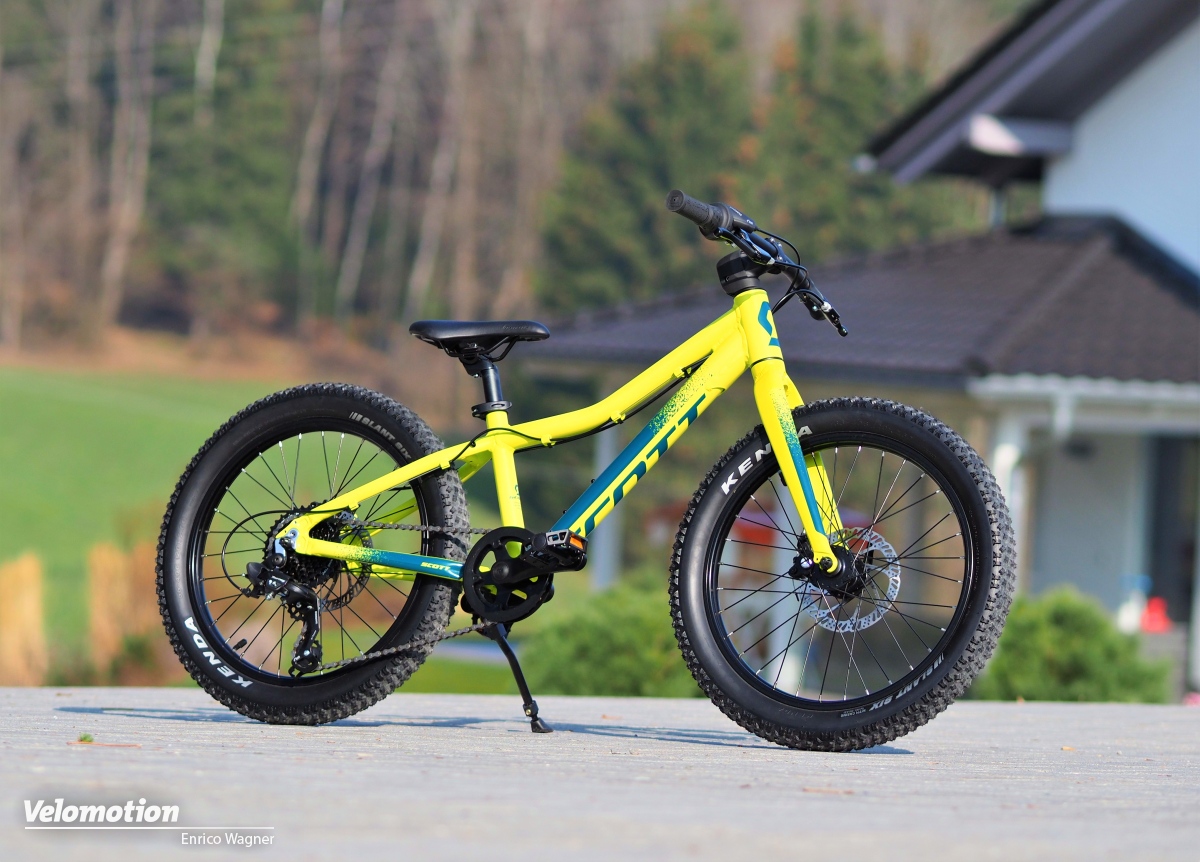
Tests: Test: Scott Roxter 20 – Mountainbike im Mini-Format
Kinderrad Test: Das Scott Roxter 20 macht mit leuchtenden Neonfarben und hochwertiger Ausstattung auf mich aufmerksam. Doch wie schlägt es sich im Gesamtpaket? Das sportliche Scott Roxter lehnt sich eng an die Optik der Marke an und gefällt damit Eltern wie Kindern. Im Detail zeigt sich die hochwertige Machart des Rahmens: Unterm Unterrohr sitzt ein […]
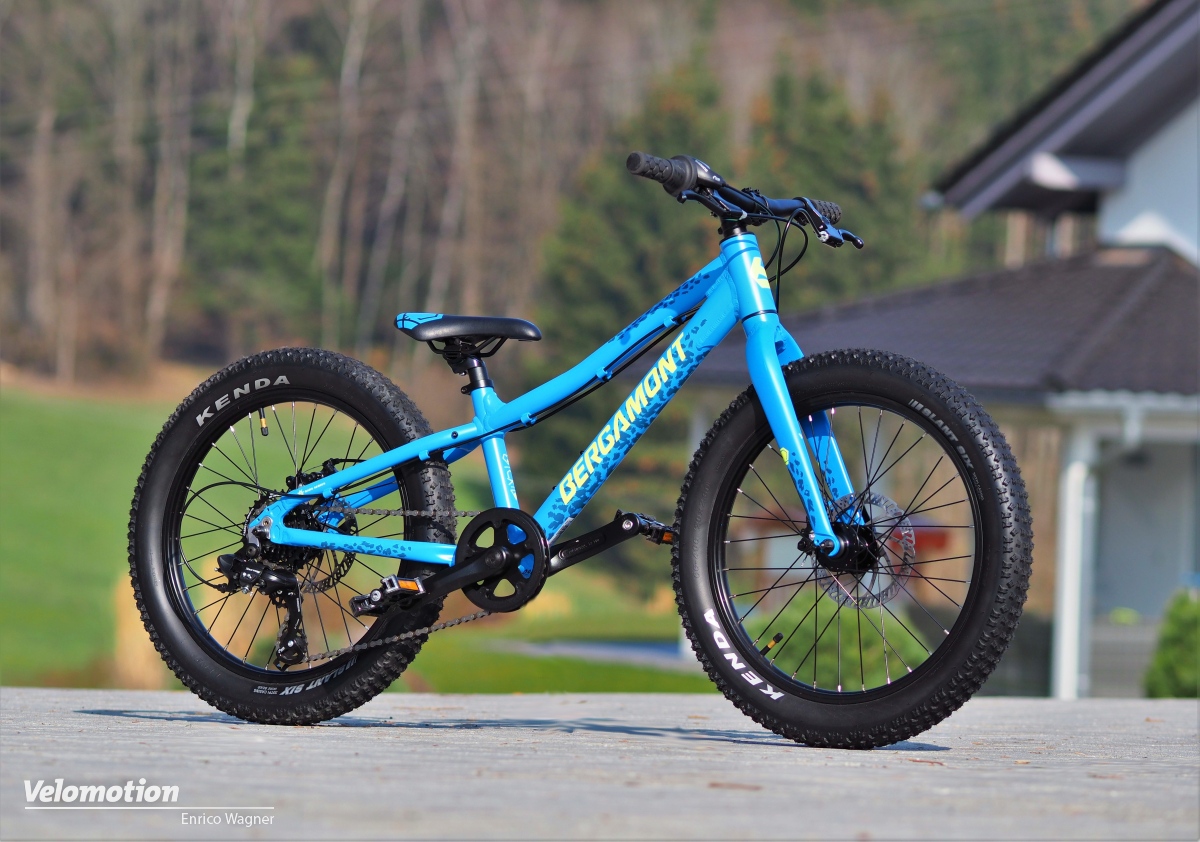
Tests: Test: Bergamont Bergamonster 20 Plus – Bulliges Mini-MTB
Kinderrad Test: Das preislich attraktive Bergamont Bergamonster 20 Plus fällt mit seinen dicken Reifen auf, die für das frisch-blaue Kinderrad Fluch und Segen zugleich sind – etwas erfahreneren jungen Fahren bieten sie im Gelände das gewisse Plus an Sicherheit, bremsen das ansonsten gelungene Rad im Alltag aber auch etwas ein. Das blaue Bergamont weckt bei […]
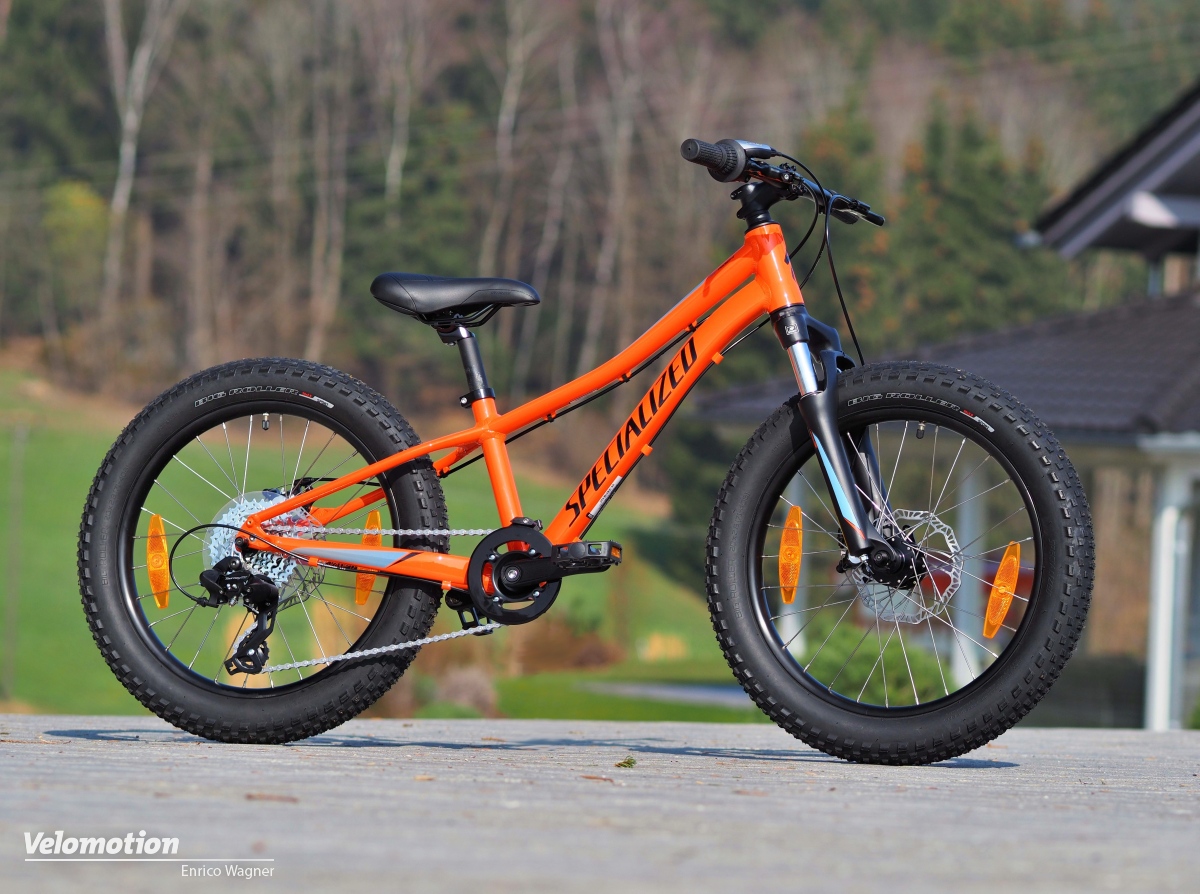
Tests: Test: Specialized Riprock – Kinder-MTB mit Übergewicht
Kinderrad Test: Als einer der Hersteller sportiver Räder schlechthin waren unsere Erwartungen an das Specialized Riprock entsprechend hoch. Dass diese nur zum Teil erfüllt werden konnten, liegt insbesondere am hohen Gewicht von über 12kg. Mit Federgabel, bulligen Reifen und Scheibenbremsen sprach das Specialized vor allem die Jungs unter unseren kleinen Testern an; bikende Eltern kennen […]
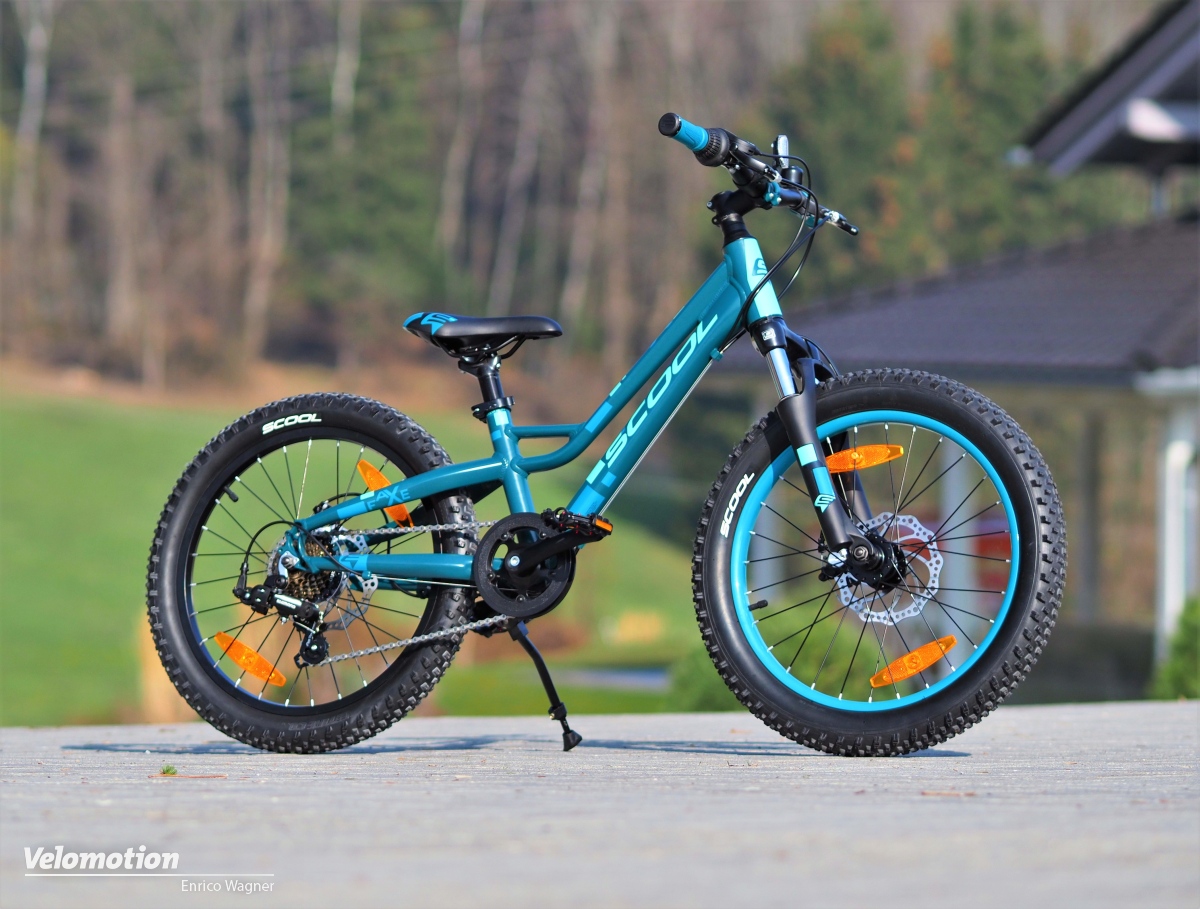
Tests: Test: S’Cool Faxe Race – Zu viel des Guten
Kinderrad Test: Am S’Cool Faxe Race sieht man, dass mehr nicht immer besser sein muss – Federgabel und dicke, schwere Reifen machen das Rad sehr schwer, ohne viel Mehrwert zu bieten. Schade, denn beim Design und der Geometrie weiß das Kinderrad zu überzeugen. Optisch ist das S’cool sehr gelungen: Die blaugrüne Färbung mit passenden Details […]
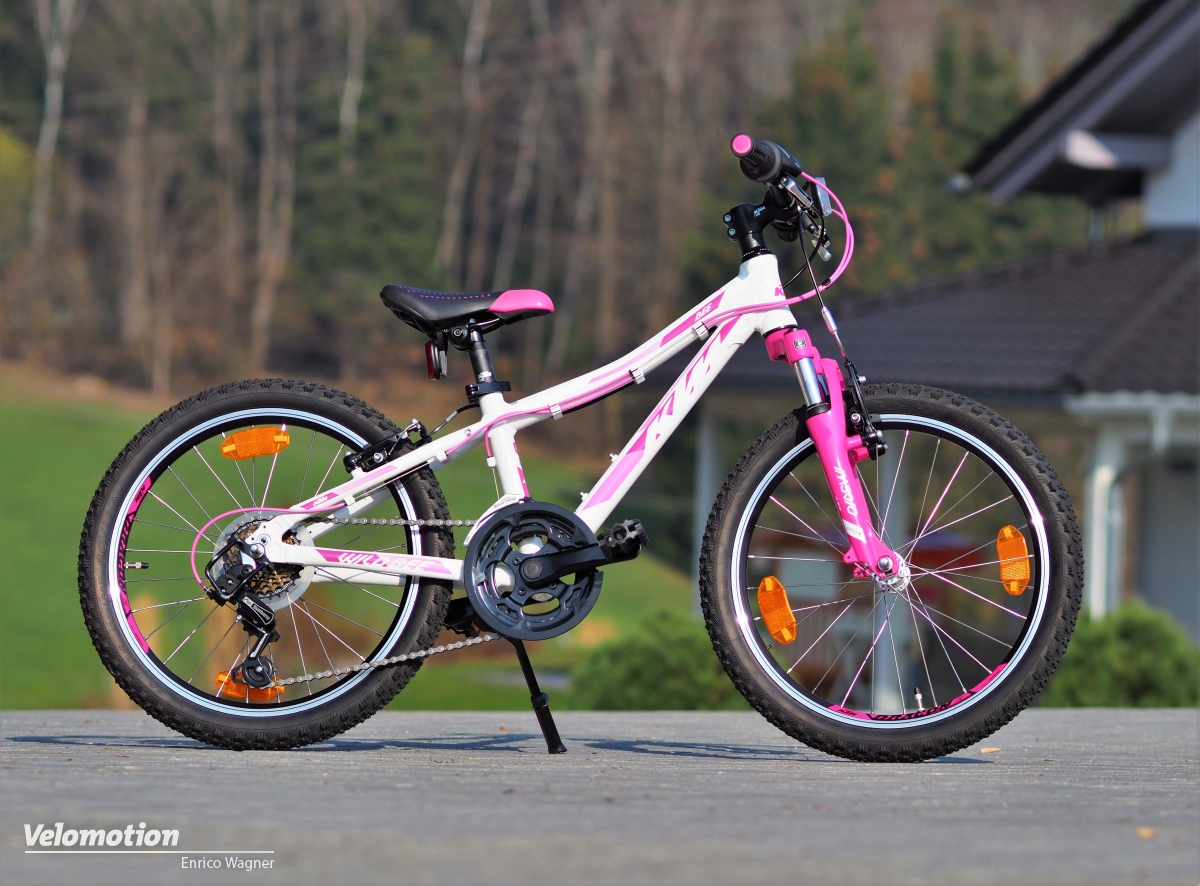
Tests: Test: KTM Wild Bee – Stylisches Kinderrad mit Schwächen
Test Kinderrad: Das KTM Wild Bee fällt optisch auf und macht technisch mit Umwerfer und Federgabel einiges anders als vergleichbare Räder. Ob der Ansatz aufgeht? Mit weißem Rahmen und rosa Dekor auf Rahmen und Federgabel spielt KTM erfolgreich die Mädchen-Karte – dieses Rad fällt auf und gefällt. Eltern schätzen die bekannte Marke, die für hohe […]