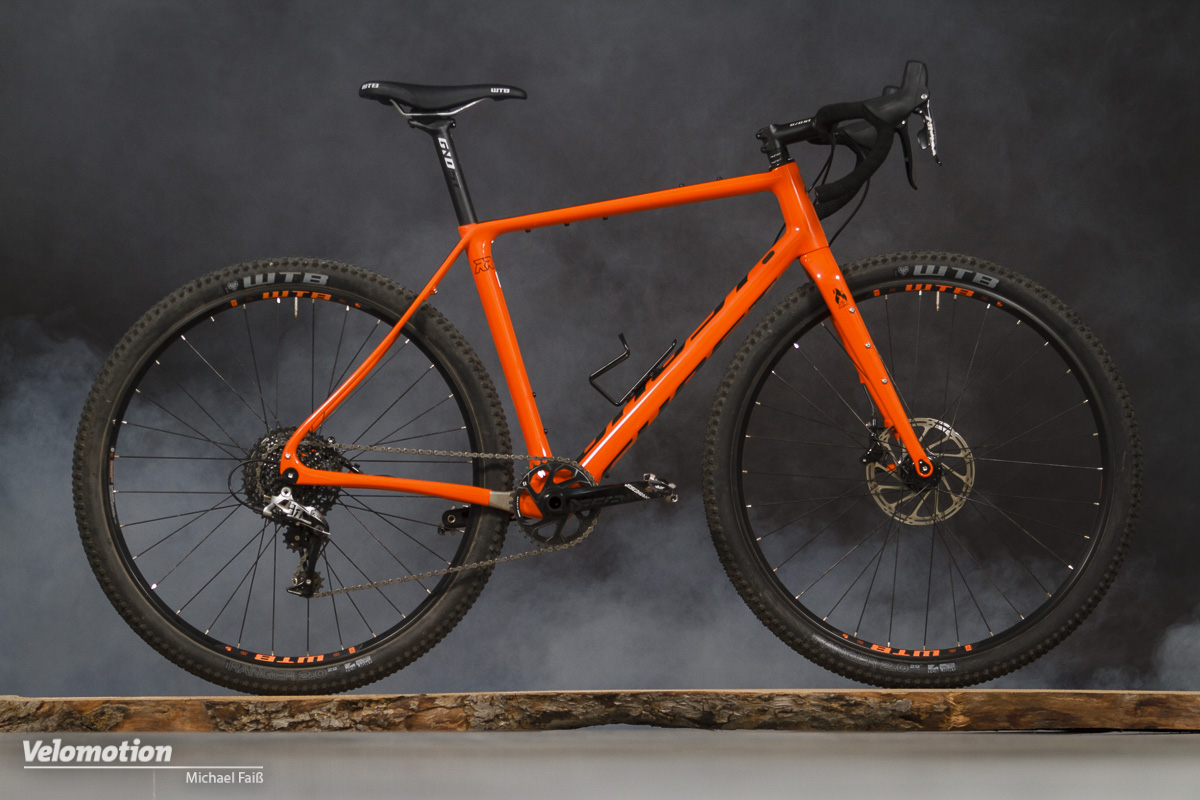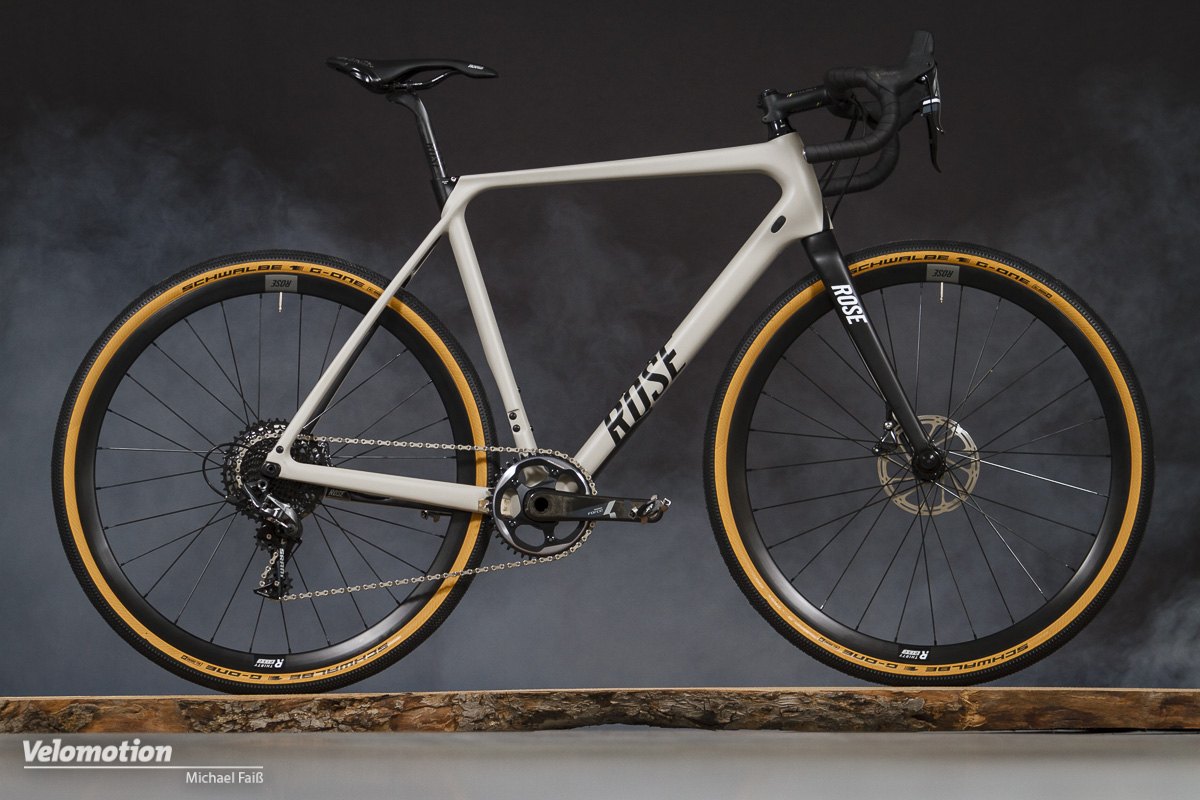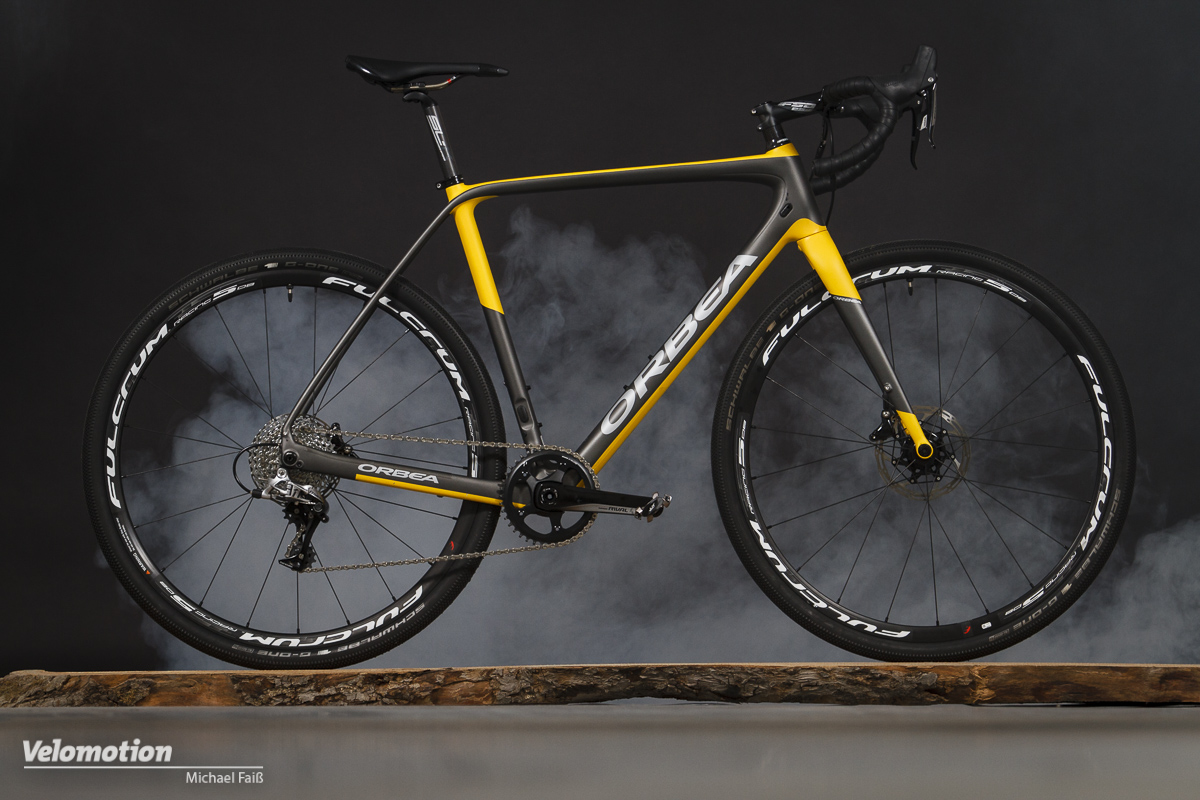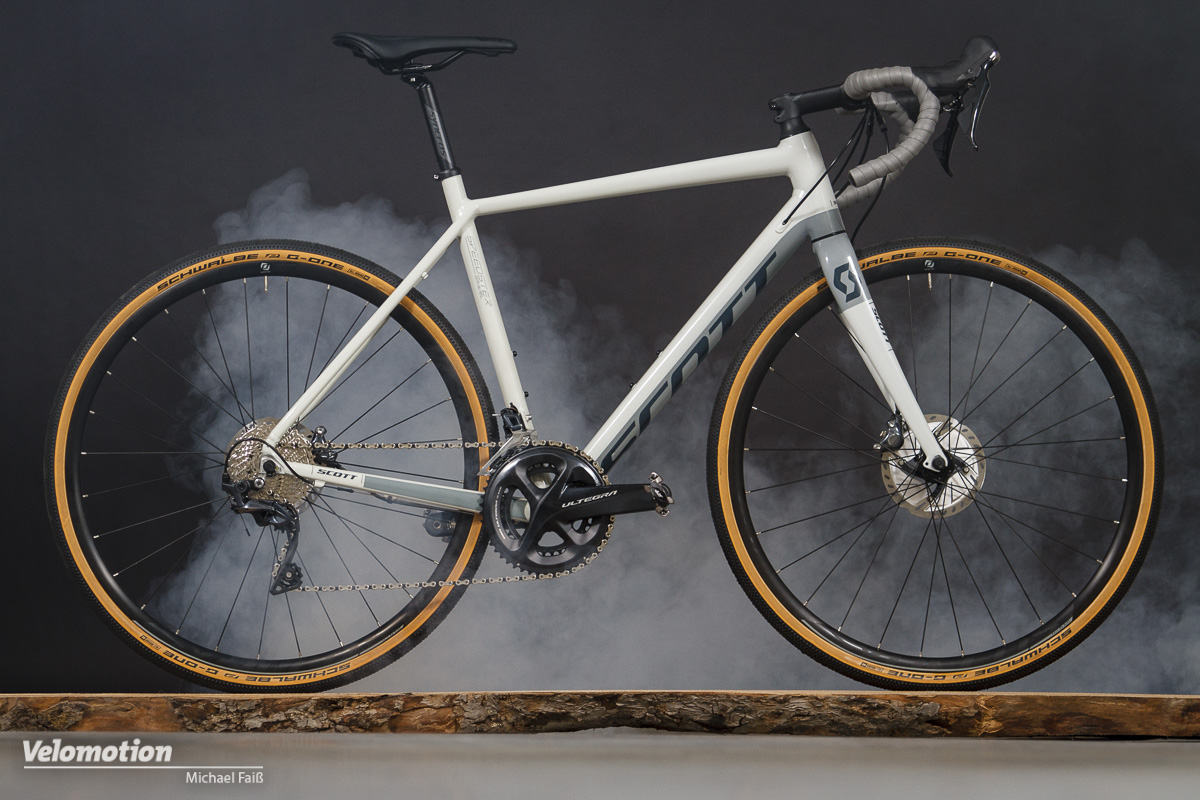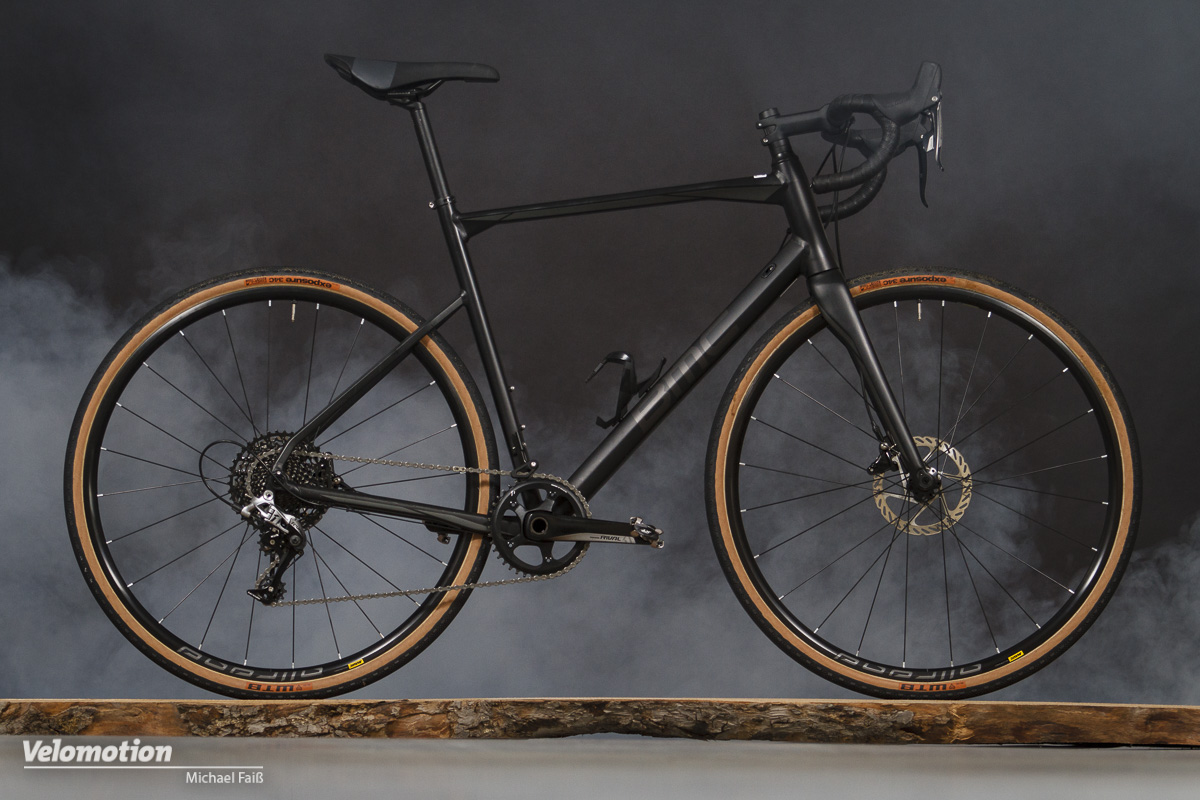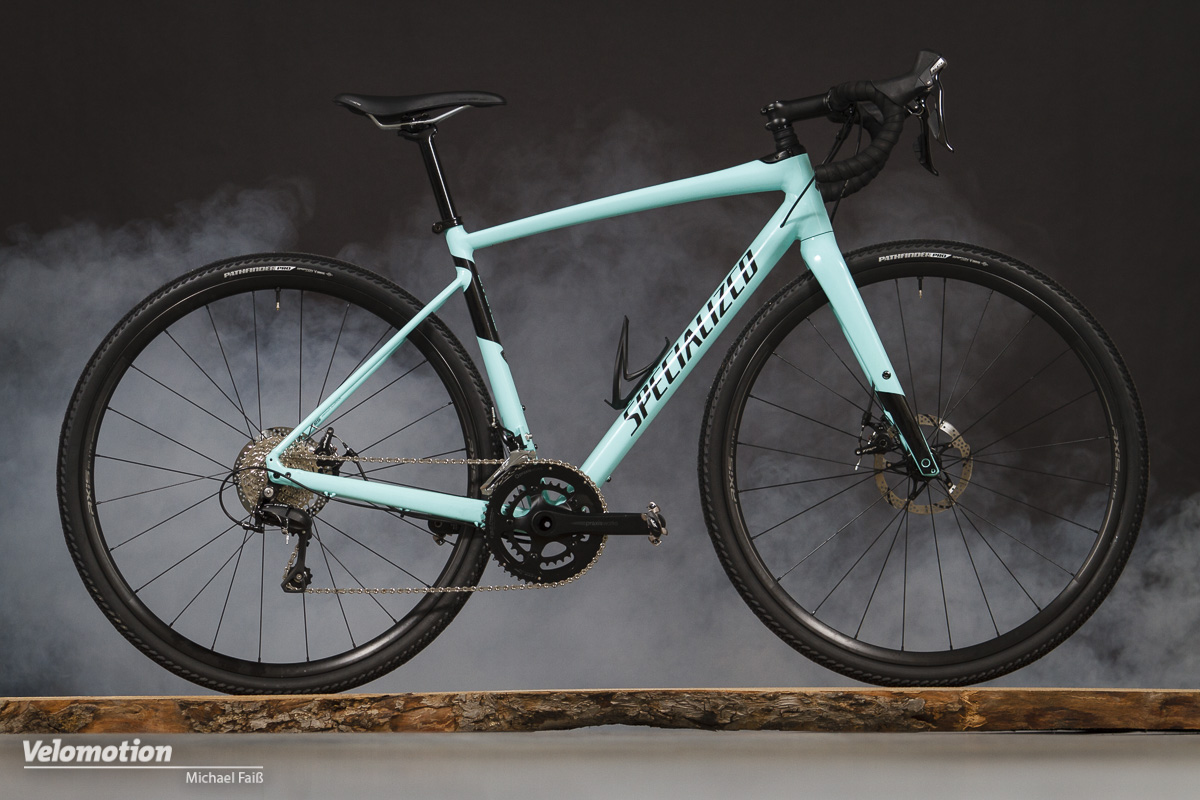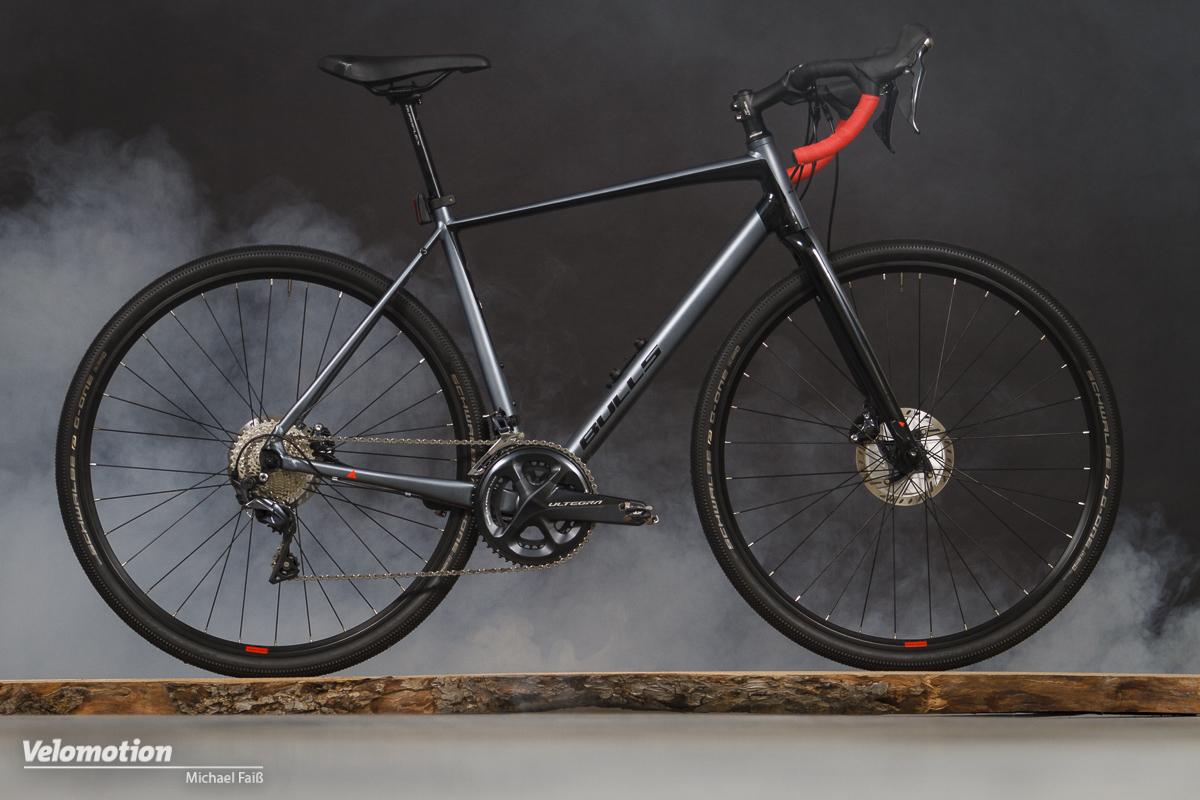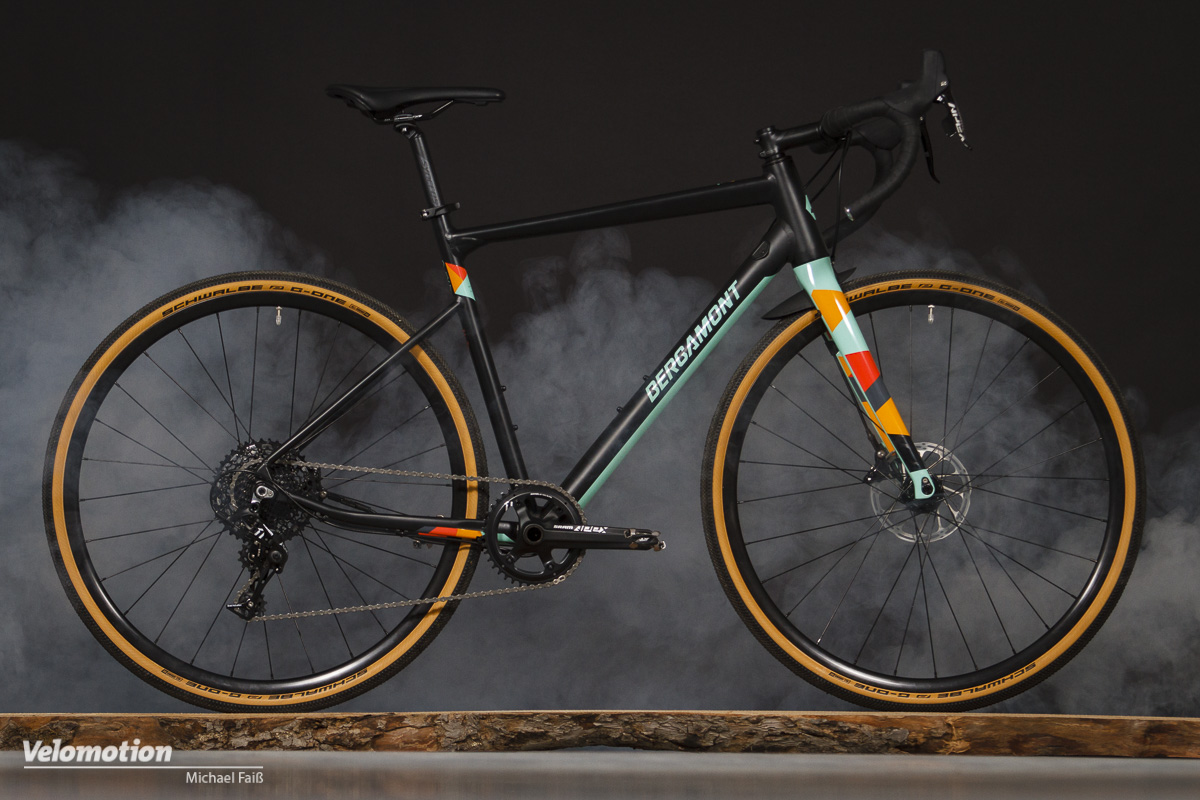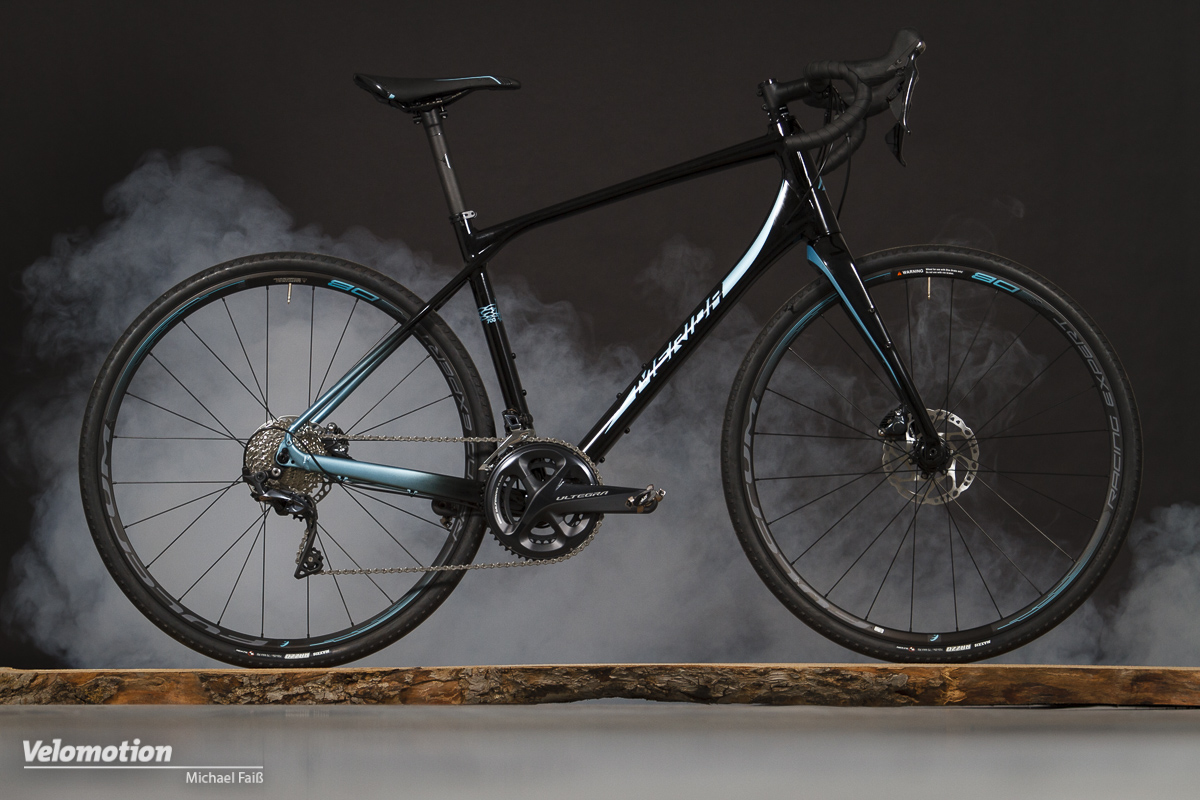
Bestenliste: Gravelbikes bis 2.600€ im Test
Update 2022: Gravelbikes in zwei Testfeldern im Test

Bestenliste Gravelbikes bis 4.000 Euro – Modelljahr 2022: Viel Auswahl im mittleren Preisbereich
Gravelbikes bis 4.000 Euro im Test: Ein günstiges Rad kann sich lohnen Bereits für recht wenig Geld sind attraktive Gravelbikes in unterschiedlichen Kategorien erhältlich – vom Rennsportrad bis zum Bikepacking-Modell. Von knapp 1.500 bis rund 4.000 Euro sind die Unterschiede freilich groß: hier das solide Einsteiger-Modell mit eher einfachen Teilen, dort ein Highend-Rahmen mit schon […]

Bestenliste High-End Gravelbikes ab 4.000 Euro – Gravelbike-Träume und solche, die wahr werden können
Die Gravel-Oberklasse ist ein weites Feld. Was sich darin tummelt, fasziniert, wirft aber auch Fragen auf: Warum muss ein Rad fünfstellig kosten? Wir erklären, was teurere und ganz teure Modelle ausmacht. Ein Gravelbike für 4.000 Euro? Das mag manchem viel vorkommen, ist aber erst der Einstieg in den oberen Preisbereich – am anderen Ende der […]
Test Gravelbikes 2019: Eckdaten und Testfeld
Wir haben uns dazu entschieden, den maximalen Preis für unser Testfeld auf 2.600 Euro zu begrenzen. Der Hintergrund: Trotz ihrer Massentauglichkeit dürften Gravelbikes für die meisten Radler dort draußen noch immer eher Zweit- oder Drittrad denn das Hauptrad sein. Insofern ist die Bereitschaft, 3.000, 4.000 Euro oder sogar mehr in die Hand zu nehmen, eher gering; somit tummeln sich im Testfeld zwar viele unterschiedliche Ausstattungsvarianten, aber die federleichten Top-Modelle mit Gewichten unter 8kg gehören eher nicht dazu.
Test Gravelbikes 2019: Teststrecke und Fahrer
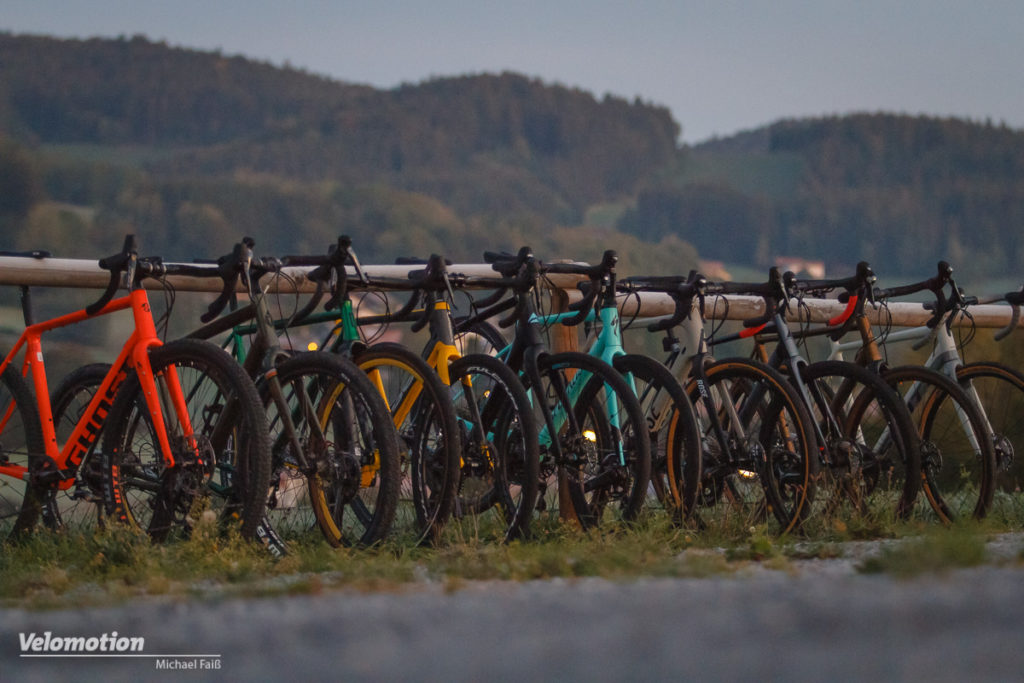
Bei unserem Test haben wir uns bemüht, für alle Räder möglichst vergleichbare Bedingungen und Eindrücke zu sammeln, um euch, unseren Lesern auch einen weitgehend objektiven Eindruck der mehr als ein Dutzend Rädern zu vermitteln. Dafür nutzten wir zwei schöne Spätsommertage und testeten alle Räder auf derselben Teststrecke: Knapp 25km lang, ca. 70% Asphalt, 30% Schotter bzw. Offroad, teils auch etwas gröber. Wir hatten an beiden Tagen strahlenden Sonnenschein, also gleiche Bedingungen und auch immer den selben Testfahrer.
Test Gravelbikes 2019: Das fiel auf
Was ist uns während des Test aufgefallen? Bemerkenswert war tatsächlich die Bandbreite unterschiedlicher Ausrichtungen, was natürlich auch mit der etwas schwammigen Definition der Radkategorie Gravelbike zu tun hat. Von der Rennfeile bis zum gemütlichen Langstreckentourer war wirklich alles dabei. In eine vergleichbare Kerbe schlagen die verbauten Antriebe – mit Umwerfer oder ohne? Hier halten sich die Testkandidaten fast die Waage. Keine Diskussion gibt es übrigens bei den verwendeten Bremssystemen: Scheibenbremsen waren an jedem Rad verbaut, die meisten davon hydraulisch, doch auch einige mechanische Varianten sind mit dabei.
Alle Infos zu Shimanos neuer Gravel-Gruppe GRX
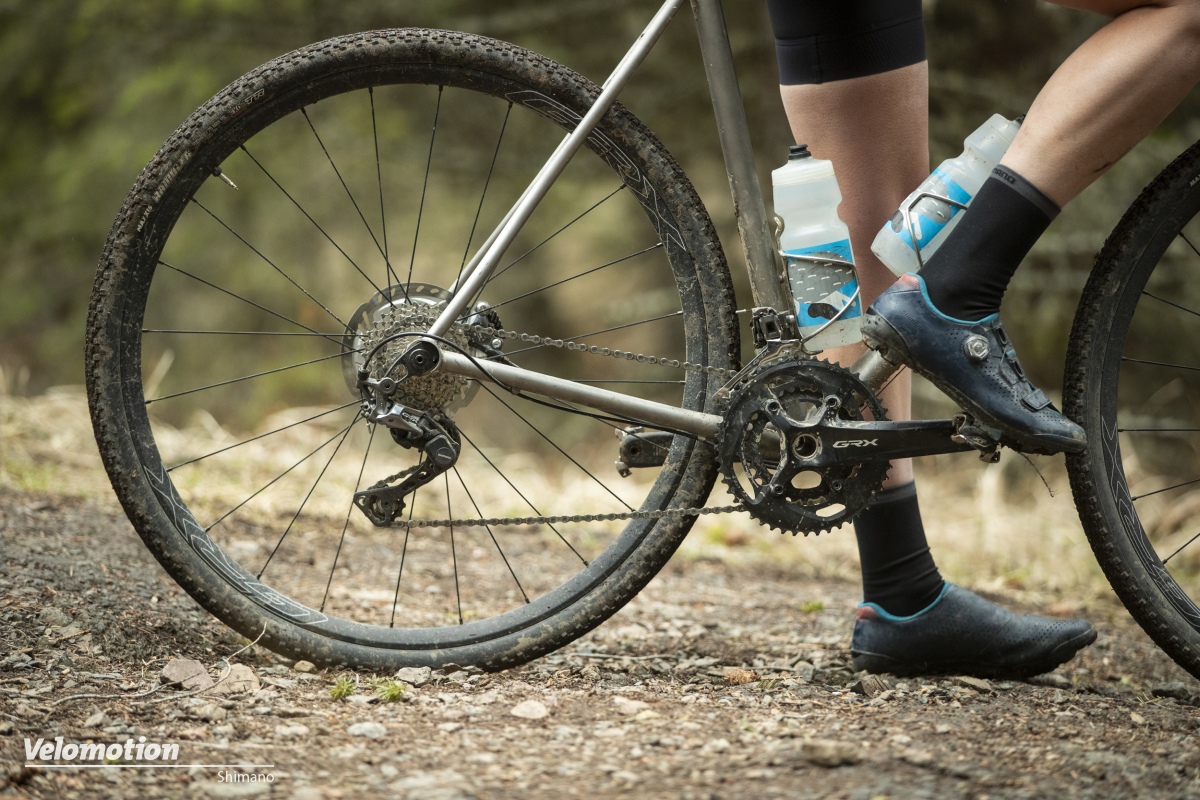
Produktnews: Shimano GRX: Alle Infos zur neuen Gravel-Gruppe
Produktnews / Gravel: Gravelbikes sind ihrer einstigen Nische längst entwachsen und mit ihrer immer größeren Beliebtheit steigt auch das Bedürfnis nach speziell auf die Universal-Renner abgestimmten Komponenten. Shimanos Antwort darauf lautet GRX – eine komplette Serie an speziellen Gravel-Komponenten, mit denen man in mehrerer Hinsicht neue Wege geht. Wir haben alle Infos zur neuen Shimano […]
Unser Testfazit
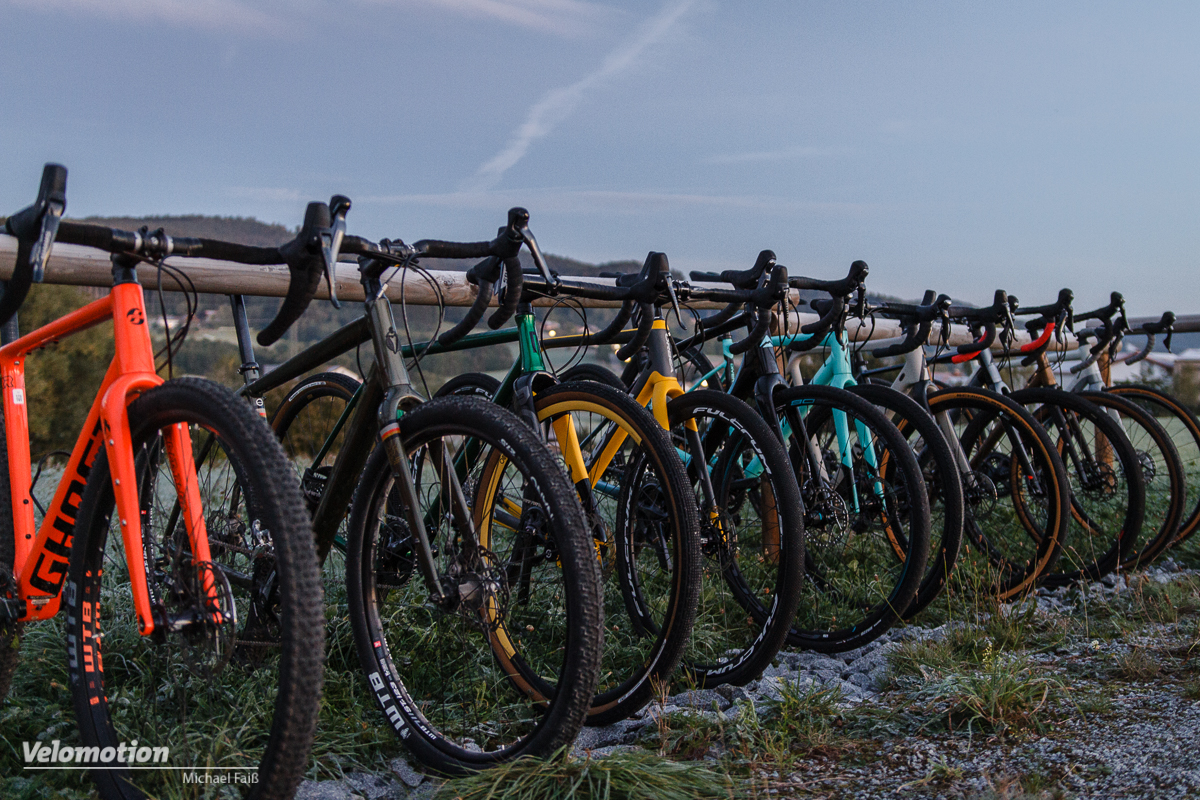
Gravelbikes Test 2018: 13 Räder im Test: Unser Fazit
Test: In den vergangenen Wochen haben wir 13 Gravelbikes bis 2.600 Euro unter die Lupe genommen. Was uns während der Testzeit aufgefallen ist, welche Räder uns überrascht haben und unser Fazit zum Gravelbikes Test 2018. Update 2020: 30 Gravelbikes in zwei Testfeldern im Test Gravelbikes Test 2018 – Erkenntnis #1: Gravelbike ist nicht gleich Gravelbike […]