


Bestenliste Fahrradbeleuchtung/ Lampen StVZO mit Akku
Fahrradbeleuchtung/ Lampen – Test: Seit der Anpassung der Vorschriften im Sommer 2013 gibt es StVZO-konforme Akkuleuchten wie Sand am Meer. Velomotion erklärt, worauf es ankommt.
In Sachen Beleuchtung hat es der Gesetzgeber den Fahrradfahrern in den vergangenen Jahren leichter gemacht. Praxisferne Bestimmungen wie das weitgehende Verbot von Batteriebeleuchtung und die Dynamopflicht für E-Bikes sind gefallen; wer seinen alten Drahtesel nun mit einem Set Akkulampen versieht, anstatt die Lichtanlage mit großem Aufwand instand setzen zu lassen, muss vor der Polizeikontrolle keine Angst mehr haben – immer vorausgesetzt, alle vorgeschriebenen Reflektoren sind am Rad.
Auf die am 5. Juli 2013 beschlossenen Änderungen der StVZO in Bezug auf Fahrradbeleuchtung hat die Industrie schnell reagiert. Waren regelkonforme Akkulampen für Sporträder vorher Mangelware, hat jetzt jeder Beleuchtungs- und Zubehörhersteller Entsprechendes im Programm. Erkennbar sind diese Leuchten am Prüfzeichen mit Wellenlinie und K-Nummer. Und ihr auffälligstes Charakteristikum ist, dass sie nicht blinken. Ansonsten haben die Hersteller viele Freiheiten: Sie können ihren Lampen diverse Leuchtmodi verpassen, wobei lediglich zu beachten ist, dass die Beleuchtungsstärke bei mindestens 10 Lux liegt und das der Scheinwerfer blendfrei eingestellt werden kann. Dies ermöglicht eine klar definierte Hell-Dunkel-Grenze. Ebenfalls vorgeschrieben ist eine Warnleuchte, die niedrigen Akkustand anzeigt; wie diese näher beschaffen ist, bleibt dem Hersteller überlassen.
Die Minimalanforderungen der StVZO übertreffen alle von Velomotion.de getesteten Leuchten um das Zwei- bis Achtfache. Damit sorgen sie dafür, dass der Radfahrer nicht nur gesehen wird, sondern auch selbst gute Sicht hat – wobei letzteres je nach Ausführung mal besser, mal weniger gut funktioniert. Leider ist weder der Preis noch eine Angabe von Beleuchtungsstärke (in Lux) oder Lichtstrom (in Lumen) eine verlässliche Aussage darüber, wie gleichmäßig, hell und weit eine Fahrradleuchte strahlt. Hier bewährt sich der Velomotion-Lichtvergleich, der Stärken und Schwächen objektiv darstellt.
Was die Halterung angeht, sorgten die Änderungen vom Juli 2013 anfangs für Verwirrung, da nicht definiert wurde, was „fest angebracht“ bedeuten sollte. Jüngst wurde klargestellt, dass sich die Leuchten nicht durch Vibrationen, Dranstoßen oder ähnliches verstellen dürfen. Ein fest an den Lenker geschraubter Halter ist also nicht vorgeschrieben; auch Silikonbänder sind zulässig. Die Machart der Halterung sollte auch bei der Kaufentscheidung eine Rolle spielen. Wer beim Rennradfahren eine Notbeleuchtung mitführen will, sollte schnell zu montierende Lampen wählen; dort, wo eine Akkuleuchte ständig dabei ist, kommt eher ein fest montierter Halter in Frage, auf den die Lampe dann aufgeschoben wird.
Viele Akkuleuchten werden im Set mit einem passenden Rücklicht angeboten, oder der Hersteller hat ein in Preis und Optik passendes Exemplar im Sortiment. Auch hier unterscheiden sich Form, Halterung und Helligkeit, wobei keine von uns getestete Leuchte zu dunkel, manche jedoch fast schon zu grell war.
In Sachen Akkuleistung sind die Herstellerangaben nur bedingt verlässlich, wie unser Test ergeben hat – gerade, wenn man die Leuchten im hellsten Modus benutzt. Allerdings gibt es Akkus, die erst nach mehrmaligem Laden und Entladen ihre volle Kapazität erreichen; die eine oder andere Lampe dürfte mit der Zeit also länger leuchten. Faktoren wie die Außentemperatur können die Leuchtdauer dagegen reduzieren.
Der Velomotion Fahrradbeleuchtung/ Lampen Testaufbau
Die Lampen sind in Lenkerhöhe montiert, die Kameraposition entspricht der Augenhöhe eine durchschnittlich großen Fahrers. Die Entfernung zum Zaun mit den Tour-de-France-Richtungspfeil beträgt 15 m; dazwischen sind jeweils 5 m mit einem Leitkegel markiert. Die seitlichen Kegel kennzeichnen jeweils 1,5 m von der Mitte aus.
Wir haben die Lampen so positioniert, dass der obere Rand des Lichtfeldes genau auf Höhe der Zaunspitzen (1,75 m) liegt. Das entspricht von Fall zu Fall nicht der Empfehlung, dass der hellste Bereich des Lichtfeldes auf der Fahrbahn in 5 bis 10 m Entfernung liegen soll, zeigt aber das Potenzial der Leuchten in Sachen Fernsicht und ist außerdem bei Dunkelheit deutlich praxisnäher. Wie man sieht, gelingt es guten Leuchten, eine vorschriftsmäßige Ausleuchtung des mittleren Bereichs mit guter Sicht in einiger Entfernung zu vereinen.
Zur Feststellung der maximalen Leuchtdauer haben wir die Lampen voll aufgeladen vor einer Kamera aufgestellt und den Zeitpunkt ihres Verlöschens bzw. des Nachlassens der Leuchtkraft notiert. Anzumerken ist, dass manche Hersteller nicht die Leuchtdauer bei maximaler Helligkeit angeben. Abweichungen von der angegebenen Leuchtdauer nach unten können auch damit zusammenhängen, dass manche Akkus erst nach mehrmaligem Entladen und Wiederaufladen ihre volle Kapazität erreichen.
Seit der Anpassung der Vorschriften im Sommer 2013 gibt es StVZO-konforme Akkuleuchten für das Fahrrad wie Sand am Meer. Velomotion erklärt, worauf es ankommt.
In Sachen Beleuchtung hat es der Gesetzgeber den Fahrradfahrern in den vergangenen Jahren leichter gemacht. Praxisferne Bestimmungen wie das weitgehende Verbot von Batteriebeleuchtung und die Dynamopflicht für E-Bikes sind gefallen; wer seinen alten Drahtesel nun mit einem Set Akkulampen versieht, anstatt die Lichtanlage mit großem Aufwand instand setzen zu lassen, muss vor der Polizeikontrolle keine Angst mehr haben – immer vorausgesetzt, alle vorgeschriebenen Reflektoren sind am Rad.
Auf die am 5. Juli 2013 beschlossenen Änderungen der StVZO in Bezug auf Fahrradbeleuchtung hat die Industrie schnell reagiert. Waren regelkonforme Akkulampen für Sporträder vorher Mangelware, hat jetzt jeder Beleuchtungs- und Zubehörhersteller Entsprechendes im Programm. Erkennbar sind diese Leuchten am Prüfzeichen mit Wellenlinie und K-Nummer. Und ihr auffälligstes Charakteristikum ist, dass sie nicht blinken. Ansonsten haben die Hersteller viele Freiheiten: Sie können ihren Lampen diverse Leuchtmodi verpassen, wobei lediglich zu beachten ist, dass die Beleuchtungsstärke bei mindestens 10 Lux liegt und das der Scheinwerfer blendfrei eingestellt werden kann. Dies ermöglicht eine klar definierte Hell-Dunkel-Grenze. Ebenfalls vorgeschrieben ist eine Warnleuchte, die niedrigen Akkustand anzeigt; wie diese näher beschaffen ist, bleibt dem Hersteller überlassen.
Die Minimalanforderungen der StVZO übertreffen alle von Velomotion.de getesteten Fahrrad-Leuchten um das Zwei- bis Achtfache. Damit sorgen sie dafür, dass der Radfahrer nicht nur gesehen wird, sondern auch selbst gute Sicht hat – wobei letzteres je nach Ausführung mal besser, mal weniger gut funktioniert. Leider ist weder der Preis noch eine Angabe von Beleuchtungsstärke (in Lux) oder Lichtstrom (in Lumen) eine verlässliche Aussage darüber, wie gleichmäßig, hell und weit eine Fahrradleuchte strahlt. Hier bewährt sich der Velomotion-Lichtvergleich, der Stärken und Schwächen objektiv darstellt.
Was die Halterung angeht, sorgten die Änderungen vom Juli 2013 anfangs für Verwirrung, da nicht definiert wurde, was „fest angebracht“ bedeuten sollte. Jüngst wurde klargestellt, dass sich die Leuchten nicht durch Vibrationen, Dranstoßen oder ähnliches verstellen dürfen. Ein fest an den Lenker geschraubter Halter ist also nicht vorgeschrieben; auch Silikonbänder sind zulässig. Die Machart der Halterung sollte auch bei der Kaufentscheidung eine Rolle spielen. Wer beim Rennradfahren eine Notbeleuchtung mitführen will, sollte schnell zu montierende Lampen wählen; dort, wo eine Akkuleuchte ständig dabei ist, kommt eher ein fest montierter Halter in Frage, auf den die Lampe dann aufgeschoben wird.
Viele Akkuleuchten werden im Set mit einem passenden Rücklicht angeboten, oder der Hersteller hat ein in Preis und Optik passendes Exemplar im Sortiment. Auch hier unterscheiden sich Form, Halterung und Helligkeit, wobei keine von uns getestete Leuchte zu dunkel, manche jedoch fast schon zu grell war.
In Sachen Akkuleistung sind die Herstellerangaben nur bedingt verlässlich, wie unser Test ergeben hat – gerade, wenn man die Leuchten im hellsten Modus benutzt. Allerdings gibt es Akkus, die erst nach mehrmaligem Laden und Entladen ihre volle Kapazität erreichen; die eine oder andere Lampe dürfte mit der Zeit also länger leuchten. Faktoren wie die Außentemperatur können die Leuchtdauer dagegen reduzieren.
Der Velomotion Fahrradbeleuchtung/ Lampen Testaufbau
Die Lampen sind in Lenkerhöhe montiert, die Kameraposition entspricht der Augenhöhe eine durchschnittlich großen Fahrers. Die Entfernung zum Zaun mit den Tour-de-France-Richtungspfeil beträgt 15 m; dazwischen sind jeweils 5 m mit einem Leitkegel markiert. Die seitlichen Kegel kennzeichnen jeweils 1,5 m von der Mitte aus.
Wir haben die Fahrradlampen so positioniert, dass der obere Rand des Lichtfeldes genau auf Höhe der Zaunspitzen (1,75 m) liegt. Das entspricht von Fall zu Fall nicht der Empfehlung, dass der hellste Bereich des Lichtfeldes auf der Fahrbahn in 5 bis 10 m Entfernung liegen soll, zeigt aber das Potenzial der Leuchten in Sachen Fernsicht und ist außerdem bei Dunkelheit deutlich praxisnäher. Wie man sieht, gelingt es guten Leuchten, eine vorschriftsmäßige Ausleuchtung des mittleren Bereichs mit guter Sicht in einiger Entfernung zu vereinen.
Zur Feststellung der maximalen Leuchtdauer haben wir die Lampen voll aufgeladen vor einer Kamera aufgestellt und den Zeitpunkt ihres Verlöschens bzw. des Nachlassens der Leuchtkraft notiert. Anzumerken ist, dass manche Hersteller nicht die Leuchtdauer bei maximaler Helligkeit angeben. Abweichungen von der angegebenen Leuchtdauer nach unten können auch damit zusammenhängen, dass manche Akkus erst nach mehrmaligem Entladen und Wiederaufladen ihre volle Kapazität erreichen.
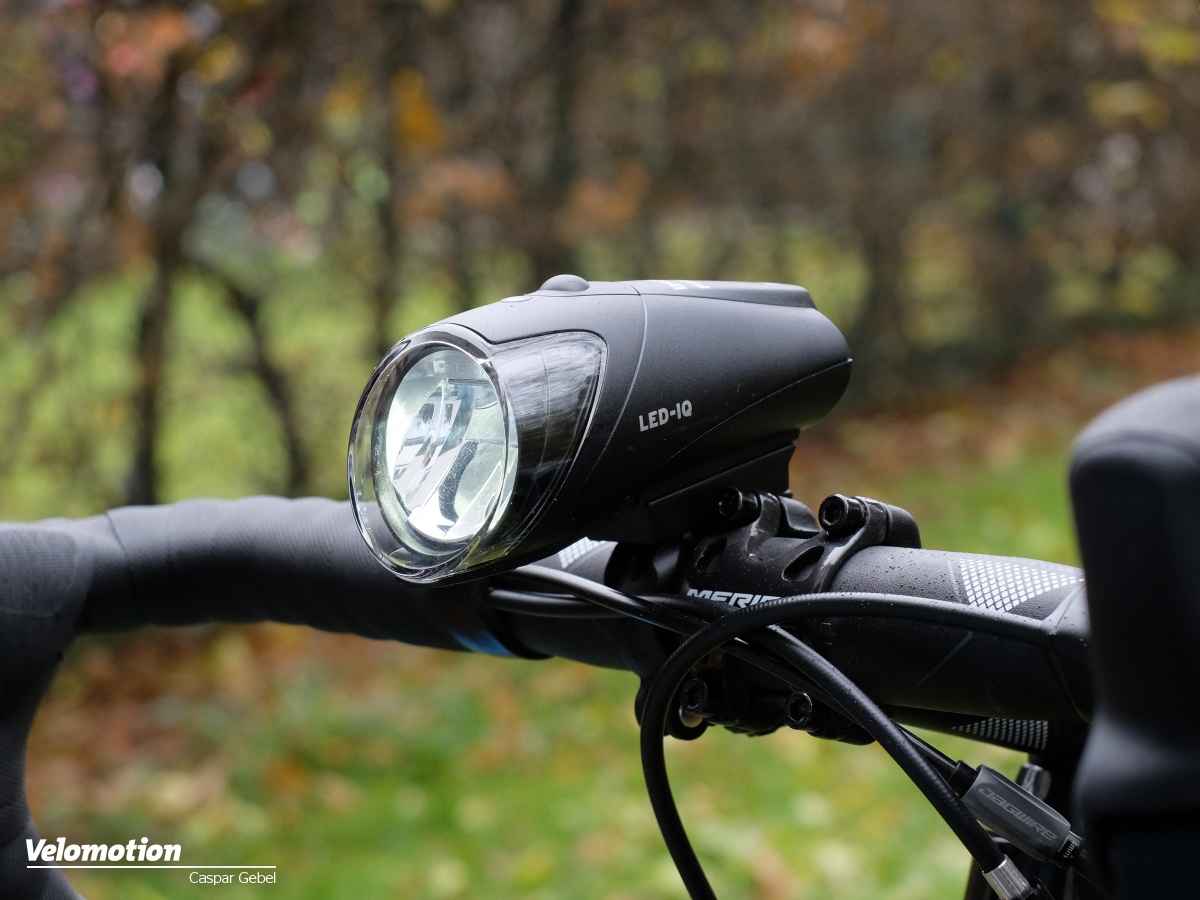
Tests: Test: Busch & Müller IXON IQ Premium / IX-BACK Senso Beleuchtungsset
Busch & Müller IXON IQ Premium Ausleuchtung Die hellste Akkuleuchte von Busch & Müller produziert ein großes, gleichmäßig helles Lichtfeld, das nicht nur in die Tiefe, sondern auch stark in die Breite geht. Damit ist nicht nur beste Sicht in engen Kurven gewährleistet; auch rechts und links der Fahrbahn bleibt nichts verborgen – hilfreich etwa […]
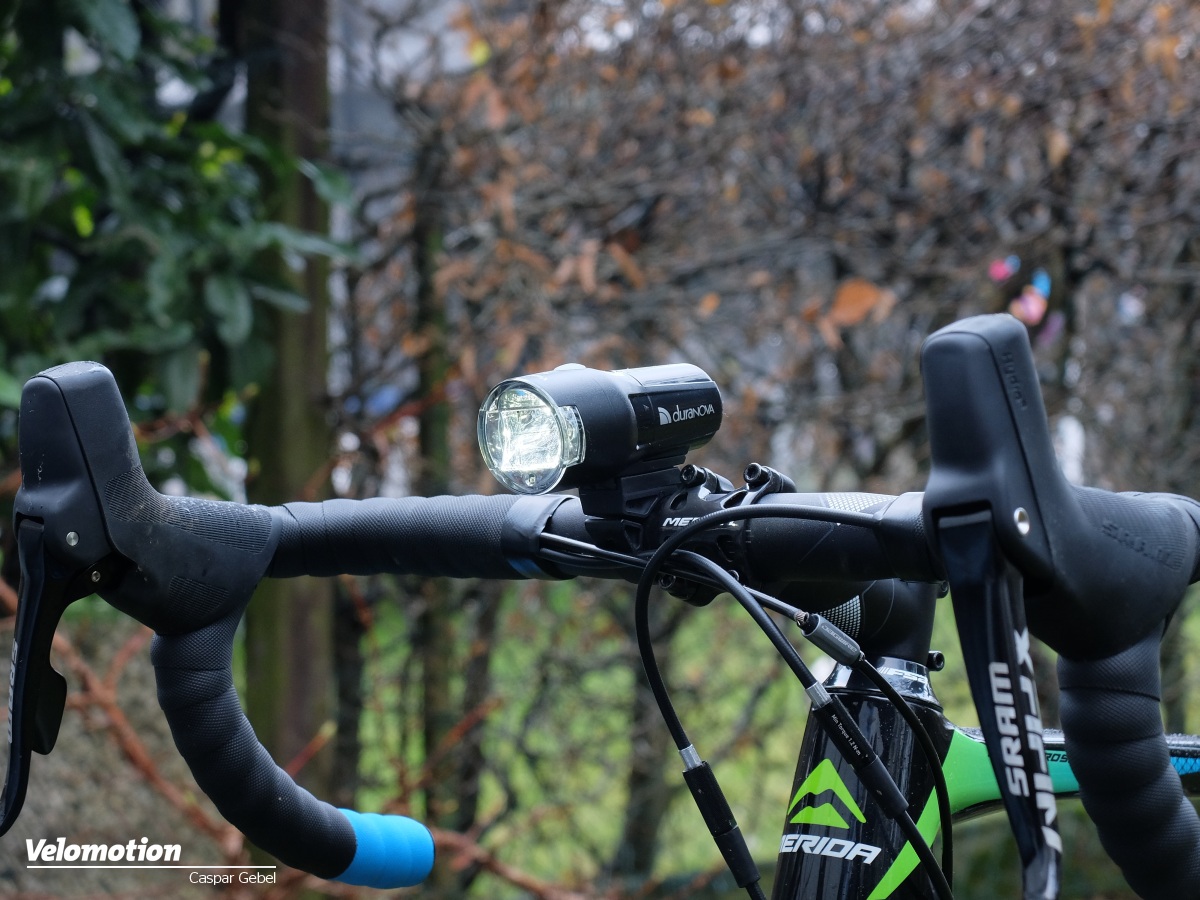
Tests: Test: Duranova Vegas F30 RSL / Vegas R II RSL
Ausleuchtung Duranova Vegas F30 Die Duranova verfügt über eine Helligkeitssensor, der die Lampe ans Umgebungslicht anpasst. Ist es richtig dunkel, wird die Leuchte mit ihren 30 Lux richtig hell: Direkt vor dem Rad produziert sie einen großen Lichtfleck, der sich nach etwa 2 m deutlich verjüngt und als gleichmäßig ausgeleuchtete Schneise in die Ferne führt. […]

Tests: Test: Busch & Müller IXON Fyre / IXXY
Ausleuchtung Busch & Müller IXON Fyre Die kompakte IXON Fyre glänzt mit einem extrem gleichmäßigen Lichtkorridor, der bis ca. 2 m vor dem Rad auch relativ breit ist. In 15 m Entfernung lässt sich eine kleine, etwas dunklere Zone ausmachen, die aber in der Praxis ohne Bedeutung ist. Bei „nur“ 30 Lux ist klar, dass […]
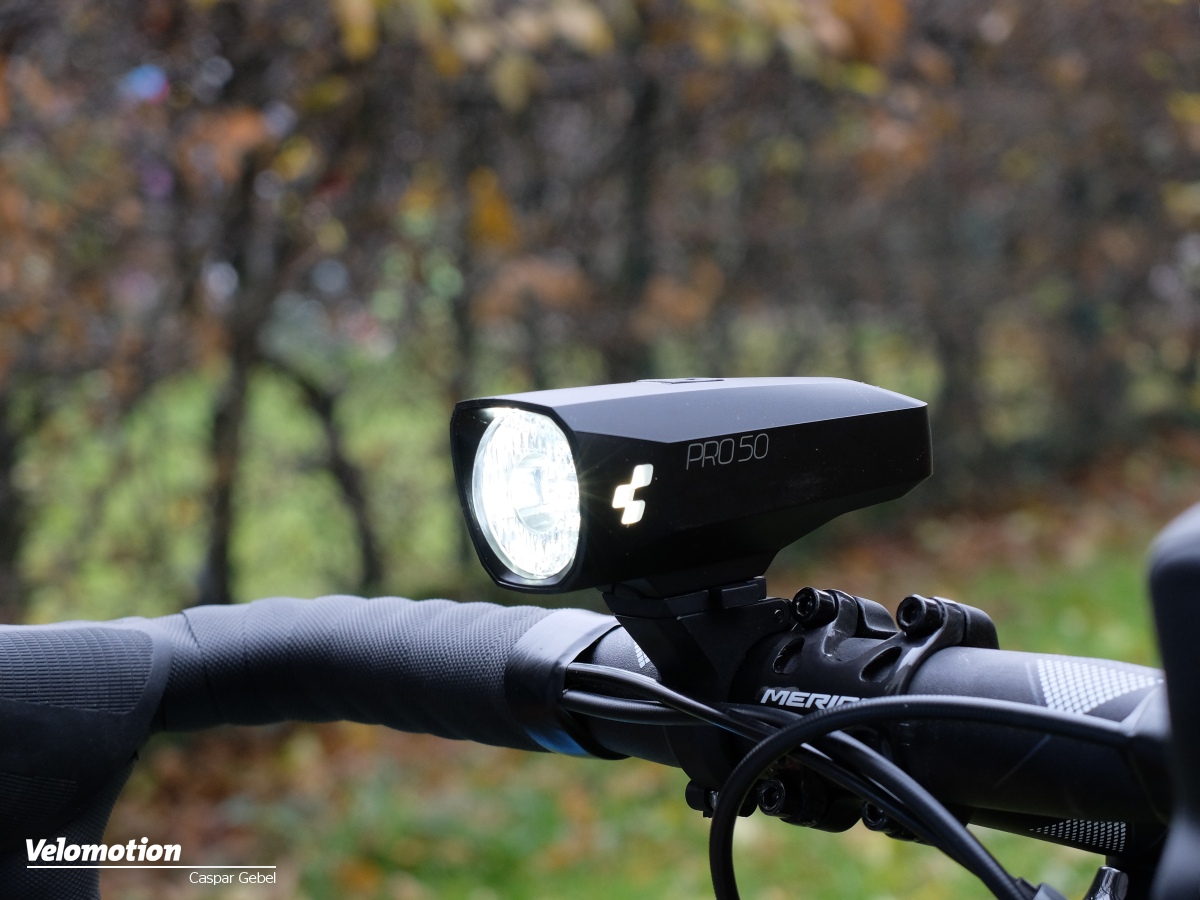
Tests: Test: Cube Pro 50 / Cube Pro
Ausleuchtung Cube Pro 50 / Cube Pro Die große Cube gehört zu den helleren Lampen der 50-Lux-Klasse. Ihr klar umrissenes Lichtfeld deckt einen großen Bereich ab, der etwa 2 m vor dem Fahrrad beginnt und in 15 m Entfernung längst nicht endet. In 5 m Entfernung erreicht der helle Bereich seine größte Breite von rund […]
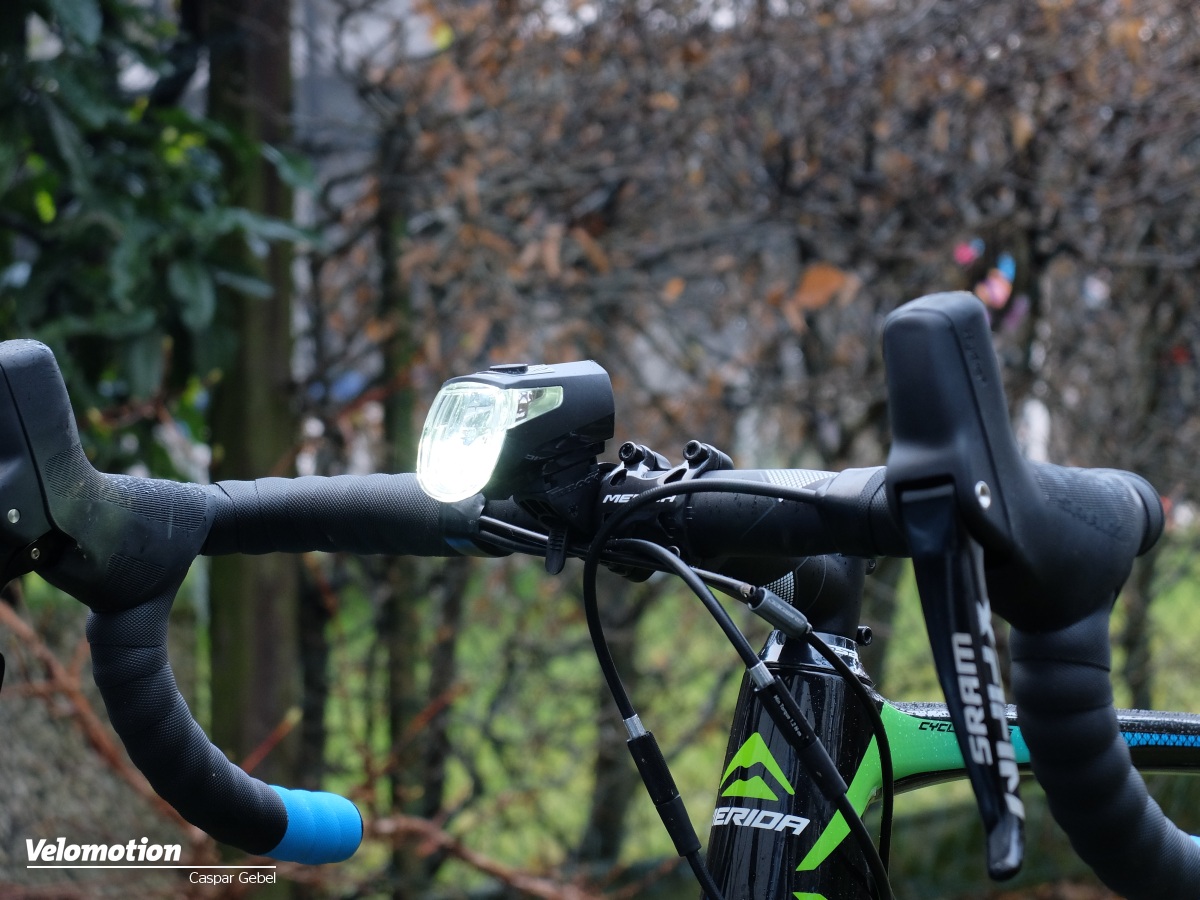
Allgemein: Test: Trelock LS 360 I-GO Eco / LS 720
Ausleuchtung Trelock LS 360 I-GO Eco 15 Lux kling recht bescheiden, doch was die kompakte Trelock daraus macht, ist beachtlich. Los geht’s mit einem gerade noch ordentlich beleuchtetem Nahbereich; darauf folgt ein gleichmäßig heller Lichtkorridor, der auch in Sachen Reichweite überzeugen kann. Wieder einmal ist jedoch die Breite des Lichtfeldes der limitierende Faktor; hier zählt […]
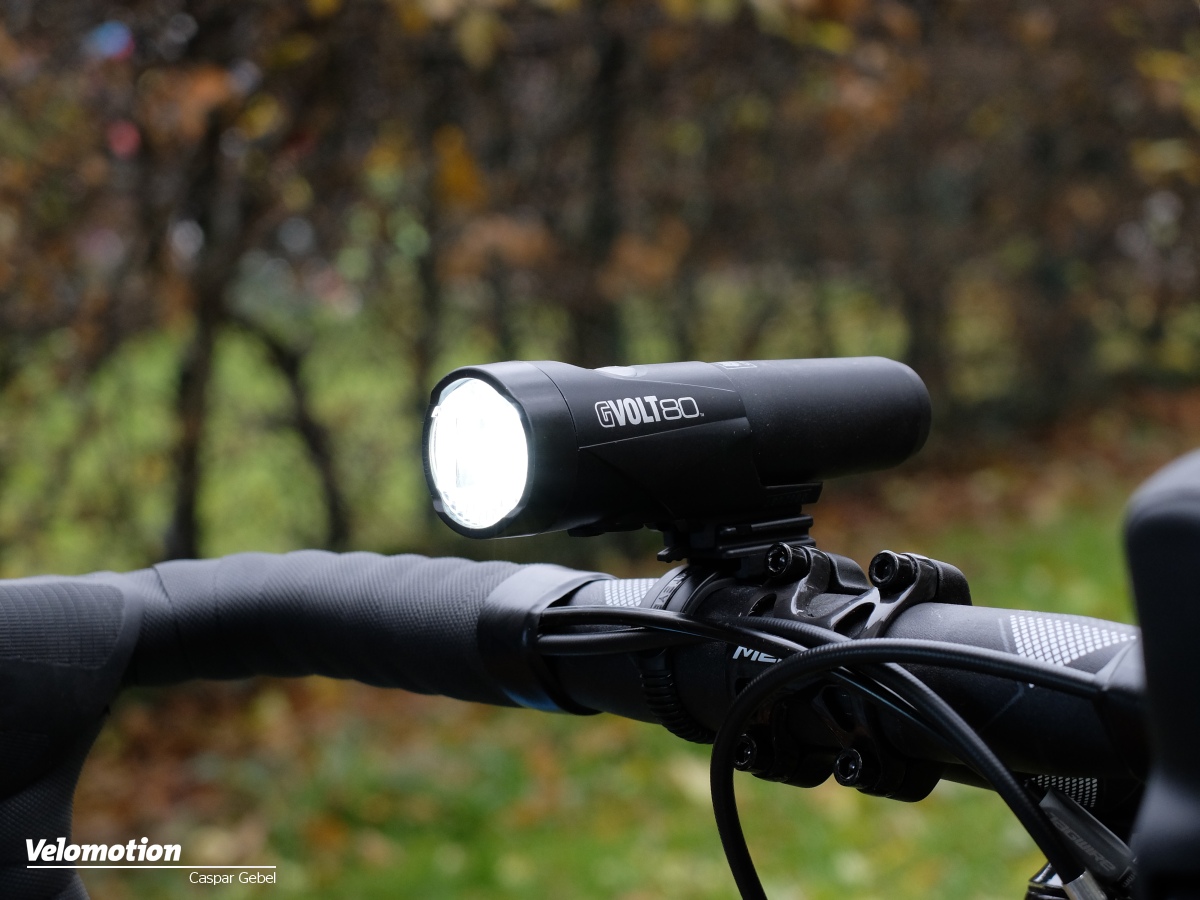
Tests: Test: Cat Eye GVolt 80 / Rapid XG
Ausleuchtung Cat Eye GVolt 80 / Rapid XG Auch die größere Cat Eye erfreut mit einer beeindruckenden Lichtfülle. Oberhalb des 5-Meter-Bereichs geht ihr Lichtfeld stark in die Breite, sodass auch am Streckenrand befindliche Objekte sehr gut sichtbar sind, seien es dunkel gekleidete Fußgänger oder unbeleuchtete Fahrzeuge. Der Nahbereich ist dabei eher schattig, in ziemlich genau […]
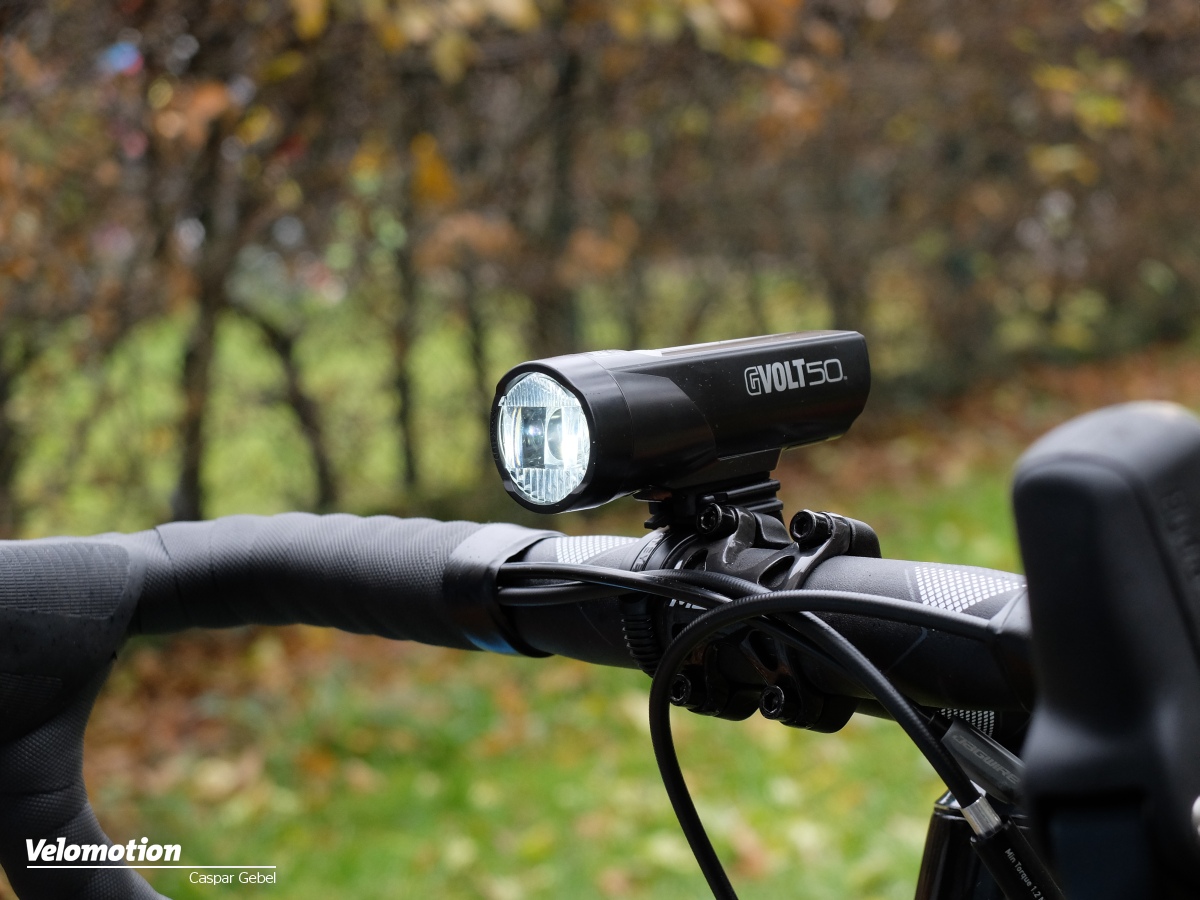
Tests: Test: Cat Eye GVolt 50 / Micro Rapid
Ausleuchtung Cat Eye GVolt 50 Die kompakte Cateye kommt als eine der wenigen Lampen mit „Indirekter Quelle“; bei ihr scheint das Leuchtmittel klassisch aus dem Reflektor hinaus. Dem Lichtbild sieht man das nicht an: Die GVolt 50 ist sehr hell in der Tiefe und leuchtet dabei im Bereich ab 5 m sehr breit aus. Den […]

Tests: Test: Sigma Sport Sportster / Mono
Ausleuchtung Sigma Sport Sportster / Mono Auffälligstes Merkmal der Sigma ist das grün leuchtende Logo an der Oberseite, das als Kapazitätsanzeige dient. Die Leuchtkraft der Lampe bliebt allerdings hinter den Erwartungen in dieser Preisklasse zurück: Im 5 bis 15 m Entfernung sorgt die Sigma zwar für sehr gute Sicht, doch der Nahbereich bleibt weitgehend dunkel. […]
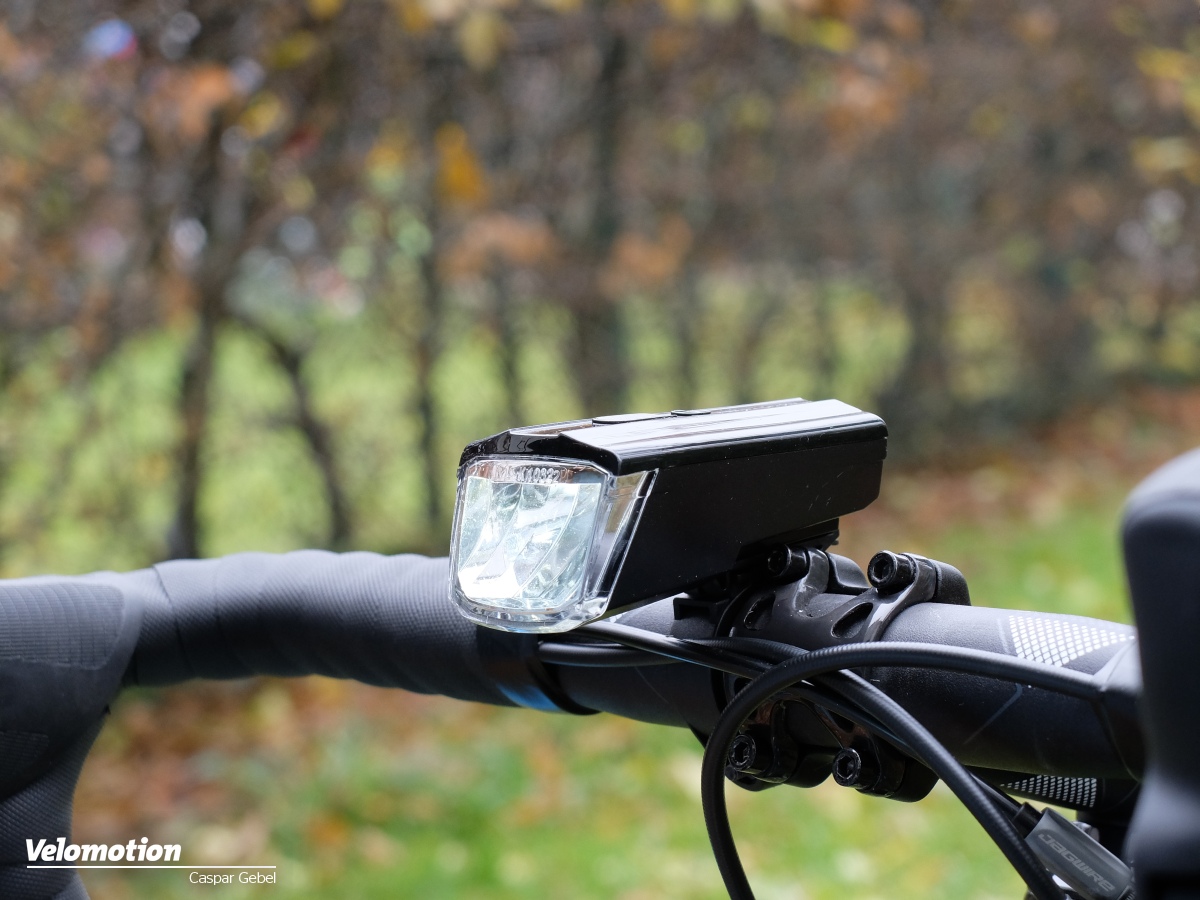
Tests: Test: XLC Comp Titania
Ausleuchtung Lampe XLC Comp Titania Die Akkuleuchte des Zubehöranbieters zeigt ein in dieser Preisklasse nicht unübliches Lichtbild: Auf einen recht hellen Nahbereich folgt eine dunkle Zone, bis dann ab 5 m der eigentliche Lichtkegel beginnt, der für die angegebenen 20 Lux sehr anständig ausgeleuchtet ist. Wie so oft liegt das Problem nicht in der Tiefe, sondern […]
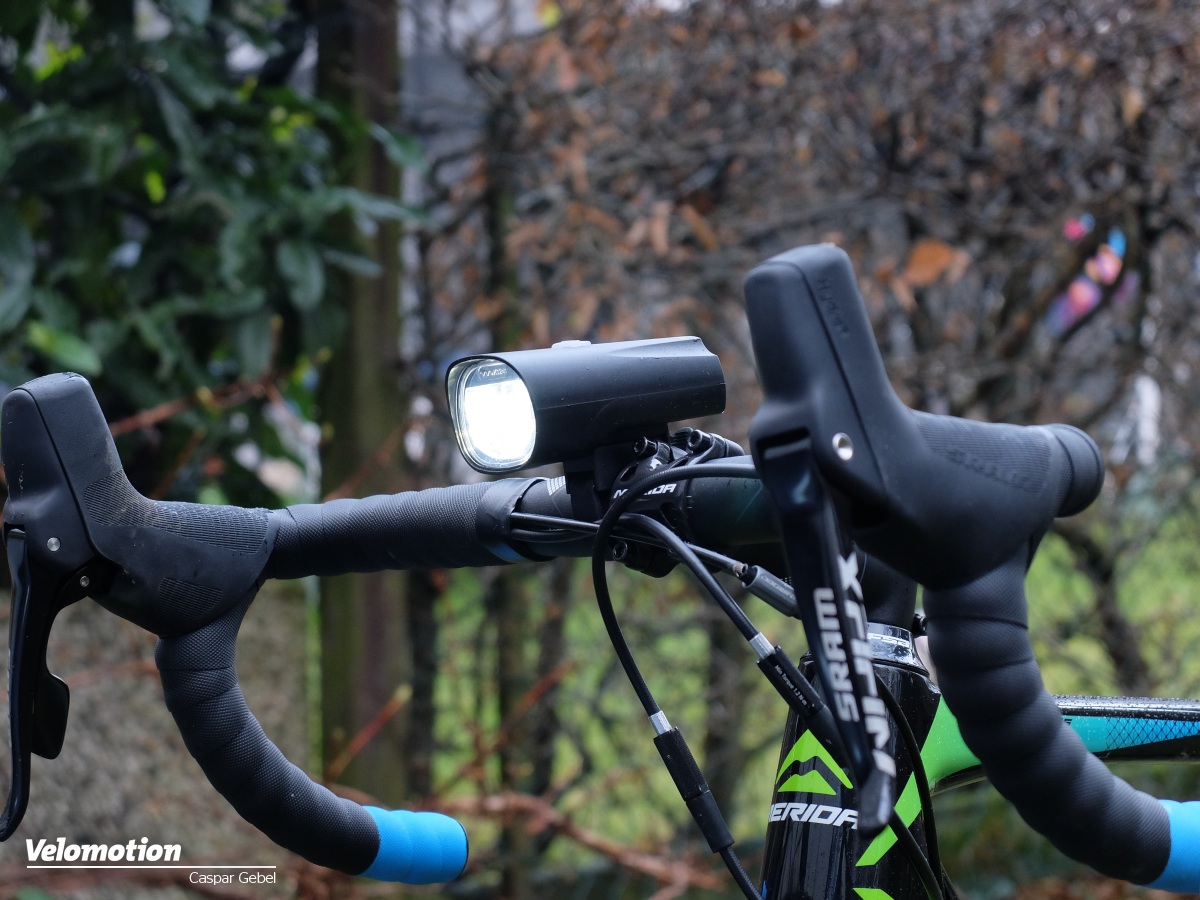
Tests: Test: Smart Touring 30 LED
Ausleuchtung Smart Touring 30 LED Smart ist ein Klassiker des deutschen Fahrradhandels in Sachen einfacher Batteriebeleuchtung. Der Anbieter aus Taiwan geht mit der Zeit und präsentiert die vielleicht günstigste Leuchte mit „Indirekter Quelle“, deren Lichtbild wie folgt aussieht: Der Nahbereich wird durchaus annehmbar erhellt; etwa 3 bis 7 m vor dem Rad bleibt es nahezu […]
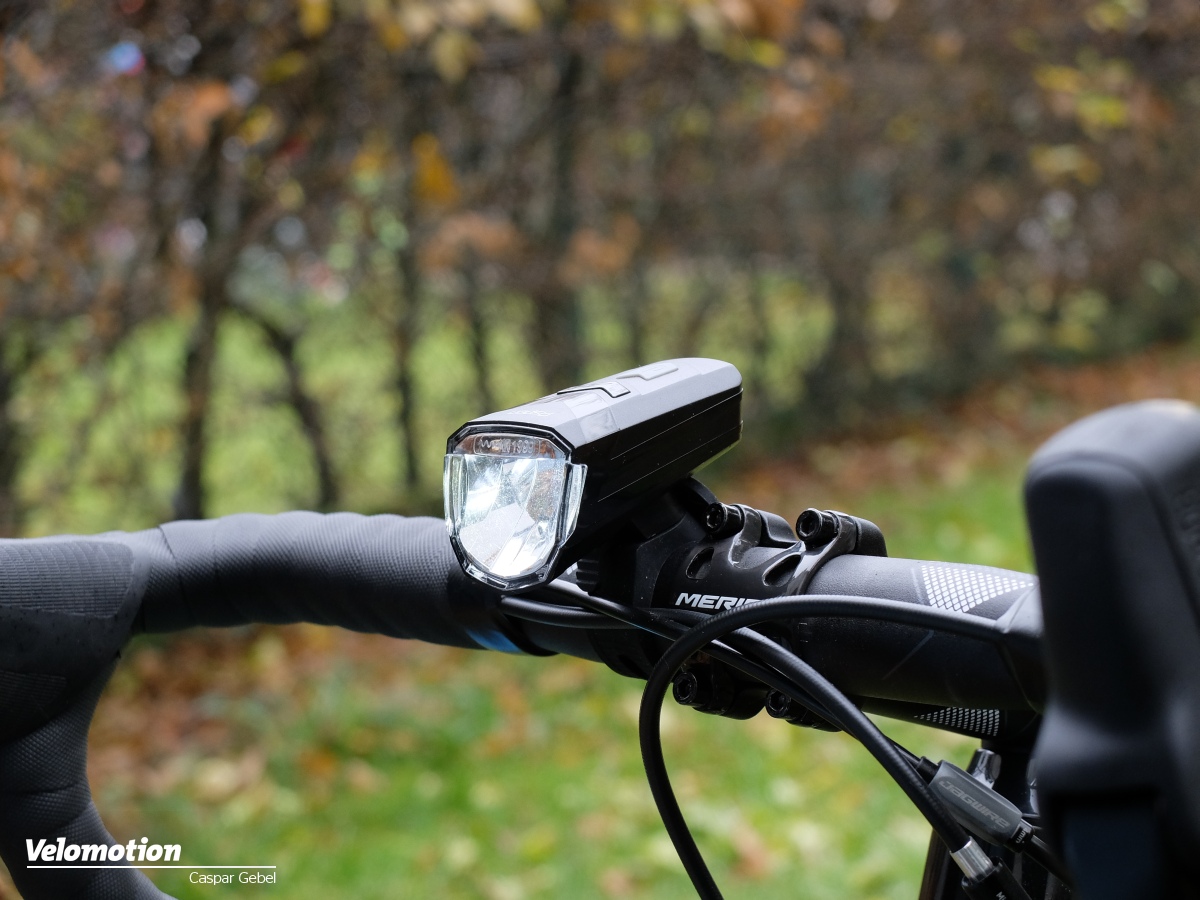
Tests: Test: FISCHER LED Leuchtenset 30/15 Lux
Ausleuchtung Fischer LED In 8-15 m Entfernung produziert das Fischer LED Leuchtenset ein helles, klar umgrenztes Lichtfeld, das allerdings nicht sehr breit ausfällt. Im mittleren Bereich, etwa 3 bis 7 m vor dem Fahrer, bleibt es ziemlich dunkel; im Nahbereich direkt vor dem Rad ist die Ausleuchtung gut. Die Leuchtdauer ist mehr als ausreichend, zumal die […]
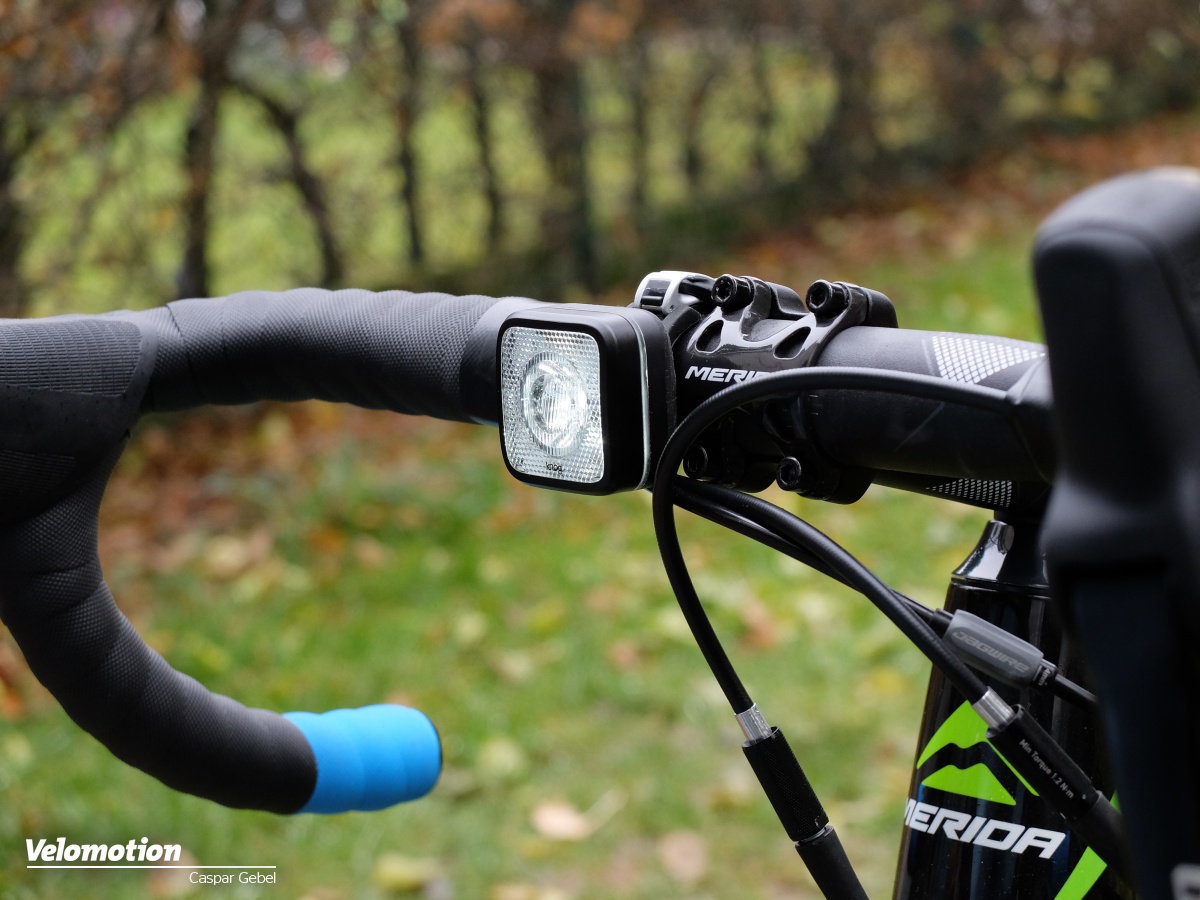
Tests: Test: Knog Blinder Mob USB LED Twinpack
Ausleuchtung Knog Blinder Mob USB LED Twinpack Die quadratische Knog ist durchaus mehr als eine Notbeleuchtung. Während es im Nahbereich dunkel bleibt, wird die zur Früherkennung von Schlaglöchern u. ä. wichtige Zone 3-10 m vor dem Rad hell ausgeleuchtet. Nach einem weiteren kleinen Dunkelfeld kann man sich über sehr ordentliche Fernsicht freuen. Dabei ist das […]
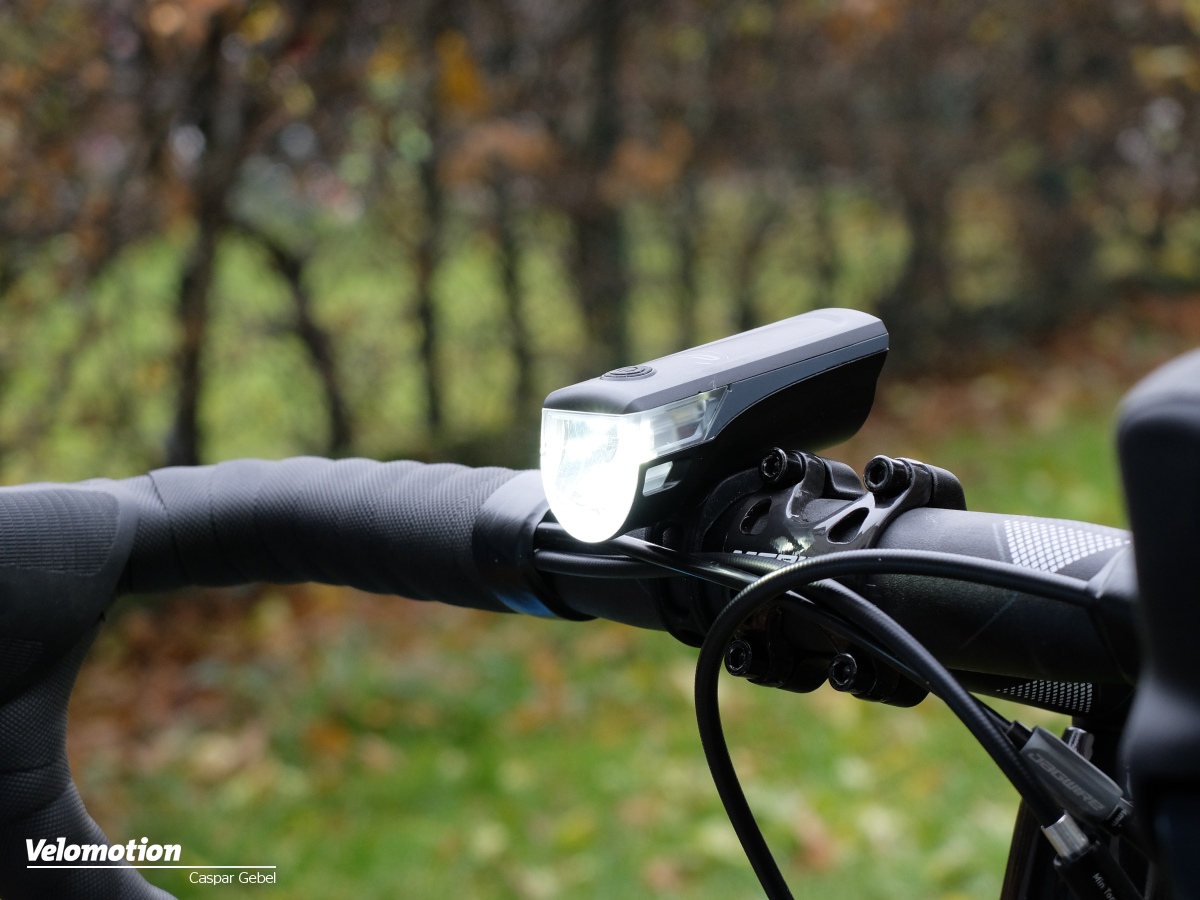
Tests: Test: Con-Tec Speed-LED USB
Ausleuchtung Con-Tec Speed-LED USB Die sehr kleine und leichte Con-Tec mag nach wenig aussehen, doch sie hat es faustdick hinterm IQ-Reflektor. Angesichts der Werksangabe von 20 Lux erfreut die großflächige, dabei sehr gleichmäßige Ausleuchtung. Der Nahbereich geht stark in die Breite, was beim Kurvenfahren hilfreich ist; in der 5-Meter-Zone sind dann seitliche Schatten bemerkbar. Ab […]
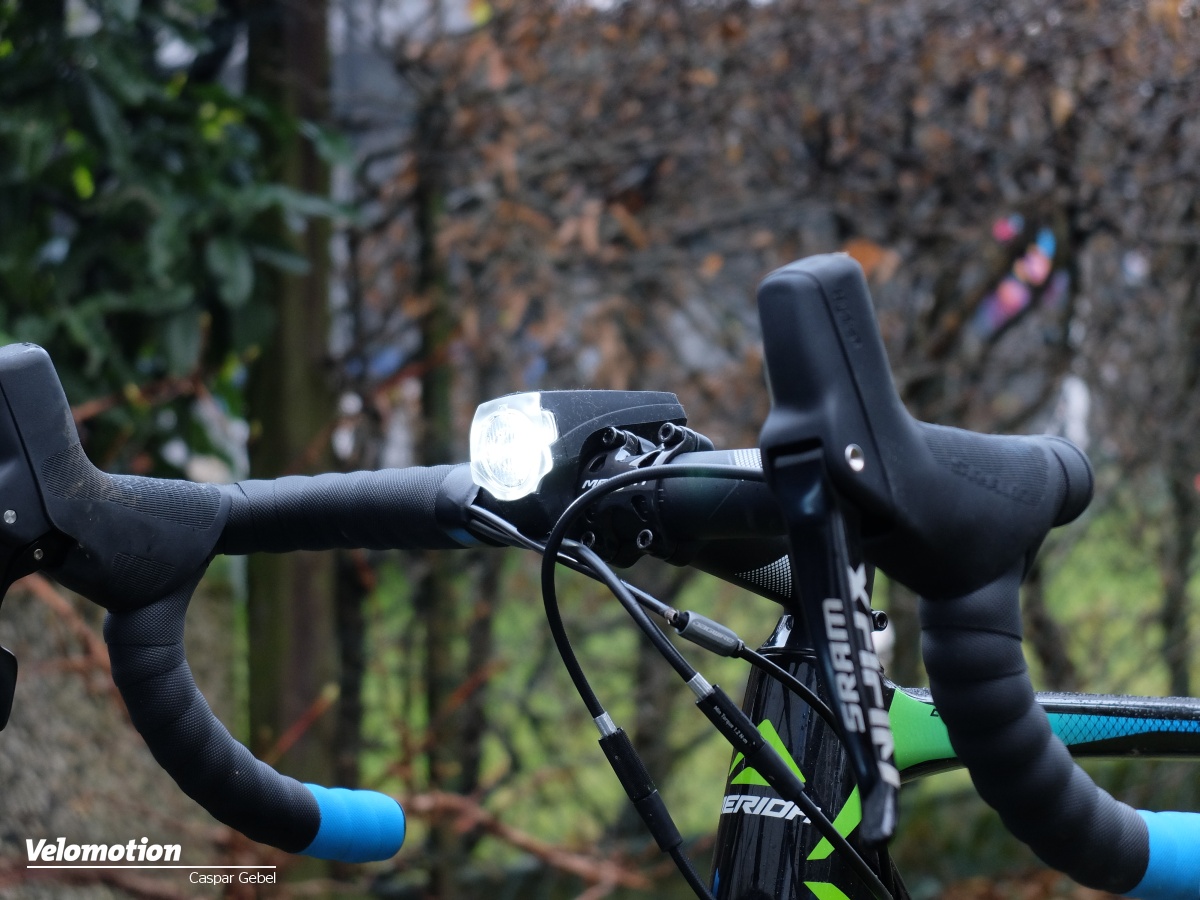
Tests: Test: M-Wave Atlas K10
Ausleuchtung M-Wave Atlas K10 Die teilweise deutlich unter ihrem empfohlenen Verkaufspreis gehandelte Atlas eignet sich sehr gut zum Gesehenwerden, zum Sehen dagegen nur mit Einschränkungen. Der Bereich von 5-15 m wird bei unserem Leuchtweitenvergleich hell bestrahlt, dabei ist das Lichtfeld aber eher schmal. Im Nahbereich bleibt es dagegen fast vollständig dunkel; wer die Lampe nach […]
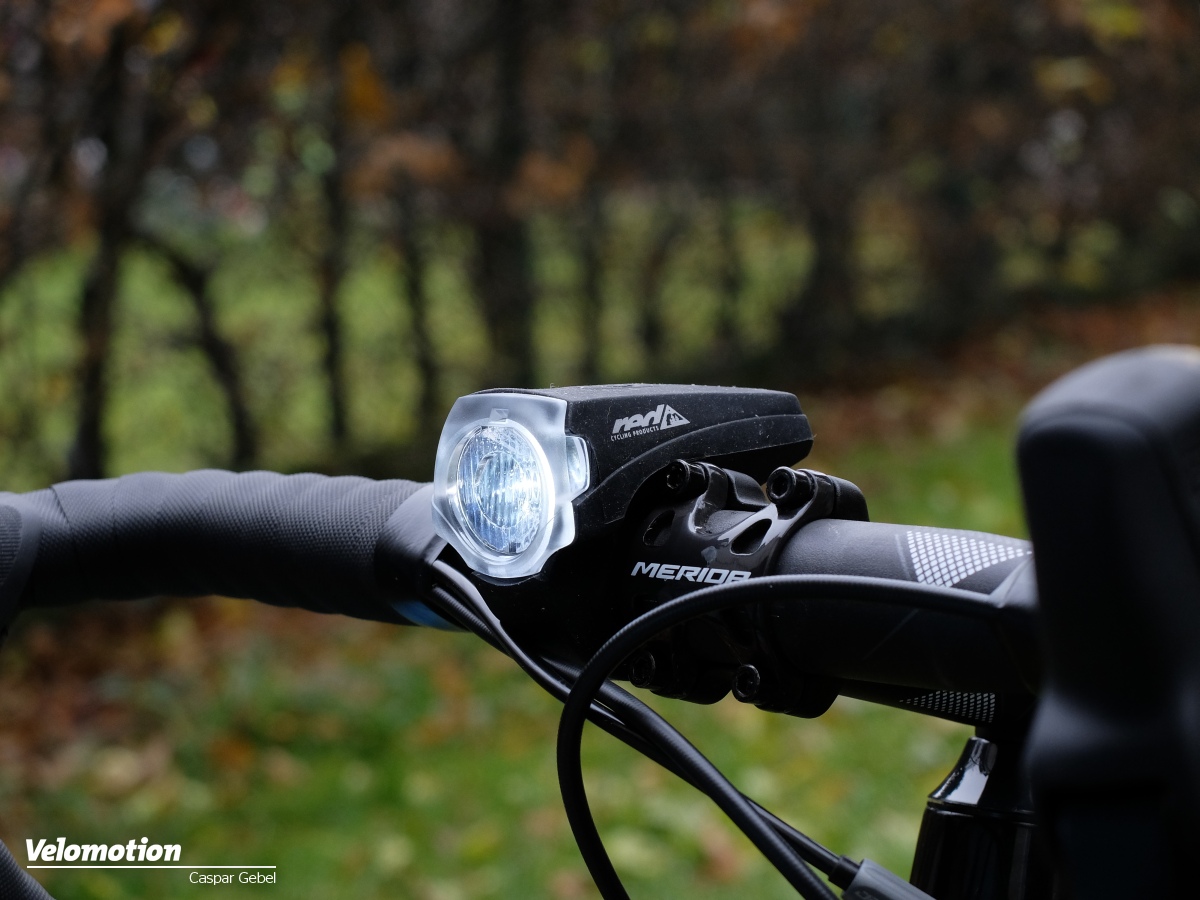
Tests: Test: Red Cycling Pro 20 Lux
Ausleuchtung Red Cycling Pro Die Red Cycling Pro 20 Lux eignet sich sehr gut zum Gesehenwerden, zum Sehen dagegen nur mit Einschränkungen. Der Bereich von 5-15 m wird bei unserem Leuchtweitenvergleich hell bestrahlt, dabei ist das Lichtfeld aber eher schmal. Im Nahbereich bleibt es dagegen fast vollständig dunkel; wer die Lampe nach unten dreht, um die […]
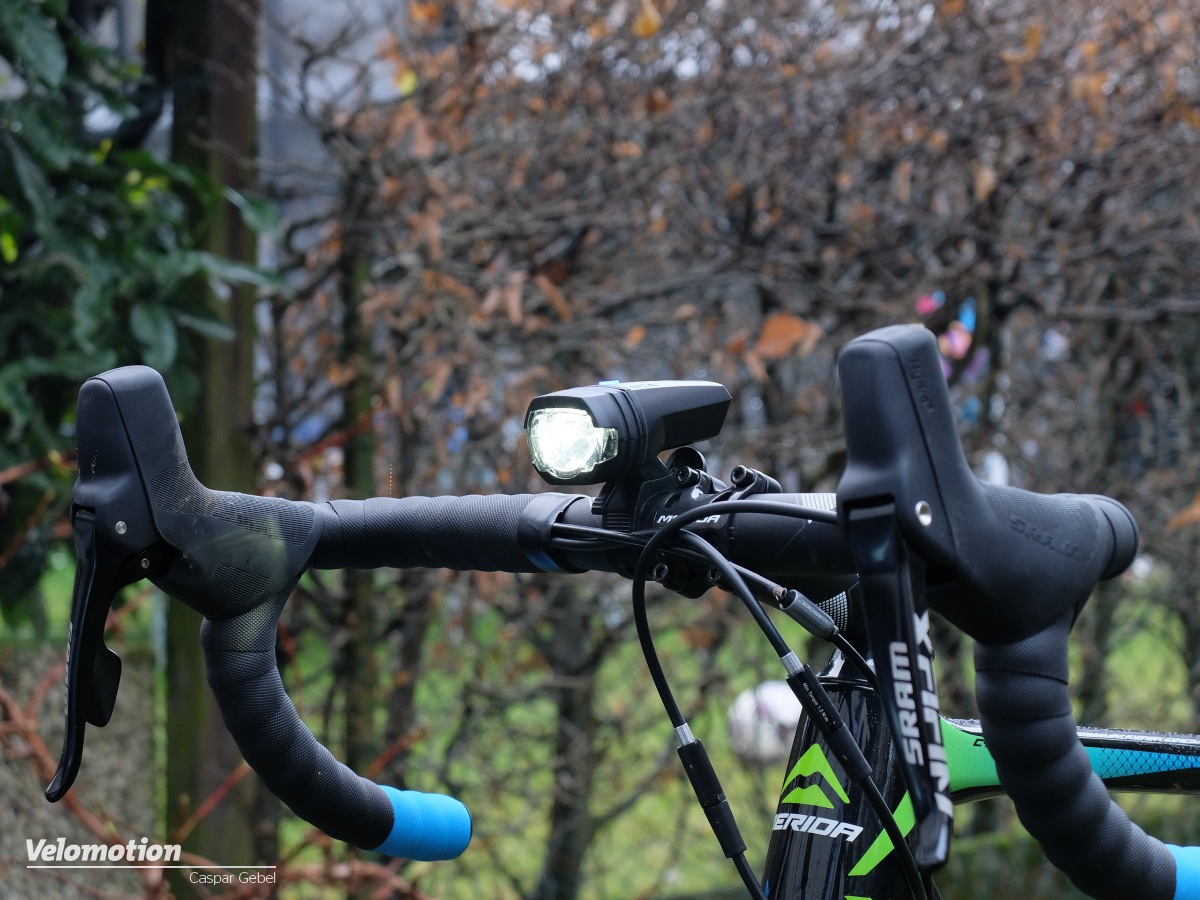
Tests: Test: AXA Greenline 50 Front / Greenline Rear
Ausleuchtung AXA Greenline: Auf einen hellen Nahbereich folgt eine etwas diffuser beleuchtete Zone; ab 5 m vor dem Fahrer beginnt dann ein gleichmäßig gut ausgeleuchteter Bereich, der sehr gute Fernsicht bietet. Dreht man die Lampe weiter nach oben, wandern alle Zonen nach vorne. Insgesamt fällt der von der AXA erzeugte Lichtkorridor eher schmal aus, was […]