


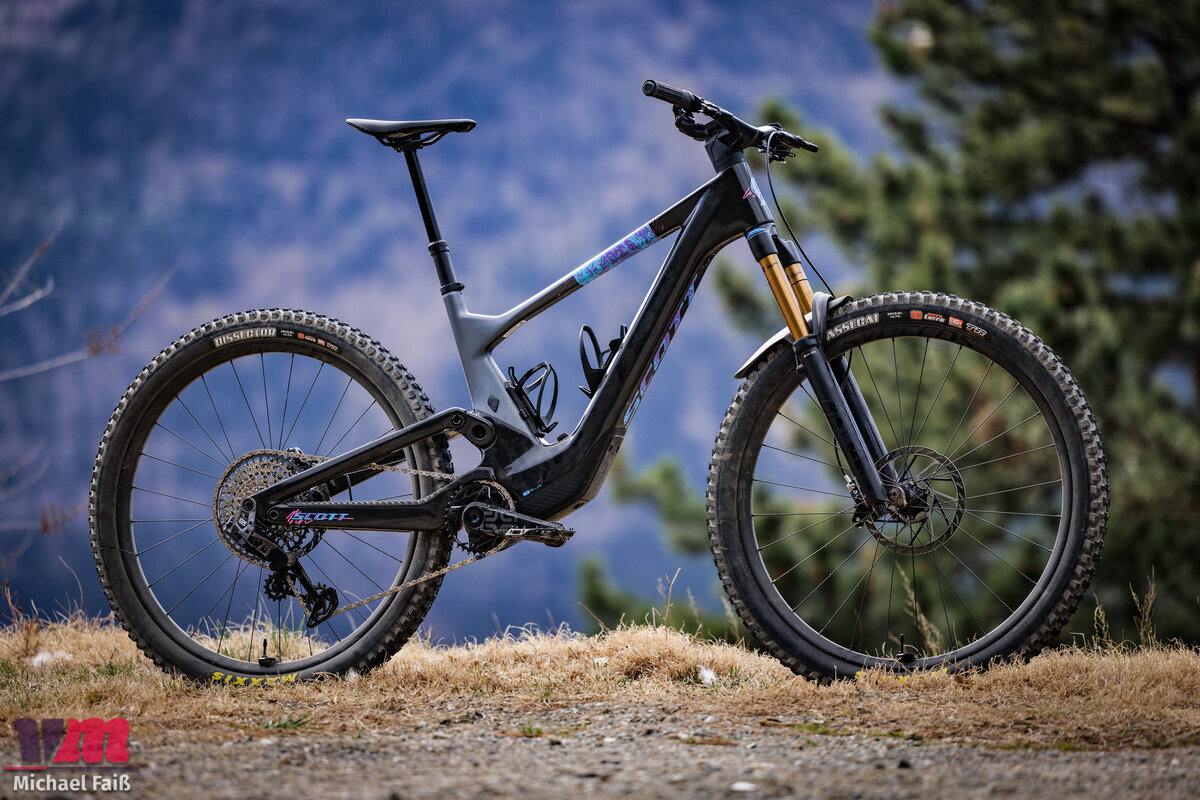
Etwas über ein Jahr ist es her, dass Scott mit dem Lumen eRIDE ihr erstes Light E-MTB vorgestellt hat. Das als leichtes Trailbike konzipierte Rad mit TQ HPR50 Antrieb und einem hohen Maß an Systemintegration setzte eine neue Bestmarke beim Gewicht und zählt auch heute noch zu den leichtesten Vertretern am Markt. Nun schieben die Schweizer ein zweites Gelände-Leichtgewicht nach: Das Scott Voltage eRIDE. Mit mehr Federweg, robusteren Komponenten aber den gleichen, sportlichen Genen wie das Lumen dürfte der Neuzugang jede Menge Freunde finden. Auch beim Gewicht ist man nach wie vor gut unterwegs: Alle Modelle liegen unter 20 kg, das Topmodell kommt (laut Scott) auf 17,6 kg.
Voltage eRIDE … oder Genius eRIDE „light“?
Wer sich im Portfolio von Scott ein wenig auskennt, dem könnten die Eckdaten des Voltage eRIDE durchaus bekannt vorkommen: 155 mm Federweg am Heck, 160 an der Front, 29 Zoll Laufräder und eine sportliche Geometrie irgendwo zwischen Trailbike und Enduro. All das klingt verdächtig ähnlich zum unmotorisierten Genius – und tatsächlich, auch im Pressematerial wird erwähnt, dass die beiden Bikes einiges verbindet.
Wieso sich Scott dennoch für einen anderen Namen entschieden hat? Vielleicht liegt es daran, dass der Name Voltage schon im Portfolio vorhanden war und wohl kaum passender für ein E-MTB sein könnte. Vielleicht hat man für ein künftiges Genius eRIDE aber auch andere Pläne – das wird die Zeit zeigen.
TQ HPR50: Schlanker, sportlicher Antrieb
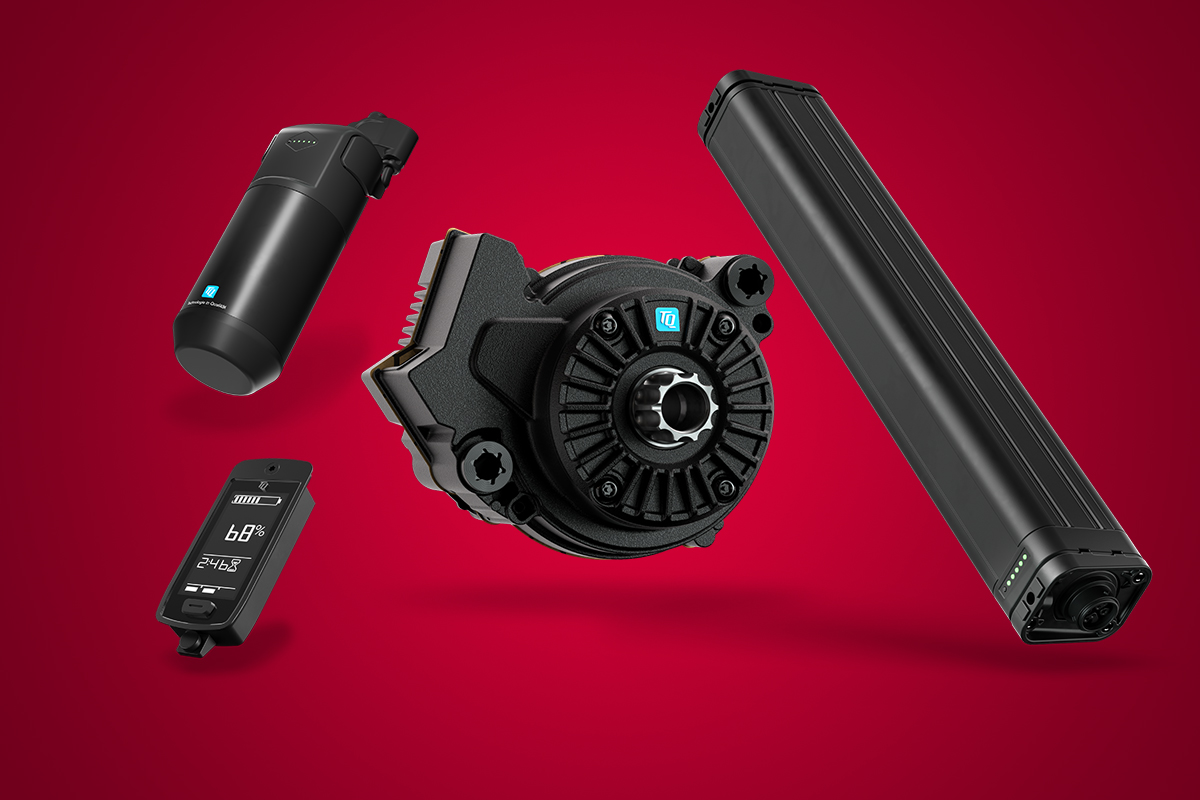
Mit dem TQ HPR50 wird das Voltage eRIDE von einem der momentan leichtesten Mittelmotoren auf dem Markt angetrieben. Auch wenn der Antrieb mit seinem rundlichen Motor oft in eine Reihe mit anderen Light-Antrieben wie Fazua Ride 60 oder Bosch SX gestellt wird, hat er seine ganz eigene Charakteristik. Kein anderer Motor fühlt sich so natürlich an und bleibt auch bei hoher Unterstützungsleistung so leise. Wermutstropfen: In puncto Leistung muss der HPR50 die Mitbewerber teils deutlich davonziehen lassen.
TQ HPR50 im Praxis- und Labortest: Der natürlichste E-MTB Motor?
E-MTB Antriebe Test: Wir haben uns den TQ HPR50 im Detail angesehen. Neben ausführlichen Fahreindrücken aus der Praxis haben wir auf dem Prüfstand auch Leistungs- und Verbrauchswerte ermittelt. Als Hersteller des derzeit noch immer stärksten Mittelmotors überhaupt, dem HPR120s, war TQ vielen E-Bikern zweifellos schon in den letzten Jahren ein Begriff. Spätestens mit der Vorstellung […]
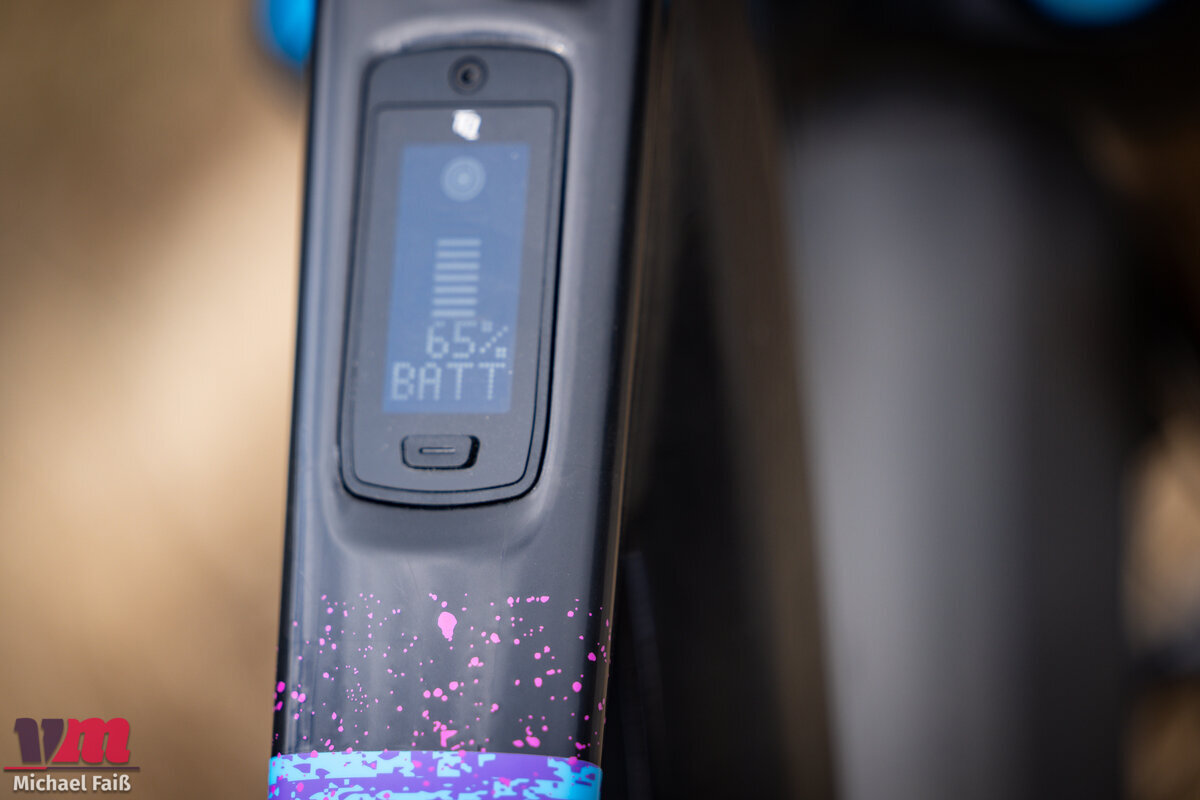
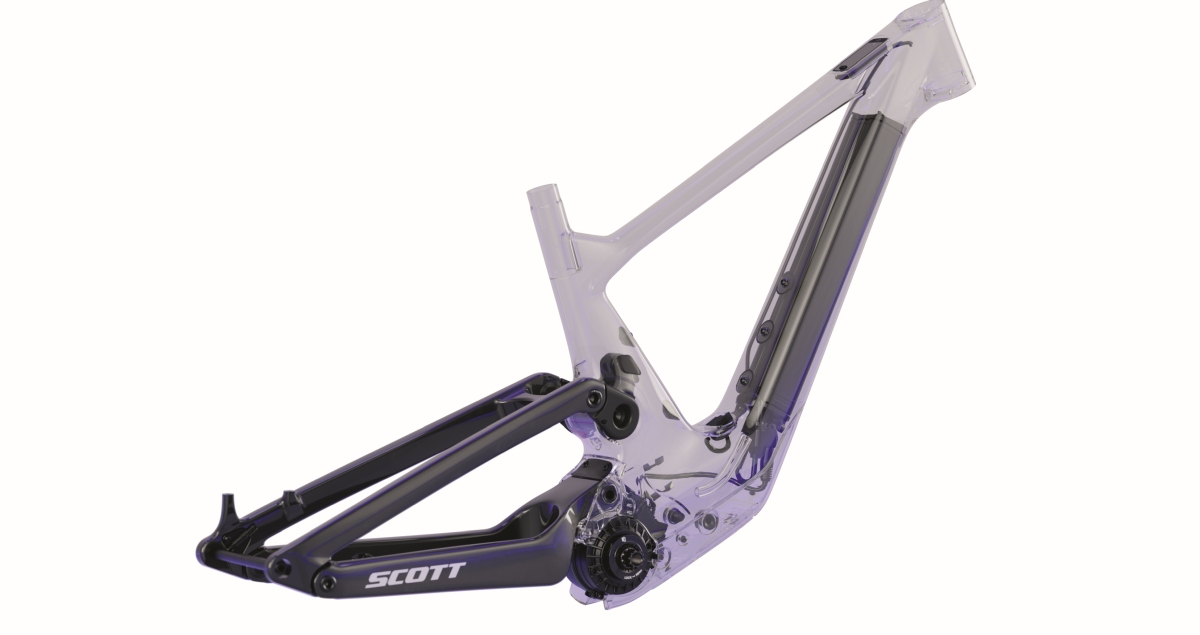
Die Energieversorgung übernimmt ein (leider) fest verbauter Akku mit 360 Wh Kapazität im Unterrohr. Optional kann man die Gesamtkapazität mit dem Range Extender um weitere 160 Wh erhöhen. Für dessen Montage hat sich Scott ganz schön ins Zeug gelegt: So bietet das Rahmendreieck durch den innenliegenden Dämpfer genug Platz, dass der Range Extender und eine Trinkflasche gleichzeitig Platz finden – sehr schön!
Passend zum sportiven Grundcharakter des Antriebs fallen Bedienteil und Display minimalistisch und funktional, zugleich aber hochwertig aus: Der einfarbige im Oberrohr integrierte Bildschirm zeigt die wichtigsten Daten immer gut ablesbar an, das kleine Bedienteil mit seinen gummierten Tasten nimmt kaum Platz weg und gefällt mit festem Druckpunkt. Über die TQ E-Bike App lässt sich der Antrieb individualisieren: Neben eigenen Einstellungen für die Unterstützungsstufen betrifft das auch das Display, für das die einzelnen Bildschirme samt Reihenfolge einstellbar sind.
Markante Optik und aufwändiger Hinterbau
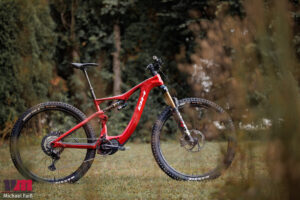
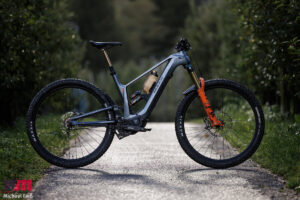
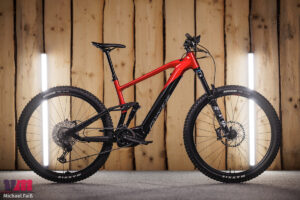
Wie schon bei mittlerweile fast allen (E-)MTBs im Portfolio setzt Scott auch beim Voltage eRIDE voll auf Systemintegration. Der Dämpfer steckt im Carbonrahmen, das kompakte Antriebssystem mit 360 Wh Akku fällt optisch kaum ins Gewicht. Man bekommt damit eine unverkennbare, markante Optik, die zwar nicht jedem gefallen wird, aber sich ganz klar von der Masse abhebt.
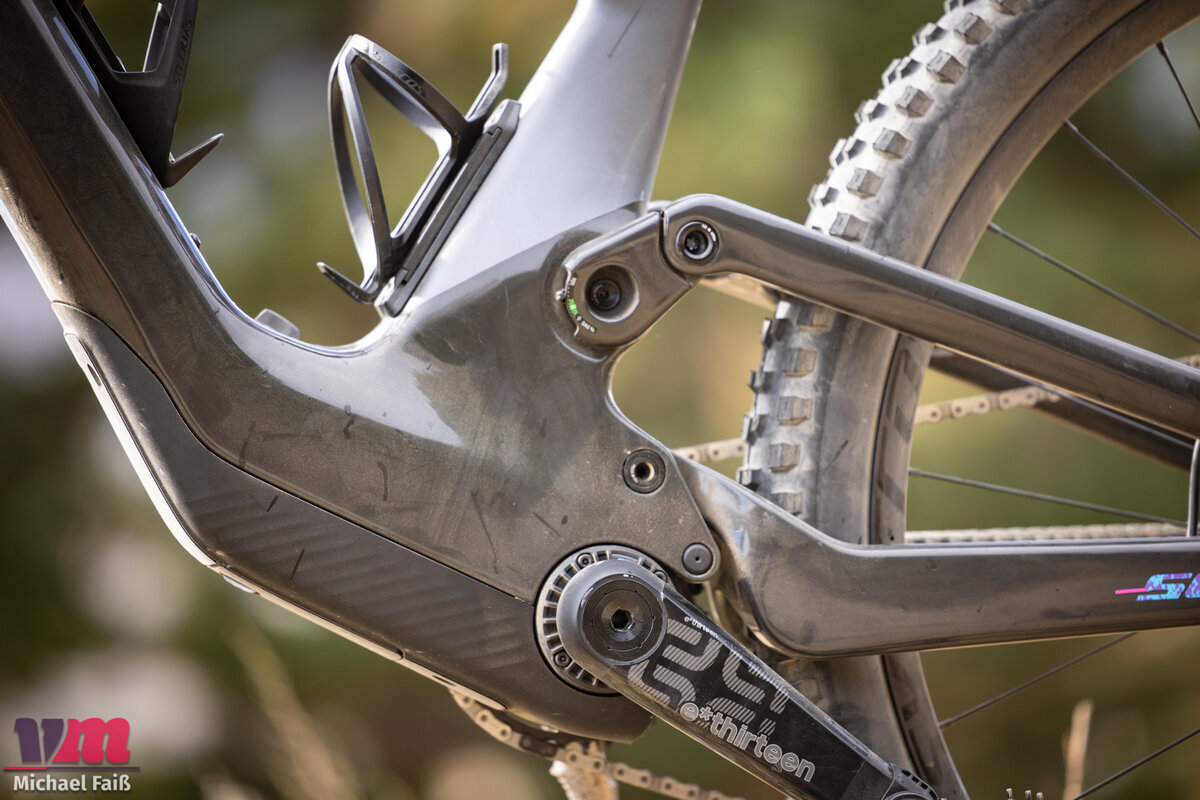
Möglich wird das insbesondere durch den Hinterbau: Das Outer-Linkage ist mit einem einteiligen Innenteil verbunden und verzahnt, welches wiederum über eine spezielle Anlenkung mit dem Dämpfer verbunden ist. Klingt kompliziert? Ist es auch! Neben der cleanen Optik ist aber auch der Dämpfer und die meisten Lager gut vor Dreck und Witterungseinflüssen geschützt. Andererseits ist die Wartung natürlich etwas aufwändiger, auch wenn Scott großen Wert darauf gelegt hat, diese so einfach wie möglich zu gestalten.
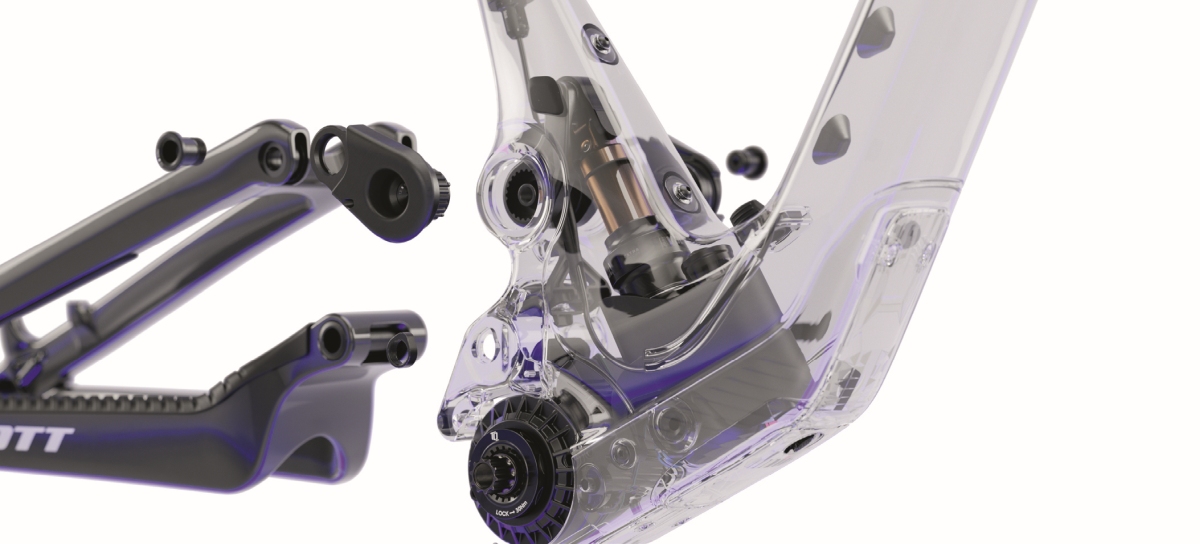
Über eine Klappe am Unterrohr hat man Zugriff auf den Dämpfer, kann den Luftdruck (ohne Verlängerung wie beim Lumen eRIDE) anpassen und Zug- und Druckstufe einstellen. Auch für größere Hände und dickere Finger ist alles ganz gut erreichbar – zumindest nicht wesentlich schlechter als bei vielen anderen E-MTBs, deren Dämpfer nicht im Rahmen steckt. Über ein Loch auf der Antriebsseite des Sitzrohrs kann man außerdem den Dämpferbolzen lösen, um ihn beispielsweise für den Service ausbauen zu können.
Twinloc und Tracloc am Scott Voltage eRIDE 2024
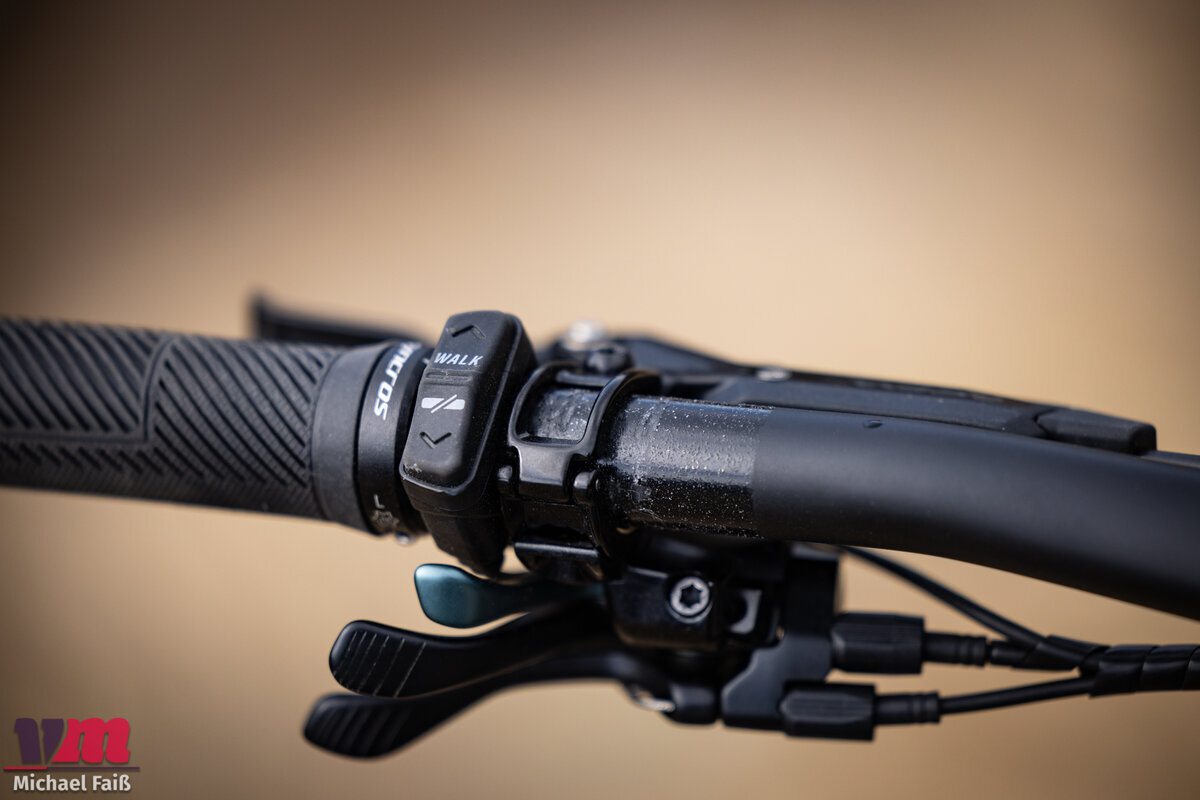
Auch im Jahr 2024 darf bei einem neuen E-MTB von Scott natürlich das bekannte und über viele Jahre bewährte TwinLoc System nicht fehlen. Über einen (bzw. zwei) Hebel am Lenker hat man direkt während der Fahrt die Möglichkeit, sein Fahrwerk und die Gegebenheiten anzupassen. Dabei gibt es drei Modi: Neben dem „normalen“ Descend Modus dürfte für die meisten Fahrer vor allem die mittlere Position „Traction Control“ interessant sein. Hier verringert sich das Volumen in der Luftkammer und die Druckstufe wird verstärkt. Das gesamte Fahrwerk wird straffer, man sitzt automatisch höher und gewinnt an Bodenfreiheit. Optimal für längere oder auch technische Uphills. Zudem gibt es einen Lockout, der Dämpfer und Gabel komplett sperrt – bei unterwarteten Einschlägen schützt ein Überdruckventil vor Schäden an den Komponenten.
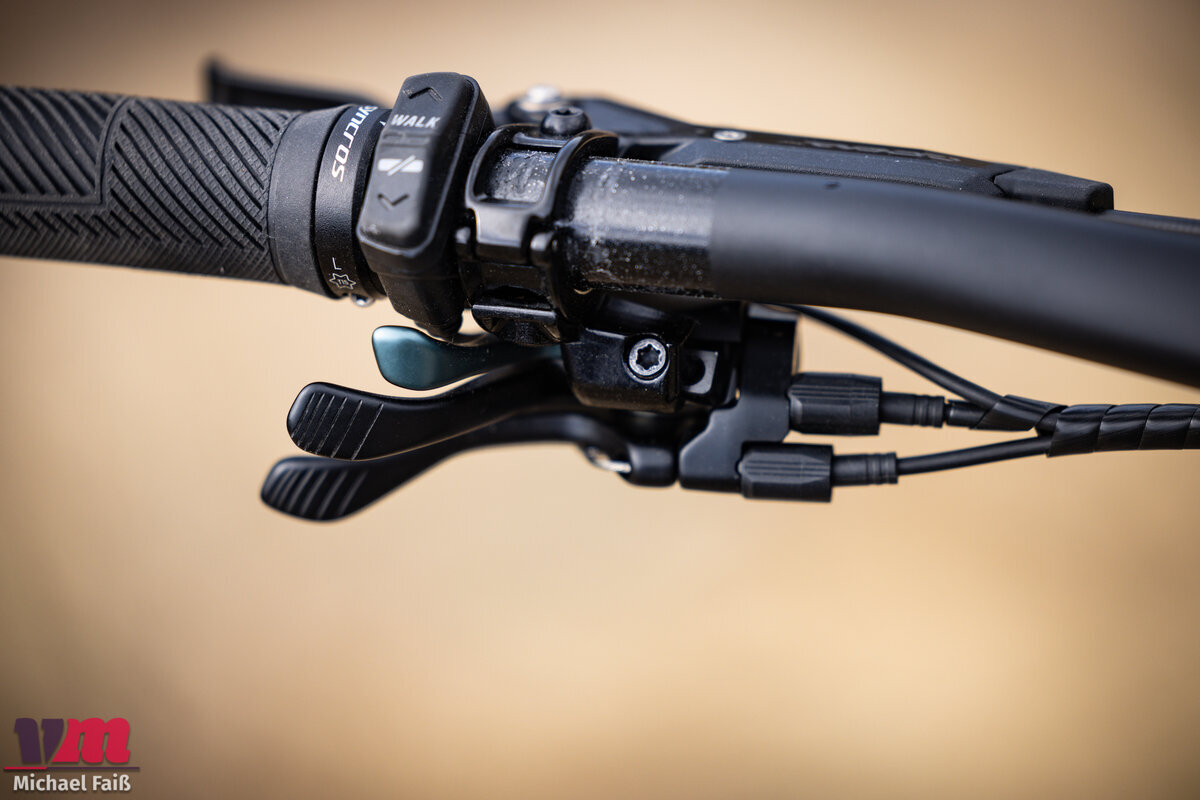
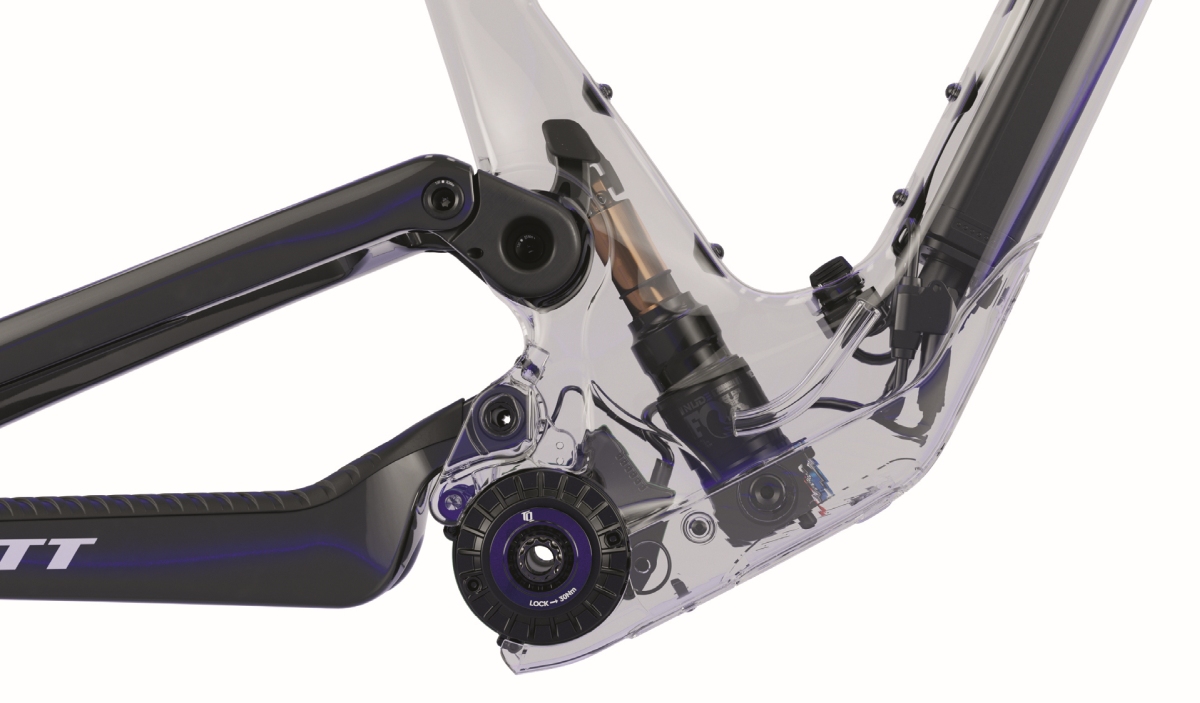
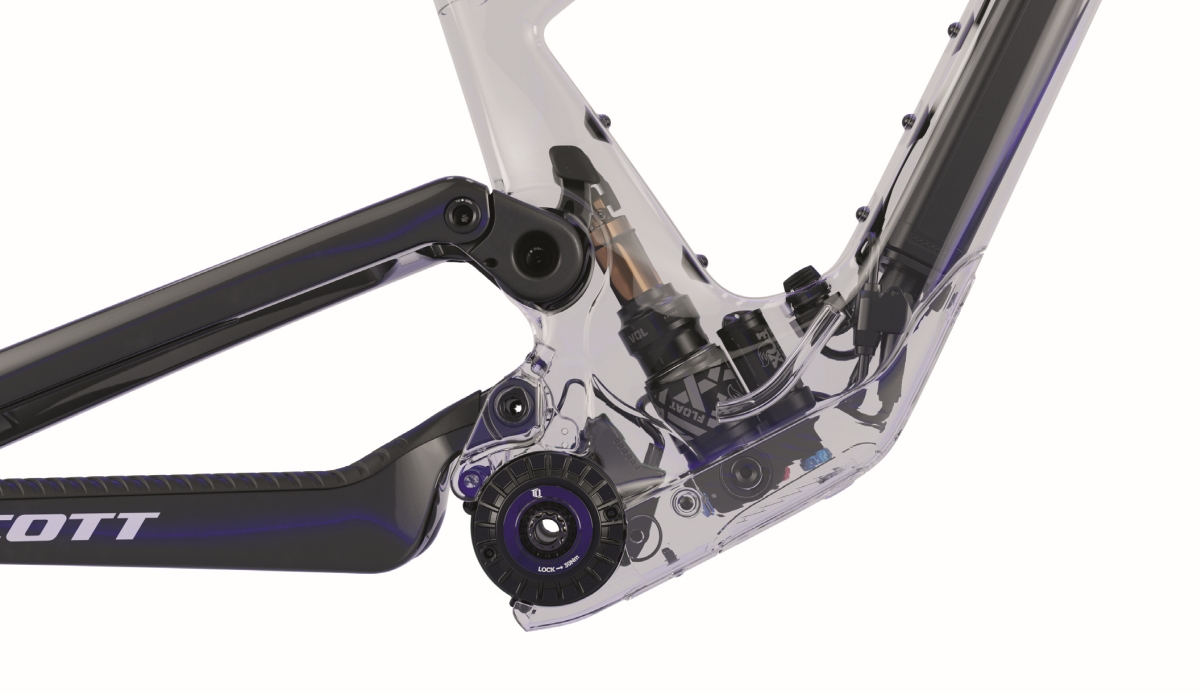
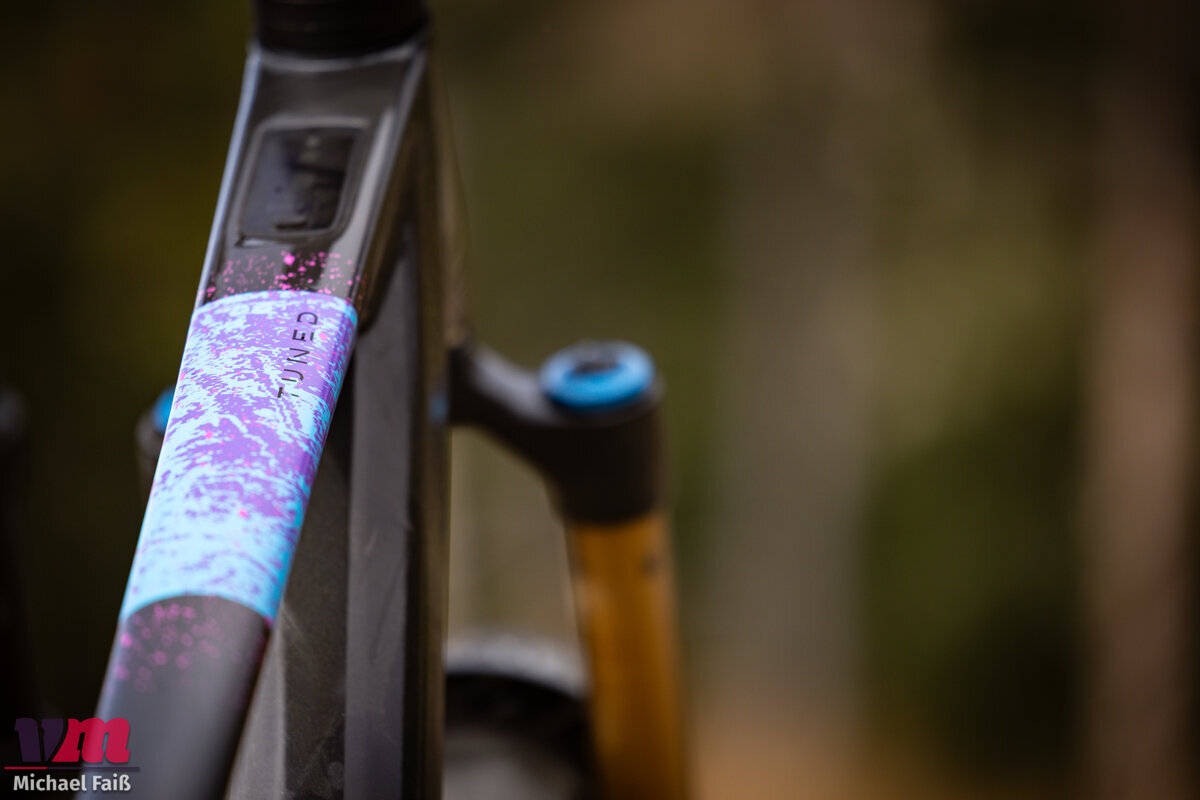
Am für die Abfahrt optimierten Scott Voltage eRIDE 900 Tuned kommt anstelle von TwinLoc TracLoc zum Einsatz. Auch wenn der Hebel am Lenker identisch ist, gibt es einige wichtige Unterschiede: Zum einen steuert man darüber nur den Dämpfer bzw. Hinterbau, nicht die Gabel. Zum anderen sind auch zwei der drei Modi anders als beim TwinLoc-Pendant. Neben der identischen, offenen Descend-Position gibt es hier noch die Modi Ramp Control und Climb. Vor allem Ramp Control ist spannend: Im speziellen Fox Float X Dämpfer wird hier eine von zwei Luftkammern verschlossen, was die Progression spürbar erhöht. Der Federweg bleibt gleich, auch das Ansprechverhalten, doch der Gegenhalt wird deutlich kräftiger. Der Climb-Modus ähnelt hingegen der Traction Control aus dem TwinLoc System und dient zum effizienteren Vorankommen und bequemeren Uphills.
Sportliche Geometrie mit anpassbarem Lenkwinkel
Die Geometrie des Scott Voltage eRIDE 2024 ist modern, durchaus progressiv, aber nicht extrem: Irgendwie nicht mehr ganz Trailbike, aber noch nicht Enduro. Der Lenkwinkel lässt sich über beiliegende Lagerschalen recht schnell auf die eigenen Bedürfnisse anpassen. In der flachen Einstellung liegt er bei knapp 64°, zudem sind zwei Schalen für 64,5° und 65° mit dabei.
| S | M | L | XL | |
|---|---|---|---|---|
| Sitzrohr (in mm) | 405 | 425 | 450 | 480 |
| Reach (in mm) | 437 | 457 | 485 | 513 |
| Stack (in mm) | 622 | 622 | 631 | 640 |
| Lenkwinkel (in °) | 63.9° | 63.9° | 63.9° | 63.9° |
| Sitzwinkel eff. (in °) | 77,1° | 77,1° | 77,1° | 77,1° |
| Tretlagerabsenkung (in mm) | 27 | 27 | 27 | 27 |
| Kettenstreben (in mm) | 455 | 455 | 455 | 455 |
| Radstand (in mm) | 1233 | 1253 | 1285 | 1317 |
| Oberrohr horiz. (in mm) | 580 | 600 | 630 | 660 |
| Steuerrohr (in mm) | 110 | 110 | 120 | 130 |
Scott Voltage eRIDE 2024: Modelle, Ausstattungen und Preise
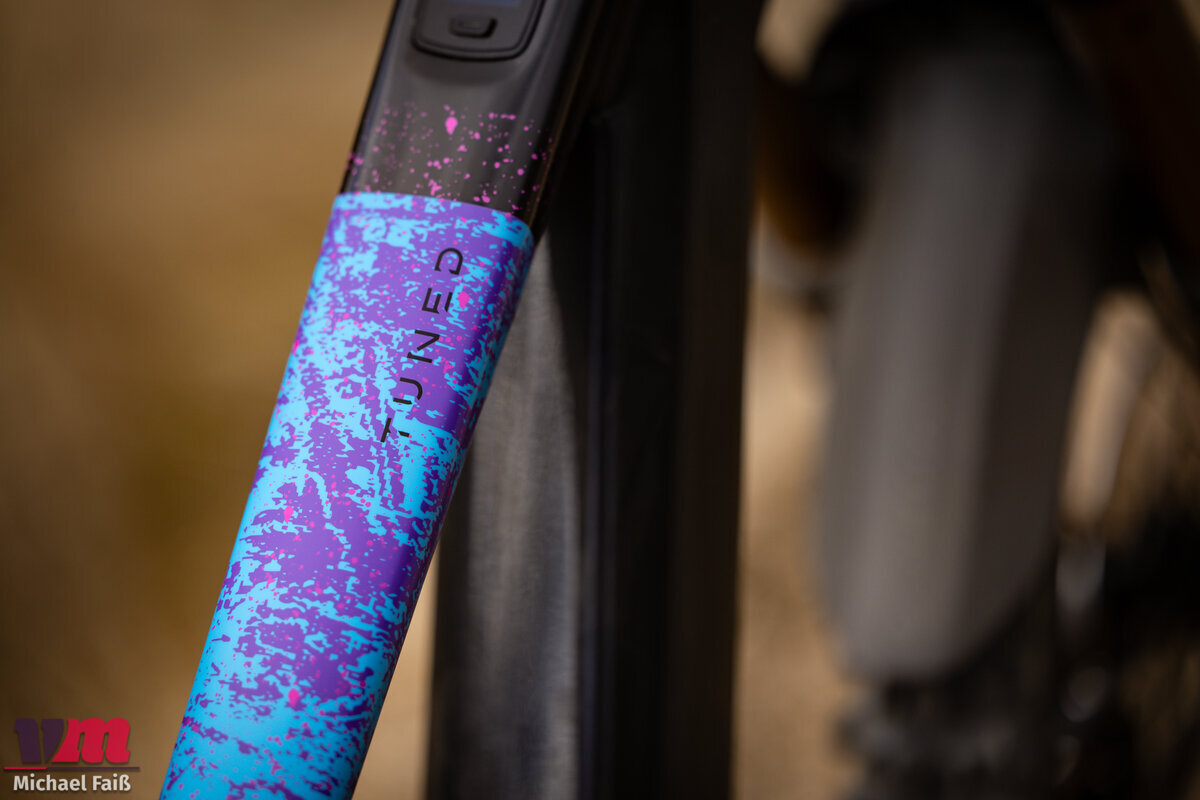
Das Scott Voltage eRIDE wird zum Marktstart in vier grundlegenden Ausstattungsvarianten erhältlich sein. Zwei davon sind zusätzlich als Contessa Damen-Version zu haben, die sich jedoch nur in puncto Rahmendesign von ihren Pendants unterscheiden. Gemein haben alle Modelle Antriebssystem, Rahmen und Akku: Das heißt, dass sich alle den Vollcarbonrahmen teilen, ebenso wenig überraschend den TQ HPR50 Antrieb samt 360 Wh Akku. Das Top-Modell Voltage eRIDE 900 SL hat zusätzlich noch den 160 Wh fassenden Range Extender direkt im Lieferumfang enthalten. Preislich geht es bei 6.599 Euro für das Voltage eRIDE 920 bzw. das Contessa Voltage eRIDE 910 los – das Ende der finanziellen Fahnenstange ist bei 12.999 Euro für die SL-Variante erreicht. Etwas aus der Reihe fällt das Tuned-Modell: Hier gibt es anstelle von TwinLoc das TracLoc System, einen etwas potenteren Dämpfer und insgesamt eine deutlich abfahrtsorientiertere Ausstattung.
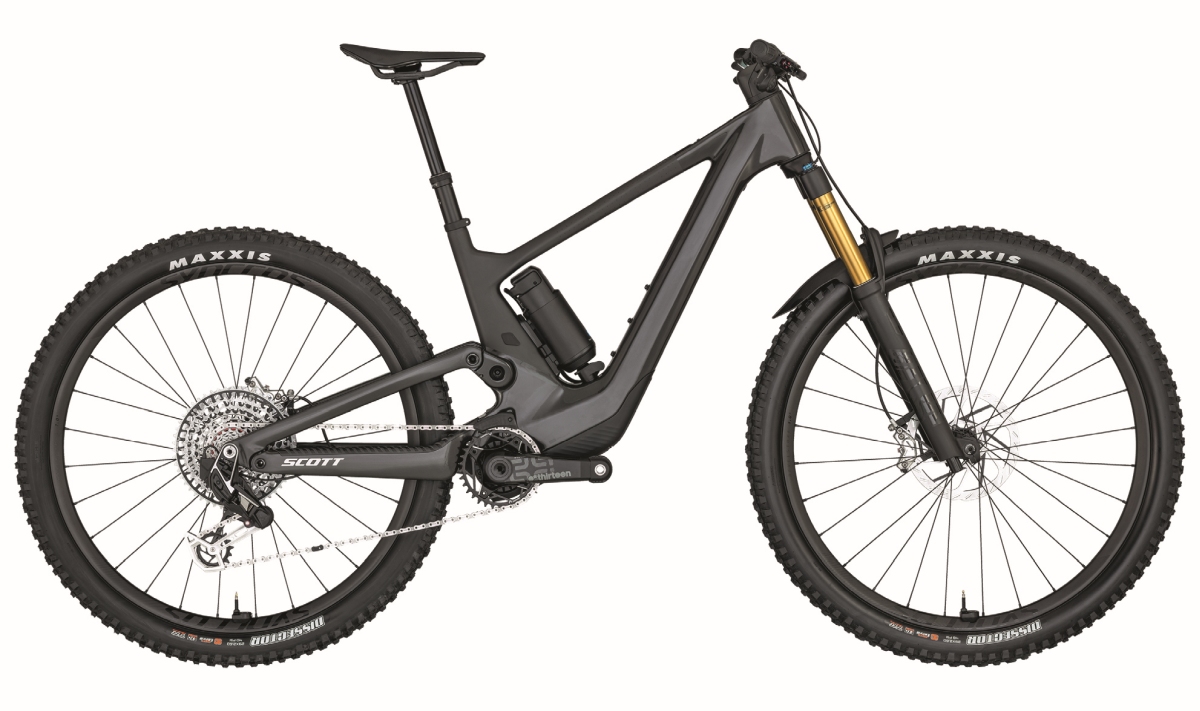
Gabel: Fox 36 Factory Fit4
Dämpfer: Fox Nude 6T
Schaltung: Sram XX Eagle AXS Transmission
Bremsen: Sram Code Ultimate Stealth 200/200 mm
Laufräder: Syncros Revelstoke 1.0S
Besonderheiten: Range Extender im Lieferumfang / Quarq TyreWiz / Hixon iC Cockpit
Gewicht: 17,9 kg (o. RE/Pedale, Gr.M/Herstellerangabe)
Preis: 12.999 Euro
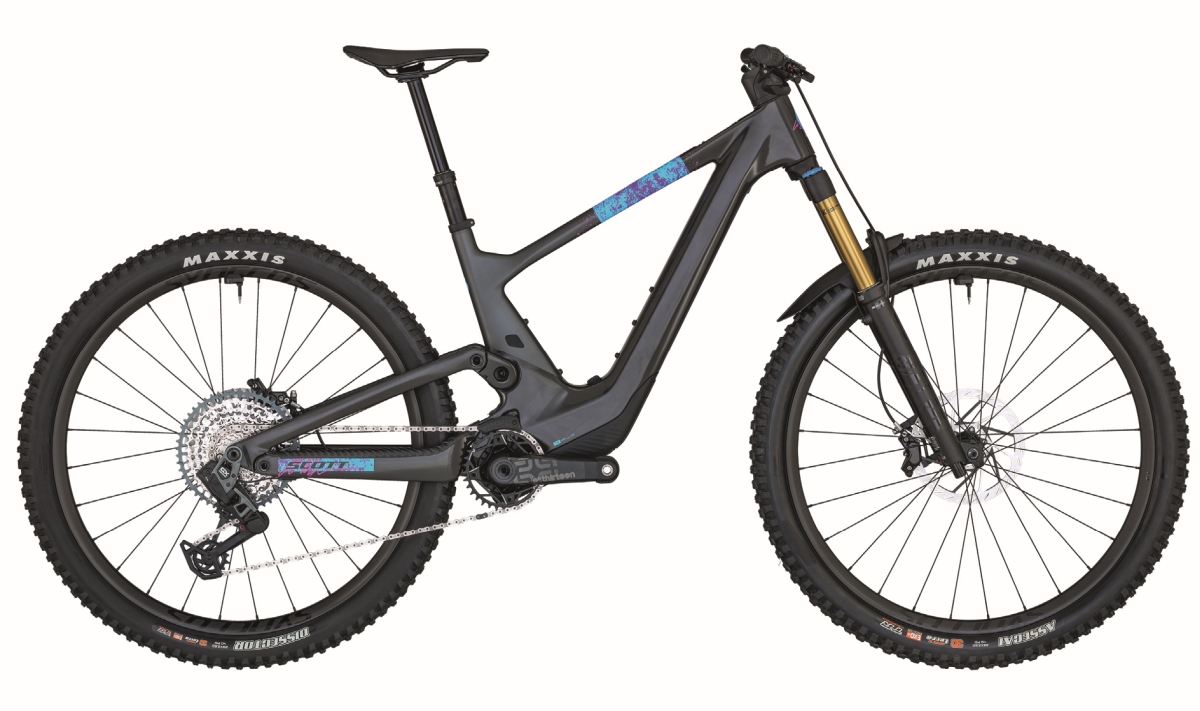
Gabel: Fox 36 Factory Grip2
Dämpfer: Fox Float X Nude
Schaltung: Sram GX Eagle AXS Transmission
Bremsen: Sram Code Silver Stealth 200/200 mm
Laufräder: Syncros Revelstoke 1.0
Besonderheiten: TracLoc statt Twinloc / Quarq TyreWiz / Hixon iC Cockpit
Gewicht: 18,6 kg (o. Pedale, Gr.M/Herstellerangabe)
Preis: 10.999 Euro
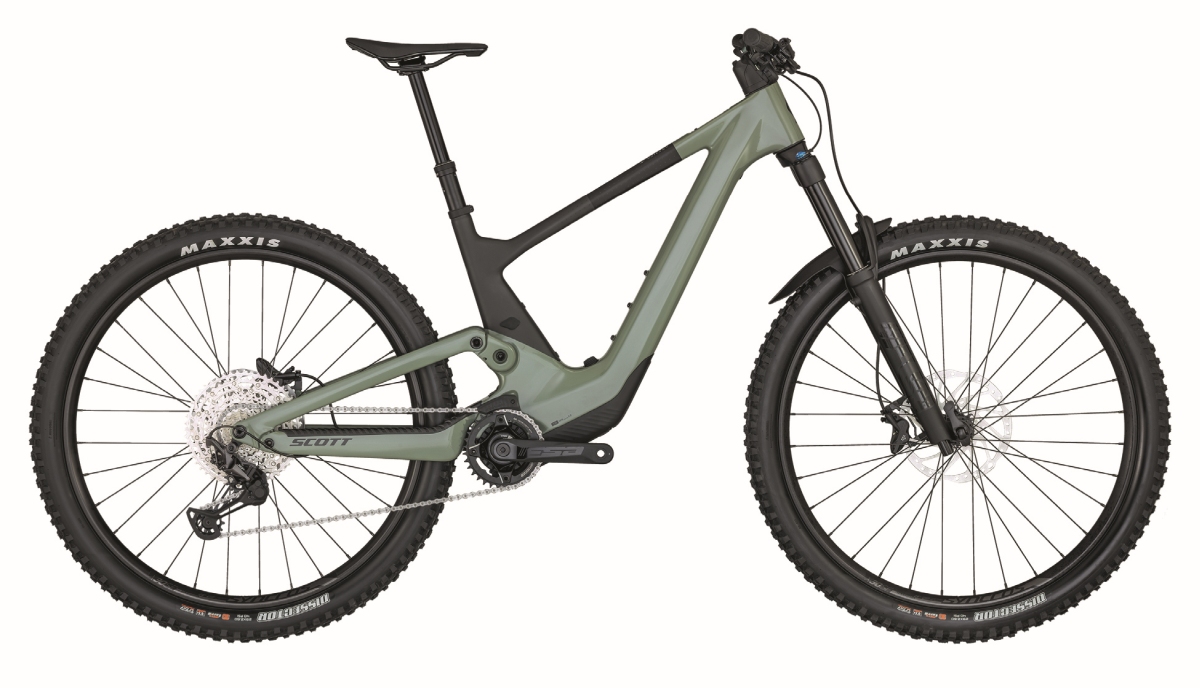
Gabel: Fox 36 Rhythm
Dämpfer: Fox Nude 6T
Schaltung: Shimano XT / Deore 12-fach
Bremsen: Shimano Deore M6120 203/203 mm
Laufräder: Syncros X-30S
Gewicht: 19,5 kg (o. Pedale, Gr.M/Herstellerangabe)
Preis: 7.199 Euro
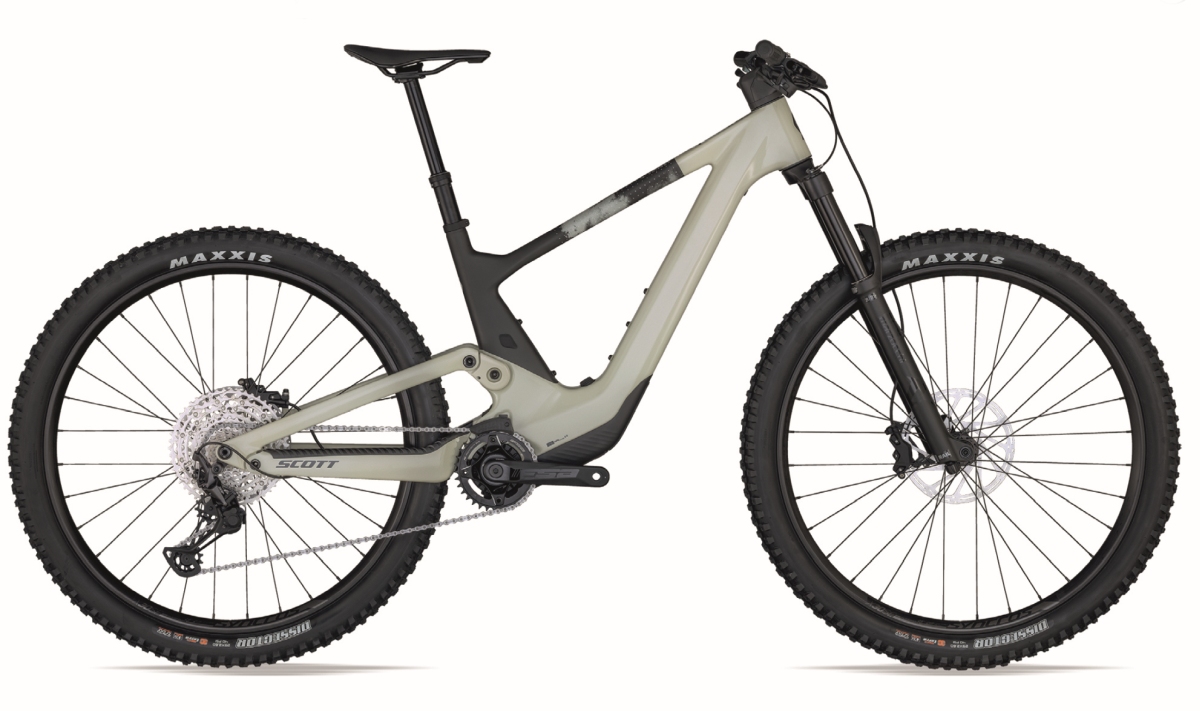
Gabel: Marzocchi Z2 Air
Dämpfer: Fox Float Custom
Schaltung: Shimano XT / Deore 12-fach
Bremsen: Sram DB8 200/200 mm
Laufräder: Syncros X-30S
Besonderheiten: Gabel mit nur 150 mm Federweg
Gewicht: 19,3 (o. Pedale, Gr.M/Herstellerangabe)
Preis: 6.599 Euro
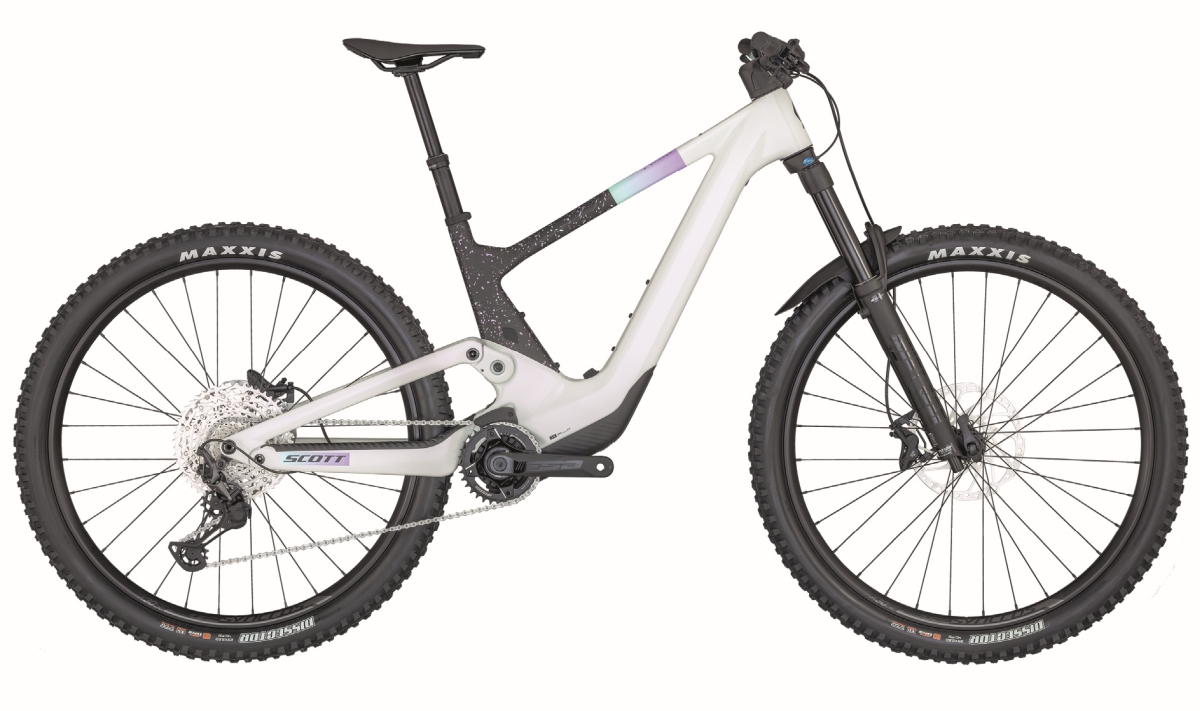
Gabel: Fox 36 Rhythm
Dämpfer: Fox Nude 6T
Schaltung: Shimano XT / Deore 12-fach
Bremsen: Shimano Deore M6120 203/203 mm
Laufräder: Syncros X-30S
Gewicht: 19,5 kg (o. Pedale, Gr.M/Herstellerangabe)
Preis: 7.199 Euro
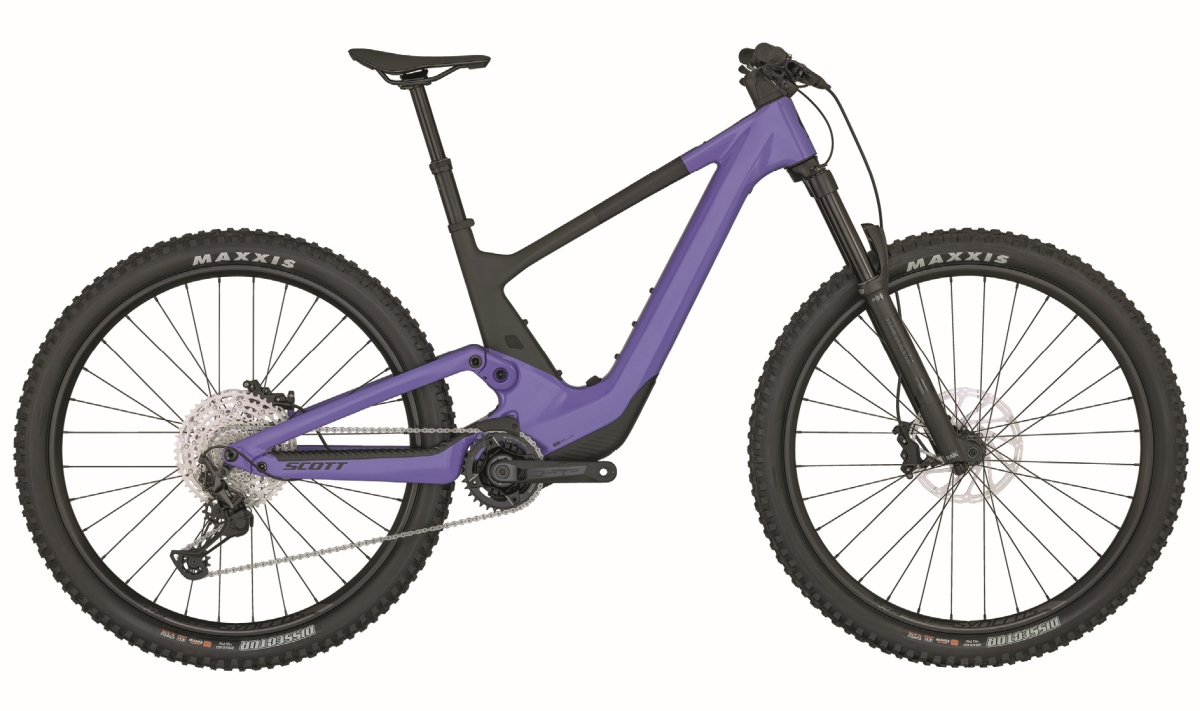
Gabel: Marzocchi Z2 Air
Dämpfer: Fox Float Custom
Schaltung: Shimano XT / Deore 12-fach
Bremsen: Sram DB8 200/200 mm
Laufräder: Syncros X-30S
Besonderheiten: Gabel mit nur 150 mm Federweg
Gewicht: 19,3 (o. Pedale, Gr.M/Herstellerangabe)
Preis: 6.599 Euro
Das Scott Voltage eRIDE 900 Tuned im ersten Test
Bereits vor dem Release hatten wir die Gelegenheit, das Scott Voltage eRIDE in der 900 Tuned Variante ausführlich zu testen. Unser Testbike in Rahmengröße L brachte dabei mit 18,8 kg ein paar Gramm mehr auf die Waage als von Scott angegeben – das Mehrgewicht ist jedoch noch im Rahmen und das Bike ist dennoch für das Gebotene ein echtes Leichgewicht.
Schlüssige Ausstattung mit einigen Besonderheiten
Für die saftigen knapp 11.000 Euro, die man für das Edel-Bike berappen muss, bekommt man ein entsprechend hochwertiges Ausstattungspaket, das jedoch auch einige spannende Besonderheiten mitbringt. Doch bleiben wir zunächst beim Altbewährten: Fox Factory Fahrwerk mit der 36 inklusive Grip2 Dämpfung an der Front und dem speziell für das TracLoc System angepassten Float X Dämpfer am Hinterbau. Geschaltet wird elektronisch mit der Sram GX Eagle Transmission, die hier nicht ganz kabellos daherkommt; für die Stromversorgung ist das Schaltwerk nämlich per Kabel mit dem E-Bike Akku verbunden. Eine gute Entscheidung wie wir finden. Etwas schade ist es jedoch schon, dass es hier trotz über 10.000 Euro nicht für die höherwertige X01 Transmission gereicht hat. Ähnliches gilt für die Bremsen, hier gibt es die neue Code Stealth, ebenfalls von Sram, jedoch auch „nur“ in der Silver Variante.
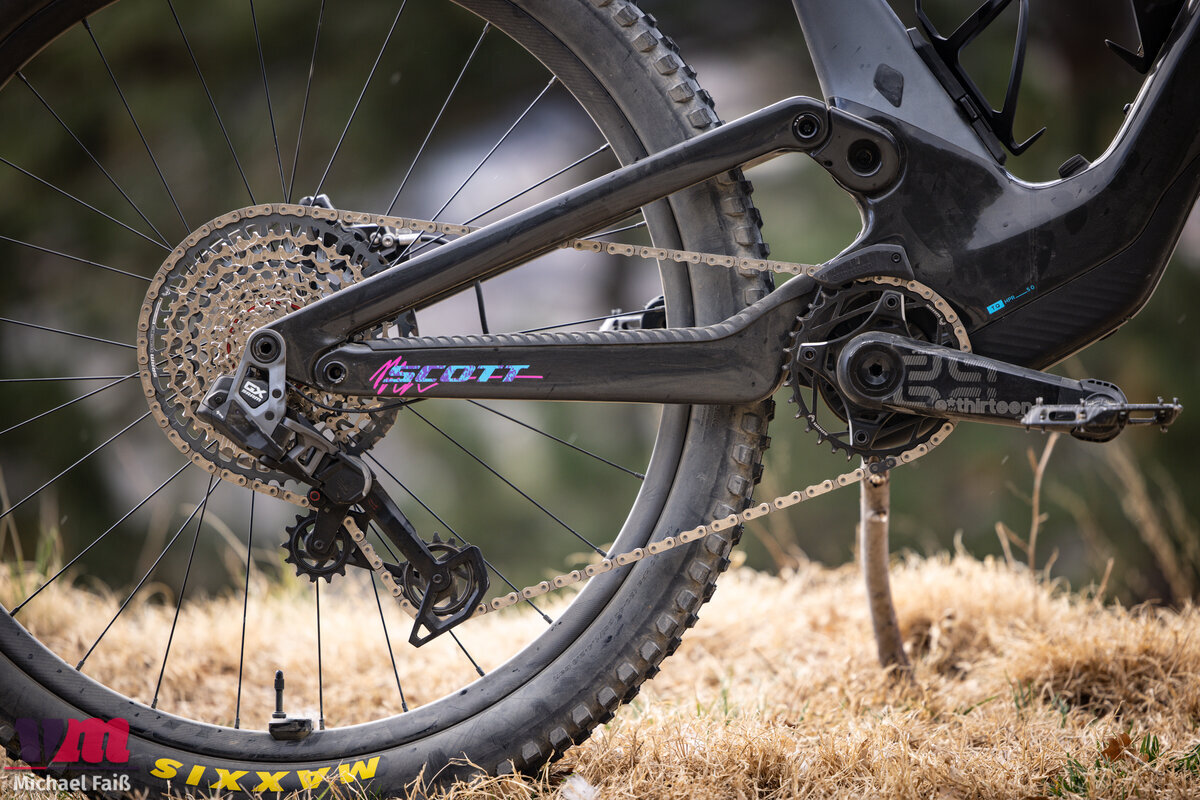
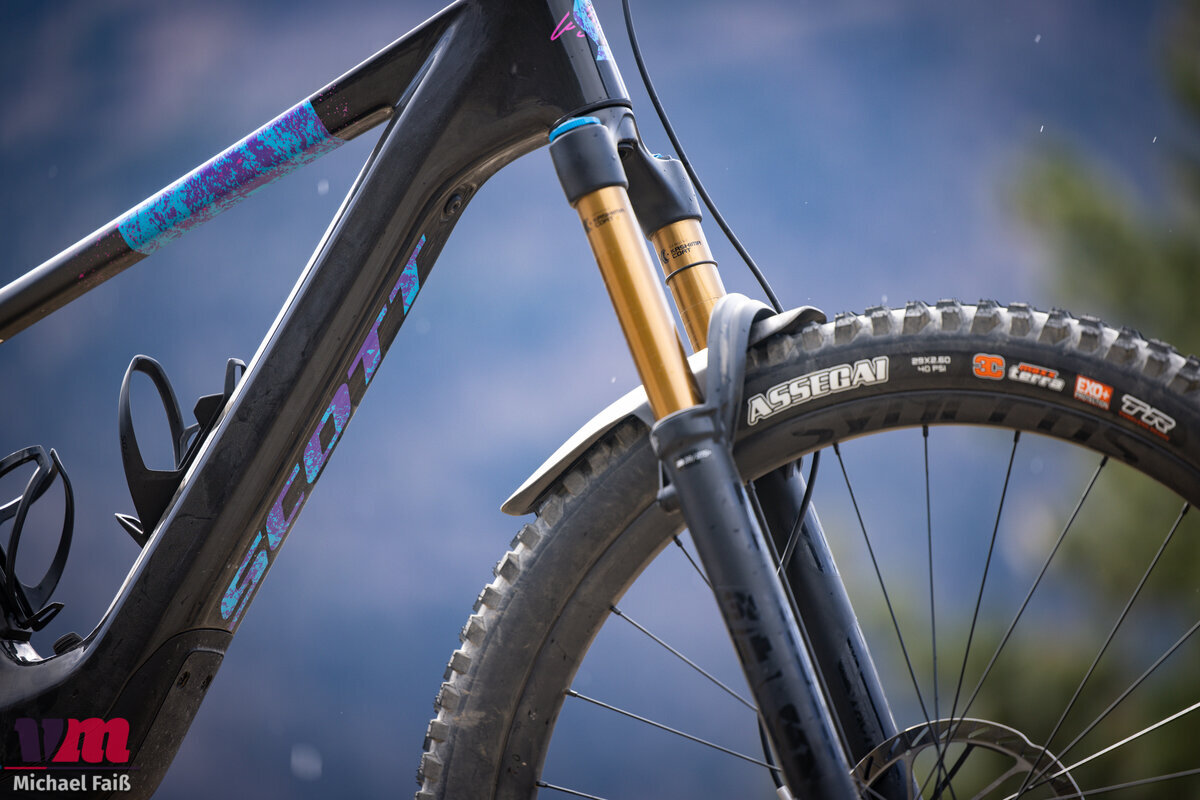
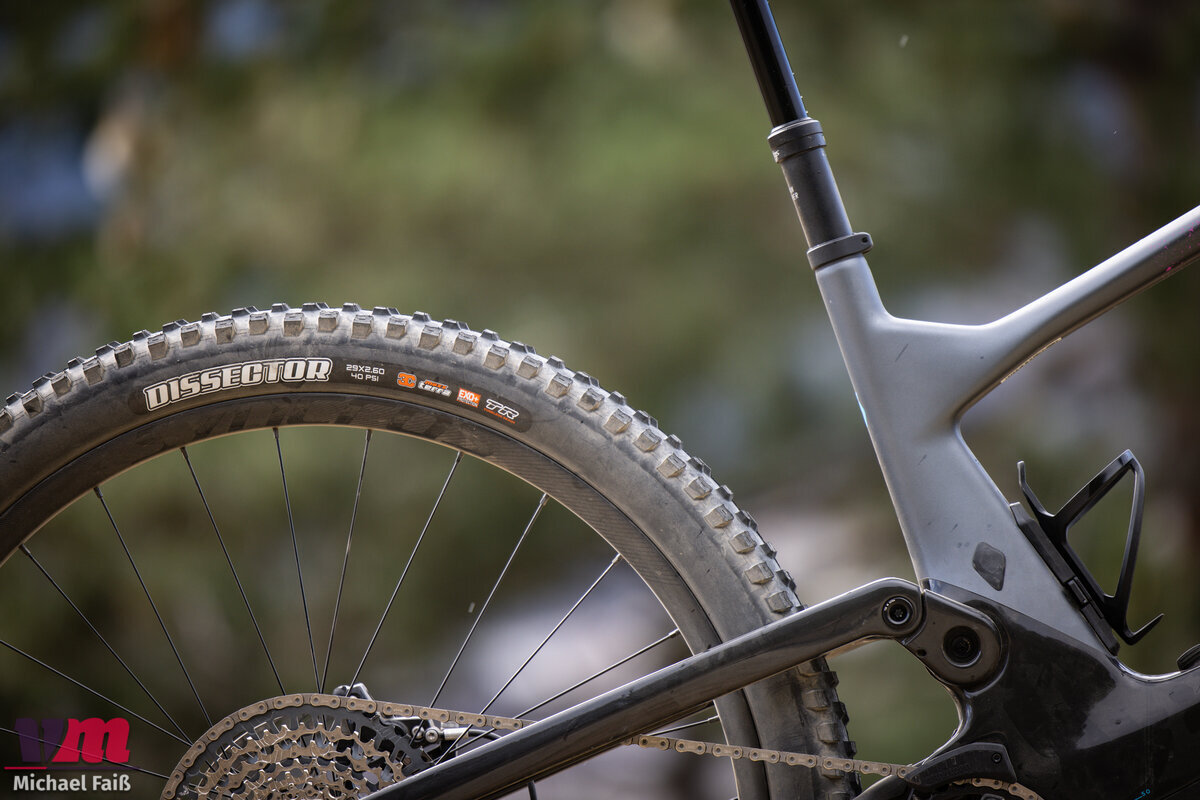
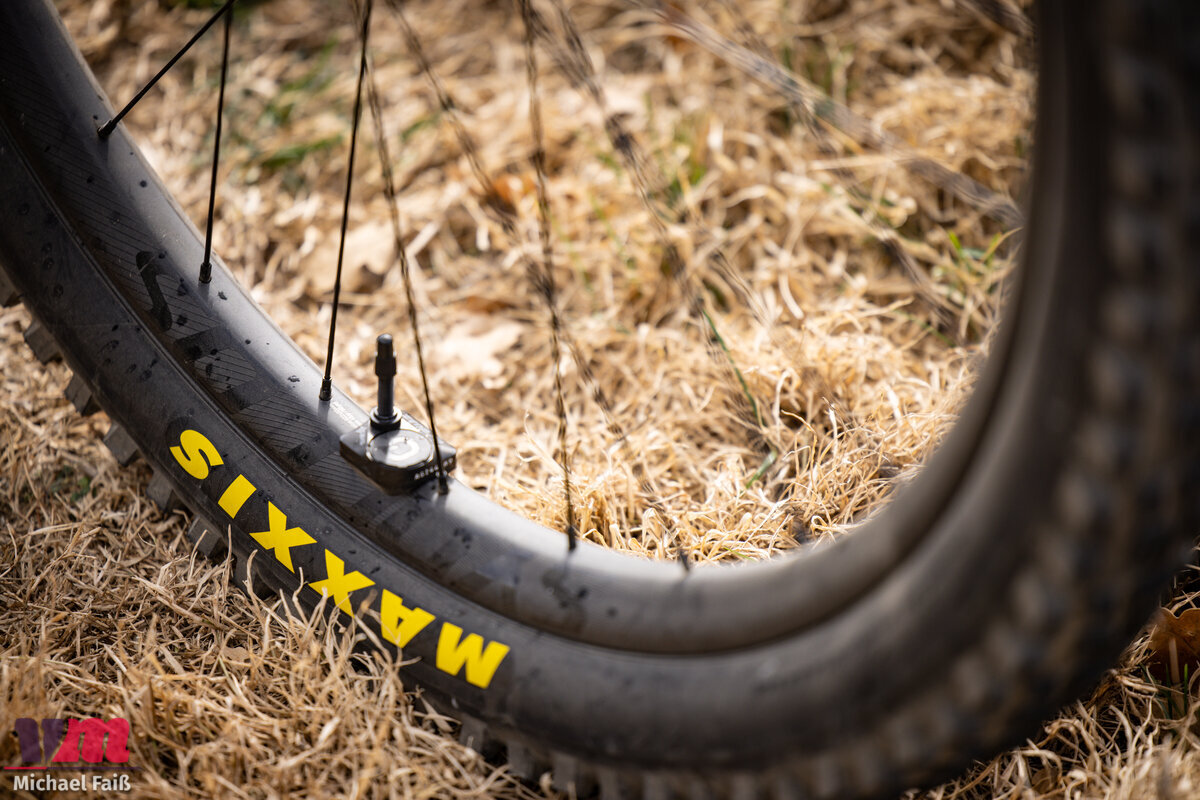
Absolut nichts auszusetzen haben wir dagegen bei den hauseigenen Syncros Laufrädern mit 30 mm breiten Carbonfelgen und den darauf verbauten Reifen. Dem Einsatzgebiet entsprechend gibt es hier den Maxxis Assegai vorn, den Dissector am Heck, beide in der stabileren Exo+ Variante und 2,6 Zoll Breite. Hier kommen wir dann auch schon zur ersten unscheinbaren Besonderheit: Das Scott Light E-MTB kommt nämlich serienmäßig mit Quarq TyreWiz Ventilen, die den Luftdruck per Bluetooth auf Wunsch ans Smartphone übermitteln. LEDs direkt an den Ventilen zeigen außerdem per Farbe an, ob der Wunsch-Druck passt. Braucht man das? Wahrscheinlich eher nicht. Als Serienausstattung nehmen wir das jedoch gerne mit.
| Rahmen | Carbon HMF |
| Federgabel | Fox 36 Factory Grip2 |
| Antrieb | TQ HPR50 |
| Akku | 360 Wh |
| Dämpfer | Fox Float X Nude |
| Laufräder | Syncros Revelstoke 1.0-30 |
| Reifen VR | Maxxis Assegai MaxxTerra Exo+ 2,6" |
| Reifen HR | Maxxis Dissector MaxxTerra Exo+ 2,6" |
| Schaltwerk | Sram GX Eagle Transmission |
| Schalthebel | Sram AXS Pod |
| Kurbel | e*thirteen e*spec Race Carbon |
| Umwerfer | Ohne |
| Bremse | Sram Code Silver Stealth |
| Bremsscheiben | Sram HS2 200 / 200 mm |
| Sattelstütze | Syncros Duncan Dropper 1.5S 210 mm (L) |
| Sattel | Syncros Tofino 1.5 Regular |
| Vorbau | Syncros Hixon iC Carbon |
| Lenker | Syncros Hixon iC Carbon |
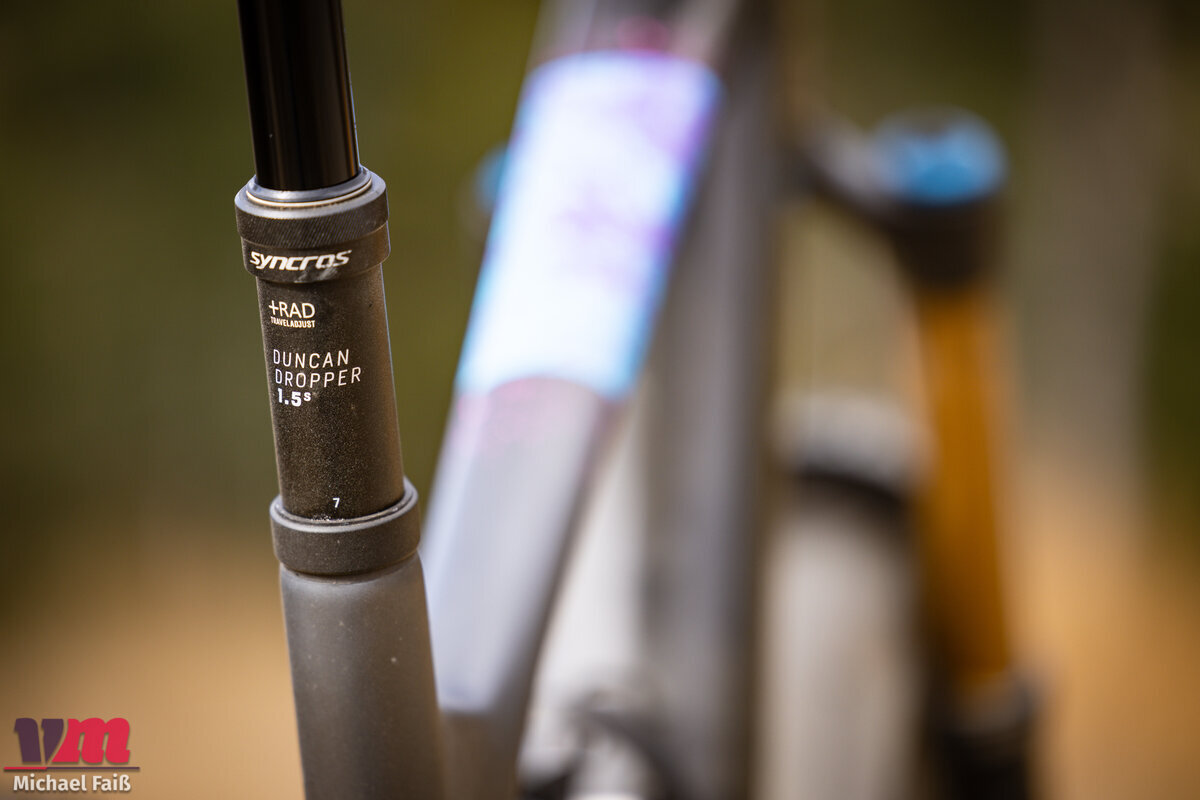
Die nächste Besonderheit sticht auch nicht unbedingt direkt ins Auge: Die neue Syncros Duncan 1.5S Variostütze. Na toll, eine neue Variostütze mag man sich denken – doch das Modell bringt durchaus ein paar nette Details mit. Zunächst ein Lob an Scott, dass der Hub in den Rahmengrößen L und XL großzügige 210 mm misst – top! (M: 180 mm / S: 140 mm). Wem das jedoch zu viel ist, der hat an der neuen Syncros-Stütze die Möglichkeit, den Hub in 5 mm Schritten Werkzeuglos um bis zu 25 mm zu reduzieren. Zudem ist der Hebelweg für die Betätigung der Stütze rekordverdächtig kurz.
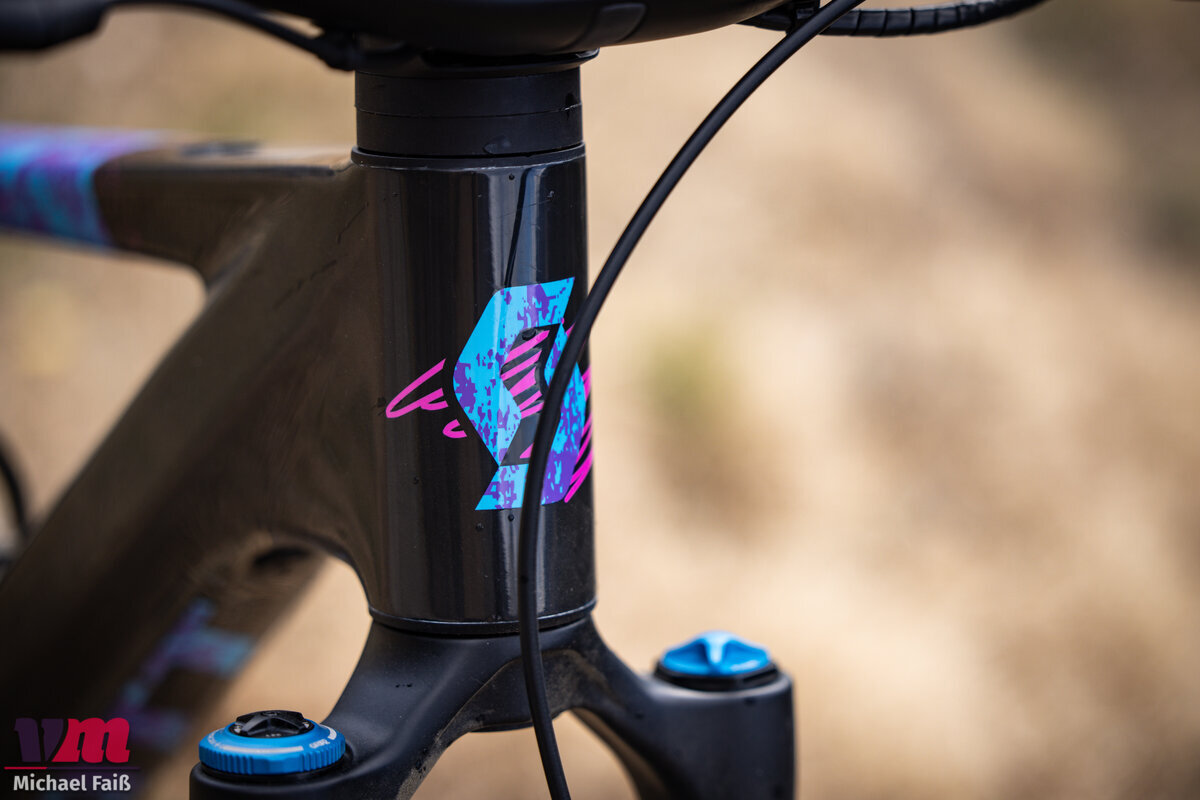
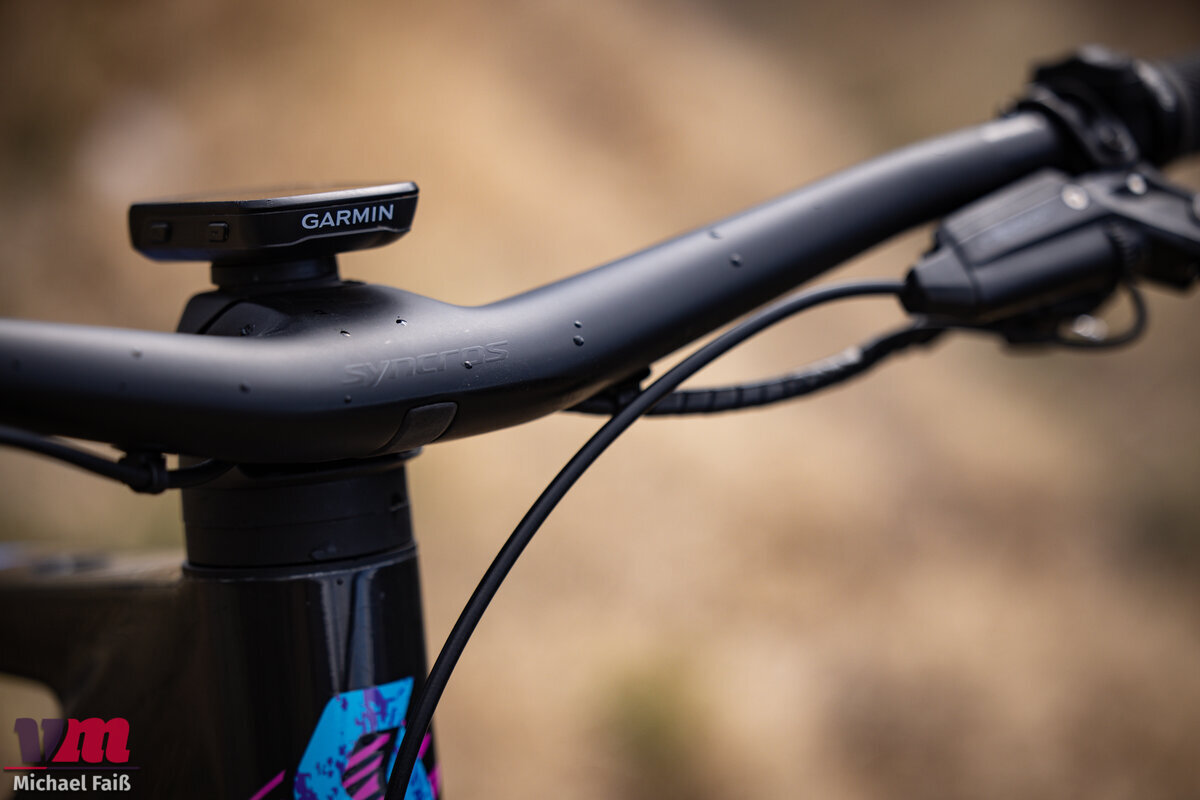
Die dritte und letzte Besonderheit fällt im Gegensatz zu den anderen beiden wohl sofort auf: Das Syncros Hixon iC Carbon Cockpit. Was am Rennrad schon seit vielen Jahren fast zum guten Ton gehört, ist am MTB noch immer eine absolute Seltenheit – nämlich eine komplette Einheit aus Lenker und Vorbau aus Carbon. Das spart Gewicht und schaut schick aus, hat aber natürlich auch Nachteile: Sollte es ergonomisch nicht hinhauen, ist der Umau-Aufwand deutlich höher. Man braucht nicht nur einen neuen Lenker samt Vorbau, sondern muss auch die obere Abdeckung des Steuersatzes wechseln, um die Leitungen und Züge entsprechend in den Rahmen einführen zu können. Damit das hoffentlich für nur wenige Fahrer notwendig sein wird, verbaut Scott größenabhängig zwei Varianten der Cockpiteinheit.
Das Gesamtpaket ist also durchaus überzeugend, wenngleich ein paar angesichts des Preises durchaus schmerzhafte Sparmaßnahmen den Eindruck etwas trüben. Dass man hier und dort auch ein Auge aufs Gewicht hatte und beispielsweise eine Fox 36 statt einer Fox 38 verbaut und am Hinterrad keine DoubleDown-Karkasse finden wir dagegen vollkommen in Ordnung.
Das Scott Voltage eRIDE 900 Tuned auf dem Trail
Wir hatten Gelegenheit, das neue Scott Voltage eRIDE bereits einige Tage vor dem offiziellen Release auf den Enduro-Trails rund um Latsch im Vinschgau ausgiebig zu testen.
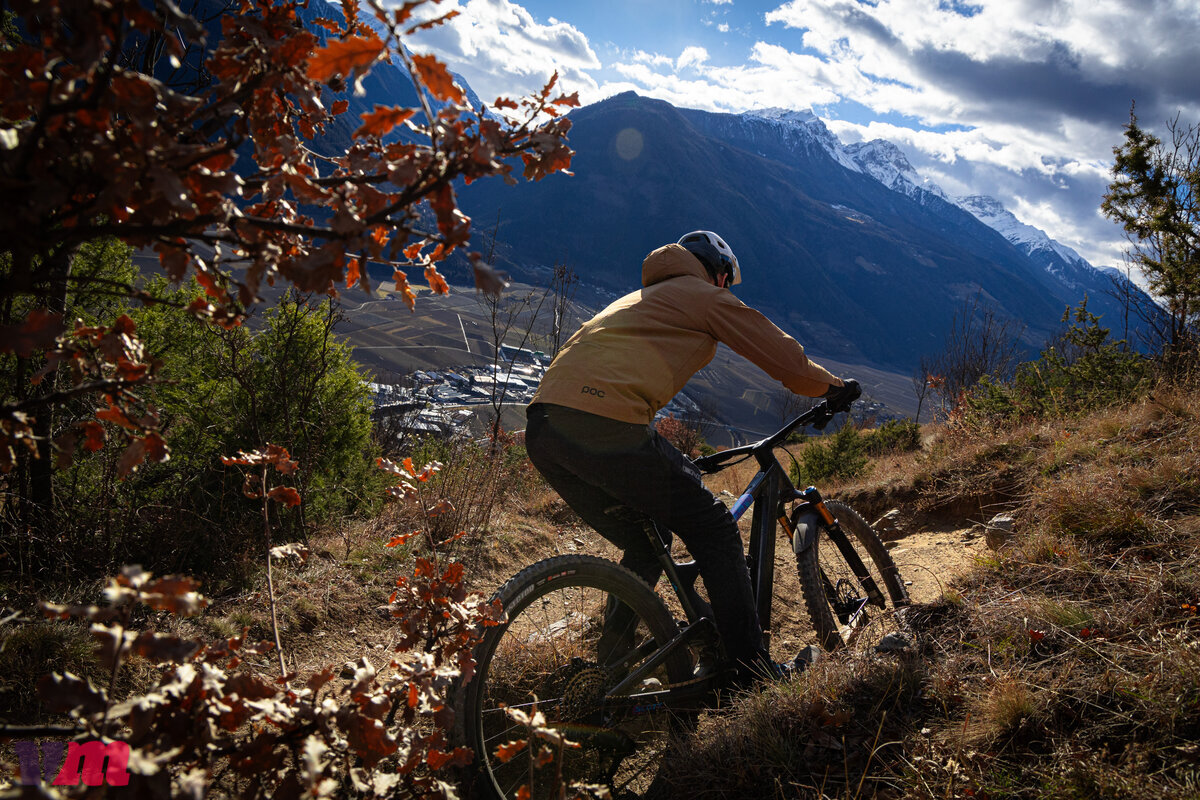
Dabei überzeugte das Bike quasi vom Stand weg mit einer enormen Vielseitigkeit, die wir so schon vom großen „Vorbild“ Genius kannten und schätzen. Von anspruchsvollen, felsigen Enduro-Trails bis hin zu flowigen Spaß-Strecken, die sich endlos den Hang entlang schlängeln: Das neue Light E-MTB aus dem Hause Scott fühlt sich überall zuhause.
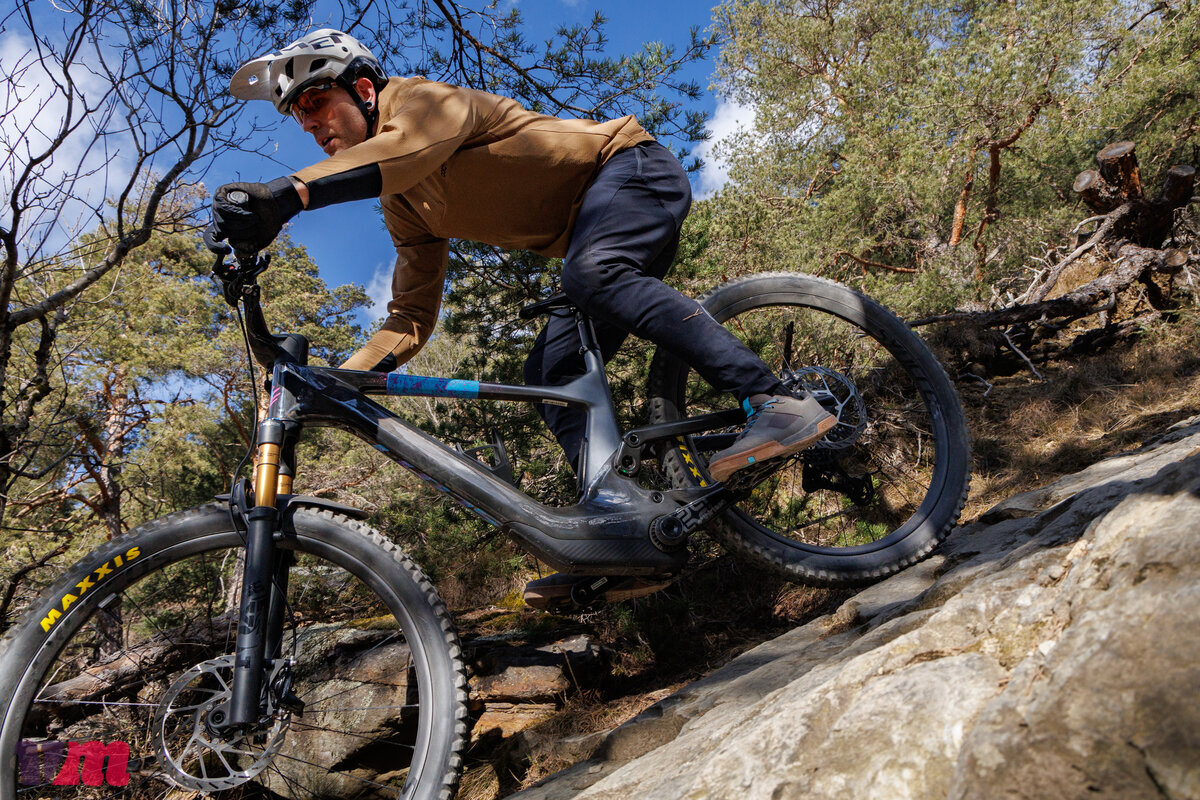
Bei Vollgas im anspruchsvollen Terrain brilliert das exzellente, schluckfreudige Fahrwerk, das aber immer genügend Feedback gibt und niemals träge wirkt. Die progressive Geometrie belohnt einen aktiven Fahrstil, doch auch weniger versierte Piloten dürften mit dem Voltage eRIDE einen passenden Begleiter finden, der viel Sicherheit vermittelt.
Die Ausstattung machte ihre Sache von A bis Z hervorragend. Selbst die von uns in der Vergangenheit gelegentlich kritisierten Sram Code Bremsen waren immer zuverlässig und bissfest zur Stelle.
Im Uphill zeigte der TQ HPR50 sein uns bestens bekanntes Gesicht: Nach einigen Metern vergisst man, auf einem E-MTB zu sitzen. So natürlich, so flüsterleise und zurückhaltend unterstützt der kompakte Motor. Zur ganzen Wahrheit gehört natürlich aber auch, dass vor allem Steile Wege den Beinen trotz Unterstützung einiges abverlangen. Wer beim Klettern nicht ins Schwitzen kommen möchte, wird mit dem HPR50 deshalb wahrscheinlich eher nicht glücklich.
Ein durchaus schmerzlicher Wermutstropfen war für uns der fest verbaute und dann doch recht kleine Akku. Vor allem im alpinen Gelände sind damit vielleicht eine, maximal zwei Abfahrten drin, bevor man wieder an die Steckdose muss. Der Range Extender mit 160 Wh würde zwar etwas Abhilfe schaffen, das Problem jedoch nicht ganz aus der Welt räumen.


Schreibe einen Kommentar