


Test Rocky Mountain Solo 50: Mountainbike-Legende Rocky Mountain hat mit dem Solo ein solides, trailiges Gravelbike im Programm, das mit vielen Anbaumöglichkeiten gerade Tourenfahrern entgegenkommt – aber auch mehr könnte.
Bei Rocky Mountain horchen Mountainbiker auf. Das kanadische Unternehmen ist längst kein Geheimtipp mehr, hat sich aber von der wachsenden Bekanntheit nicht aus dem Konzept bringen lassen und bietet nach wie vor ziemlich schnörkellose, kompromisslos funktionelle Mountainbikes der unterschiedlichen Kategorien an. Ein Gravelbike war irgendwann ein logischer Schritt, wobei nach wie vor nur ein Modell in zwei unterschiedlichen Ausstattungsvarianten im Sortiment ist – das Rocky Mountain Solo 50 bzw. 30.
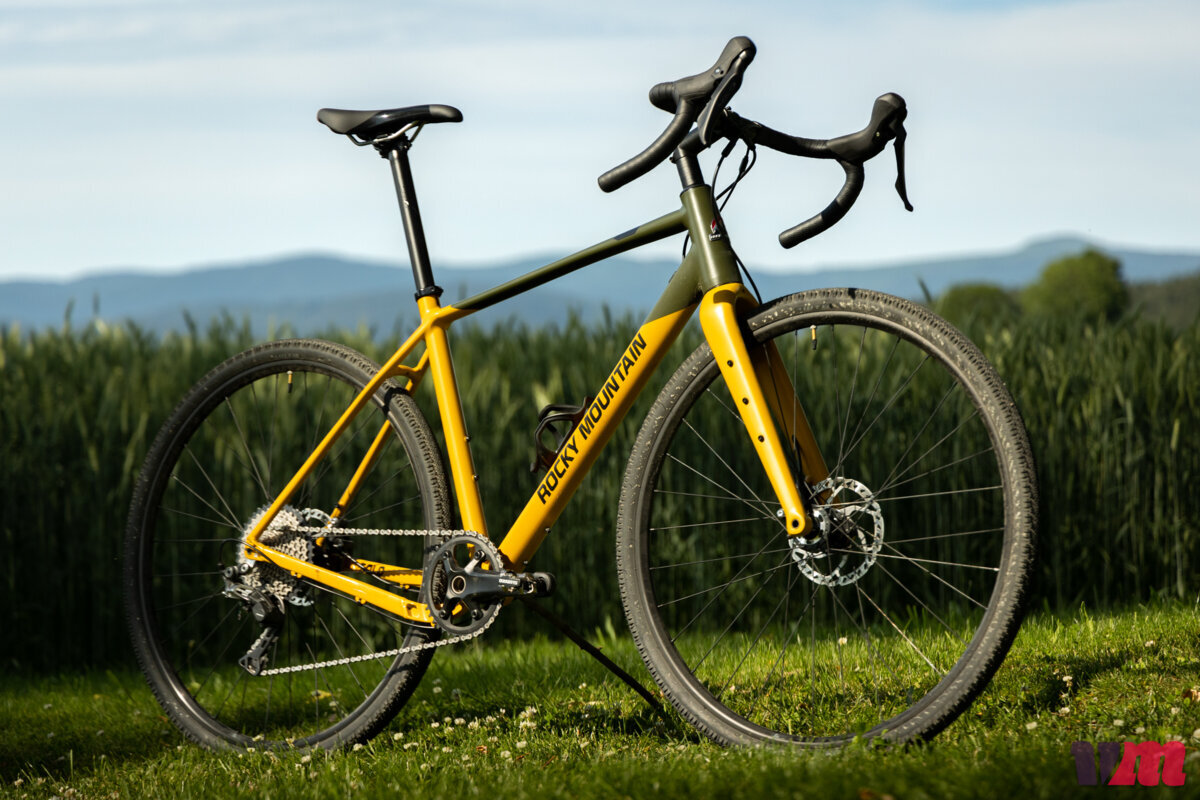
Das Solo 30 mit SRAM Apex und breitem, extrastark ausgestelltem Lenker sowie das hier vorgestellte Rocky Mountain Solo 50 sind keine abgehobenen Carbon-Bikes, sondern ziemlich bodenständig und wiederum sehr funktionsorientiert – und tendenziell auf Mountainbiker ausgerichtet.
Rocky Mountain Solo 50 – Auch 650B-Laufräder möglich
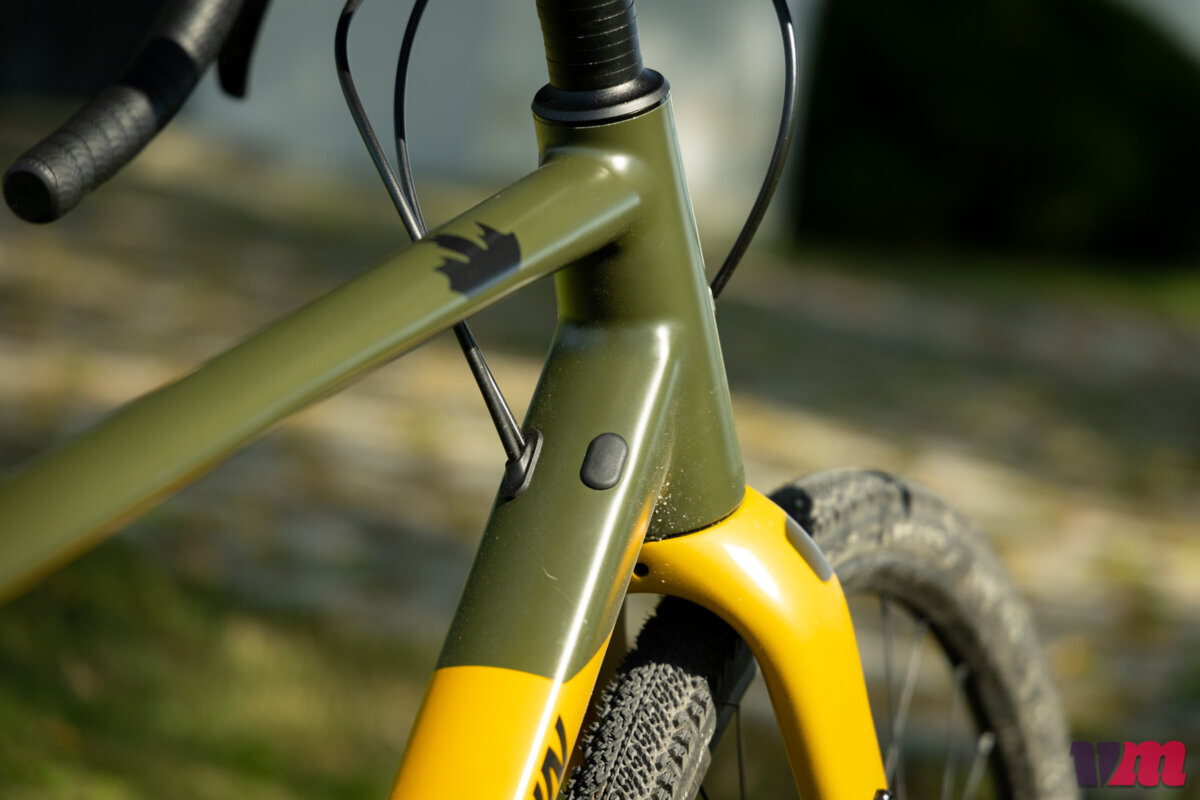
Was macht das Solo 50 aus? Unter der markentypischen Zweifarblackierung steckt ein schnörkelloser Alu-Rahmen mit teils schön geglätteten Schweißnähten, zwei Öffnungen am Unterrohr für Züge und Leitungen und diversen Anbauoptionen. Drei Flaschenhalter, Schutzbleche, Gabelhalterungen und wohl auch ein Gepäckträger lassen sich montieren; die typischen Gewinde am Oberrohr fehlen.
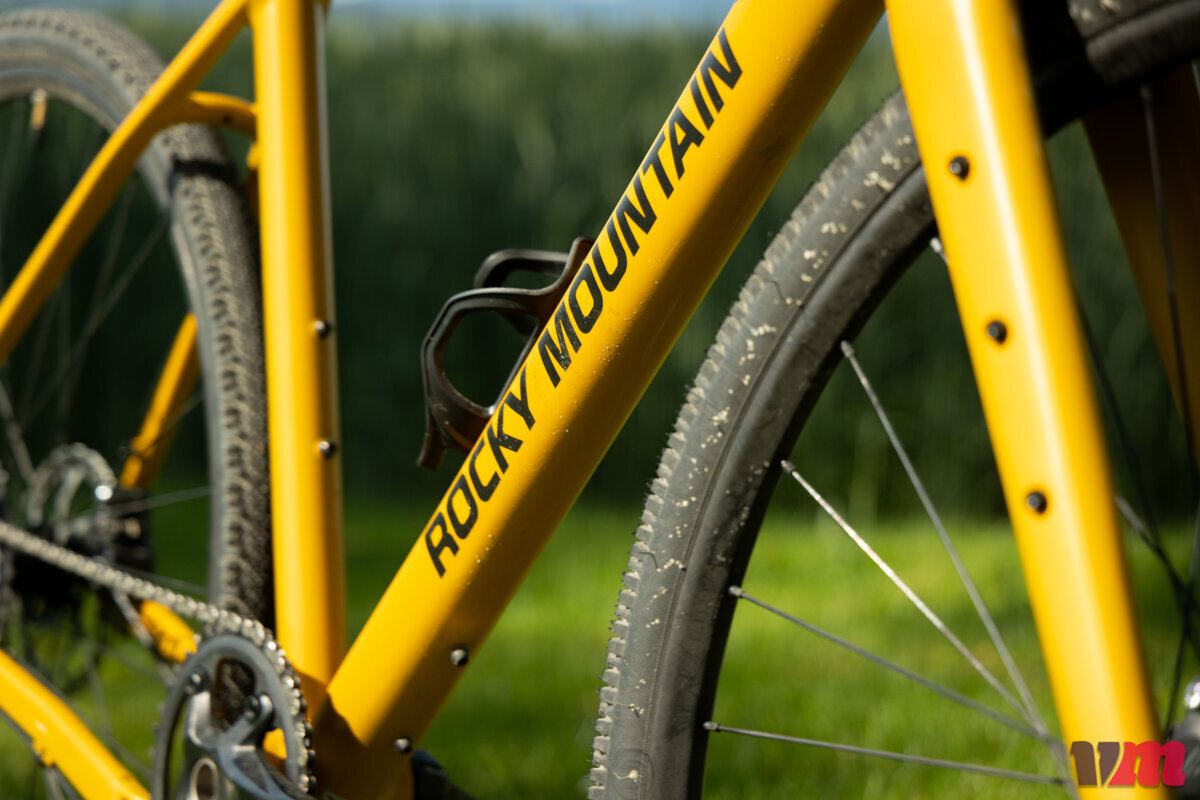
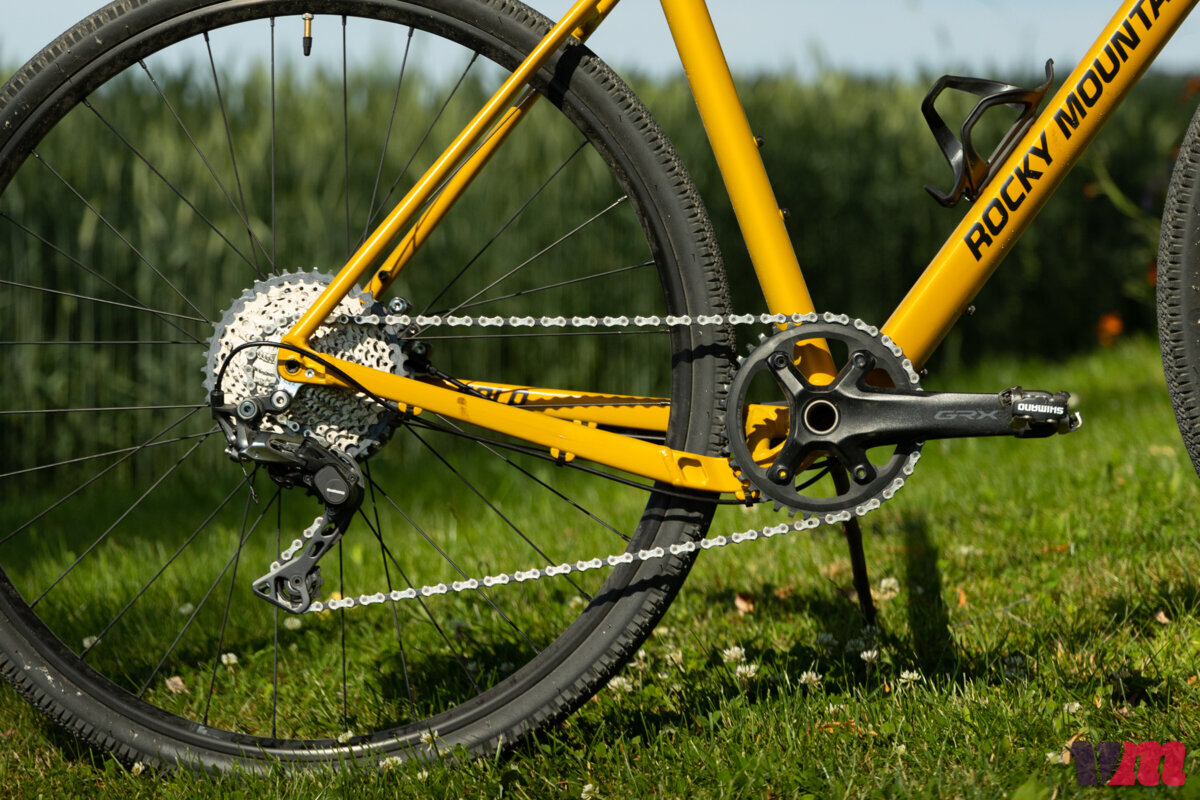
Die offizielle Reifenfreiheit von 622-40 ist knapp bemessen, wobei Gabel und Hinterbau dem Anschein nach auch breitere Reifen aufnehmen sollten. Interessant wird’s freilich, wenn man die 650B-Option in Anspruch nimmt: Dann passen 2.2 Zoll breite Reifen rein, was ganzen 55 mm entspricht.
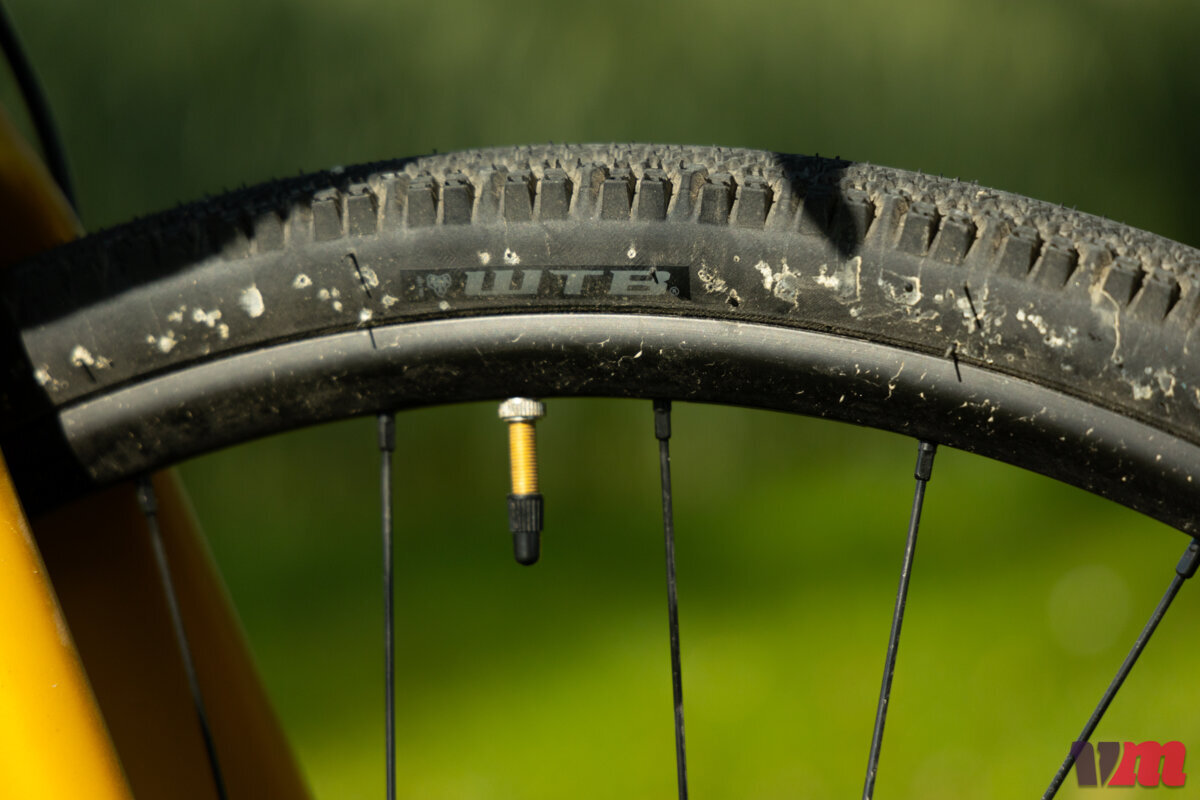
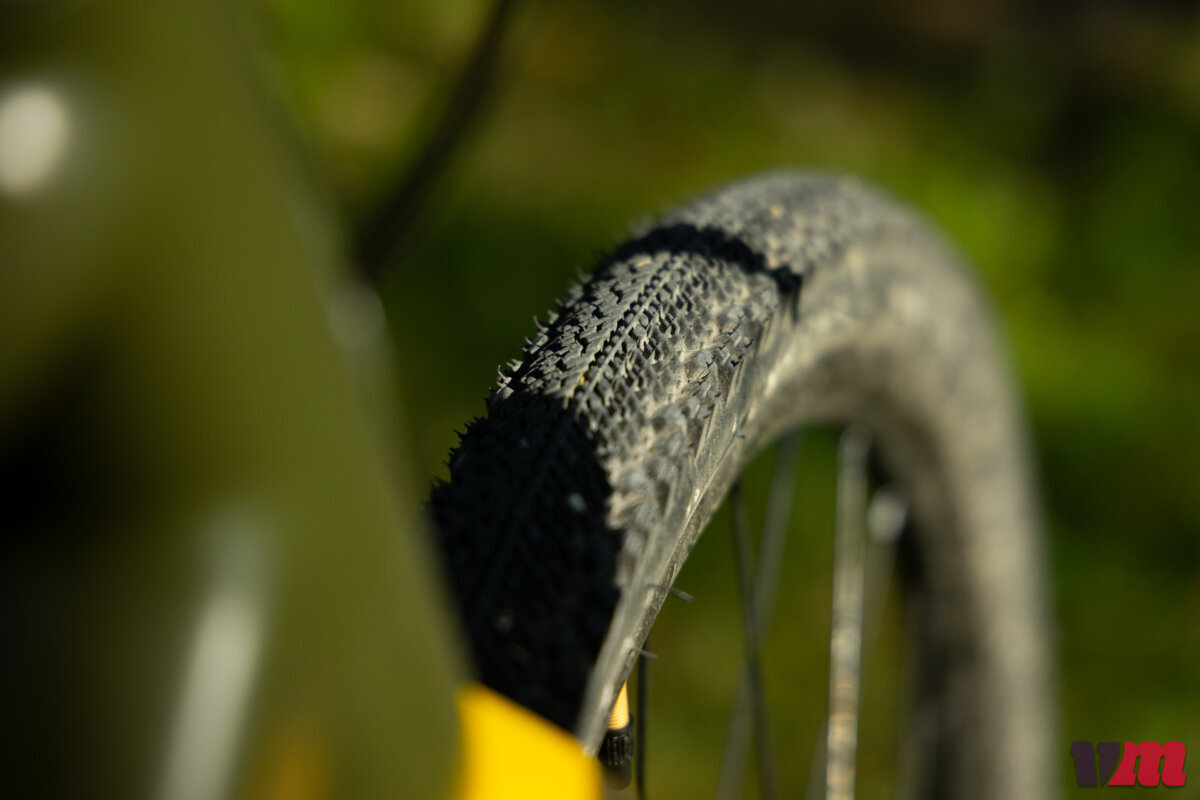
Schon hat das Solo einen großen Schritt in Richtung MTB gemacht und kann grobe, steinige und wurzelige Passagen unter die Räder nehmen, vor denen ein Rad mit typischen 28-Zoll-Reifen kapitulieren muss. Da ist es fast etwas schade, dass Rocky Mountain nicht gleich eine 650B-Version anbietet, womit sich das Solo noch stärker vom Wettbewerb abheben könnte.

Solide GRX-Ausstattung
Auch die Rahmengeometrie ist mit flachem Lenkwinkel und langem Oberrohr merklich am Mountainbike ausgerichtet – eine typische Trail-Geometrie, zu der der kurze Vorbau gehört, der zu einer kompakten, komfortablen Sitzhaltung beiträgt.
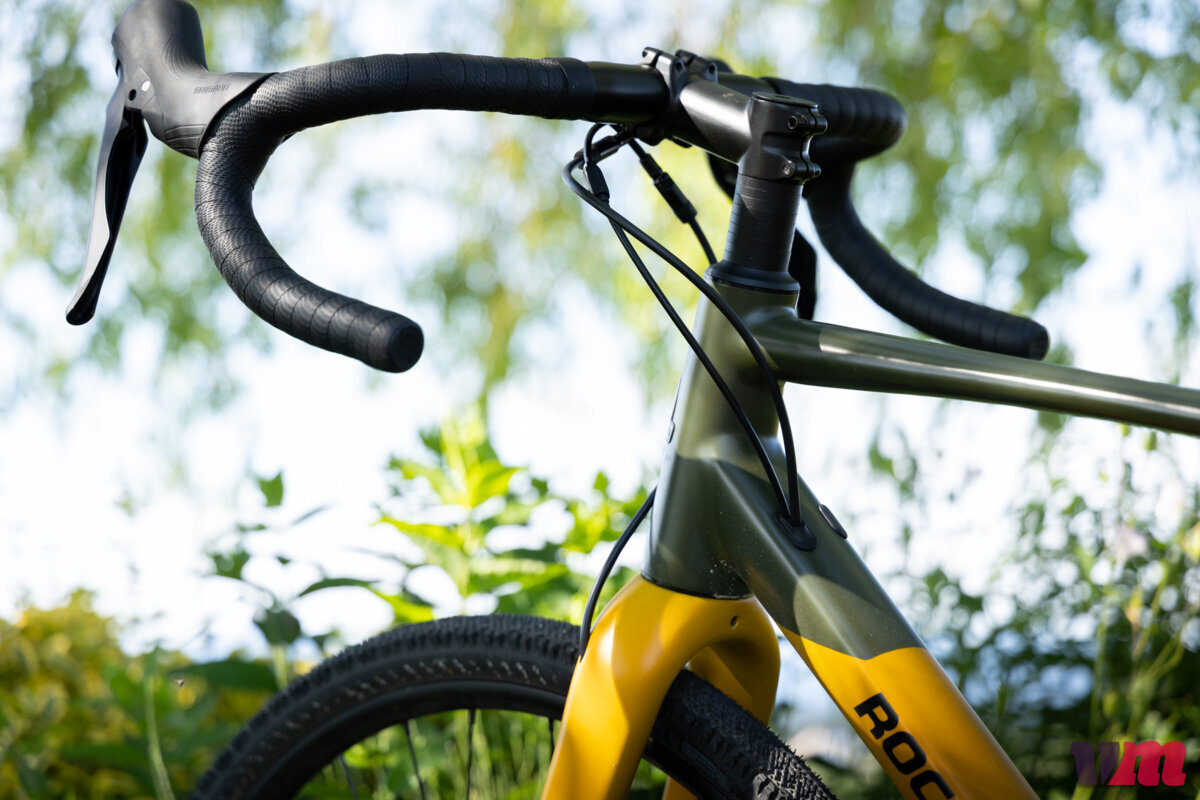
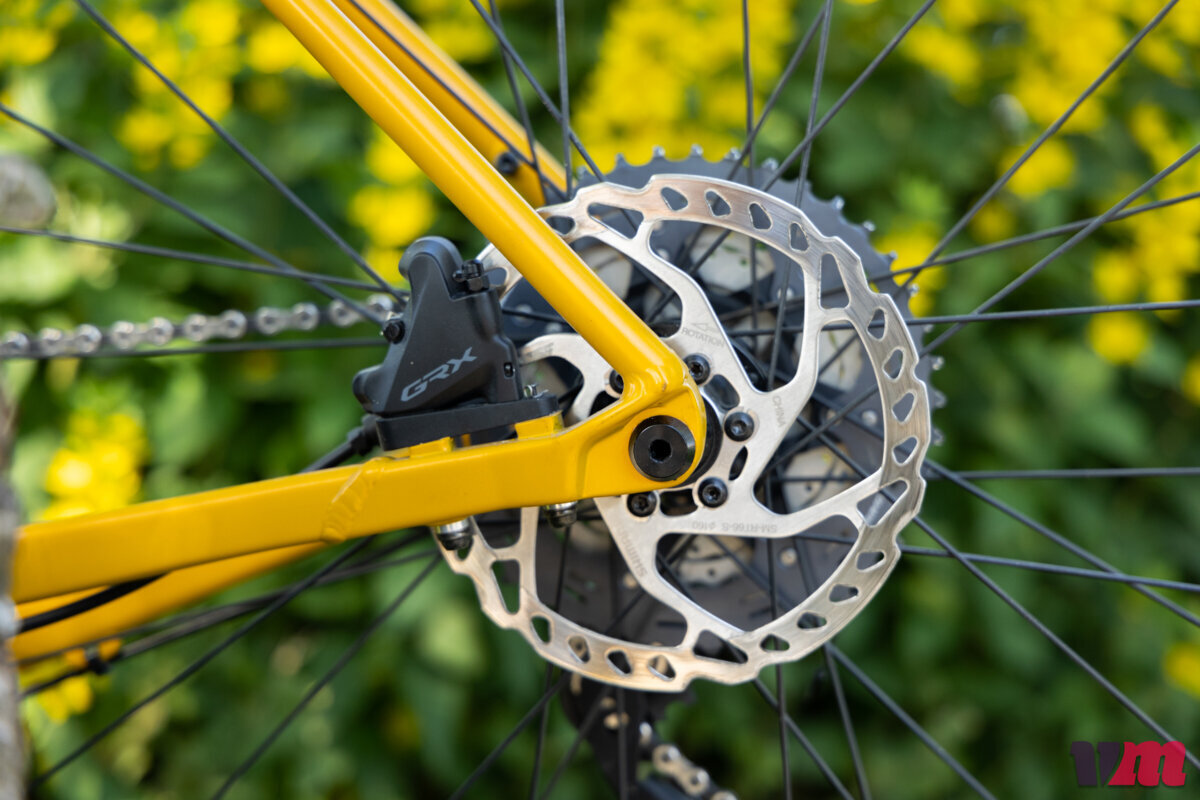
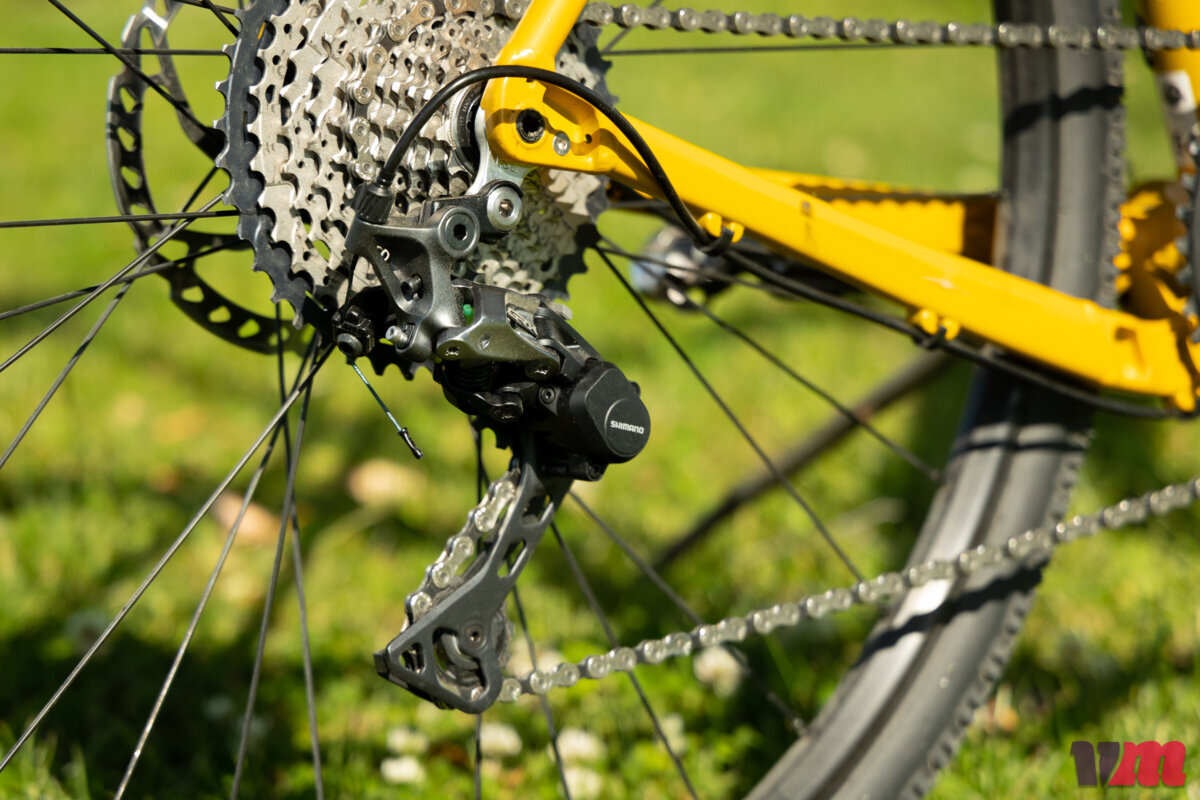
Auffällig ist, das Rocky Mountain an der Gabel eine 15er Steckachse verbaut, was wiederum MTB-typisch ist. Das Testrad ist mit Shimano GRX600-STIs ausgestattet, die für gewöhnlich mit GRX- 400-Bremssätteln kombiniert sind, außerdem einem 810er Schaltwerk – rundum gut funktionierendes Material. Mit 11-42er Kassette und 40er Kettenblatt ist der Übersetzungsumfang groß, wenn auch nicht so MTB-mäßig wie die SRAM Eagle mit 10-52er Kranz. Die 30.9er Alu-Sattelstütze ist recht hart; das für ein Dropbar-Bike ungewöhnliche Maß erklärt sich durch die Kompatibilität des Rahmens mit einer versenkbaren Sattelstütze.
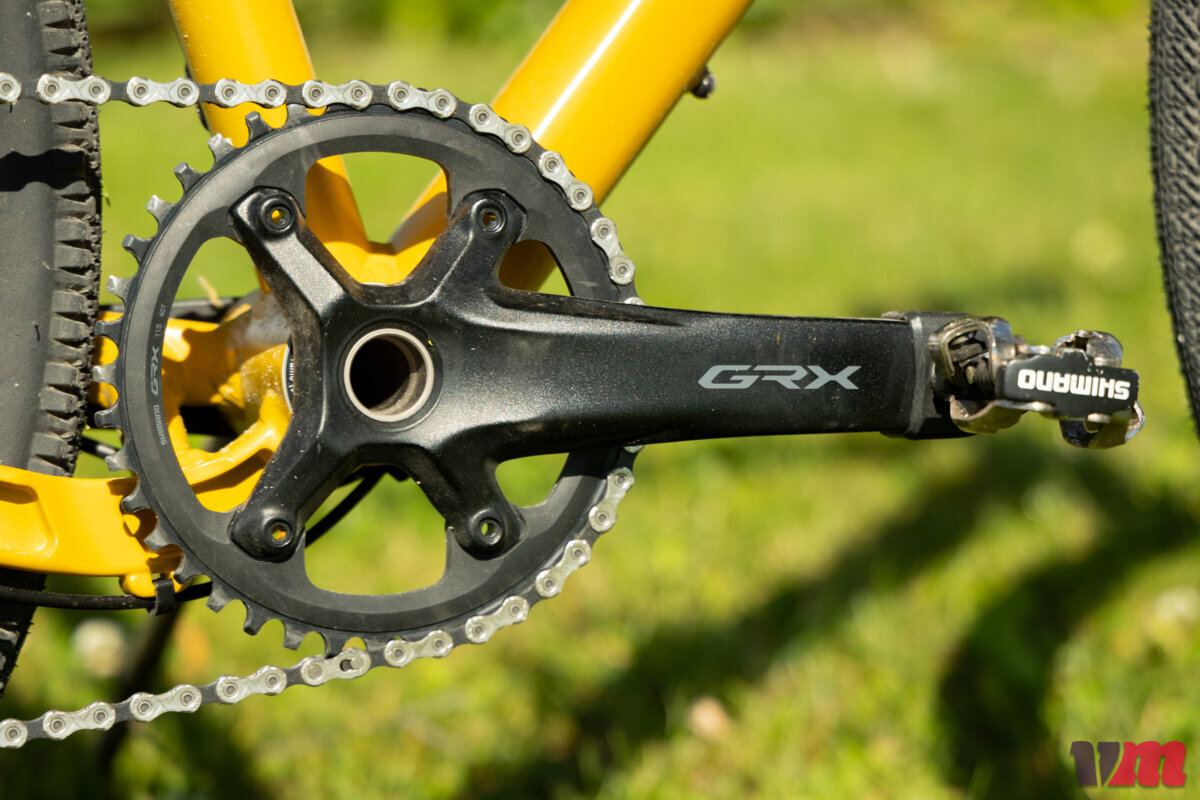
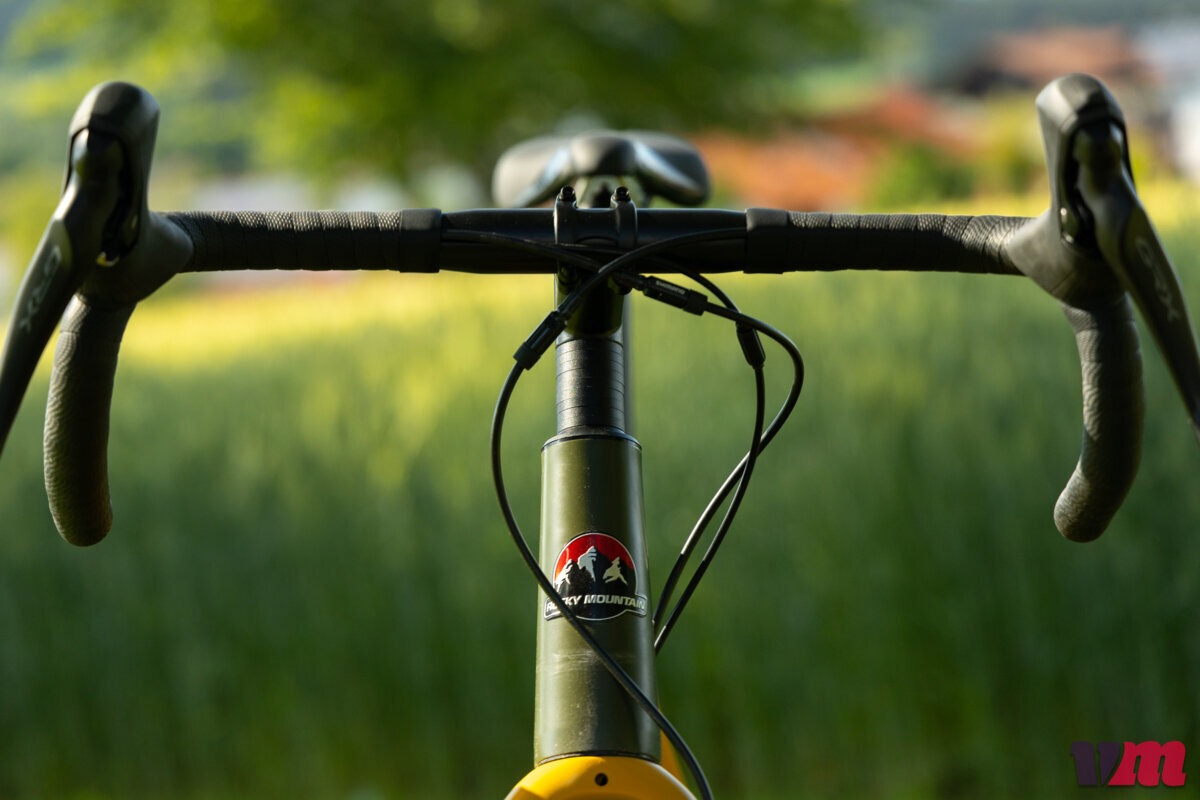
Was die Fahreigenschaften angeht, ist das nicht eben leichte Rad ausgewogen und nicht sehr spritzig, in der vorliegenden Form damit eher für entspanntes Touren geeignet, ob mit oder ohne Gepäck. Würde Rocky Mountain das Potenzial des Rahmens voll nutzen, käme ein deutlich geländetauglicheres Bike heraus, das den Ursprüngen der Marke näher wäre.











Heike says
Ich frage mich bei solchen Fehlkonstruktionen immer (zu schwer, 1-fach Kurbel, Kabelführung ein Witz?), ob die Entwickler selbst jemals richtig Rennradfahren oder Graveln.