


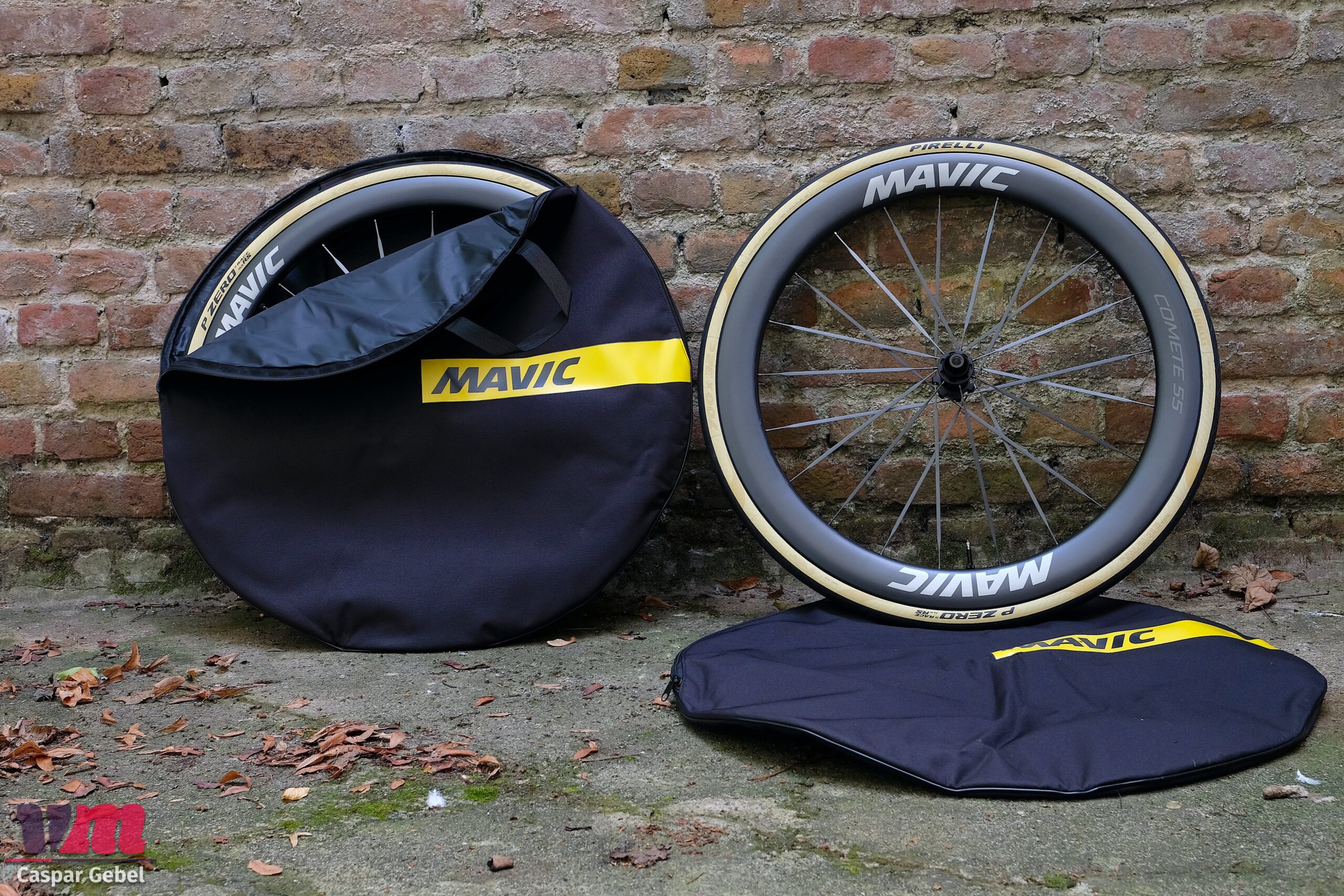
Mavic Comete 45/55 Review: With the new generation of the Comete, the long-established manufacturer has taken a big leap forward. Wide rims with varying profile depths, carbon spokes, and low weight pique interest and raise the question: Can the new material surpass Mavic's existing wheelsets? The first test rides provide a clear answer…
Who remembers the first carbon spoke – or rather, the first replaceable carbon spoke? Mavic called its revolutionary hollow carbon spokes "Tracomp." These spokes were resistant to both compression and tension and, almost 20 years ago, led to extremely lightweight (around 1.350 grams for folding tires) and super-stiff wheels. The concept didn't catch on, and today, wheels like the Mavic R-Sys wouldn't be competitive for one reason alone: the aerodynamic properties of the almost pencil-thin spokes were far from ideal. But with the new Mavic Comete 45/55 model, the long-established French manufacturer is now launching an offensive in terms of lightweight design and reduced aerodynamic drag.
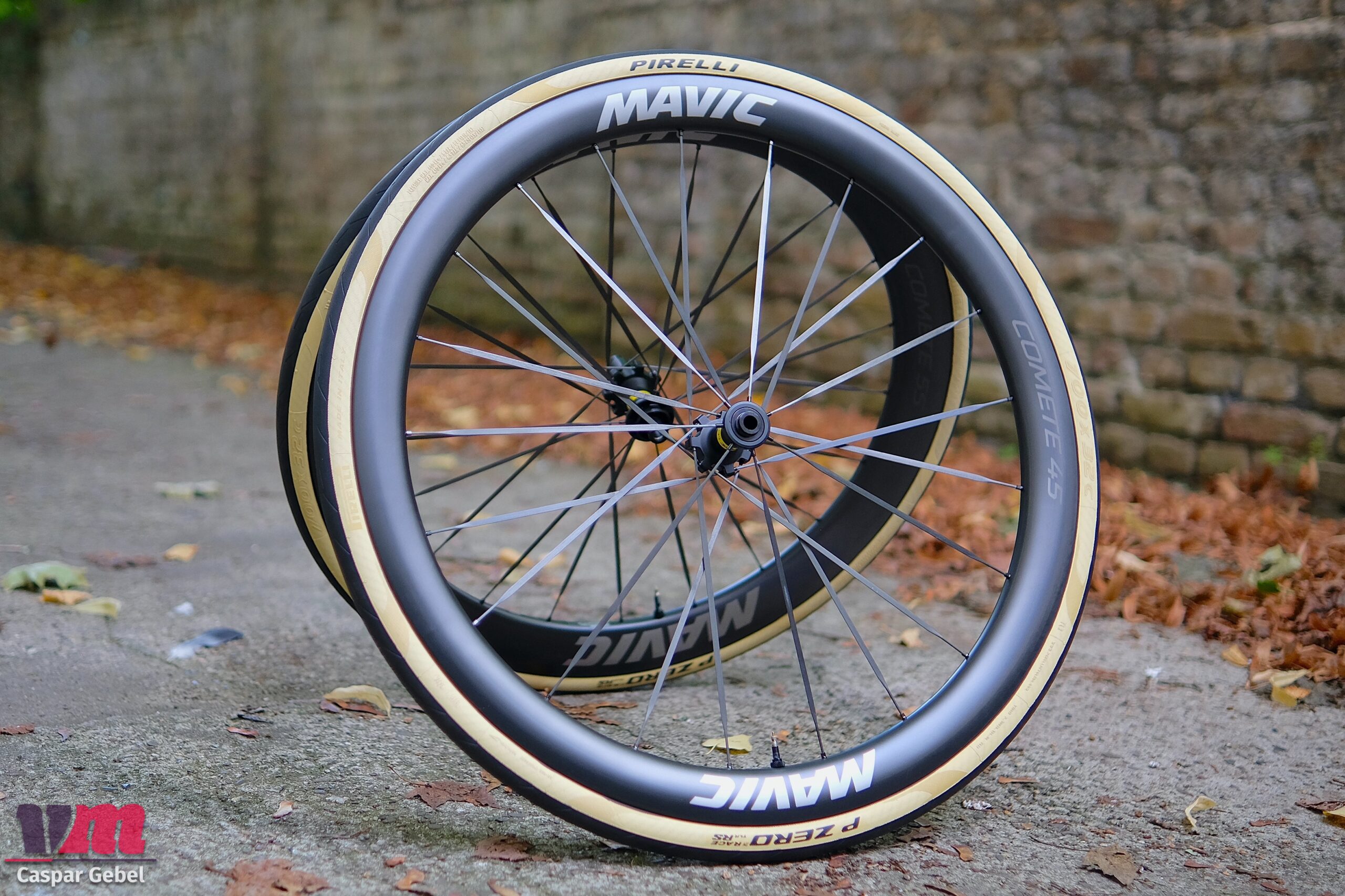
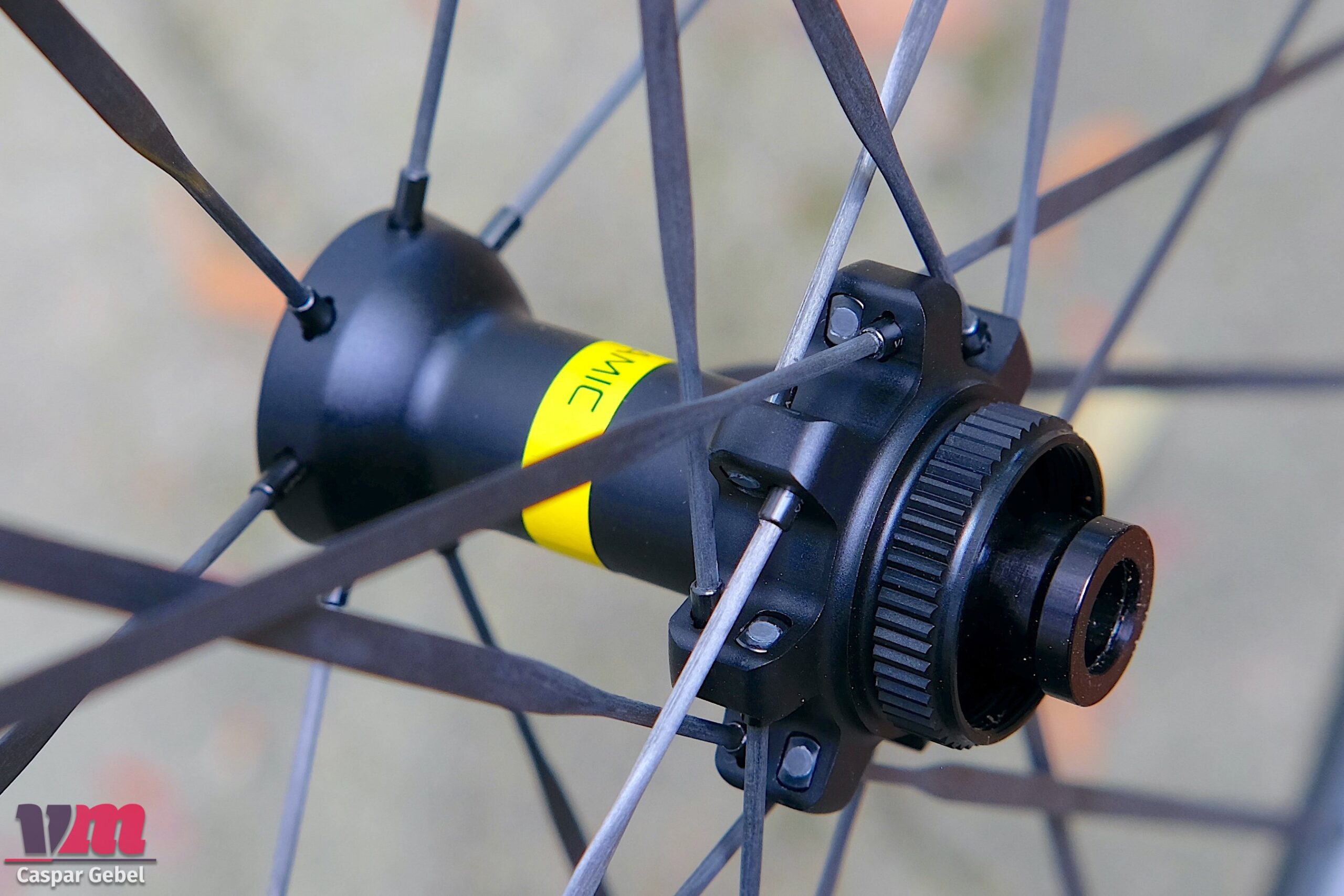
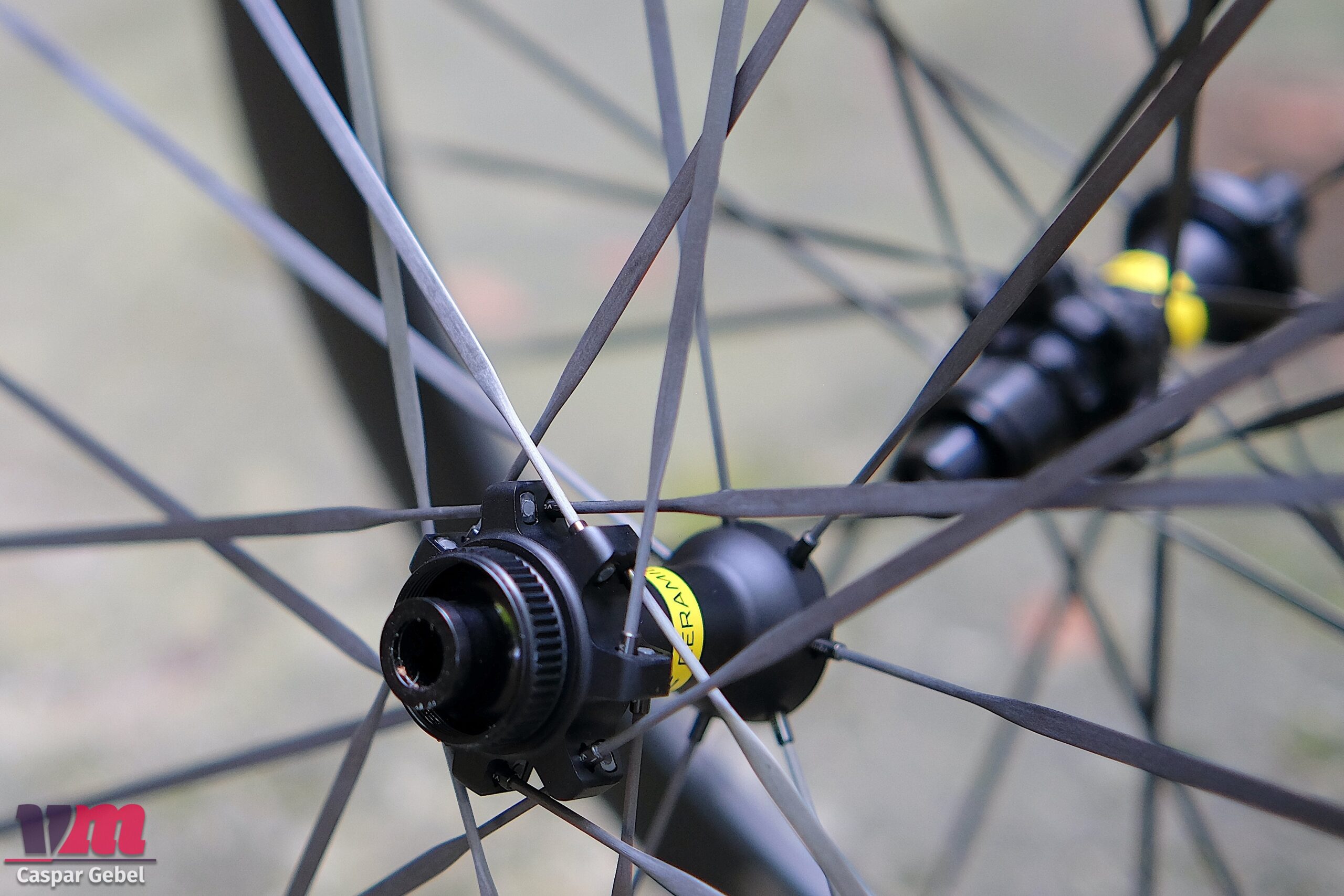
What happened? The French are now also using Vonoa carbon spokes, which are already being used by various manufacturers. These are so light that they save around 100 grams per wheelset compared to steel spokes, with the advantage perhaps being even greater for Mavic wheels. This is because the manufacturer has long relied on particularly wide bladed steel spokes with a lens-shaped cross-section, which tend to be heavier than conventional aero spokes.
Mavic Comete 45/55: the highlights
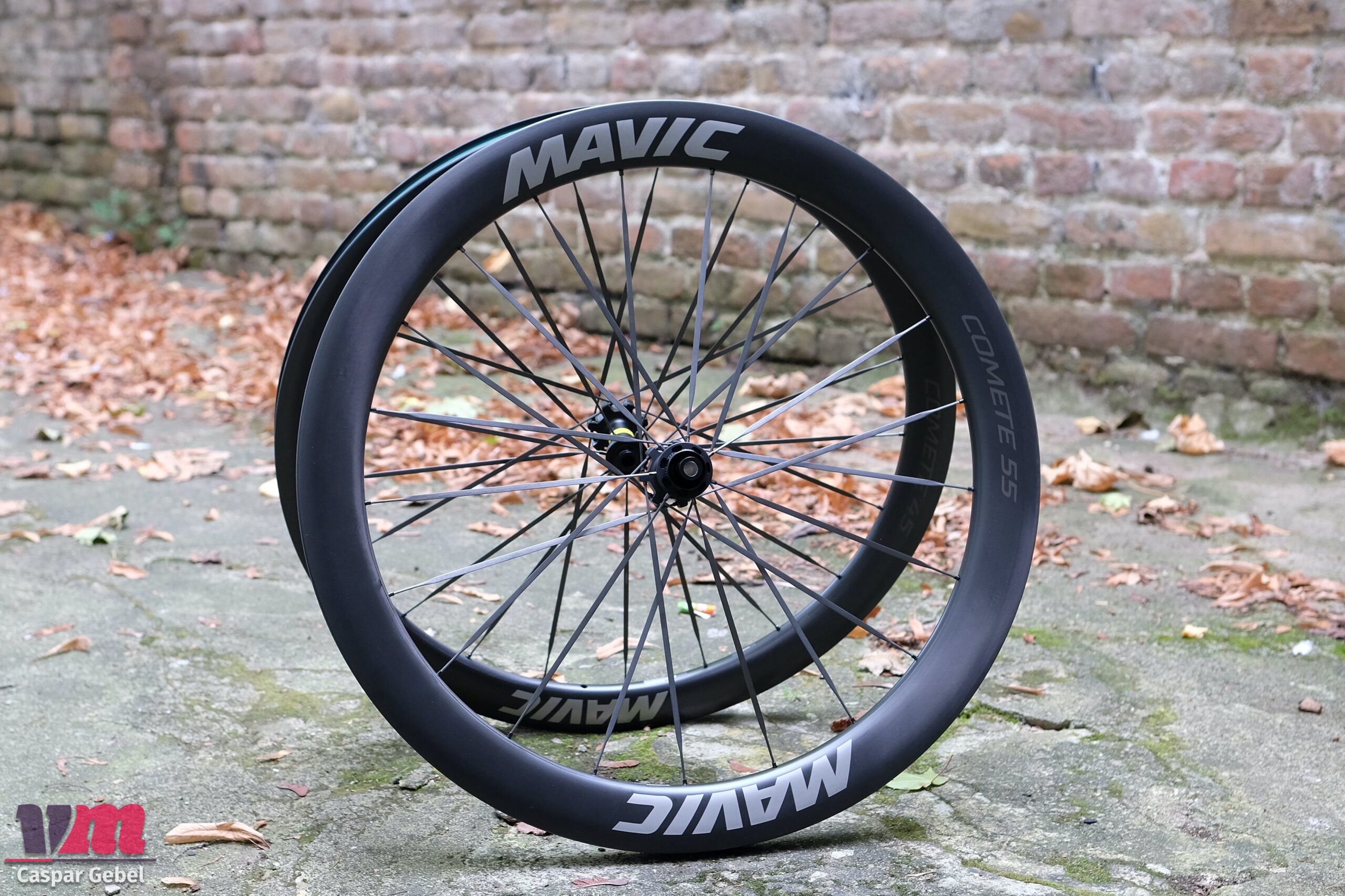
- Carbon rims with an outer width of 34 mm, 45 mm deep at the front / 55 mm deep at the rear
- Tubeless hook rim with 25 mm internal width
- Each wheel has 21 Vonoa carbon spokes in a 2:1 arrangement.
- Ceramic bearings and toothed freewheel
- Weight front wheel 636 g / rear wheel 733 g including tubeless rim tape
- Price 2.499 Euro
Improved aerodynamics with 2:1 spoke pattern
The spoke pattern has also changed – the new Comete wheels are built in a 2:1 configuration with seven radial spokes on the front right and rear left sides, and 14 double-crossed spokes on the brake side at the front and the drive side at the rear. This eliminates three spokes on the front side and results in wheels designed to withstand particularly high loads. The asymmetrical lacing also offers aerodynamic advantages: the 14 spokes are angled at a steeper angle, providing better wind protection from the rim.
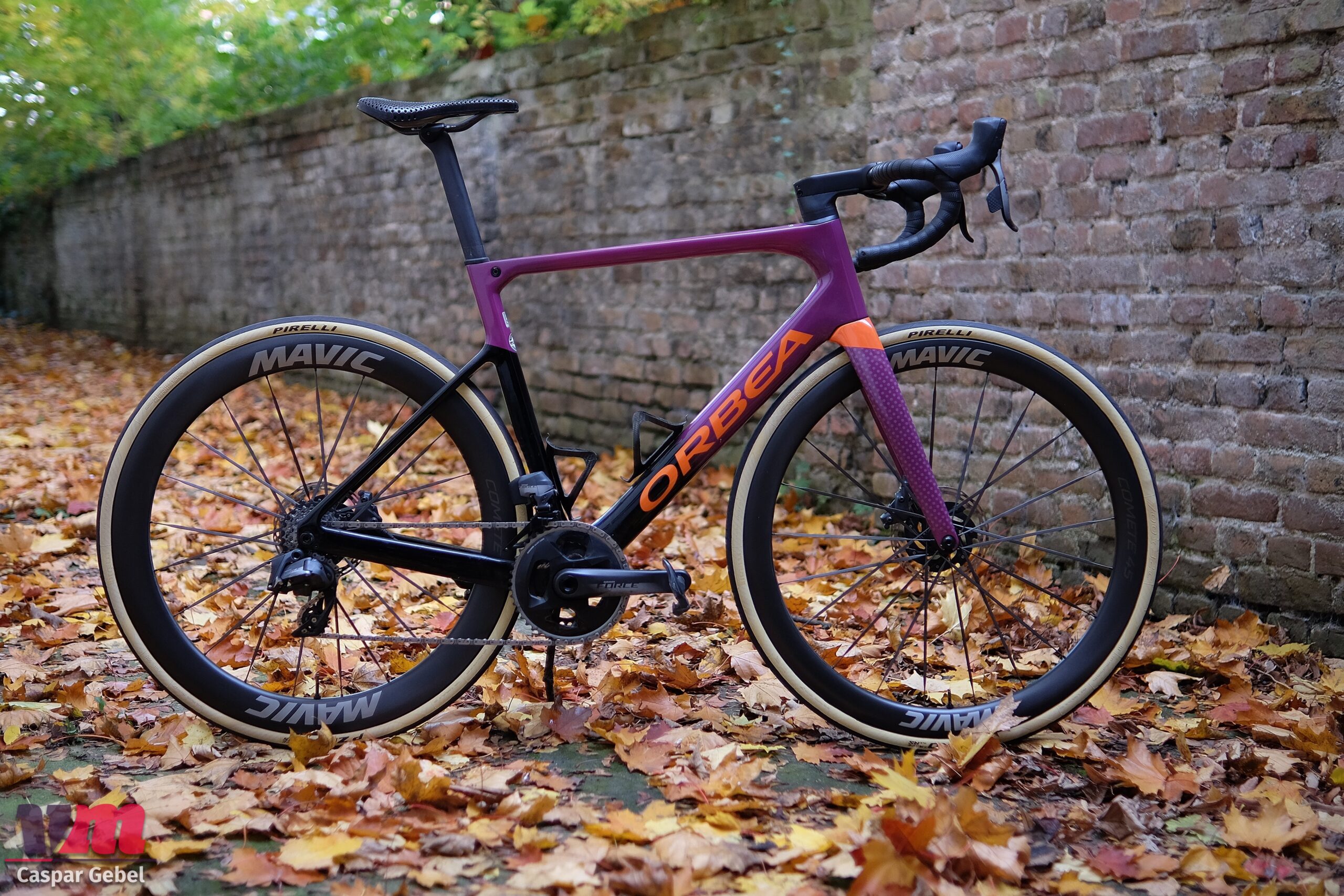
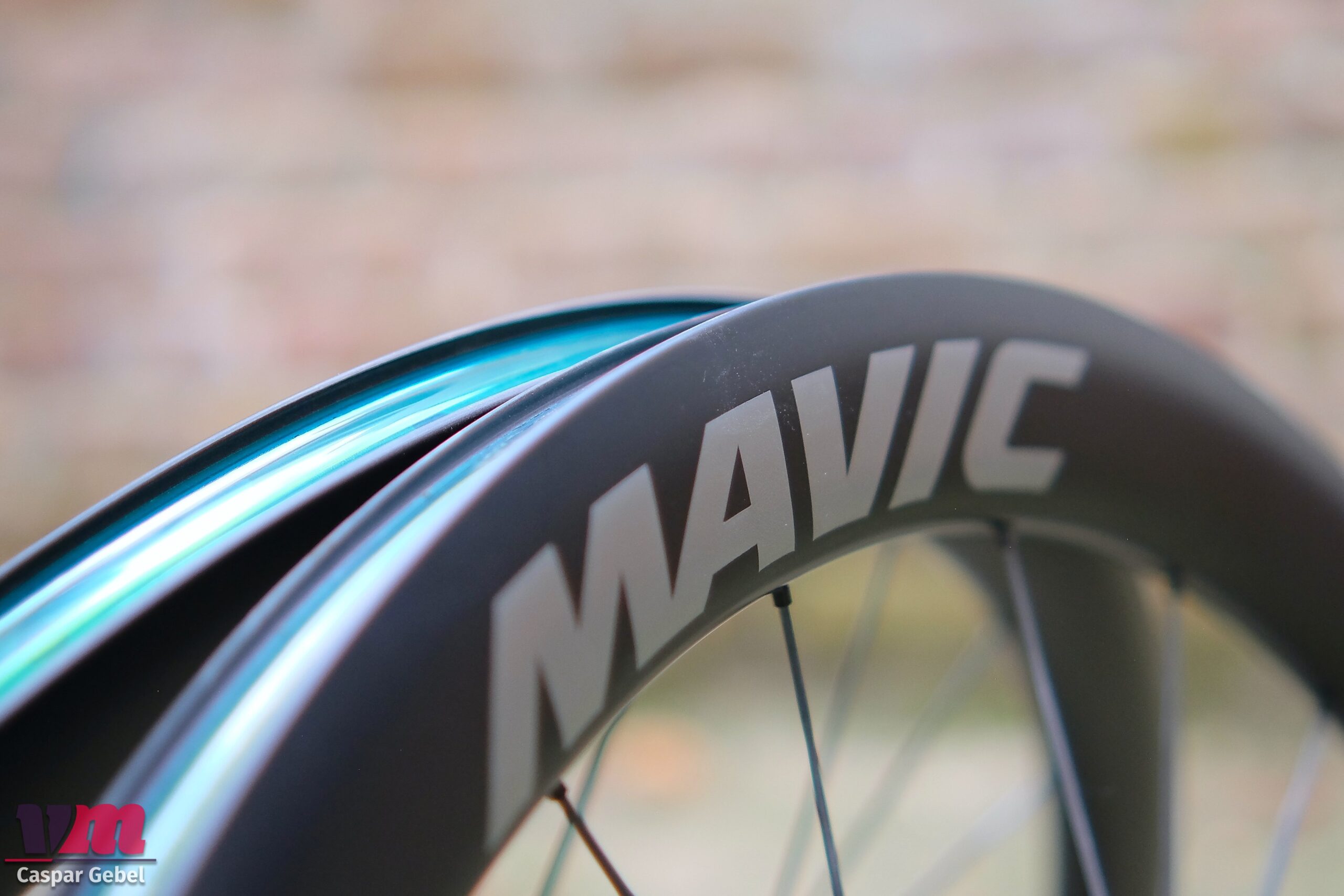
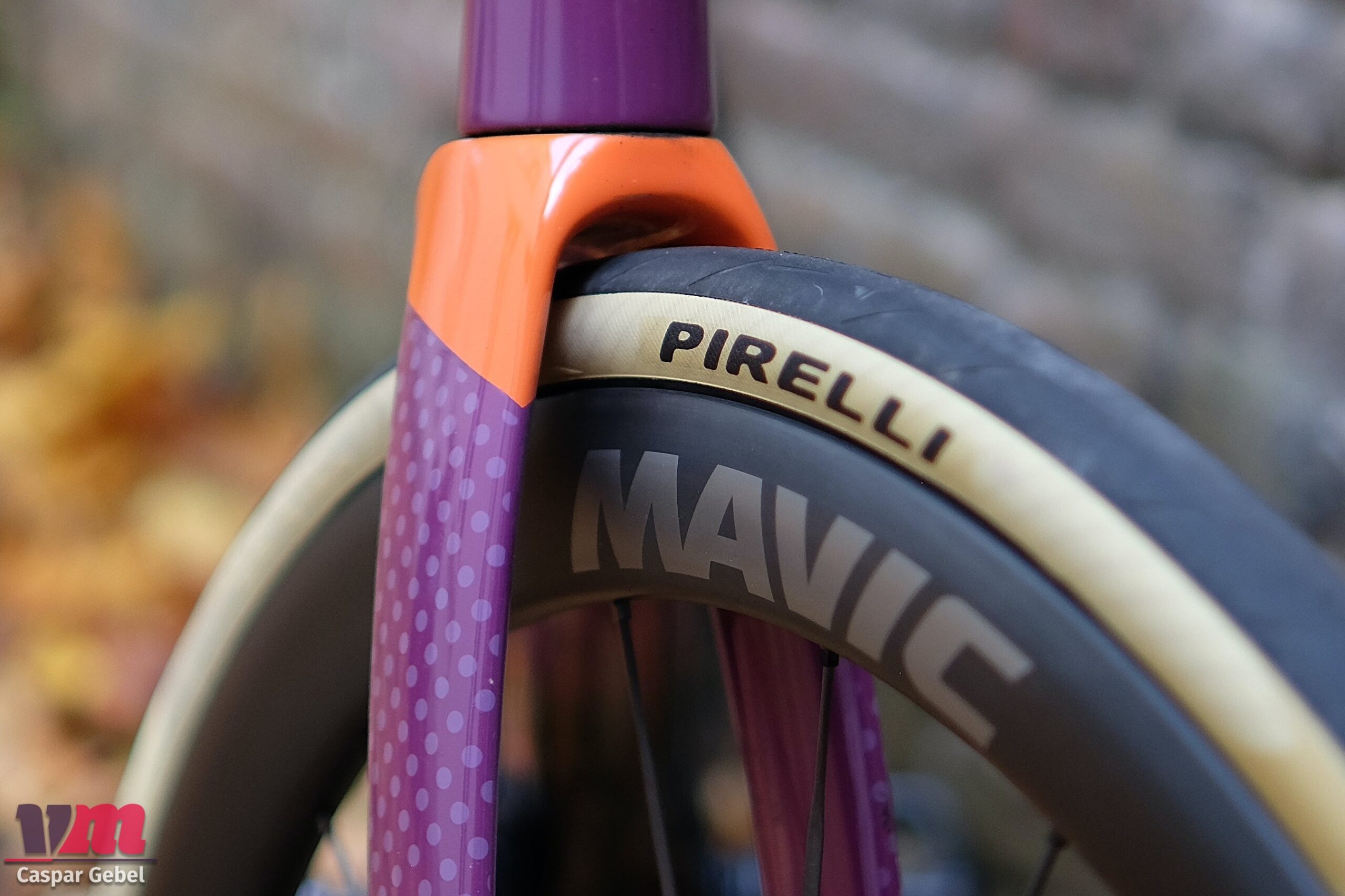
But that's not all – Mavic has also made changes to the rims themselves. Their internal width of 25 mm is quite large for road bike wheels. According to the ETRTO standard, at least 29 mm wide tires must be used, but Mavic has designed the rim profile specifically for 30 mm tires. This makes sense, especially since road tires of this width are now considered optimal in terms of rolling resistance. It's also necessary with the new Comete rims because the outer width is 34 mm. This is a first for Mavic, as the French company has long relied on rather narrow rims. With the new rim profile, the brand is now propelling itself aerodynamically forward, because even when using 32 mm tires, the Comete rims fulfill an important criterion: they are slightly wider than the tires, thus preventing the unfavorable airflow separation in the transition area between the two components.
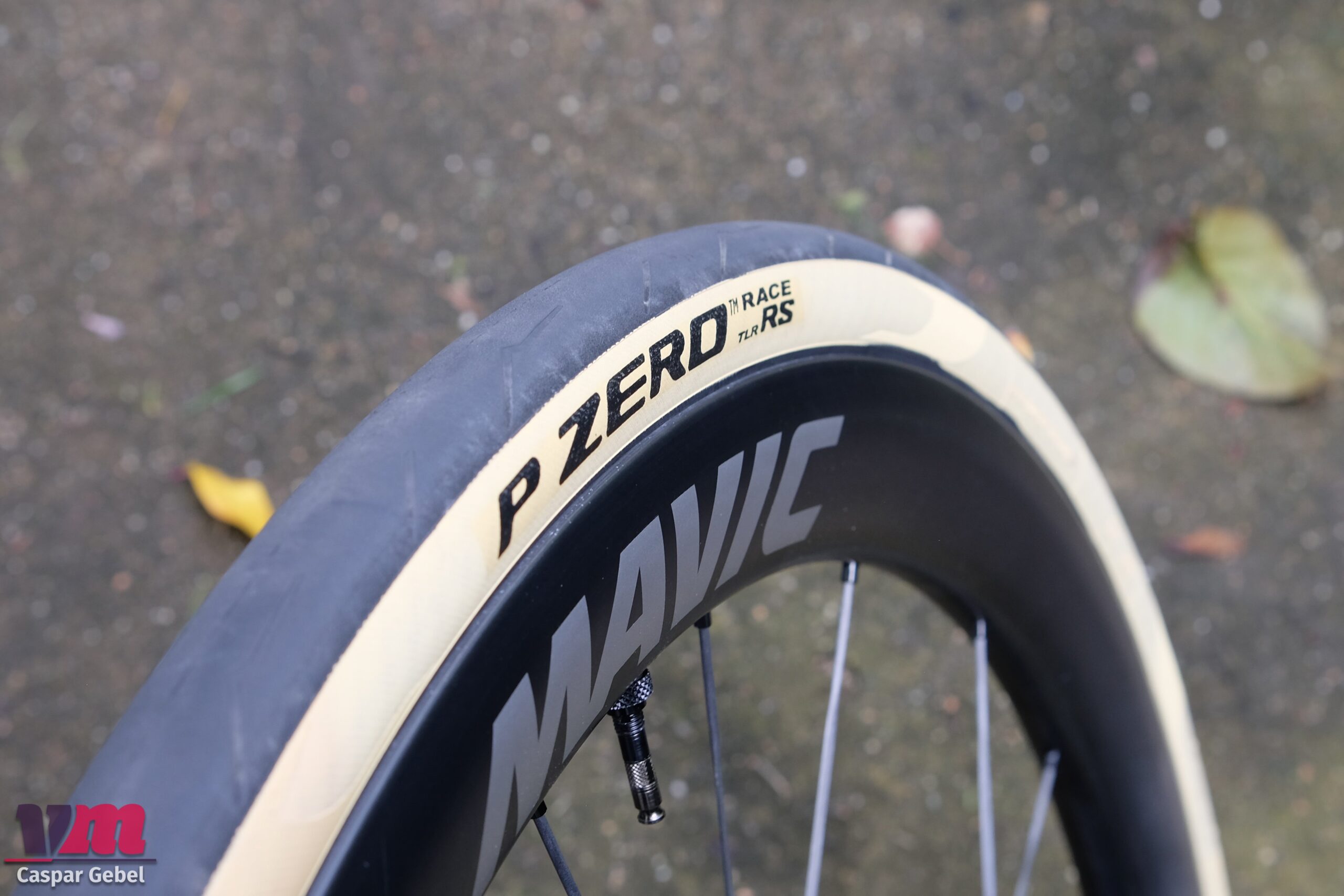
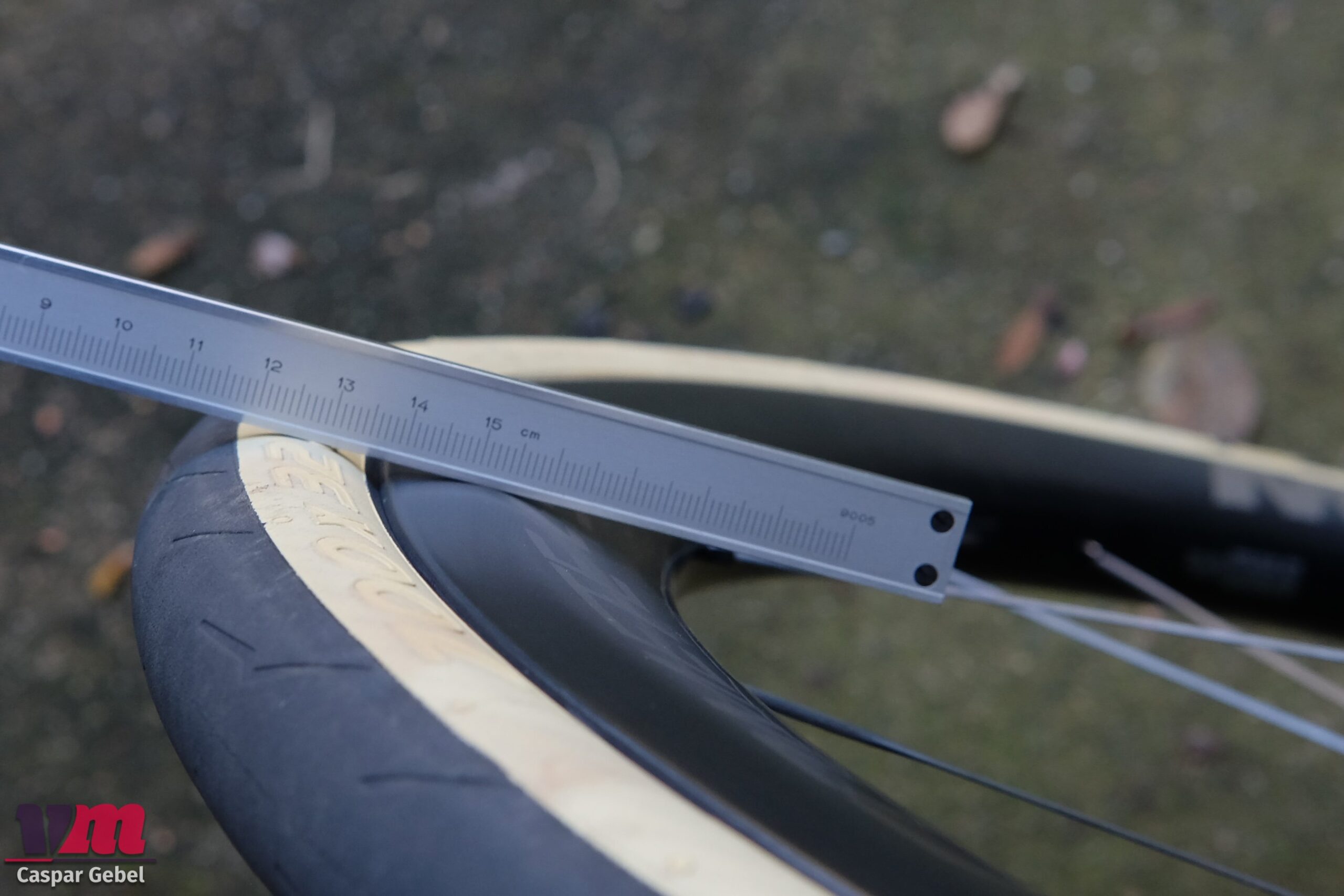
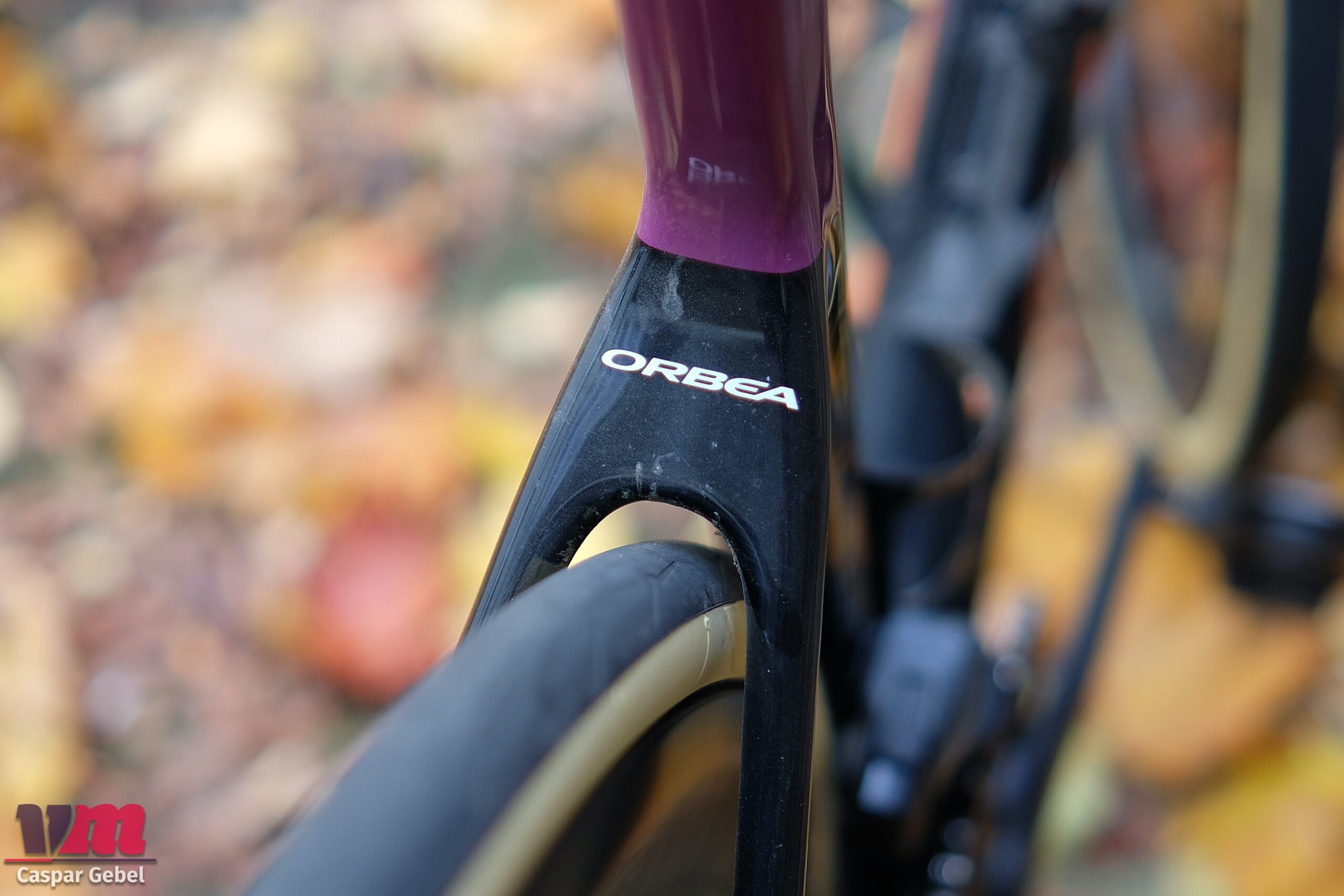
It should be noted that the 32mm Pirelli tires, at a pressure of around 4 bar, measure just under 34mm on the wide rims; they are therefore almost as wide as the rims themselves. Furthermore, the widest point of the rim is located a good deal below the rim edge – so there is no smooth transition between the rubber and the carbon. Elsewhere – for example, with the similarly wide Zipp 303 SW – the upper edge of the rim forms the widest point. However, the performance of these wheelsets demonstrates that different approaches can lead to aerodynamically optimized results.
Mavic Comete 45/55: optimally designed for wider tires
Increased comfort, a wider range of tire pressures, and consequently, more grip and traction: anyone wanting to enjoy these advantages of wider tires without sacrificing wind resistance will find this wheelset ideal. While the Pirelli P Zero Race TLR RS 32, which we mounted on the Mavic wheels for testing, has slightly higher rolling resistance than the 30mm version, the reduced shock and vibration for the rider should easily compensate for this on longer rides. The only remaining drawback is the slightly higher weight of the wider tire – but the wheelset itself is very light at 1.370 grams including rim tape.
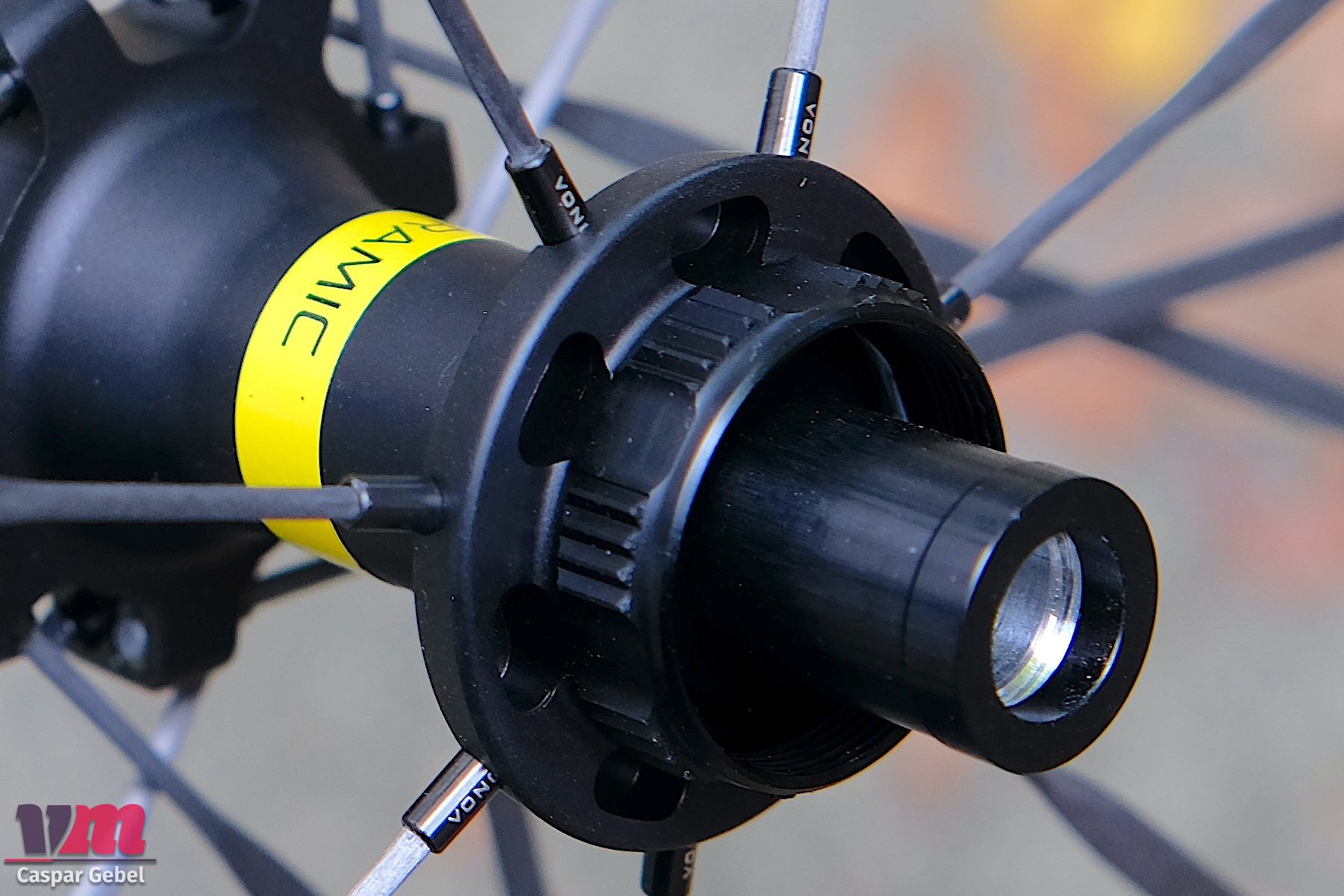
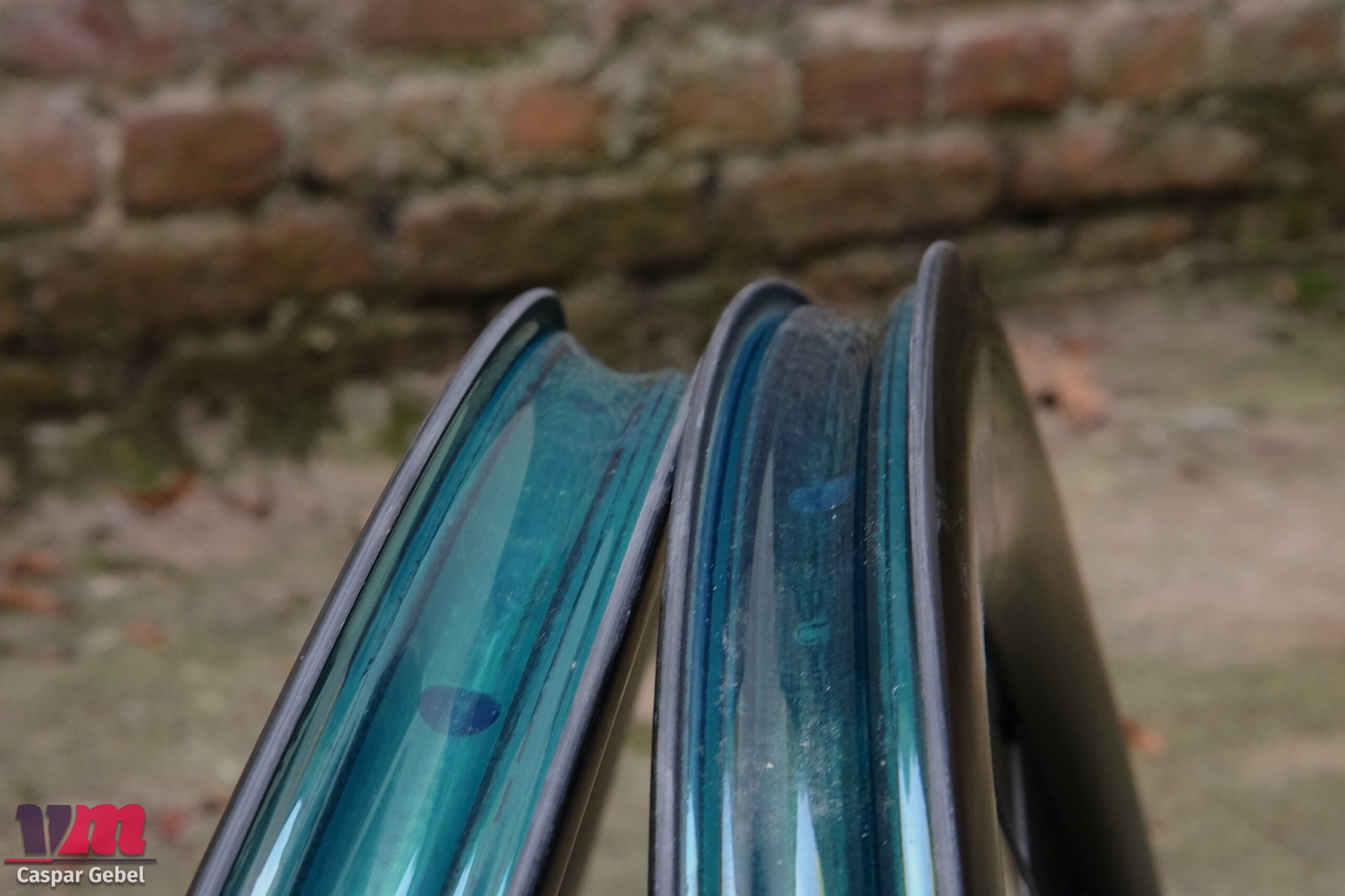
Rim tape? Exactly, Mavic has opted against an undrilled rim bed on this wheelset. The reason is likely that the Vonoa spokes are mounted with conventional nipples; the Fore nipples, which are screwed into the spokes, cannot be used. Mavic states that they selected the most aerodynamic variant from Vonoa's range; the hub flanges have been adapted to the specific shape of the spoke heads. This has no effect on tubeless setup. Both tires can only be installed on the rim using tire levers, which is not surprising given the rim width; but once installed, they sit perfectly round and permanently airtight in the rim bed.
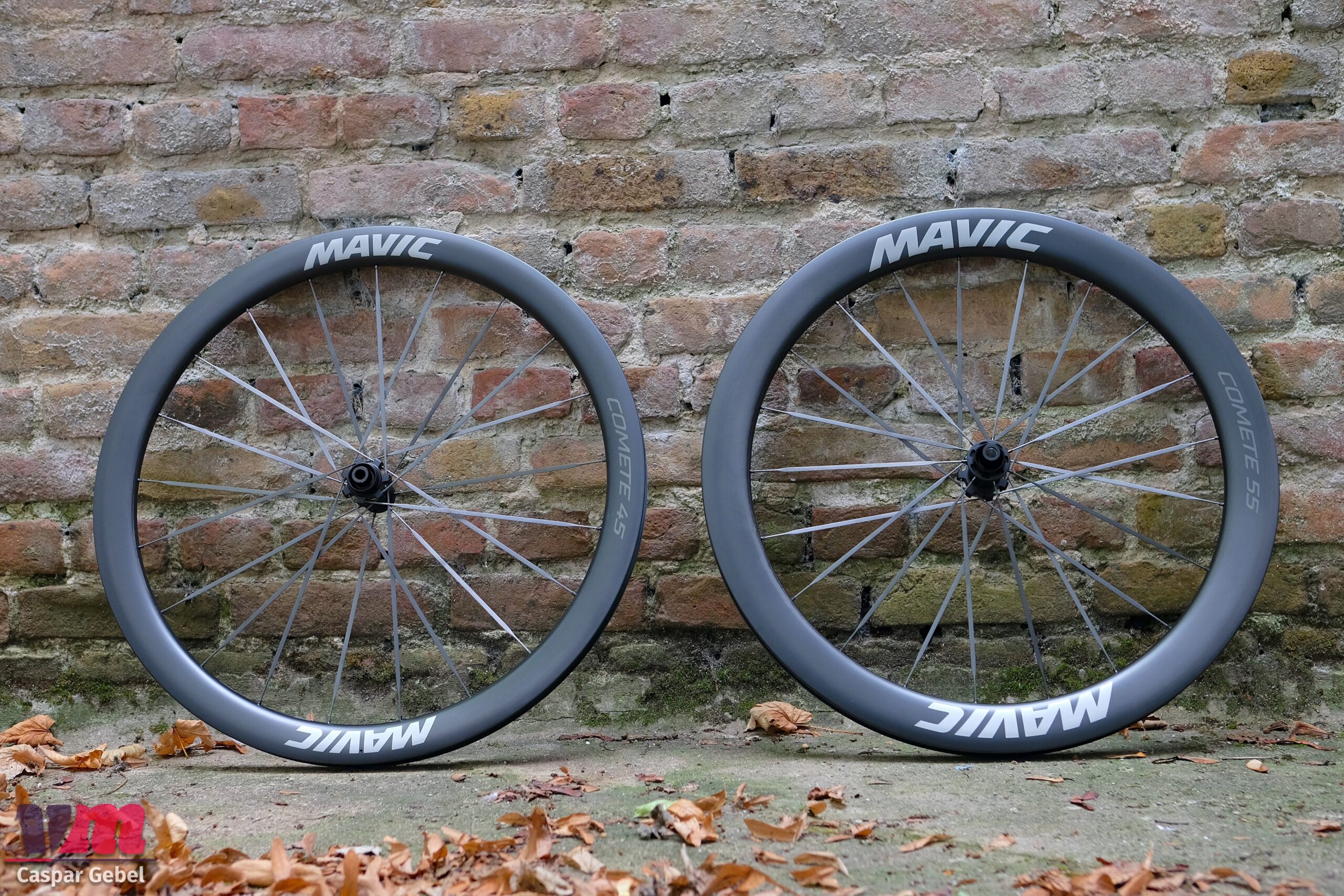
A defining feature of the new wheels is the different rim depths at the front and rear. The idea behind this is clear: the front wheel prioritizes maneuverability and resistance to crosswinds; the rear wheel is simpler in this respect and can be further optimized aerodynamically with a deeper rim. Those who want to push the principle further can also get the slightly heavier Mavic Comete 55/65; for those who dislike the different rim depths, the manufacturer offers the Comete 50, which is even a bit lighter. The price is identical in both cases – €2.499, which is also due to the use of smooth-running ceramic bearings. A set of wheel bags is also included.
Aerodynamically optimized rims, flat carbon spokes, ceramic bearings – do these features make a noticeable difference compared to more modestly equipped wheels? Absolutely – rarely has a wheel and tire combination felt so much faster than the previously used equipment. Even with the first pedal stroke while seated, the wheelset's high stiffness and low weight are noticeable, resulting in dynamic acceleration; once up to speed, it moves forward quickly without requiring too much effort. Mavic wheels, like Pirelli tires, roll lightly and smoothly – I certainly hadn't expected the former from the comfortably tuned 32mm tire. The wheelset itself also makes a rather comfortable impression: many other, similarly sized wheels feel significantly harder.
Naturally, the aerodynamics become more noticeable the faster you go – for an average cyclist like myself, that means downhill. A few Strava times hint at what Mavic's new wheels are capable of, and even at 60 km/h there's no feeling of insecurity – wind resistance is minimal, and the wide Pirelli tires provide reliable grip when cornering. Conversely, the Comete's low weight is noticeable when riding uphill; its high stiffness is also evident in the absence of any brake rub when standing and pedaling.
Competitive wheelset with modern technology
Mavic's new wheelset makes an extremely good impression, marred only by its high price. Of course, the French manufacturer also offers significantly cheaper options, such as the... Mavic Cosmic SL 45 (1.299 euros) with rims 23 mm wide inside, 32 mm wide outside, or with the Mavic Cosmic SLR 45 (1.999 Euro). The latter could in Velomotion test While the Comete 45/55 is impressive across the board, it's a step above in every respect. This is likely due to the extra-wide rims as well as the carbon spokes; ultimately, it's the sum total of its features that elevates the new wheelset above its brand siblings and various competing products. This also means that these outstanding riding characteristics cannot be achieved at a lower price.
Sure, there are comparable wheelsets available here and there for a few hundred euros less. But that won't deter fans of the venerable French wheel brand – they can rejoice that Mavic has created a cutting-edge product with the Comete 45/55, boasting a performance that is convincing in every respect. And unlike the hollow carbon spokes of yesteryear, the new technology truly impresses in every way.