


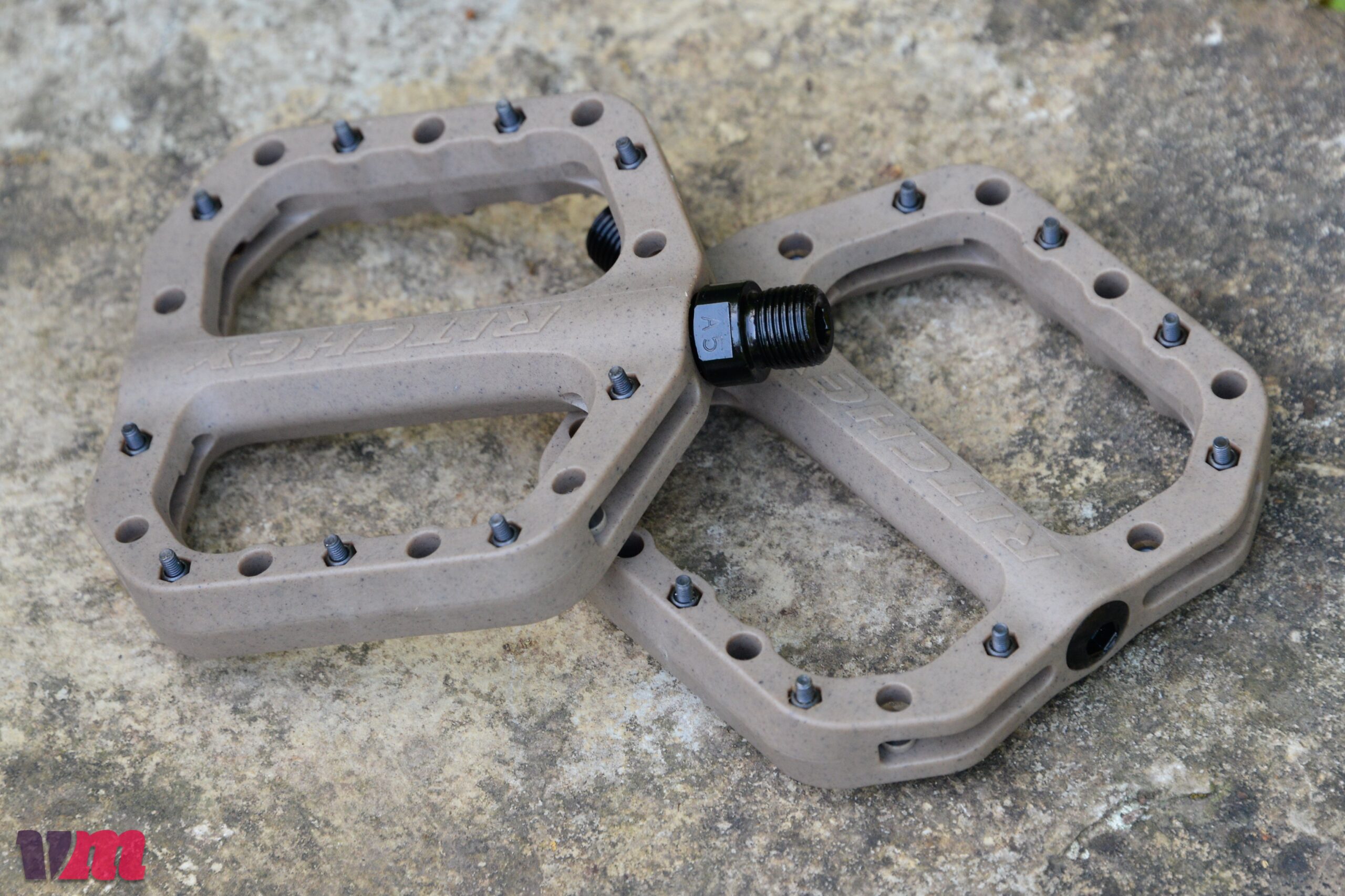
When it comes to the early years of mountain biking, Tom Ritchey is a name that can hardly be ignored. The American began building his own bicycle frames back in the 1970s and is considered one of the pioneers of the then-nascent off-road scene. From this passion, a brand developed that today offers far more than just frames. From handlebars and stems to seatposts, wheels, tires, and pedals, Ritchey covers numerous aspects of bicycle equipment. A clear philosophy runs through the entire product range: well-thought-out designs, low weight, and high functionality. Ritchey has made a name for itself, particularly with lightweight, performance-oriented components for road bikes, gravel bikes, and mountain bikes.
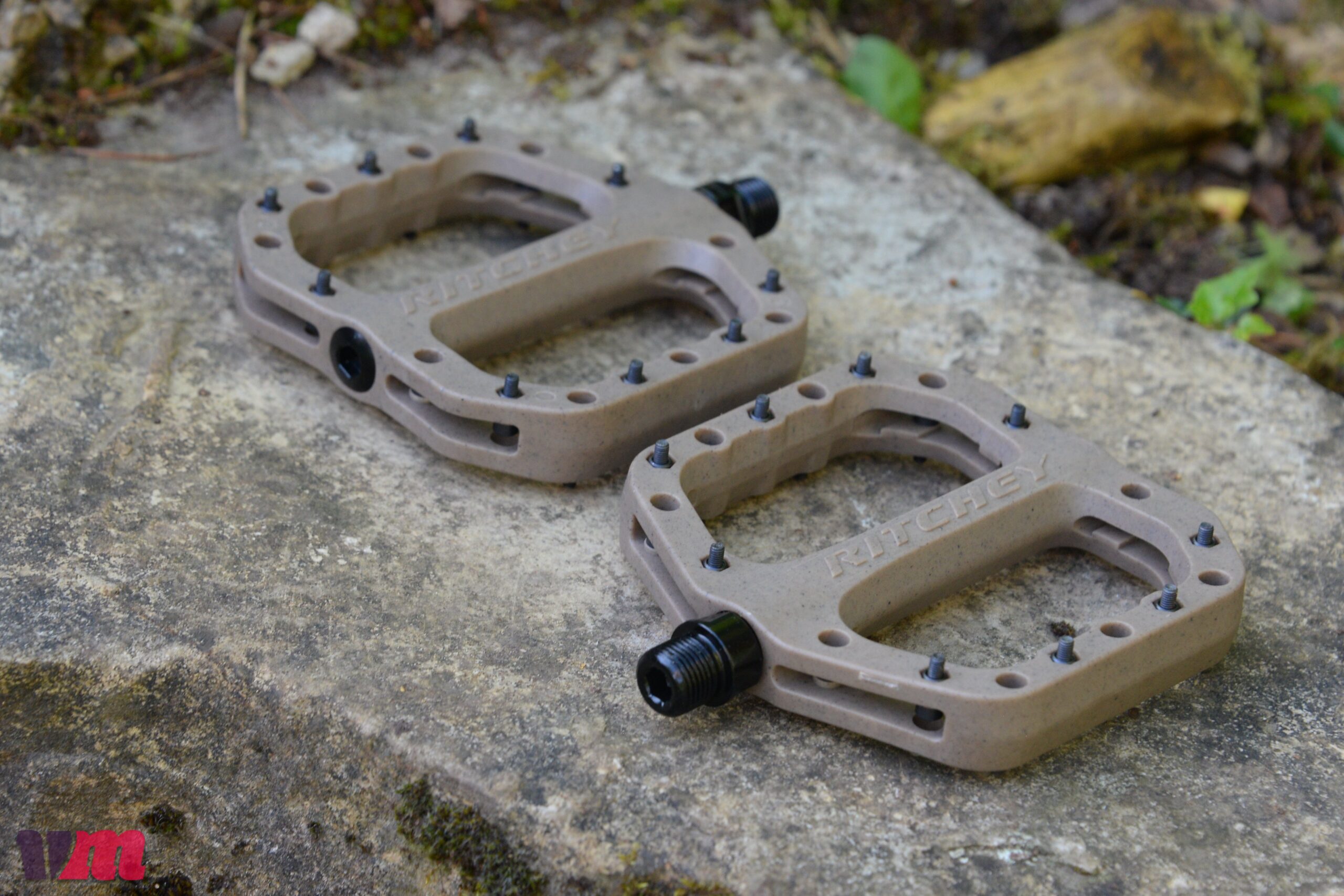
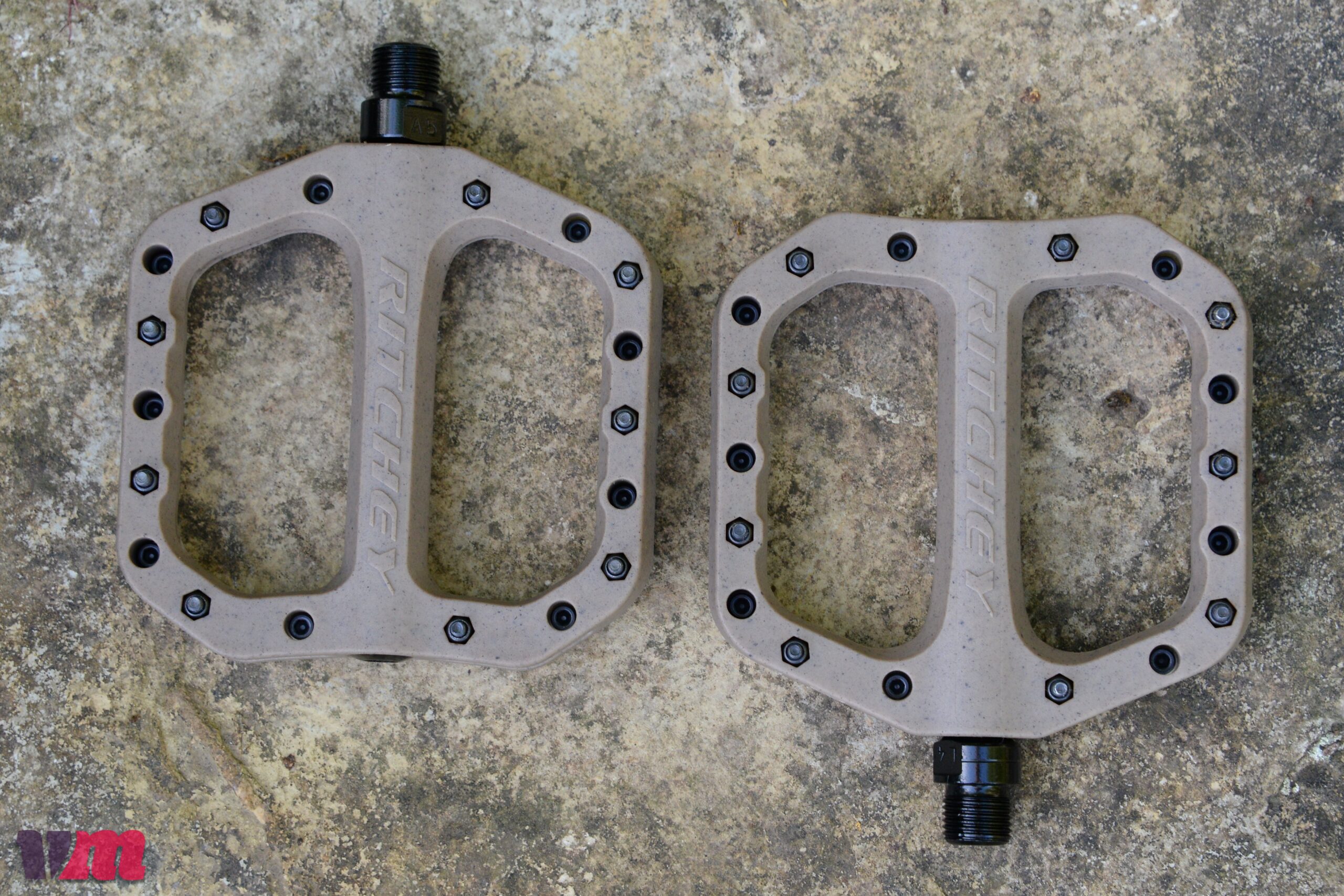
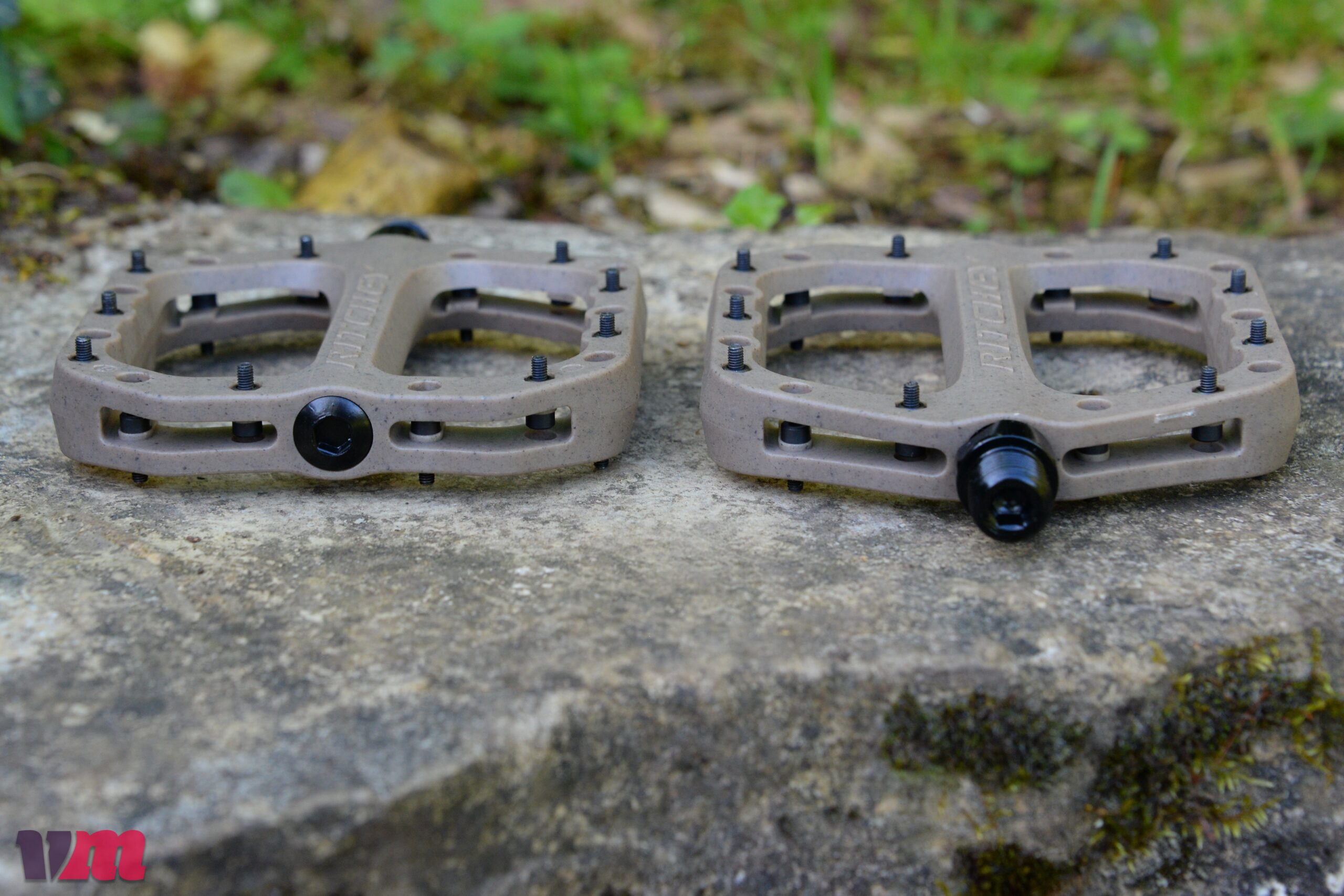
With the Comp Bigfoot, Ritchey offers a flat pedal designed to impress with its excellent balance of weight, performance, and price. The pedal body is made of reinforced nylon, while a chromoly steel axle provides the necessary stability. The platform measures 105 x 108,5 millimeters and is slightly concave to offer a defined contact area for the foot. Nine replaceable metal pins per side ensure a secure fit. Ritchey employs a combination of an inner bushing and an outer sealed cartridge bearing for the bearing system. This is intended to guarantee reliable performance both in everyday riding and on the trail.
Weighing in at just 360 grams per pair, the Bigfoot pedals remain pleasantly lightweight. They are available in black and Mojave Sand. This pedal is designed for versatile use, from daily commutes around town to sporty mountain bike tours. The focus is on providing a straightforward, lightweight, and budget-friendly companion, not on creating an uncompromising gravity pedal for the toughest enduro descents.
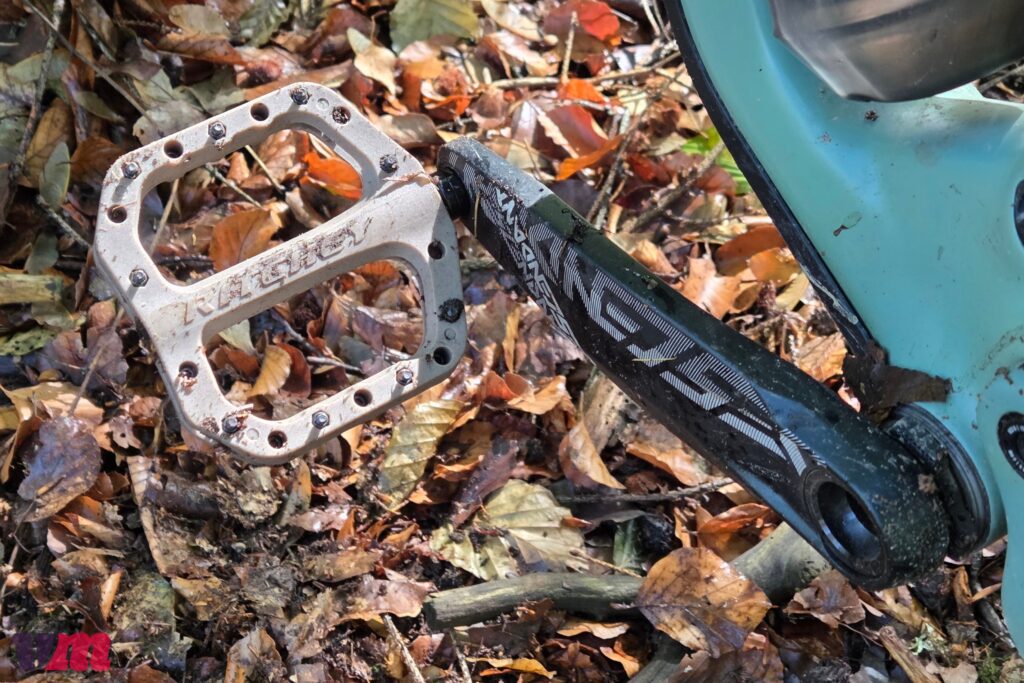
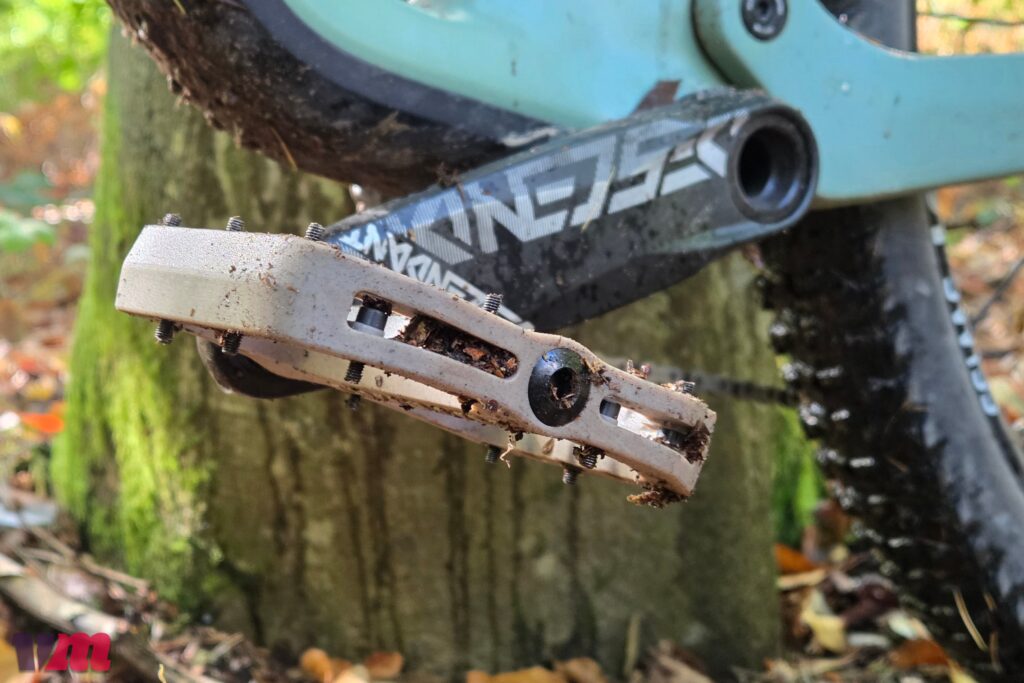
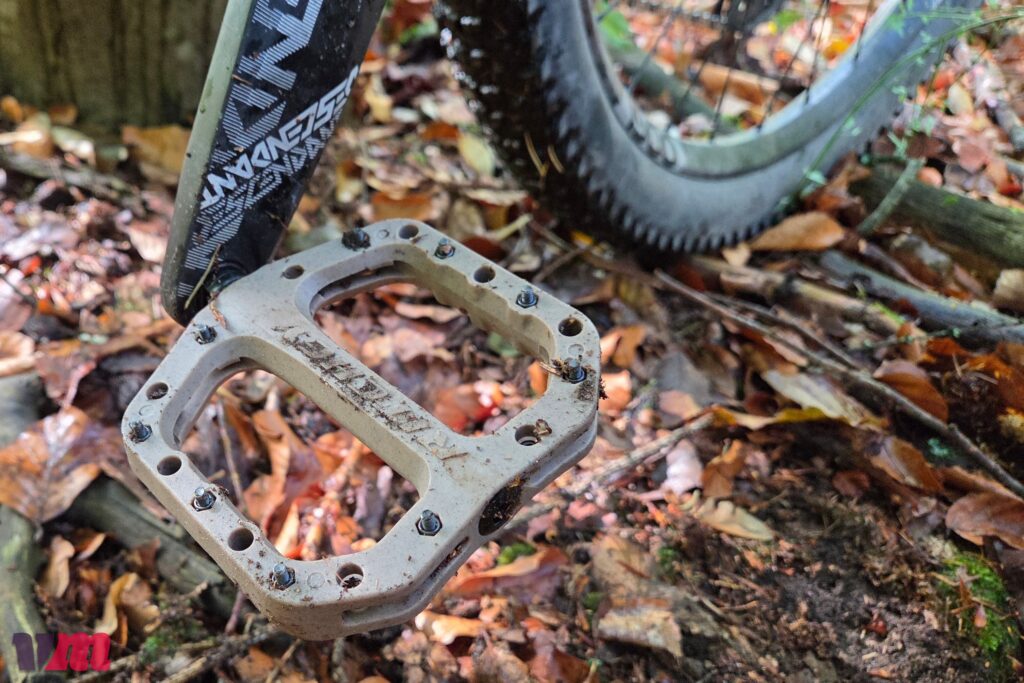
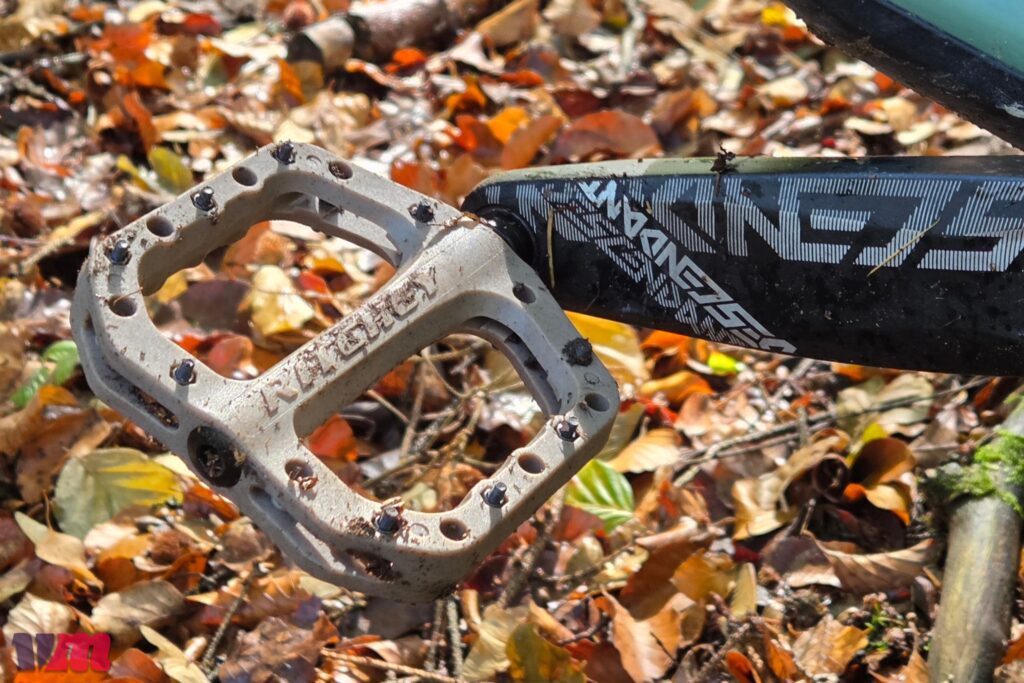
There are pedals that feel comfortable from the very first meter. And then there's the Ritchey Bigfoot. I needed some time to get used to it, especially on descents, to find my preferred foot position. This isn't necessarily a deal-breaker, but it does show that the platform isn't for every rider right away.
In terms of grip, the Bigfoot performs in the middle of our test field. It also lands in the solid average range when it comes to repositioning, i.e., the deliberate repositioning of the foot on the pedal. Overall, it fulfills its task satisfactorily without particularly excelling in either discipline. The concept works well on tours and less demanding trails. However, when things get serious on steep, rough, and technically challenging descents, I lack the necessary confidence to really push it to its limits.
For me, the Bigfoot is therefore primarily a candidate for XC tours and sporty rides where a simple, lightweight pedal is required. For enduro riding, I would personally opt for a model that offers more security and a more stable footing. However, that's not the intended purpose for which Ritchey designed the Bigfoot. Anyone looking for an affordable pedal for versatile use and not expecting maximum trail performance will find a sensible option here.

