



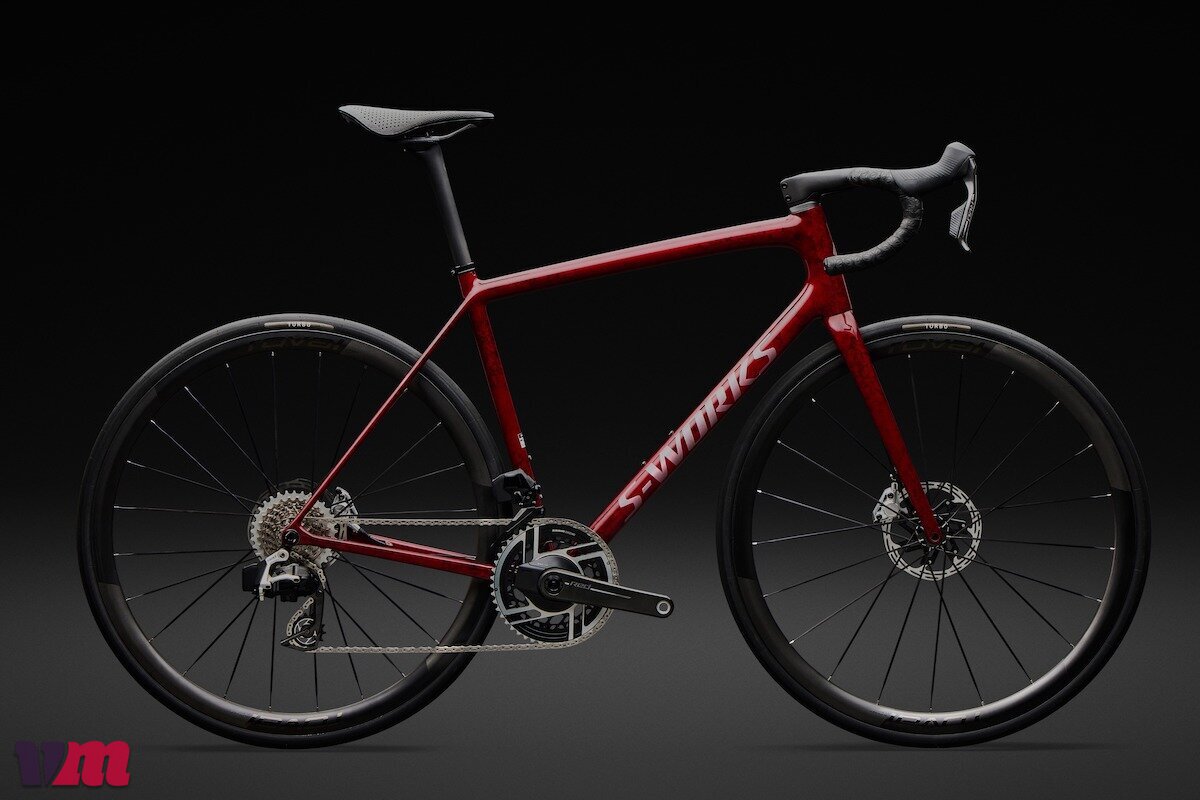
Specialized Aethos 2 2026: After five years, the first update to the uncompromising lightweight racing machine is here. With integrated cables, a slightly more relaxed geometry, and more tire clearance, the new model is clearly geared toward "all-road" – and should thus capture the spirit of the times and move beyond its exotic status.
When Specialized introduced the Aethos in 2020, enthusiasm was immense. The lightweight racer, with a frame weight of under 600 grams, was uncompromisingly tuned for riding pleasure thanks to its aggressive geometry and the high comfort of slim round tubes and a wide seatpost. Complete bikes with Shimano Dura-Ace and SRAM Red groupset weighed around six kilograms, making them too light for racing, although racing was definitely not the Aethos's intended use. And so, aerodynamics played no role either – in addition to the classic contours, the externally routed cables on the cockpit were also noticeable, making the bike a favorite among all those who wanted to build their own racing bikes in the years to come.
Specialized Aethos 2 2026: New edition with contemporary features
While the first two models carried five-figure prices and were therefore a rare sight, Specialized followed up with more affordable versions in the following years, including the "Sport" version with Shimano 105 for €3.400, with this model's frame weighing just 800 grams. However, the manufacturer didn't change the look or features, so more and more fans wondered what an Aethos 2.0 might look like. Now we know – and some of the speculation has come true. The second edition of the Specialized Aethos remains true to itself in many respects, while sharpening its profile and repositioning itself within the model range.
The first thing you notice about the Aethos 2026 is what you don't see: From now on, the brake lines are routed internally, disappearing into the headset cap, which is approximately 10 mm high. The dimensions of the head tube remain unchanged, and a classically shaped stem can still be used – the brake lines are then routed below it into the headset cap. This routing should allow for some flexibility, for example, with stem length, and the additional effort during installation should be minimal, especially since the lines don't necessarily have to run inside the stem.
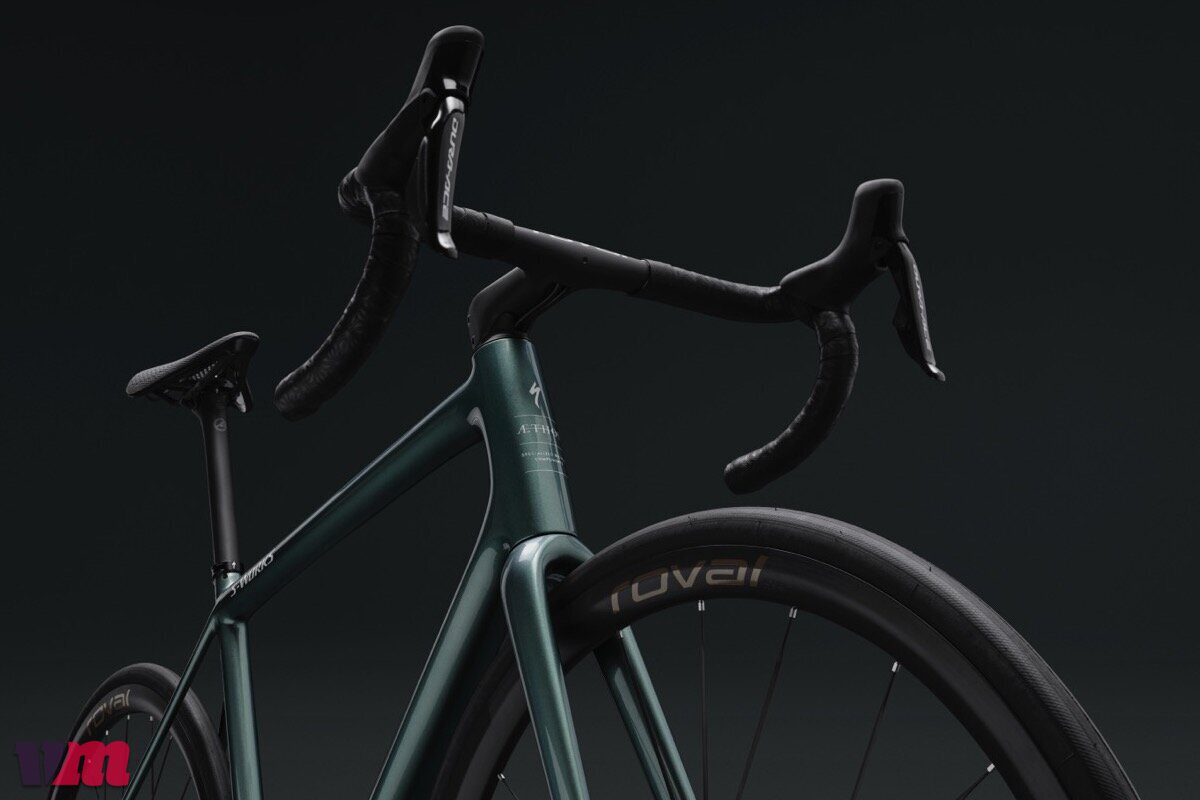
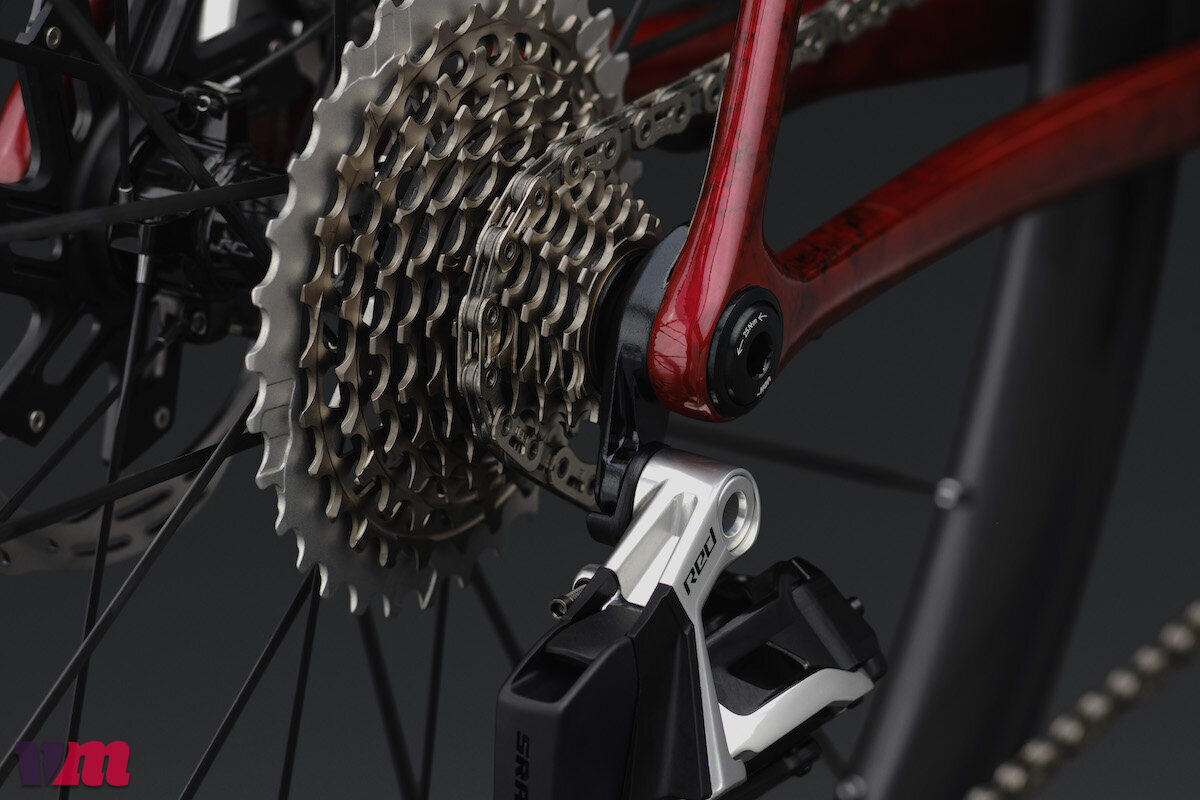
UDH standard and internal brake lines
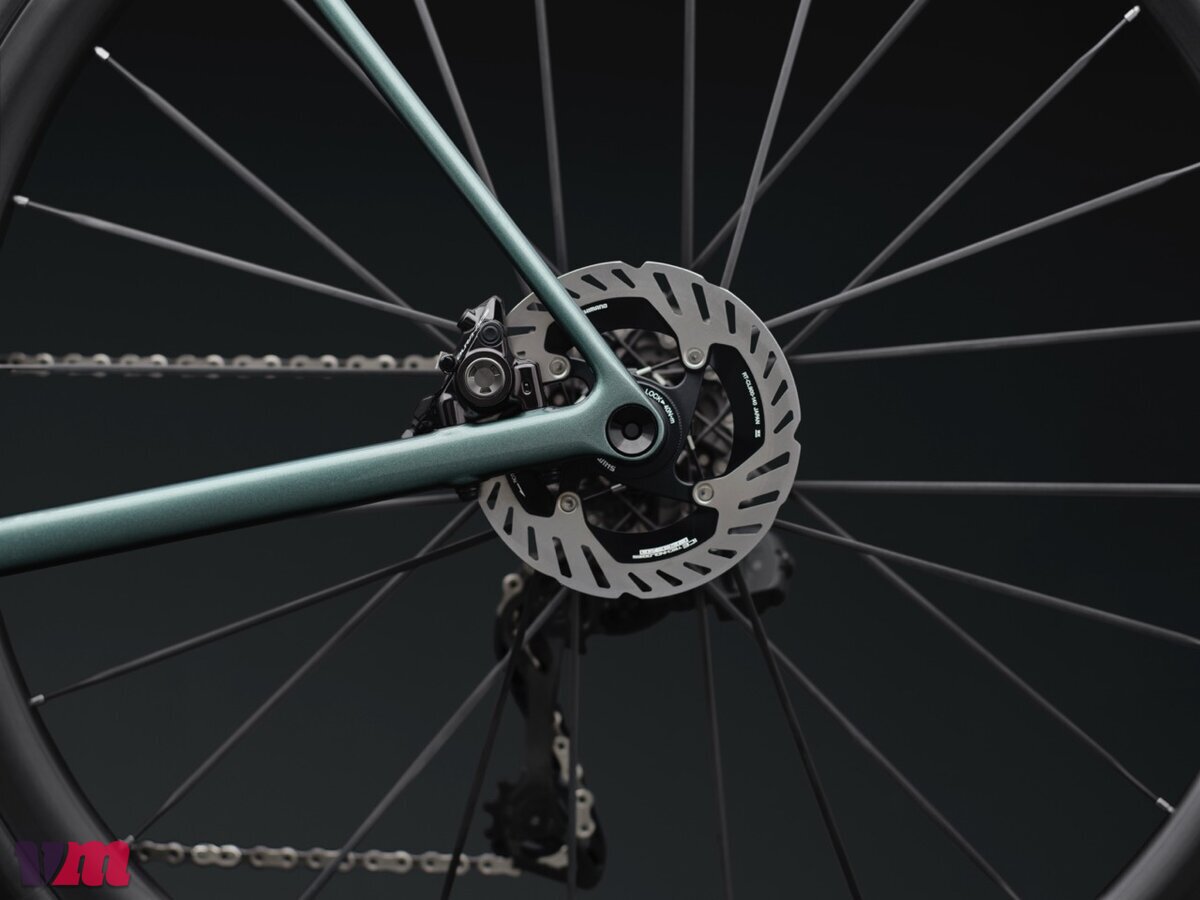
Another new feature is the UDH rear triangle, which makes the Aethos compatible with SRAM's full-mount rear derailleurs. The new Specialized Diverge 4 also features the new standard—but this bike will only be offered with a 1x drivetrain, while the Aethos 2 will only be launched in a 2x version. It's safe to assume that more and more manufacturers will make the transition to UDH on road bikes—the mere availability of a standard derailleur hanger is an advantage of the new technology.
The UDH image suggests something else here—namely, a subtle shift of the Aethos toward the all-road category. Previously, the Aethos' seating and steering geometry corresponded exactly to the Tarmac SL8 aero racing bike; both models had 32 mm of tire clearance. The Tarmac was stiffer and more aerodynamic, the Aethos lighter and more comfortable.
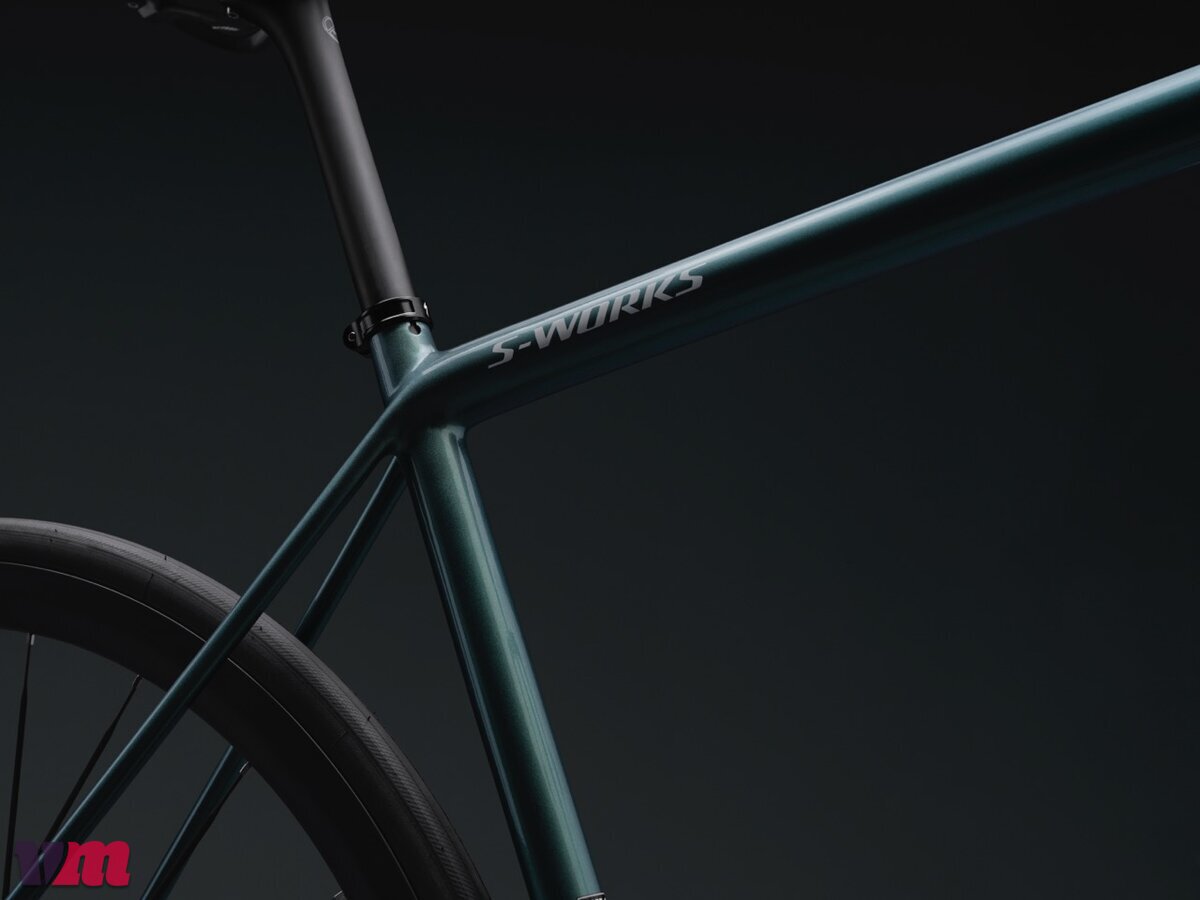
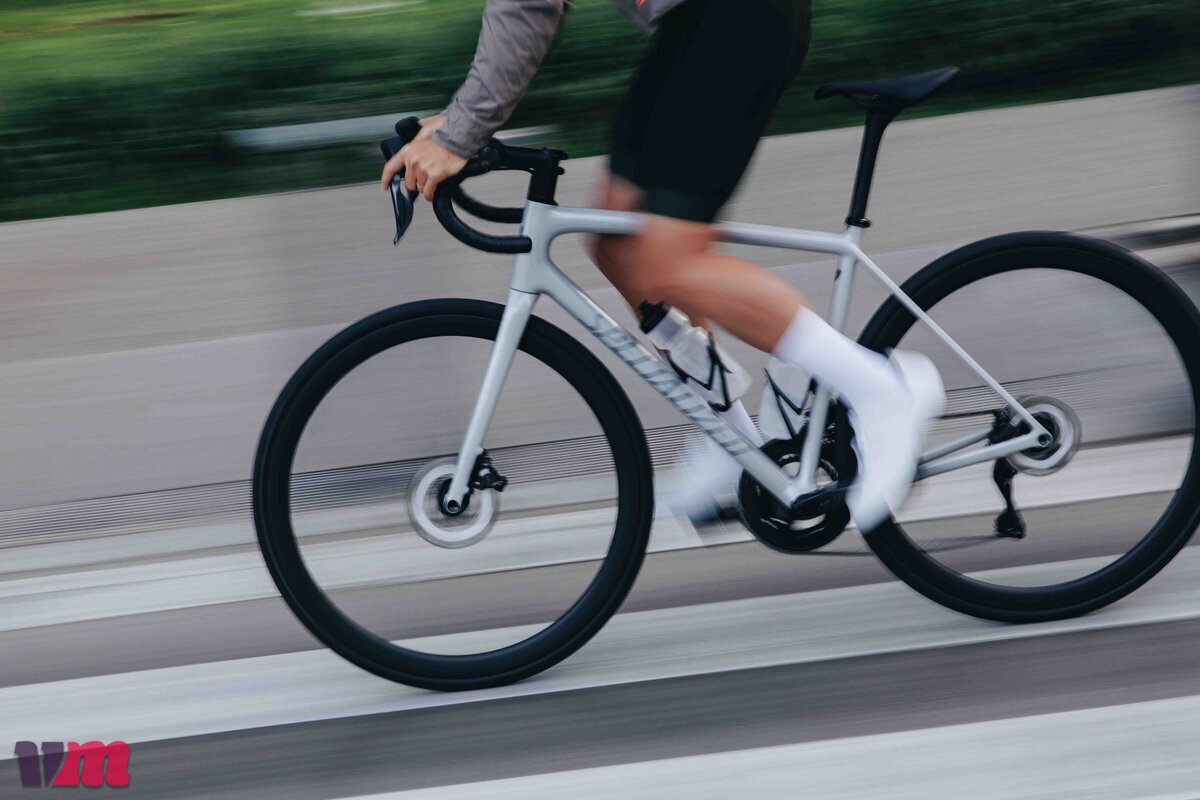
But now Specialized has given the Aethos a unique geometry: The stack has been raised by lengthening the head tube; on almost all sizes, the front 2026 is 15 mm higher. Given that virtually every previous Aethos has been equipped with one or more spacers under the stem, this change should suit most users. Furthermore, the reach has been shortened by a few millimeters, resulting in a slightly more upright, somewhat more compact riding position. While the old Aethos had a somewhat more aggressive cut than the Crux cyclocross/gravel race bike, the riding position in the mid-size sizes is now even slightly more relaxed than on the Crux. The wheelbase of the Aethos has grown by 7 mm, and the head angle is half a degree slacker, which should calm the agile handling somewhat.
All-road optimization with more tire clearance
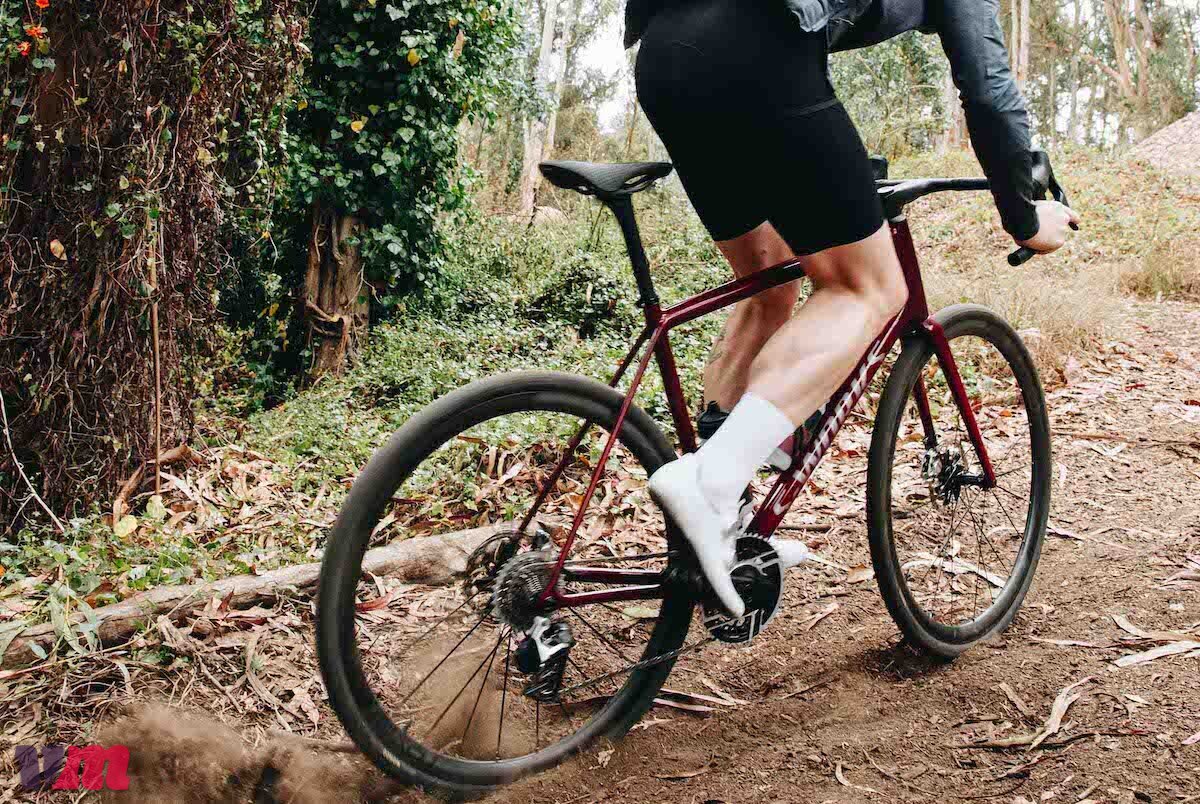
And something else is new: The Aethos 2 can be ridden with 35 mm wide tires, whereas previously (as mentioned) the limit was 32 mm. On the one hand, this means you can now choose from a wider range of tires, since 35 is a more common width than 32. On the other hand, you might wonder why the manufacturer didn't go with 40 mm straight away.
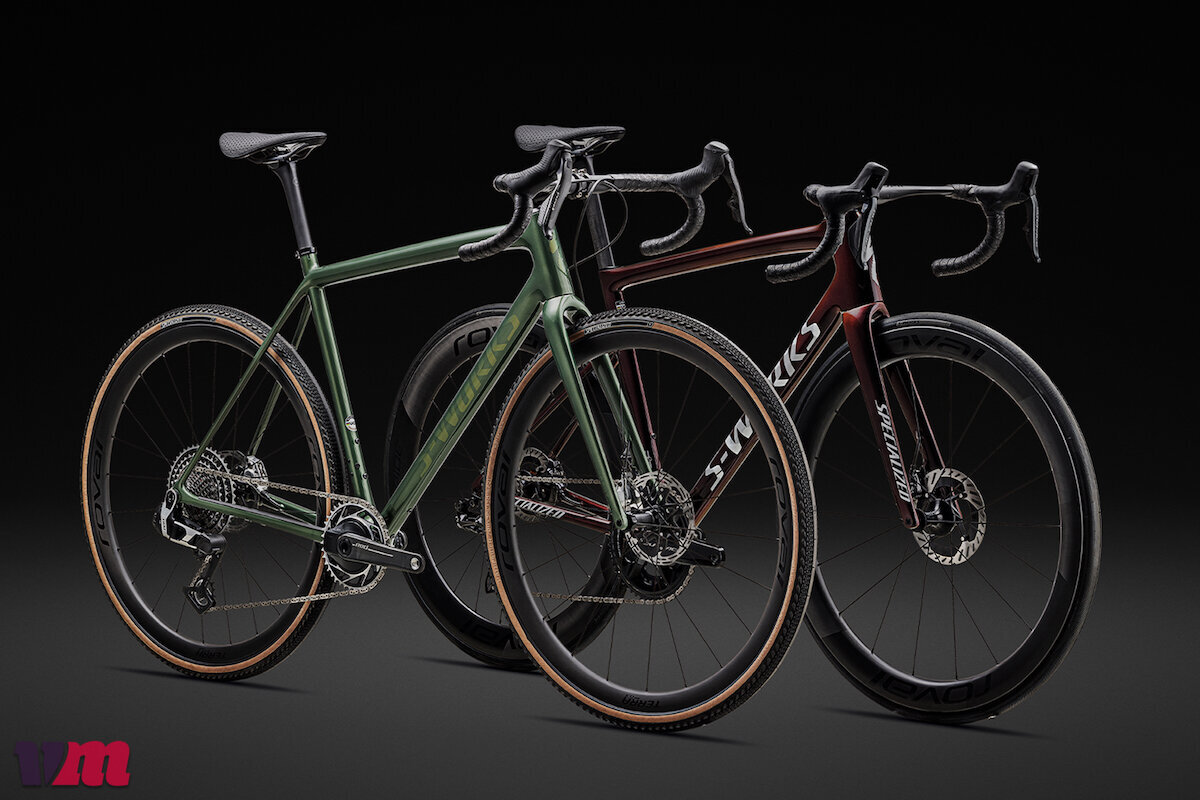
One obvious explanation is that the Aethos may be an all-road bike, but certainly not a gravel bike. The frame is still extremely light at under 600 grams, so it shouldn't be treated too roughly – that's where the Crux comes in, which is also unmatched in its category in terms of lightness, yet is tuned for the stresses of off-road riding. Meanwhile, for particularly rough road use, there's the Specialized Roubaix with a suspension stem, which can be used with 40-inch tires.
The new Aethos thus fills a gap in Specialized's portfolio that many may not have even noticed. But this allows the manufacturer to lift the model out of the exotic role it has held since its initial introduction. A purebred racing machine without aerodynamic optimization is even harder to sell today than it was five years ago; a comfortable, lightweight bike for rough asphalt and even light gravel trails is much more in keeping with the spirit of the times.
Five model variants starting at 6.299 euros
Specialized is offering the Aethos 2 in five versions at launch. Topping the range are two S-Works models with Shimano Dura Ace Di2 and SRAM Red AXS, respectively, for which new components were developed specifically: The Roval Alpinist Cockpit II weighs just 270 grams, while the Roval Alpinist CLX III with flat rims and DT Swiss hub technology weighs just 1.131 grams. It's no wonder these two complete bikes weigh only about six kilograms. The two top models also cost the predictable €13.499.
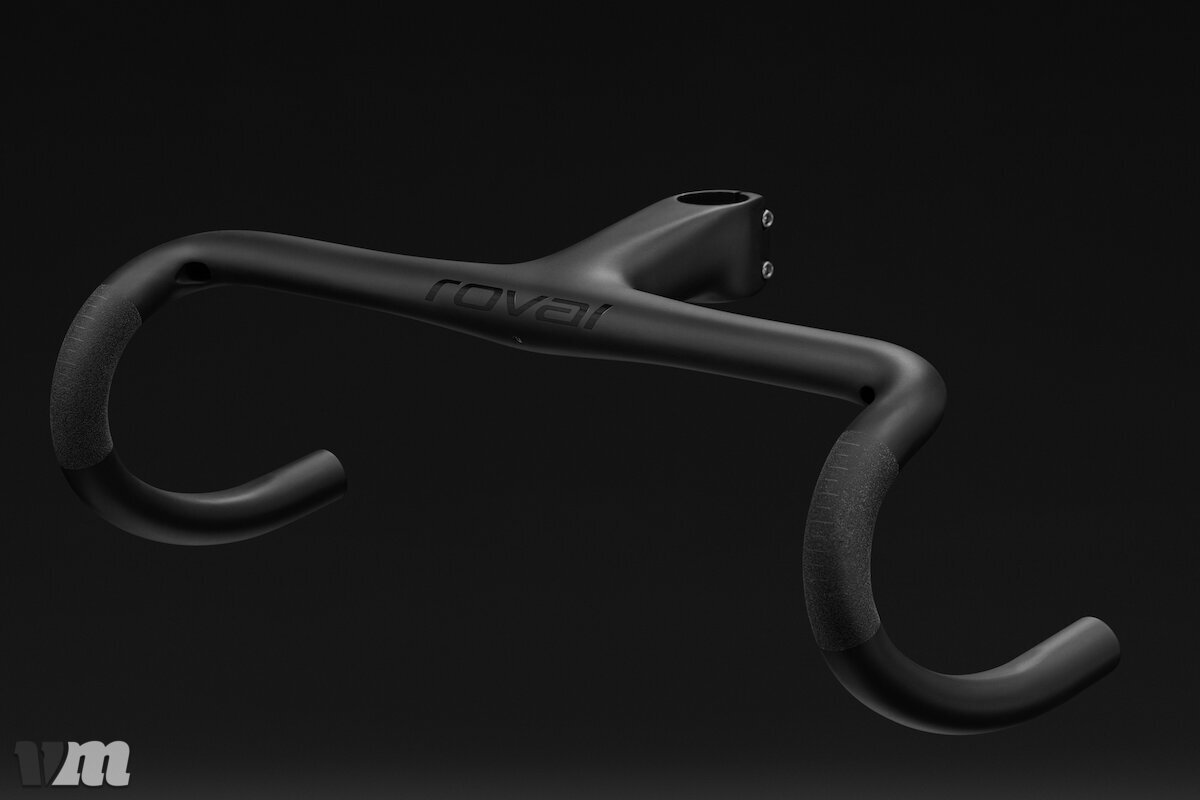
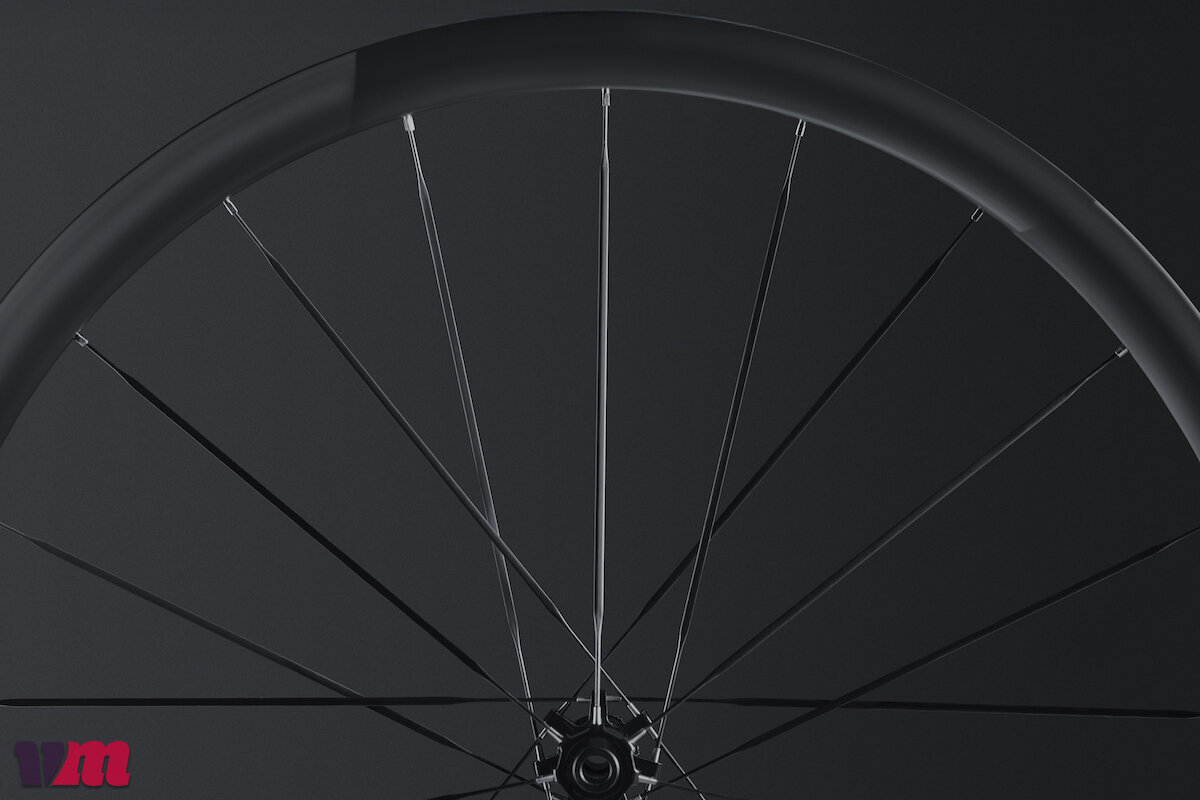
Below them are two Pro models, this time with Shimano Ultegra Di2 and SRAM Force AXS, and again with a carbon cockpit and wheelset. They are listed at €8.499 each and weigh around 6,7 kg. At €6.299, the Aethos Expert Di2 is significantly cheaper, also equipped with Ultegra, but with a simpler carbon wheelset and a conventional handlebar-stem combo (approx. 7 kg). The corresponding AXS model with SRAM Force is not currently intended for the German market. There is also an S-Works frameset for €5.499 and a standard frameset for €3.799. The frames are listed as 595 and 705 grams (56 cm), respectively.
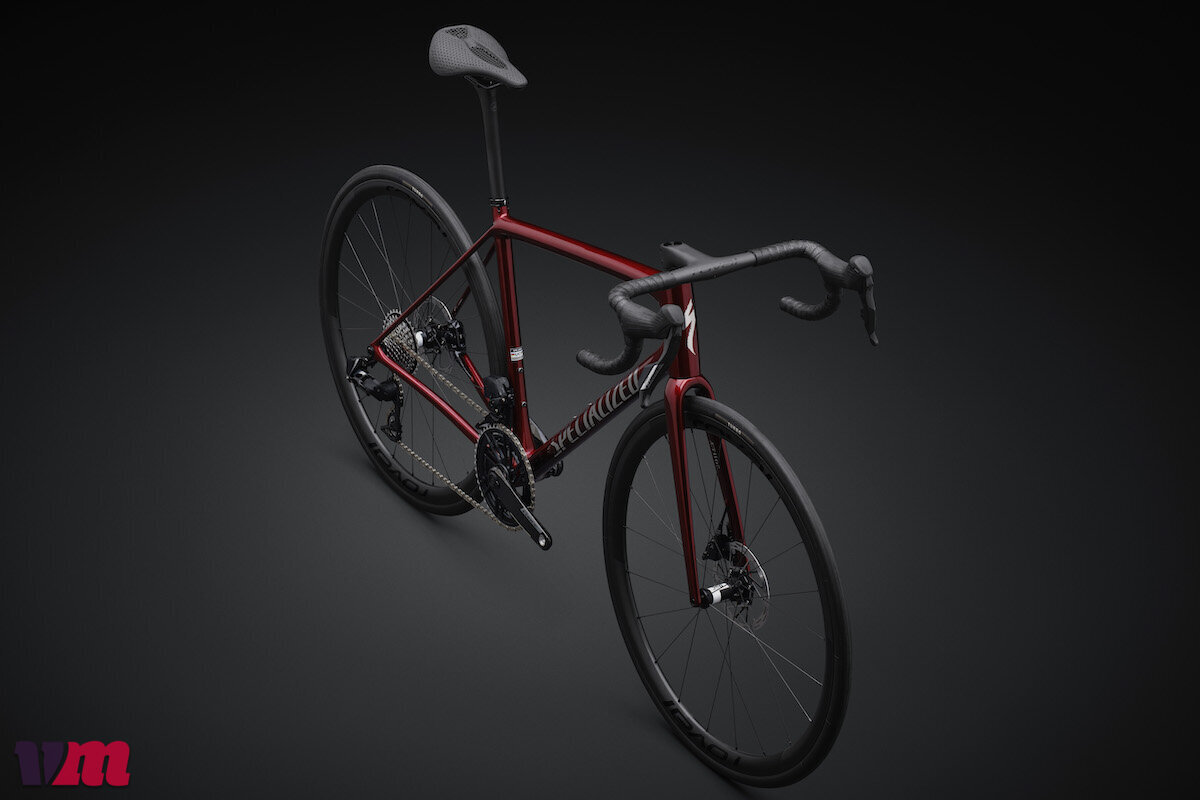
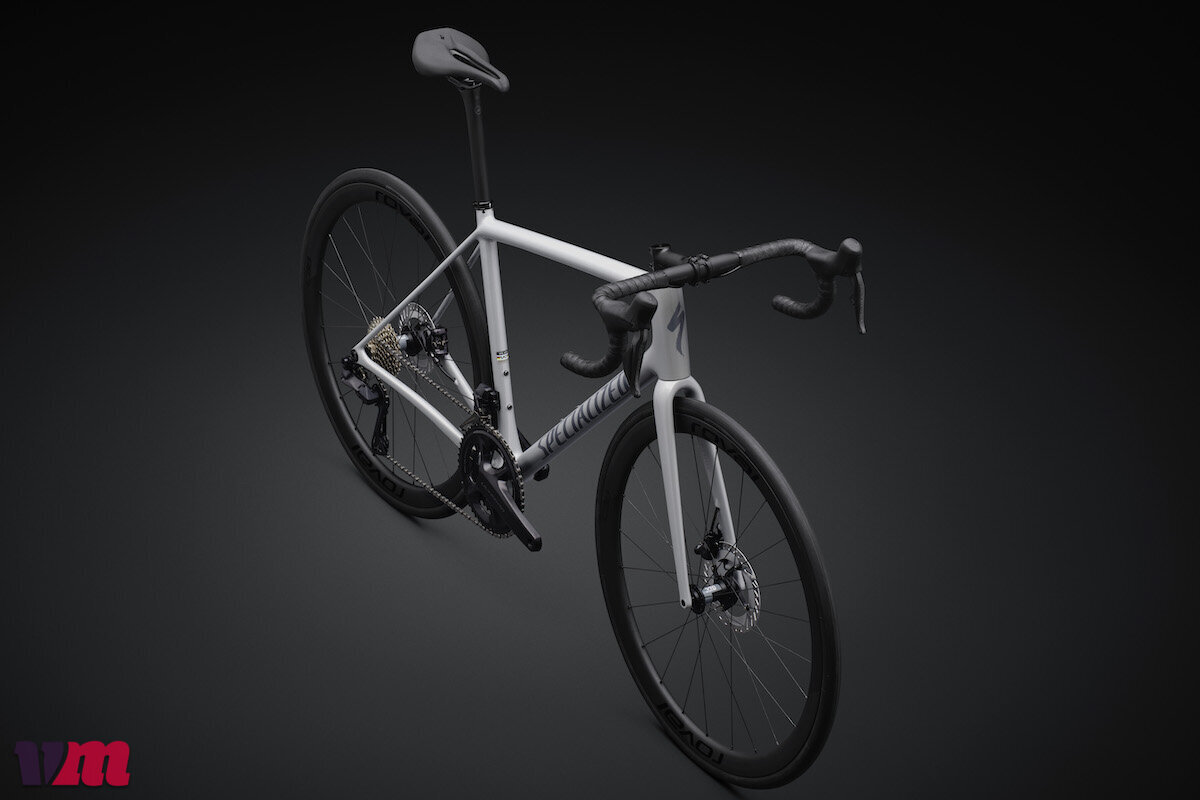
With the S-Works model, Specialized can still offer one of, if not the lightest, production road bike frames in the world. And those familiar with the original Aethos will appreciate the smooth, comfortable ride characteristics and a slightly more relaxed riding position. For those who want to ride a road bike without the pressure of performance and without aerodynamic optimization, but still value a high-end racing machine, the Aethos 2 is perhaps an even better choice than the first version.