


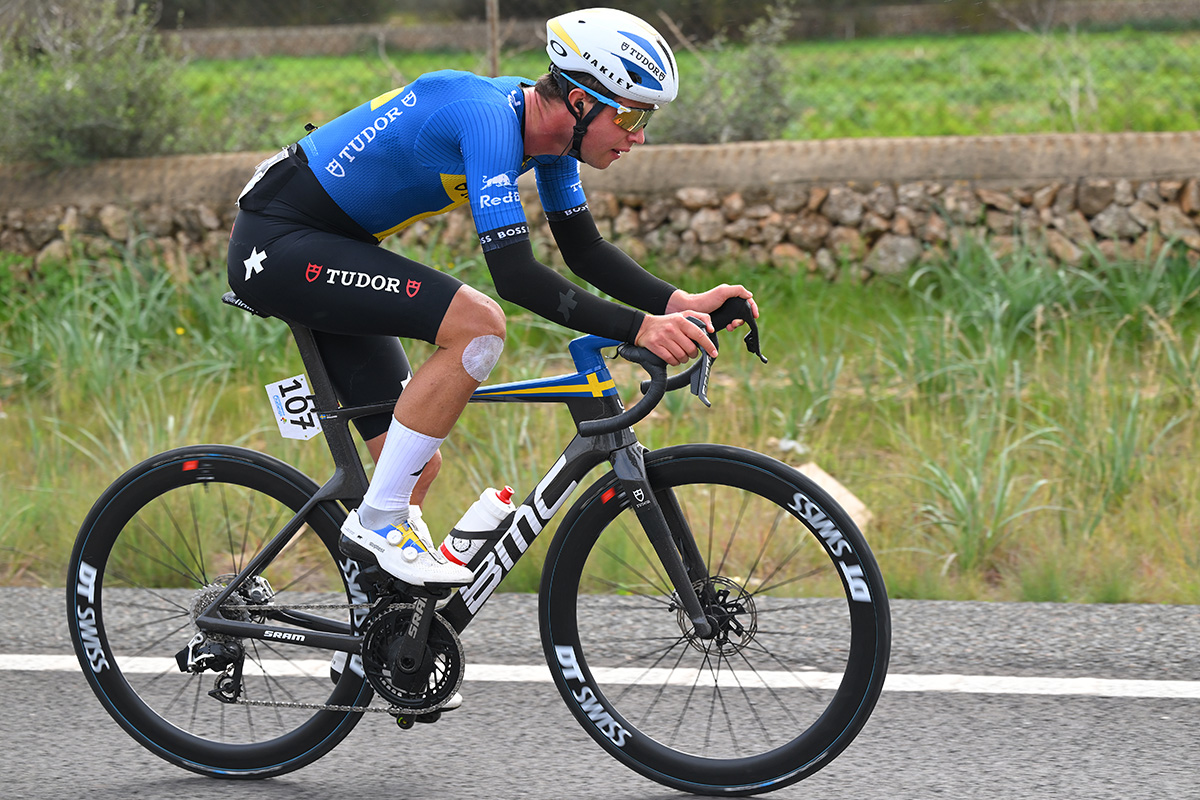
Dispute over UCI gear limit: SRAM files complaint – what this means for cyclists
Component manufacturer SRAM is taking action against the UCI 's new "Maximum Gearing Protocol ." This rule limits the maximum gear ratio (rollout) in selected races and primarily affects 54x10 setups . We explain the background, why the issue is gaining momentum, and what it means for professionals and recreational cyclists alike.
SRAM vs. UCI: Dispute over the “Maximum Gearing Protocol”
On September 12, 2025, SRAM filed a complaint with the Belgian Competition Authority (BCA) against the UCI , cycling's world governing body . The complaint concerns the "Maximum Gearing Protocol ," a new rule that limits the maximum permissible gear ratio in certain professional races. Shortly thereafter, the BCA initiated formal proceedings – the issue is likely to have a lasting impact on the cycling world.
What is behind the UCI gear limit?
The rule sets the maximum gear rollout per crank revolution at 10,46 meters . This corresponds to a 54x11 gear ratio . Setups exceeding this are not permitted in the races in question.
- The border closes particular 54 × 10 .
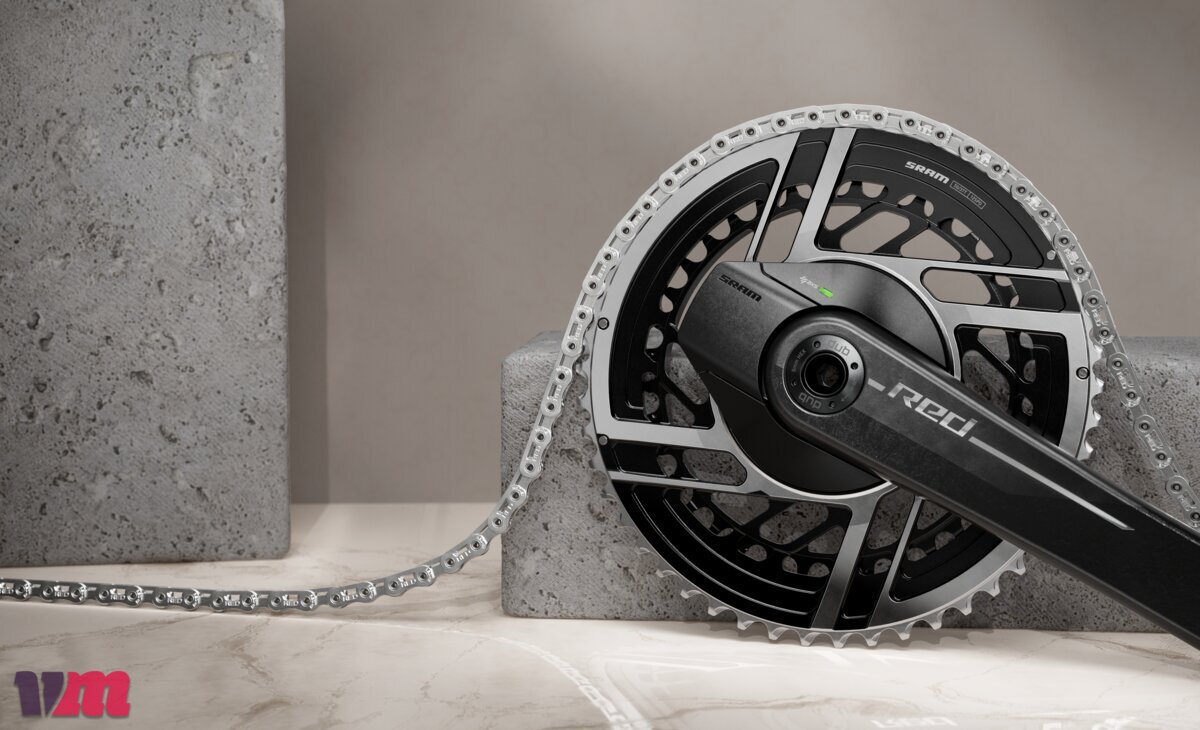
- SRAM's current top setup RED AXS 54×10 is therefore directly affected.
- Other common gear ratios (e.g. 54×11) remain compliant.
"This regulation puts our teams at a disadvantage and hampers innovation. Safety is important—but the data shows no correlation between larger gear ratios and higher accident risk."
— Ken Lousberg, CEO SRAM
Why is SRAM particularly affected?
SRAM has pursued a modern shifting and gearing philosophy for years, using 10-tooth sprockets on the cassette. This allows for a greater gear range per pedal stroke – and this is precisely where the new UCI limit comes into play.
- Competitive disadvantage: Teams would have to resort to smaller deployments and lose options in the race.
- Innovation brake: SRAM's 10-tooth pinion concept would be de facto undermined.
- Reputation & Market: “Not compliant” is causing uncertainty among teams, dealers and consumers.
What are the consequences for both professionals and amateur riders?
For professionals
- risk of Disqualifications or Punish in case of violations.
- Setup uncertainty In the middle of the season; there is no testing time for new combinations.
- Possible sporting disadvantages and impact on Sponsoring.
For hobby riders
Nothing changes directly: Privately, you can still ride any legal setup. However, UCI rules indirectly influence what manufacturers develop and what will be available on the market in the long term. Many people don't realize how detailed the UCI regulations are – from gear ratios and handlebar widths to wheel depths (and yes, even sock lengths). This case illustrates how much professional rules shape the market.

What's next now?
The British Competition Authority (BCA) is examining the case under EU and Belgian competition law. SRAM is demanding, among other things, the immediate suspension of the restriction, as well as greater transparency and involvement for manufacturers in technical regulations. The UCI has designated the Tour of Guangxi as the first race to be enforced; other events could follow.
Conclusion: Why the topic remains exciting
The conflict surrounding the UCI gear restriction is more than just a technical detail. It's about fairness in sport , the influence of regulations on innovation – and which drivetrain and cassette concepts we'll see on the market in the future. Velomotion will keep you updated.
FAQ: Frequently asked questions about the UCI gear limit
What is the UCI's Maximum Gearing Protocol?
A rule that limits the maximum gear ratio per crank revolution to 10,46 m . In practice, this corresponds to a maximum allowed gear ratio of 54×11 in the races concerned.
Which translations are affected?
Especially setups with a gear ratio above 10,46 m – particularly 54x10 , as used in SRAM RED AXS . Common 54x11 configurations remain permitted.
Why does the UCI justify this with security?
Officially, the UCI cites safety. However, no reliable data has been published to date directly linking greater gearing to a higher risk of crashes. SRAM criticizes the lack of transparency and data.
Does this affect me as a hobby rider?
In the short term, no. In the long term, UCI rules can influence product development – and thus which cassettes, chainrings and complete groupsets are available on the market.
Does this rule only apply to the Tour of Guangxi?
The Tour of Guangxi is the first designated race with enforcement. The UCI has indicated that further events may follow, which is currently creating uncertainty for teams and manufacturers.
Glossary: Important terms explained simply
- Translation (e.g. 54×11, 54×10)
- Ratio of teeth on the chainring (front) to teeth on the pinion (rear).
54 × 11 means: 54 teeth at the front, 11 at the rear. The smaller the pinion,
the greater the distance per step. - Development / Rollout
- Distance traveled by the bike with one crank revolution. The UCI sets the
Maximum unfolding to 10,46 meters. - SRAM RED AXS
- Top road bike group from SRAM, often with 10-tooth pinion hazards.
The setup 54 × 10 is above the UCI limit. - Maximum Gearing Protocol (MGP)
- Official name of the UCI gear restriction, in testing/application since 2025
at selected races. - Cassette with 10-tooth pinion
- Cassette whose smallest sprocket 10 teeth Increases the
possible top speed per pedal stroke, but reduces UCI conformity above 10,46 m. - UCI regulations
- Rules of the Union Cycliste Internationale. Specifies which technique is
Professional cycling is permitted – from gear ratios to handlebar widths to wheel depths. - Belgian Competition Authority (BCA)
- Belgian National Competition Authority. In this case, it is examining possible
Distortions of competition and impacts on innovation and the market.