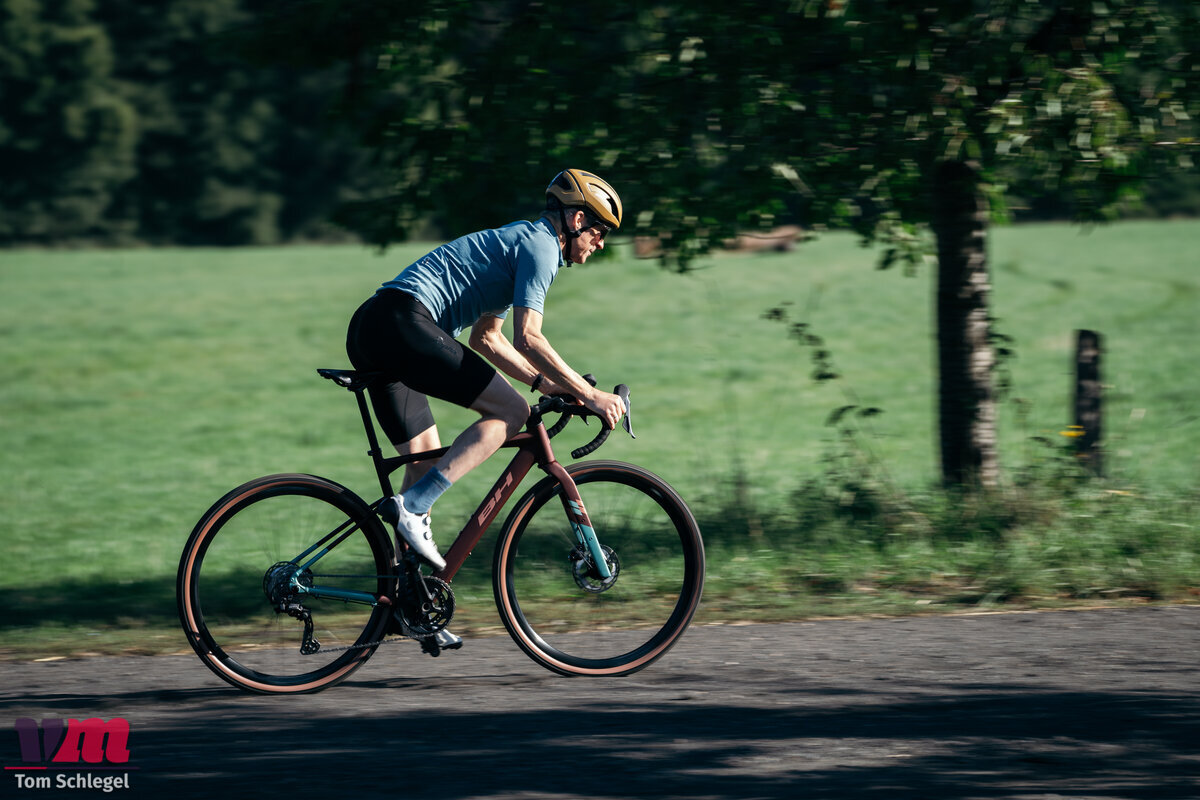
BH GravelX 1.8 review: The new aluminum version of the GravelX impresses with its sporty performance, high-quality components, and attractive looks. Especially in the 2×12-speed version, it's very similar to a road bike—so anyone looking for an affordable bike for gravel and asphalt trails should take a closer look at the BH.
A gravel race bike has to have a carbon frame – right? That's not so certain for the Beistegui brothers in the Basque Country. It could be that someone enjoys a sporty ride on a gravel bike but doesn't want to spend quite as much money. Or they're looking for a second bike that sits somewhere between gravel, road, and cyclocross.
Inside is the new BH GravelX 1.8, the aluminum sibling of the GravelX Evo (formerly GravelX R) introduced just over a year ago. I was already quite impressed with that bike as a hybrid between off-road and on-road riding; so it was only natural that the BH GravelX 1.8 would appeal to me. So: Can this bike, attractively priced at €2.499, live up to the carbon model that costs twice as much?
Aluminum and carbon wheels with the same geometry
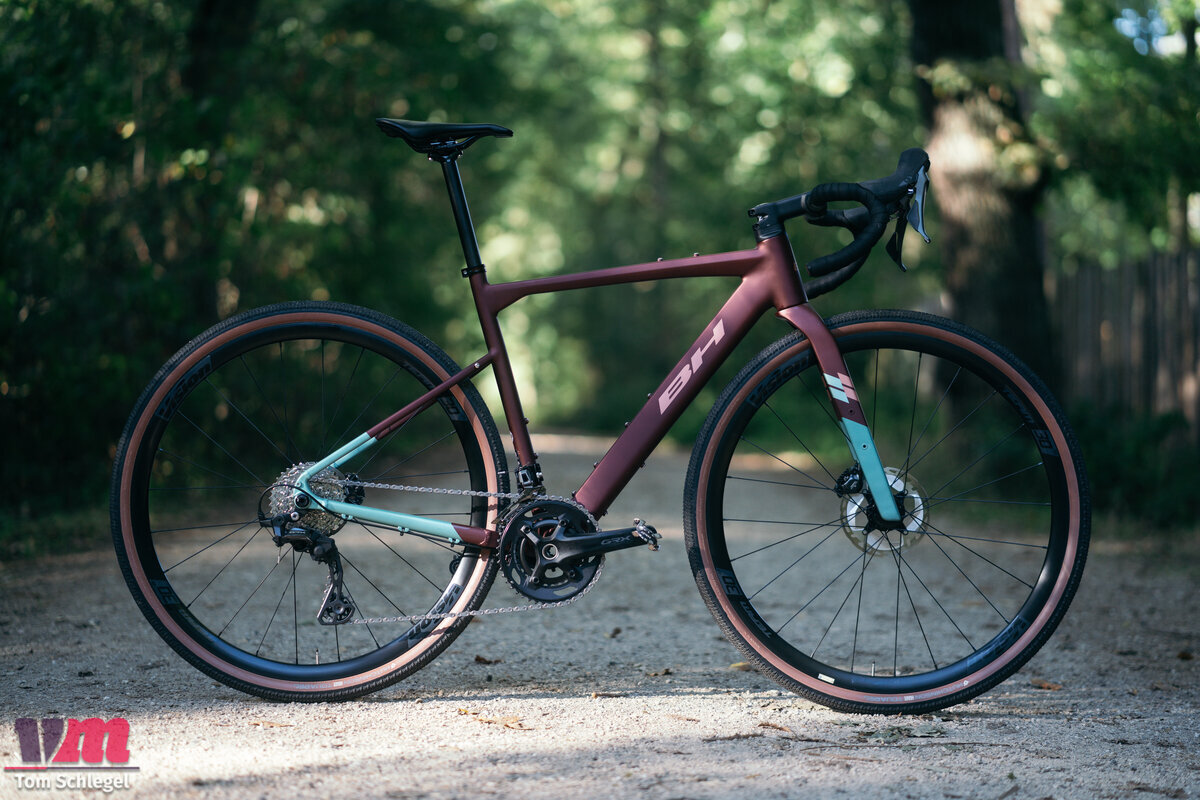
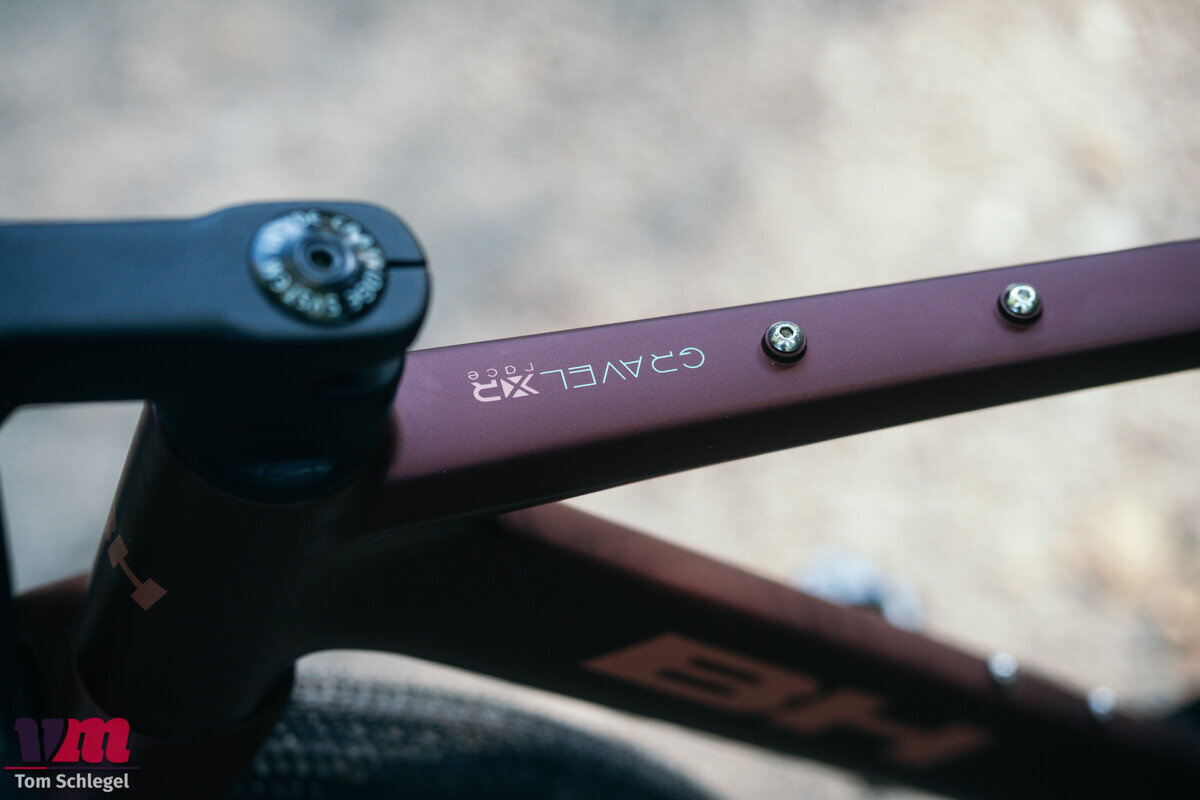
Besides their largely identical geometry, the two gravel bikes are also visually very similar. The fork is even the same one used on the 2024 carbon model – the current top-of-the-line model no longer has any threaded holes. The aluminum and carbon bikes also have virtually identical paint finishes. The new aluminum frame is further distinguished by its beautifully finished welds, which give the metal tubes a smooth carbon look. Technically, the GravelX 1.8 even has an advantage over its bigger sibling: the aluminum model is the first BH gravel bike with the UDH standard , meaning it could also be built up with SRAM's new gravel derailleurs.
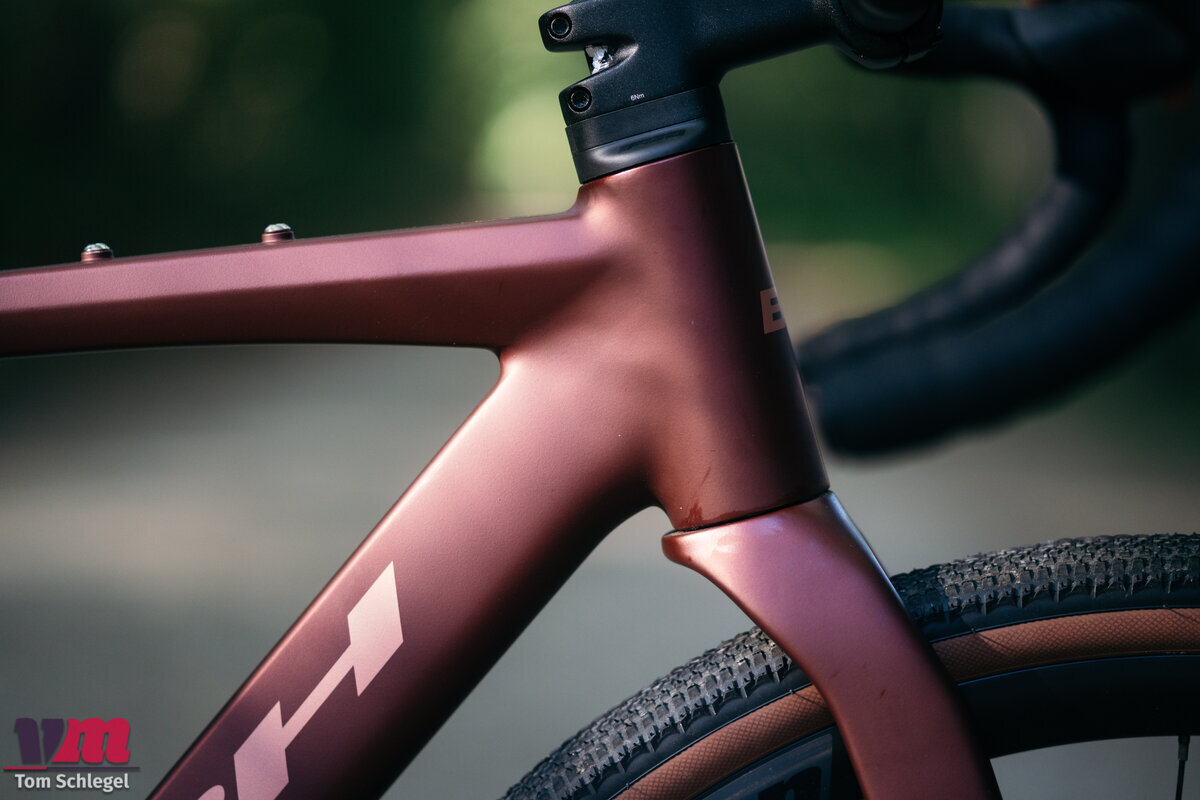
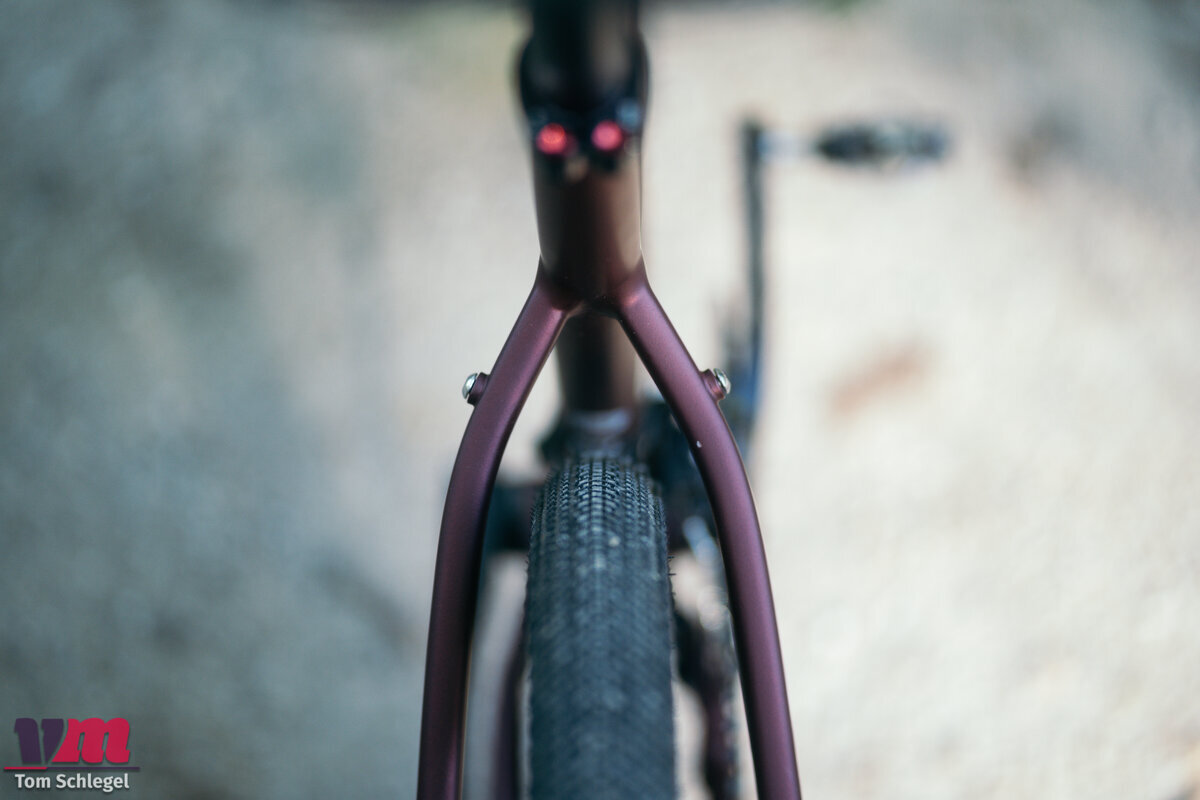
As the brand's first aluminum gravel bike, the BH GravelX 1.8 also features fully integrated cable routing in the cockpit. And "fully integrated" really means that everything runs inside the handlebars and through the stem. You don't see that every day; however, it also means that swapping the handlebars or stem is a major undertaking.
Cockpit with completely invisible cables
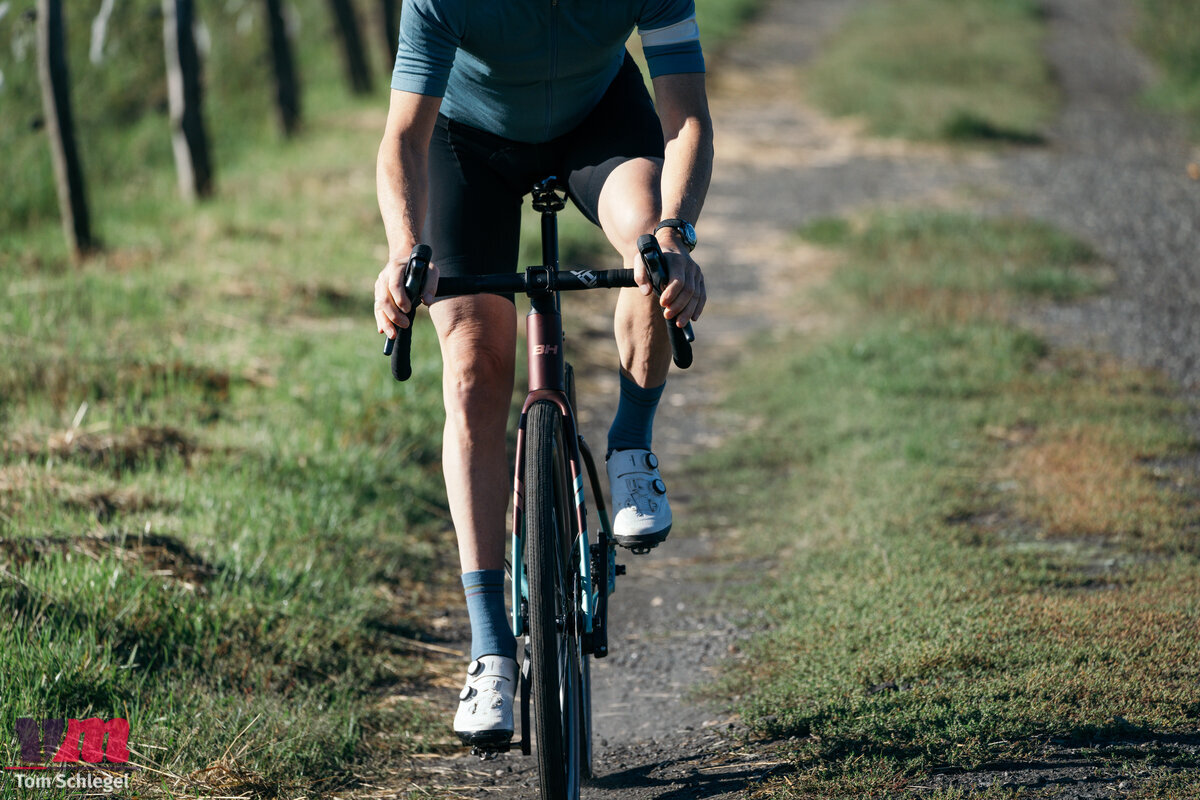
But why would I even think about changing the stem? The test bike I was given in size SM would actually be two sizes too small for me, at 184 cm tall, according to the bra size calculator. The seat post can be extended far enough, however, and the 120 mm head tube length results in a level of elevation that seems ideal for sporty use. The bike is quite short, and even the 7 mm extra reach of the next size changes this very little. Choosing the smaller bike does have another disadvantage: the front end is so short that, with a shoe size 44, my shoe hits the tire when I turn the steering wheel sharply. Size MD offers 11 mm more clearance. However, the "toe overlap" practically never occurs when riding.
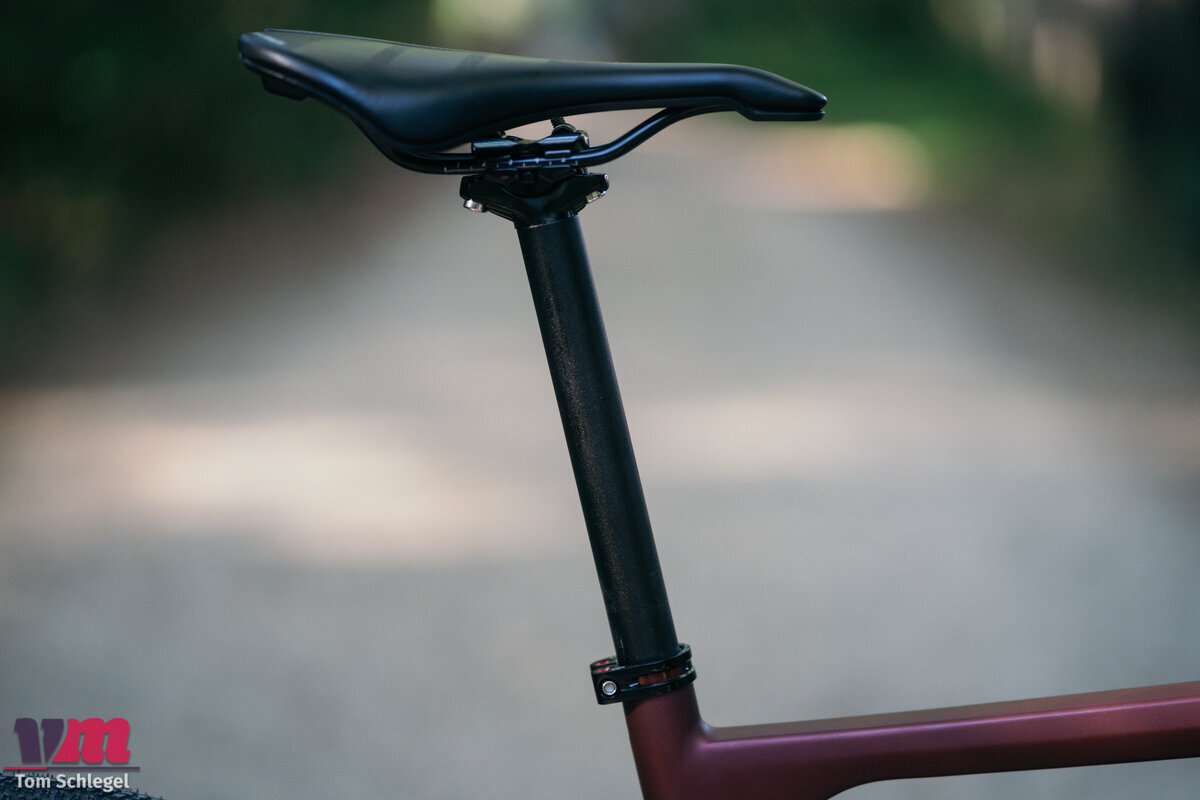
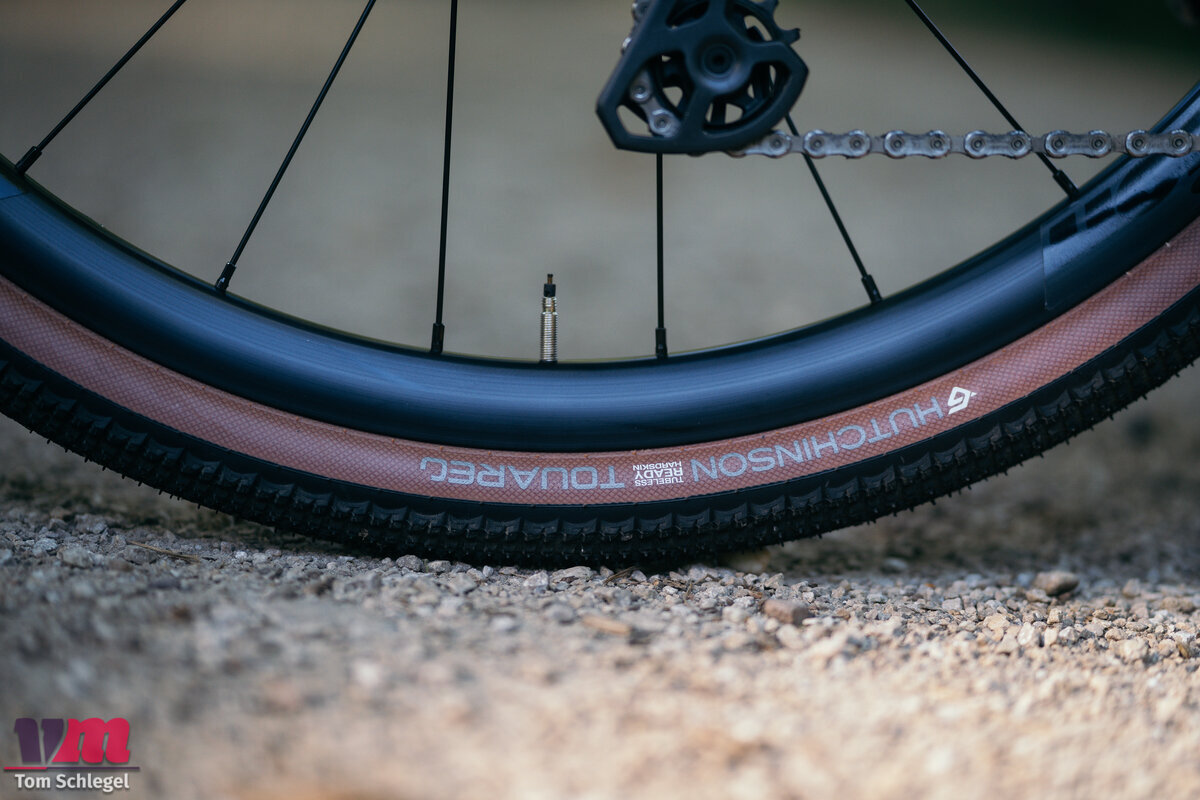
A slightly longer stem would certainly make the extremely agile BH GravelX 1.8 ride smoother, although the super-responsive steering takes some getting used to. The bike responds to steering commands immediately, and anyone who ventures onto winding, rooty trails with the almost 42 mm wide Hutchinson Touareg will soon appreciate the gravel racer's excellent maneuverability. Likewise, the solid propulsion makes you forget the BH's rather heavy weight. Barely fitted, the bike weighs exactly ten kilos and 40 grams; on a relatively flat test ride, it therefore exhibits no braking effect. The wheelset weighs 3,8 kilos – with the carbon wheelset from last year's BH GravelX R 6.5, you would save a whopping 500 grams and almost halve the weight difference between the two bikes. And there are other adjustments that could be made, such as adding a carbon seat post to the bra – that would add another 100 grams and provide a certain comfort advantage.
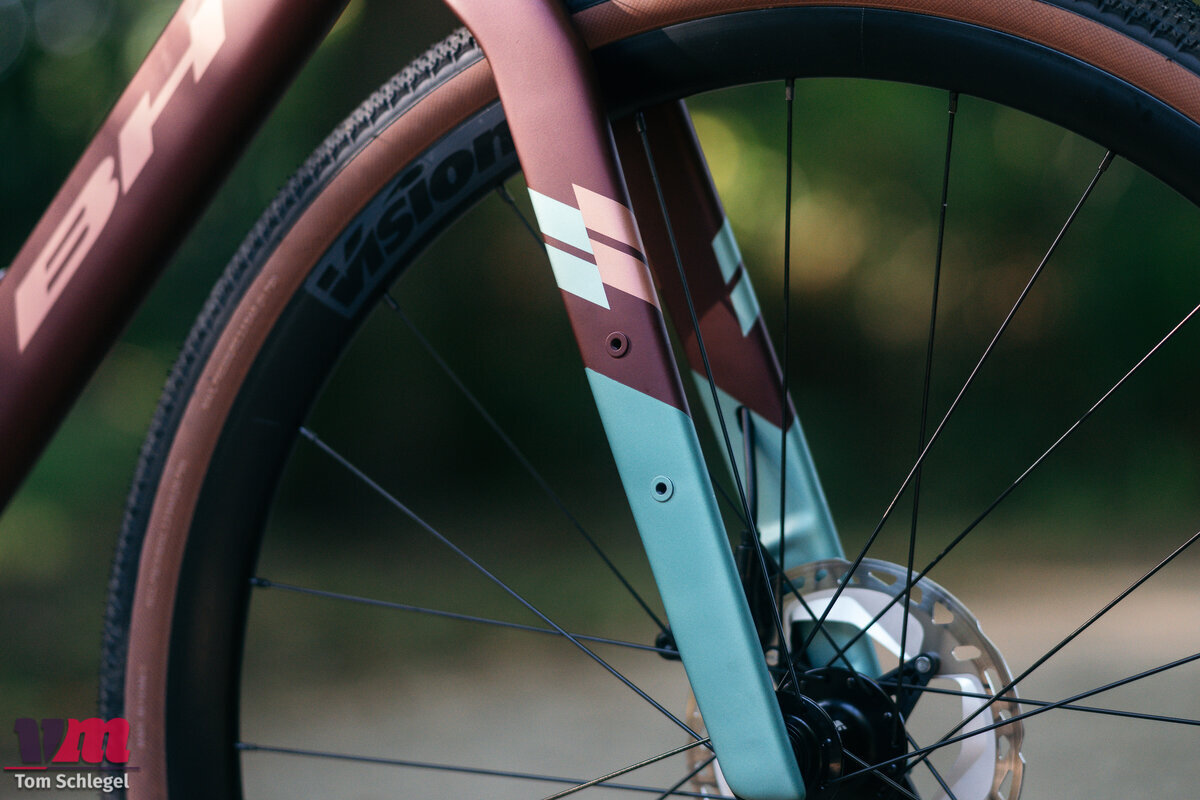
A bike for switching between road and terrain
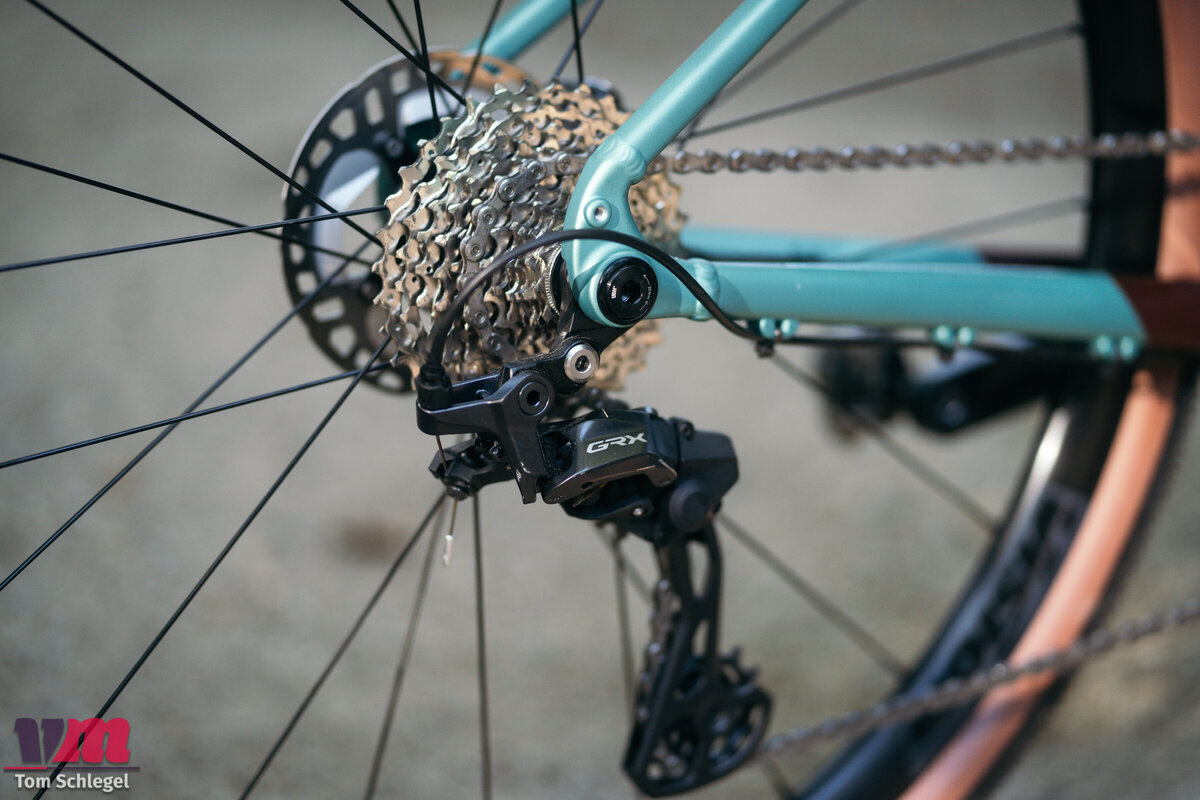
At first glance, the aluminum bike doesn't feel particularly hard. The wide tires, inflated to 2,2 bar, smooth out bumpy gravel paths; however, the relatively low pressure does mean that rolling resistance on asphalt suffers. And the BH is perfectly suited for the seamless transition between off-road and road. The Basque brand equips the 1.8 with Shimano GRX 2×12 drivetrain, using the GRX-610 46/30-tooth crankset and an 11-34 cassette. This makes the gravel bike just as smooth, albeit with a slightly shorter gear ratio, like (or rather, than) a road bike, with the wide tires providing a slightly longer range. If you don't have road ambitions and prefer the faster shifting of a 1x transmission, the bike is also available as a GravelX 1.5 with a Shimano GRX 610/820 1×12 drivetrain, in this case with an 11-45 tooth sprocket and a 40 tooth chainring. This version is a full €500 cheaper, but features the same features except for the Shimano wheelset and the different GRX compound.
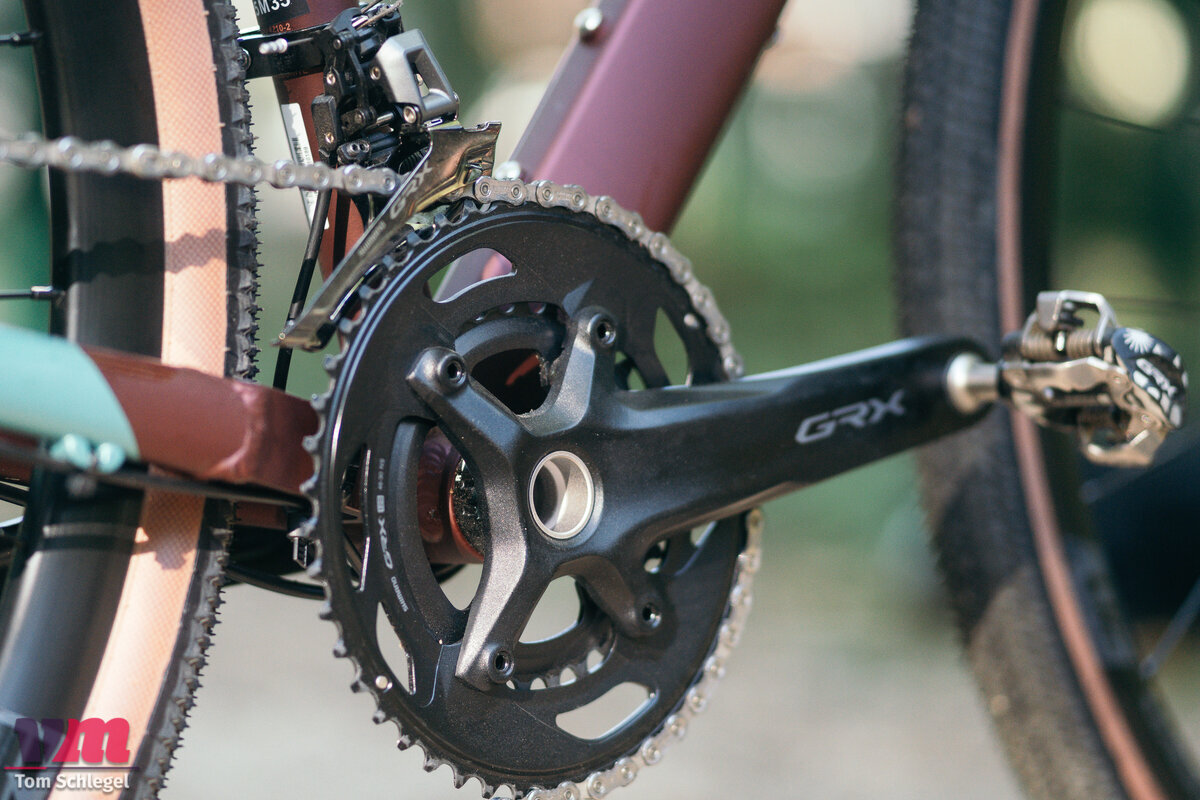
With 1x drive 500 euros cheaper
Whichever version you choose, riding fun is guaranteed on this sleek aluminum race bike. Despite its agile nature, the bike doesn't develop an unpleasant mind of its own and steers very neutrally; the finely profiled tires offer plenty of grip even on loose surfaces. The handlebars aren't overly wide, which is good for an aerodynamic riding position, but not a negative on trails. There are one or two minor things, however, that BH could have improved. The four threaded holes on the down tube are still unsatisfactory: the bottle cage is simply positioned too high; if the upper pair of screws were moved 2,5 cm lower, you would have a choice between two bottle cage positions. Everything is coordinated with the company's own aero bottles plus tool box.
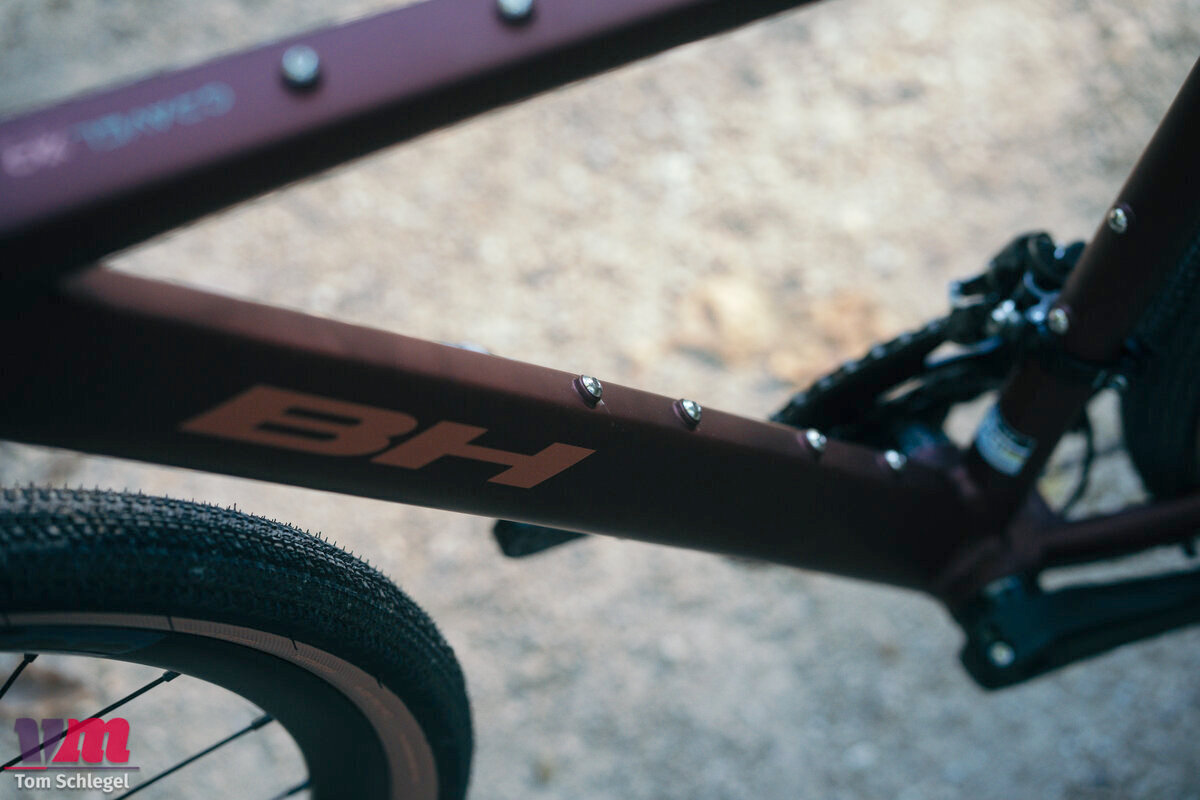
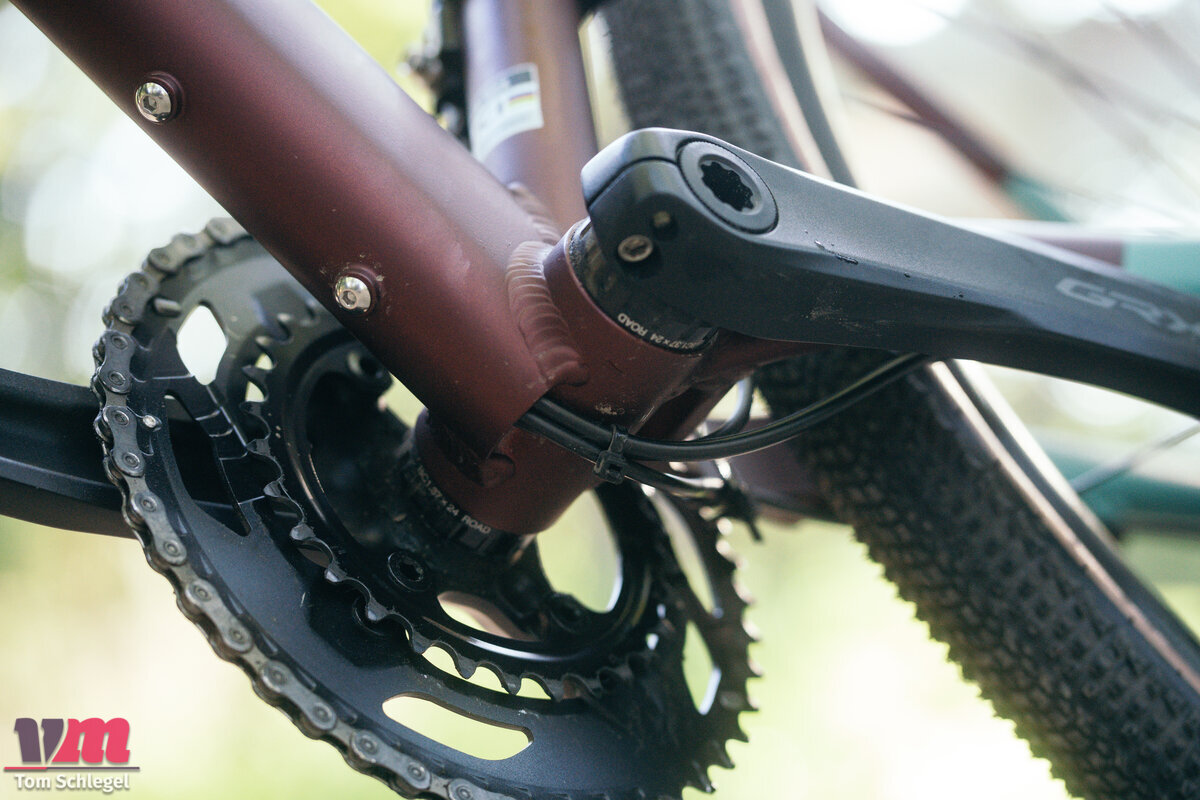
It's also a shame that the perfect internal routing on the cockpit isn't mirrored in the chainstay - here the shift cable and brake line run on the outside, which isn't quite up to date anymore, but of course makes installation easier.
There's nothing more to criticize, though, and these two points can be ignored given the BH GravelX 1.8's good performance. As a reasonably priced, sporty aluminum gravel bike, the Beistegui brothers' bike is a complete winner overall.