


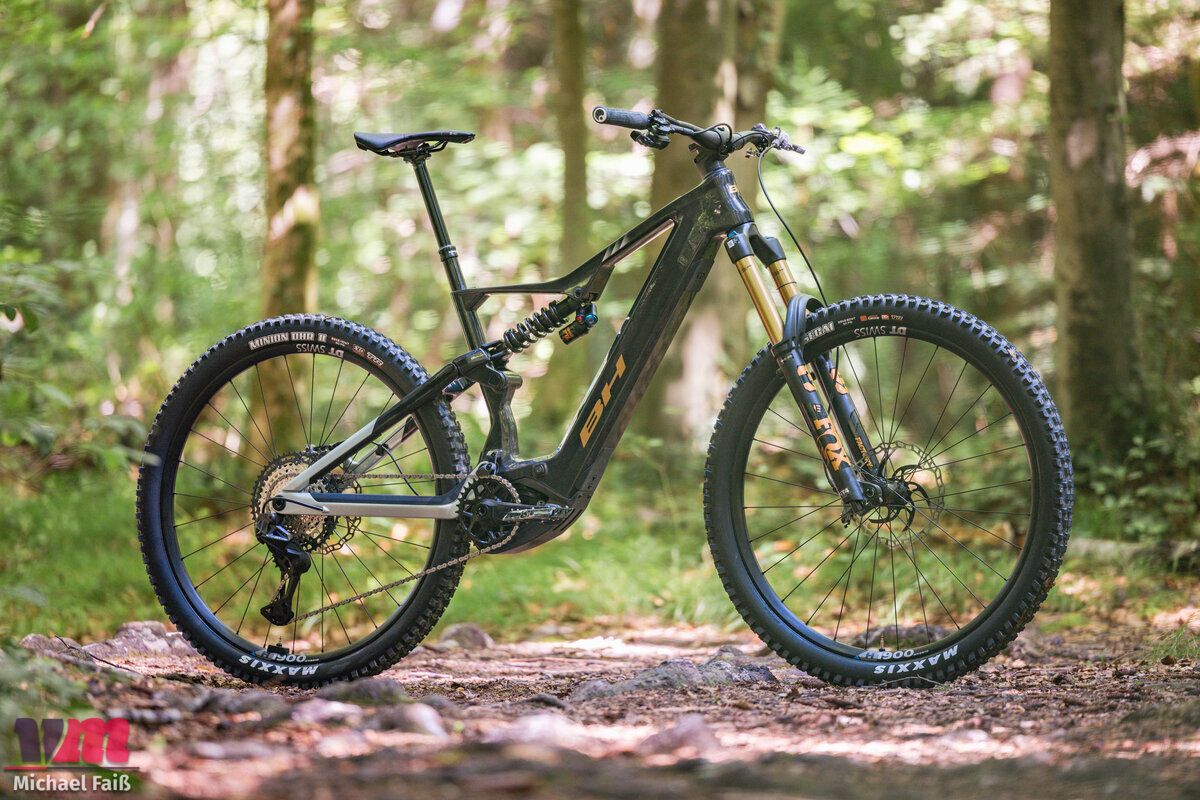
Test: Spanish manufacturer BH is launching a new e-mountain bike, the iLynx+ NX, that aims to bridge the gap between long range and powerful trail and enduro riding. Equipped with the proven Bosch Performance Line CX motor, a massive 800 Wh battery, and a split-pivot rear end, the specs are promising. We took a close look at the BH iLynx+ NX Enduro version to find out if it works on the trail and who the new e-MTB from Spain is suitable for.
The BH iLynx+ NX in detail
The iLynx+ NX isn't just a single bike, but an entire platform that BH divides into two main categories: Enduro and Trail. The Enduro models offer a whopping 160 mm of travel at the rear and 170 mm at the front, while the Trail variants are content with 140 mm at the rear and 150 mm at the front. This clear separation already demonstrates that BH wants to appeal to different types of riders—from touring riders to ambitious enduro riders. This follows the philosophy that runs through almost the entire MTB and e-MTB portfolio of the Spanish company.
Frame and construction
BH offers the iLynx+ NX in various frame configurations. The top models feature a full carbon frame, using a special "Ballistic Carbon Layup" that promises high resistance to impacts and shocks. Slightly more affordable carbon models combine a carbon main frame with an aluminum rear triangle. The portfolio is rounded out by all-aluminum versions, which also feature triple-butted tubes to ensure a balance of lightness and robustness. It's great that BH is offering the aluminum models for the new e-MTB right from the start – in the past, these only came to market months after the carbon versions.
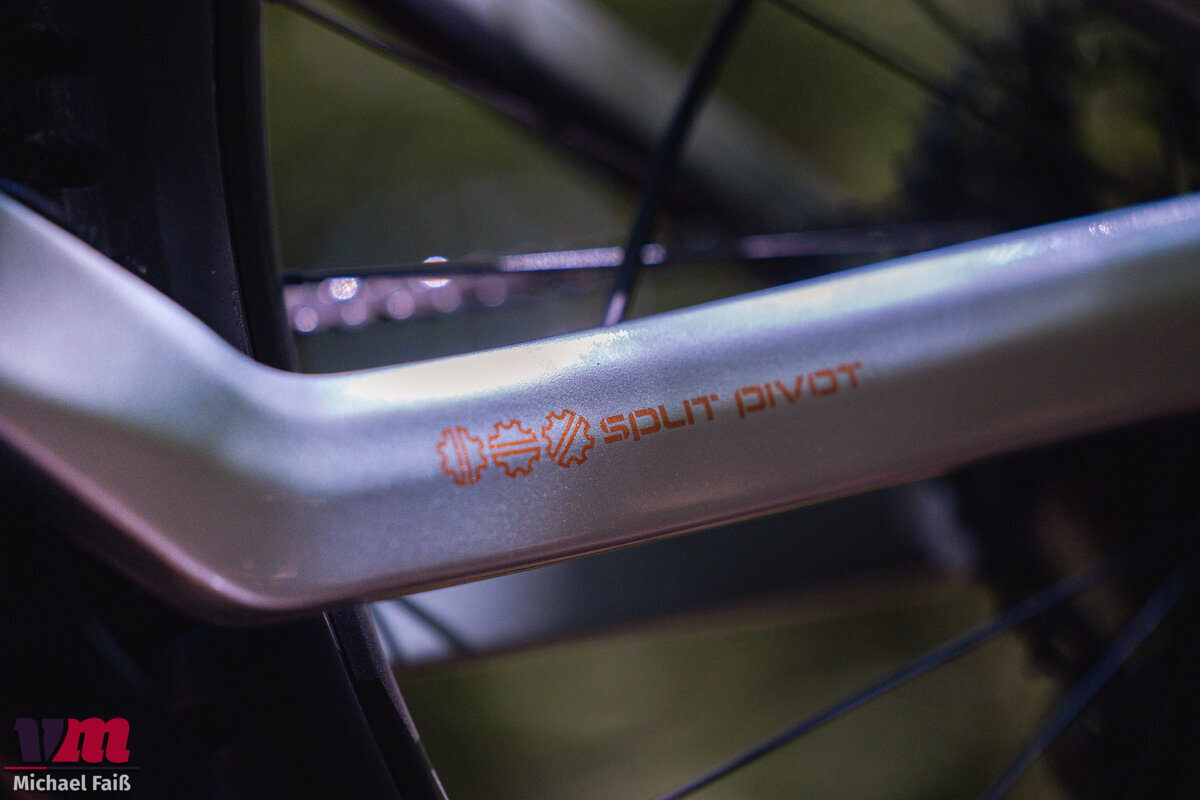
A central element of the frame is the "Split Pivot" rear suspension system. This system is designed to decouple the influences of the drivetrain, braking, and suspension. According to BH, an anti-squat value of over 100% ensures that the drive energy is efficiently converted into propulsion without the chassis bobbing when pedaling. At the same time, the system remains fully active during braking and offers high progressiveness for large impacts.
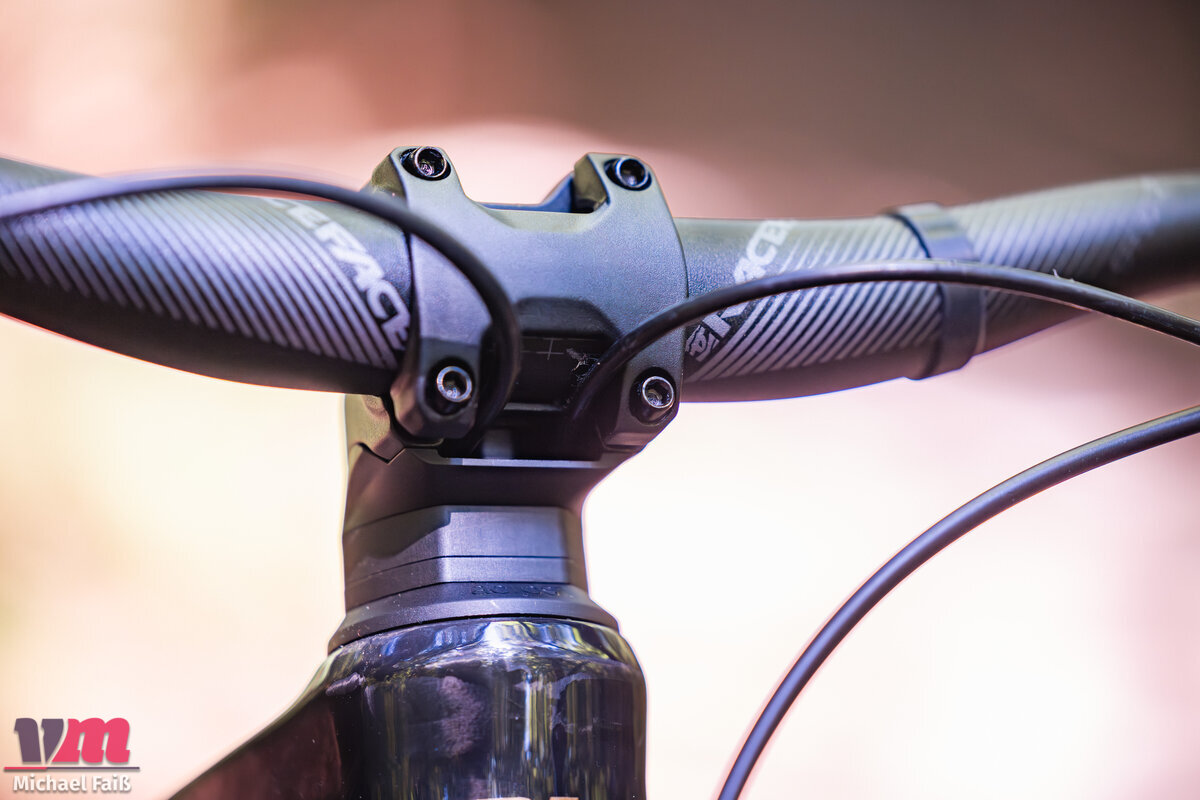
Other technical details on the frame reflect a modern approach. The Super Boost standard with a 157×12 mm overhang is used at the rear. This enables stiffer wheels thanks to a better spoke angle and, in combination with the short 440 mm chainstays, creates space for wide tires up to 2,5 inches. The downside of this rather exotic dimension is the reduced availability of compatible hubs and rear wheels. An Acros BlockLock system protects the down tube from impacts from the fork crown by limiting the steering angle to 120 degrees. The cable routing is completely internal on all models. While the manufacturer claims easy access for maintenance, the routing through the headset is likely to be a thorn in the side of mechanics.
Motor and battery: The heart of the E-MTB
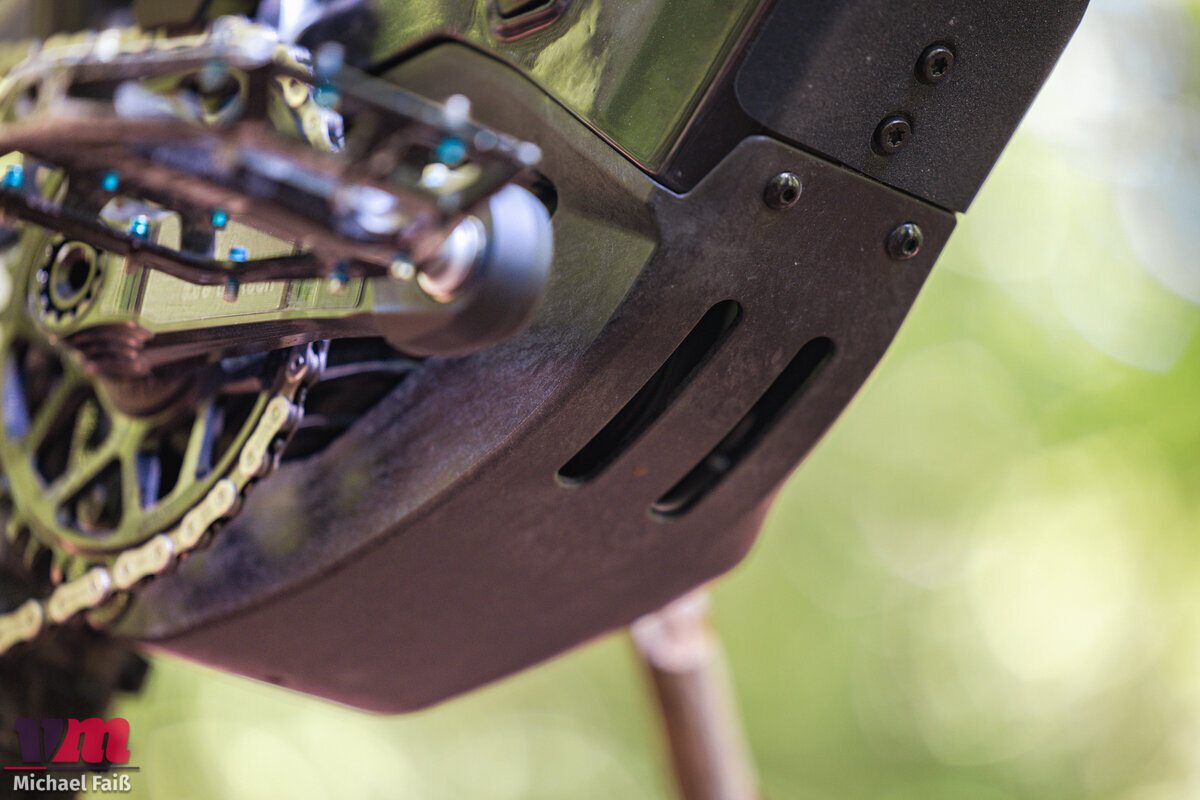
The proven Bosch Performance Line CX motor serves as the drive unit. Weighing approximately 2,8 kg and now boasting a maximum torque of 100 Nm, it's one of the most powerful motors on the market. A set of torque, cadence, and acceleration sensors ensures intuitive and natural power delivery.
Power is supplied by the large 800 Wh battery in the down tube, which, however, is not removable. While this creates a sleek look and a rigid frame, it limits everyday flexibility. Quickly charging the battery at home while the bike is in the basement is just as impossible as swapping it for a second battery on a long tour. However, this is the only way to achieve the impressive weight of our test bike of 22,5 kg (without pedals, size L).
Different displays are used depending on the model variant. The higher-priced models are equipped with the Bosch Kiox 400C display, which is elegantly integrated into the top tube and operated via a mini remote on the handlebar. Lower-priced models rely on the more compact Bosch Purion 200.
Geometry and equipment variants
The geometry of the iLynx+ NX is modern, but not extreme. BH claims to have based its design on its own non-motorized Lynx series. The aforementioned short chainstays are intended to ensure agile and playful handling. Our test model in the enduro configuration features a rather compact main frame and a relatively low front end by today's standards, which may require some adjustment.
Detailed model and equipment variants
The BH iLynx+ NX series is broadly positioned and is divided into the Enduro and Trail categories, each of which includes models with carbon and aluminum frames.
At the top of the enduro range is the iLynx+ NX Enduro Carbon 9.8 for €9.499,90. It features a 160 mm full carbon frame, a high-quality Fox Factory chassis with a 38 Float fork and a DHX2 coil shock, and a Shimano XT Di2 12-speed electronic drivetrain. Below it is the 9.7 model for €8.199,90, which also uses a full carbon frame and a Fox 38 fork, but in the Performance version and with a Float X air shock. The 9.6 model costs €6.999The 90 (€520) combines a carbon main frame with an aluminum rear triangle and features a mechanical Shimano XT/Deore drivetrain and MT9.1 brakes. The entry-level enduro model is the all-aluminum 6.099,90 (€9.0) with Fox Rhythm suspension and the 5.499,90 (€XNUMX) with RockShox Psylo fork and Deluxe shock.
The Trail line follows a similar logic. The top model iLynx+ NX Trail Carbon 8.8 for 8.999,90 euros comes with a 140 mm full carbon frame, a Fox 36 Factory fork, and XT Di2 shifting. The models 8.7 (8.199,90 euros) and 8.6 (6.999The models (€90) reflect the gradations of the Enduro line with performance chassis and a mix of carbon and aluminum frames. The more affordable Trail models with aluminum frames are the 8.0 model (€5.499,90) with a RockShox Recon fork and the entry-level 7.9 model for €4.799,90. The latter is the most simply equipped and features an SR Suntour XCR34 fork, a Shimano Deore 10-speed drivetrain, and Shimano MT201 brakes with 180 mm rotors. A significant difference is also evident in the display: While the carbon models and higher-end variants are equipped with the Bosch Kiox 400C, the cheaper aluminum models rely on the simpler Bosch Purion 200.
The BH iLynx+ NX on the trail: The practical test
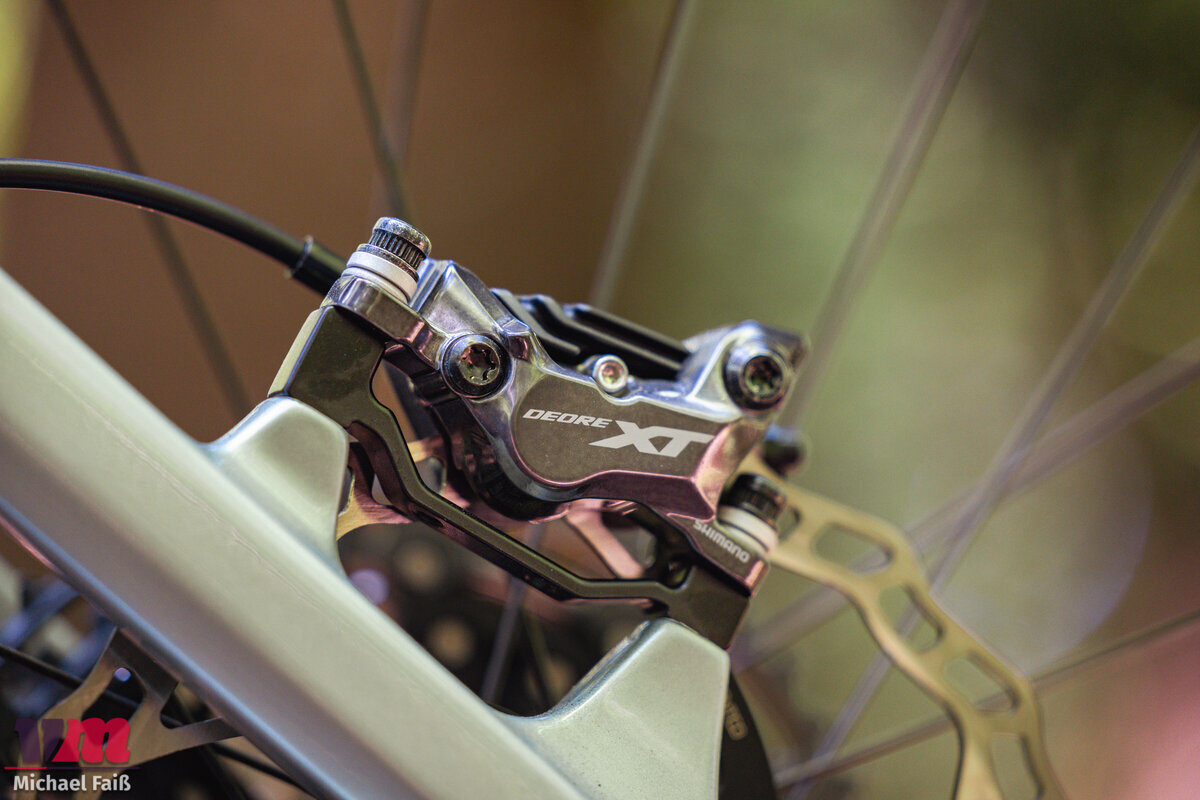
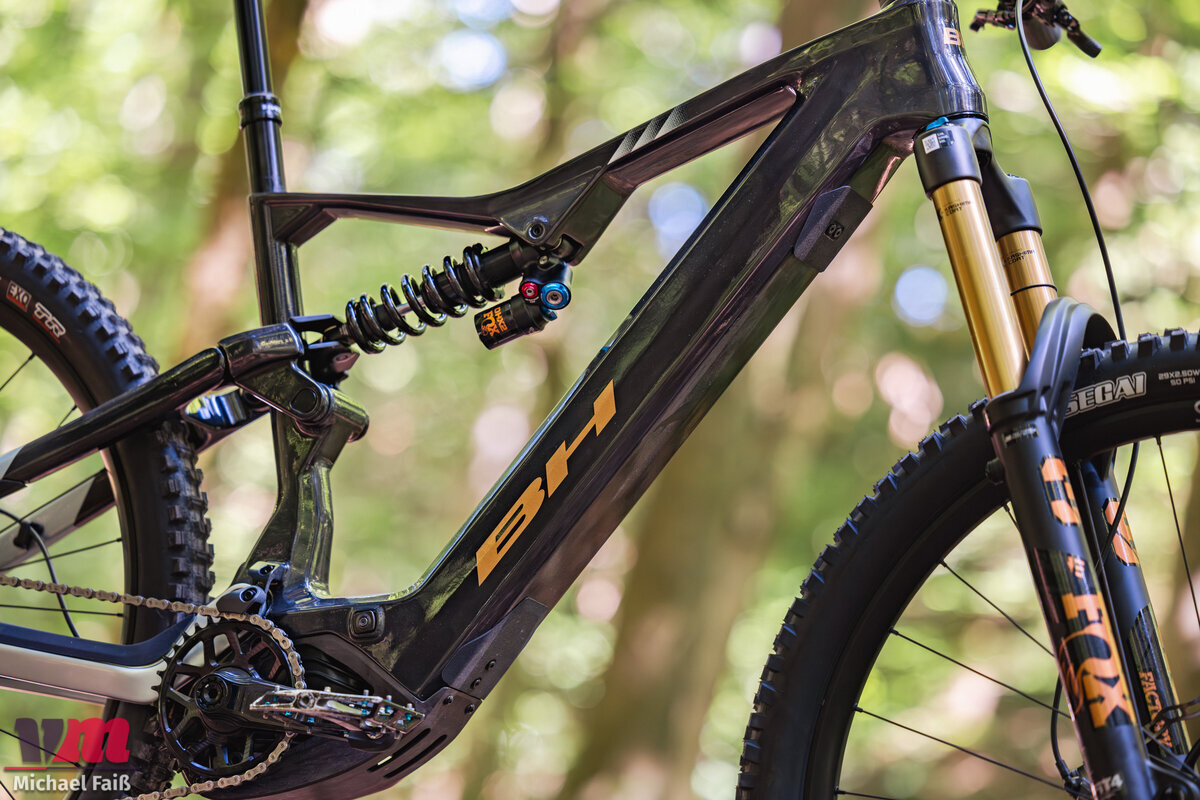
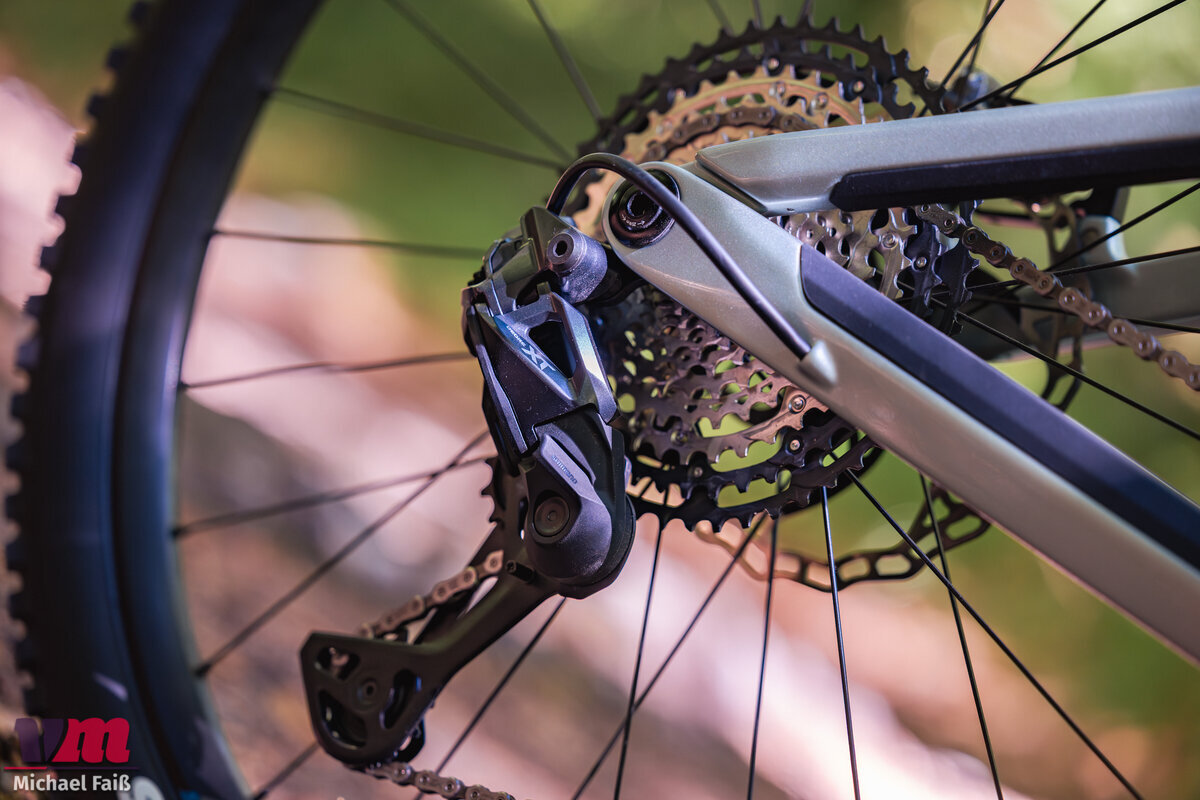
Our test bike was largely identical to the top-of-the-line enduro model, the iLynx+ NX Enduro Carbon 9.8. Without pedals, the size L weighed in at a truly respectable 22,6 kg – despite the 38mm fork, coil shock, and 800 Wh battery. Strong. The new electronic Shimano XT Di2 shifting system also adds to the overall spec. The "old" XT 4-piston brakes are used for the brakes, but that doesn't really bother us. The Fox Factory suspension with a DHX2 coil shock in the rear and a 38mm fork up front promises decent handling – although the Fit4 cartridge in the fork does surprise us a bit.
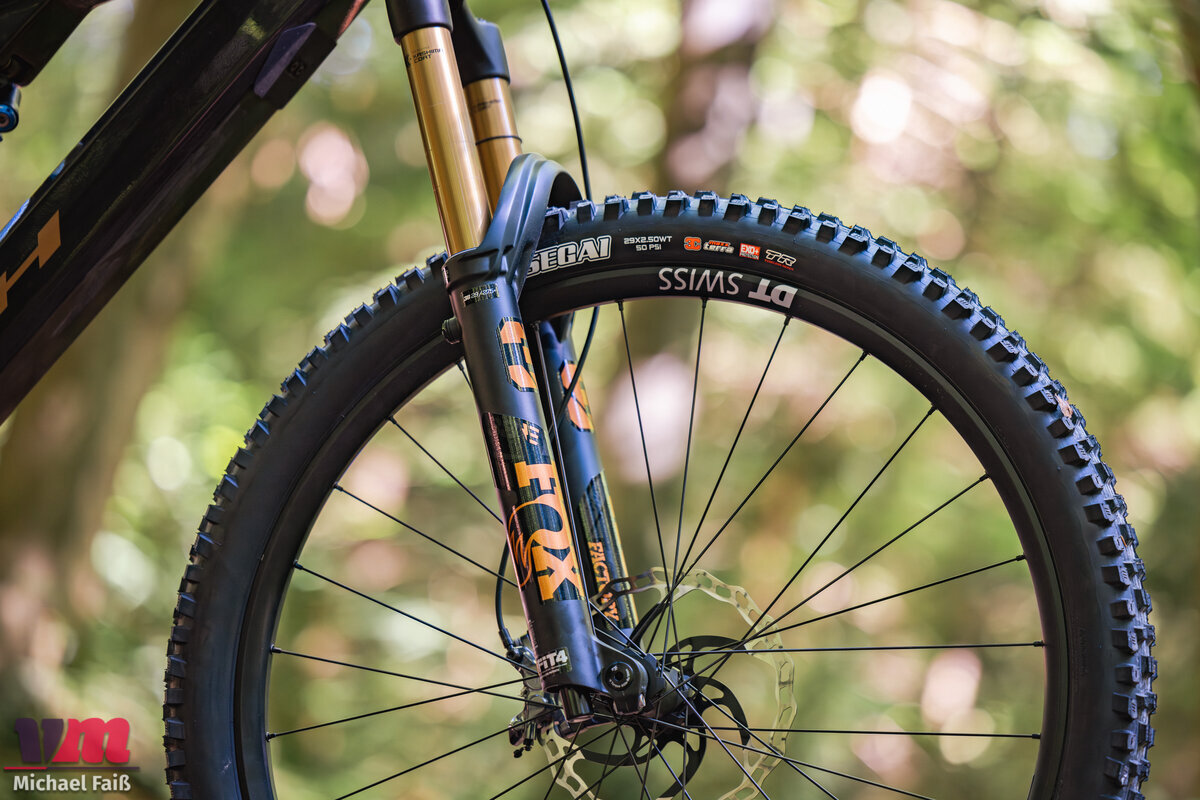
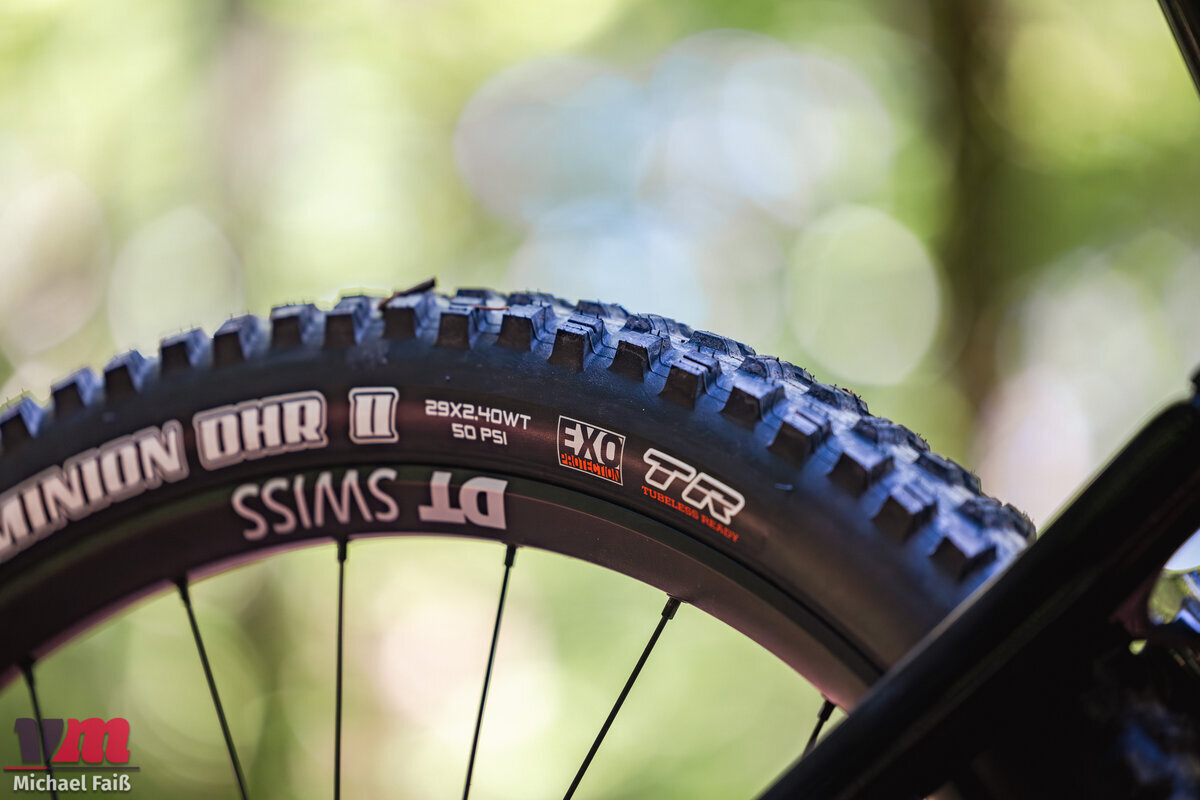
However, the wheels and tires raised even bigger questions. While the DT Swiss H1900 wheels are proven, they don't seem to be commensurate with the nearly €10.000 price tag. The Maxxis tires chosen, with Assegai at the front and DHR II at the rear, are generally very good – but not with the rather thin Exo casing used here. Here, we would have preferred lighter wheels and more stable tires – that way, the weight would remain the same and the performance would have been significantly improved on the trail.
For our practical test, we rode the BH iLynx+ NX Enduro on a variety of trails, from flowing home trails to challenging bike park routes. The first impression is one thing above all: quiet. Both uphill and downhill, the ride is remarkably quiet. The Bosch motor hums discreetly, and there's no rattling of cables or chain from the frame—a major plus for riding pleasure.
Handling and chassis
On the trail, the iLynx+ NX is very docile. The handling is balanced and agile thanks to the rather compact frame. It corners easily and conveys a great sense of security. The split-pivot rear end does a great job here. Even with the installed coil shock, which often results in a very plush but also somewhat sluggish feeling, the rear end doesn't feel sluggish. It offers excellent traction, responds sensitively to small bumps, and provides sufficient progression and reserves for hard impacts at the end of its travel. The noticeably low overall weight further contributes to the agile character.
The geometry, with its rather low front end, takes some getting used to at first, especially for riders accustomed to the high cockpits of other modern enduro bikes. After a short period of adjustment, however, the bike can be steered precisely. Nevertheless, it's also clear that, despite the "Enduro" name, the iLynx+ NX isn't a purebred downhill machine, but rather still sees itself as a true all-rounder. Among the features, the new Shimano XT Di2 drivetrain stands out: Reliable and unobtrusive, it has a real ace up its sleeve with its eShift features.
Uphill performance and engine
The BH's strengths truly shine when climbing. The Bosch CX motor provides powerful and controllable propulsion. Combined with the electronic Shimano XT Di2 drivetrain, this results in a particularly harmonious interaction. Features like the automatic shifting of multiple gears while stationary (roll shift) prove extremely practical. The rear end remains stable even on steep climbs and generates plenty of traction, allowing even technical uphills to be mastered with ease.
Criticisms in detail
Despite the many positive impressions, there are also grounds for criticism. Perhaps the biggest weakness in the configuration of our enduro test bike is the tires. The installed Maxxis tires with the thin EXO casing are simply undersized for such a powerful e-enduro with 160/170 mm of travel. While we didn't experience any defects, this was also due to the higher air pressure we selected immediately before testing, given the tire selection. For the intended use, more stable casings such as Exo+ or even a Doubledown version on the rear wheel would be essential to withstand the increased weight and forces and prevent punctures. Potential buyers should plan for an upgrade here.
As already mentioned, the permanently installed battery and the cable routing through the headset are conceptual decisions that buyers must accept. They significantly limit everyday usability and ease of maintenance compared to other solutions on the market.

