


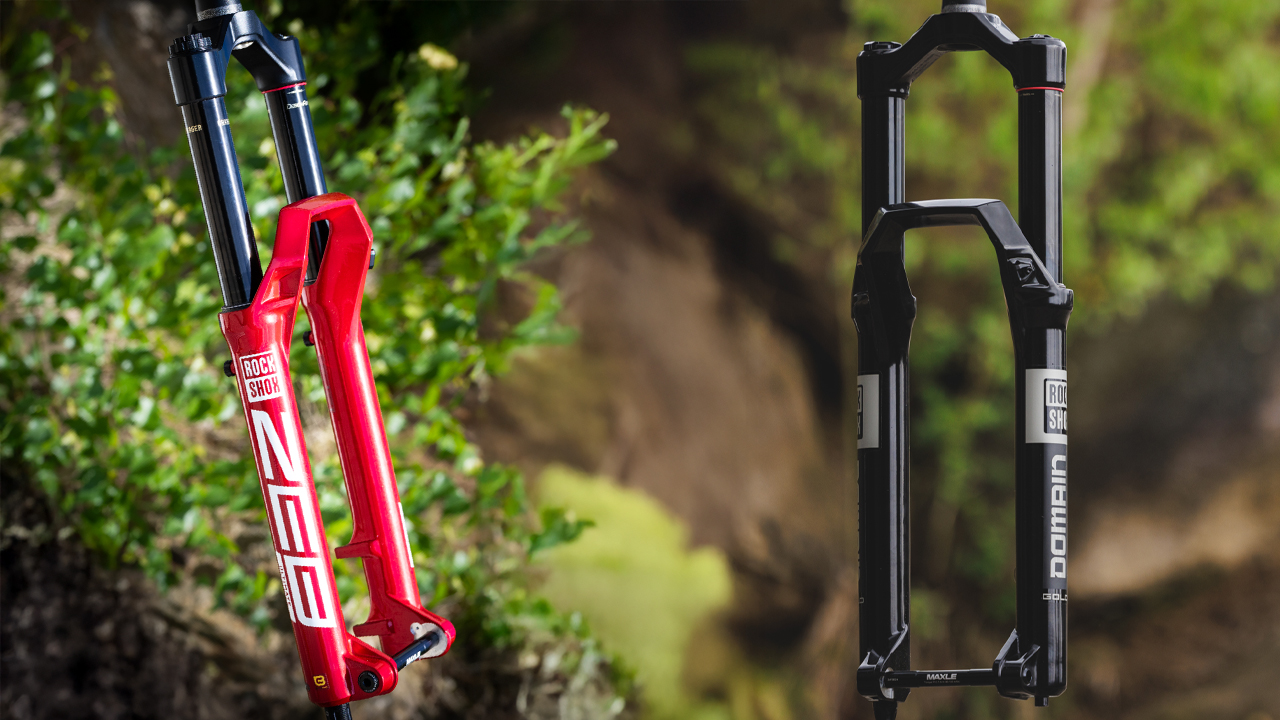
Test: High-end versus entry-level, double the price for supposedly double the performance – is that justified? RockShox provides a perfect example of this tension with its two powerful single-crown forks for enduro and e-MTB use: the ZEB and the Domain. Both share a massive 38 mm chassis and are aimed at riders who want to rip rough terrain. But while the ZEB Ultimate shines as a technology leader in the portfolio at around €800, the Domain Gold RC entices with a street price of around €400 and promises to deliver much of the performance of the top model at a fraction of the cost. We took a close look at the technical specifications, philosophies, and practical differences between the two forks to find out who would benefit from the extra cost over the ZEB and who might even make the wiser choice with the Domain.
Similarities: A stiff base for rough terrain
Before we delve into the profound technological differences, it's worth looking at the similarities. Both forks, the ZEB and the Domain, were designed for the same applications: demanding enduro terrain and the higher stresses of e-mountain bikes. The foundation for this is the 38 mm thick stanchions, which ensure high stiffness and steering precision when things get tough on the trail.
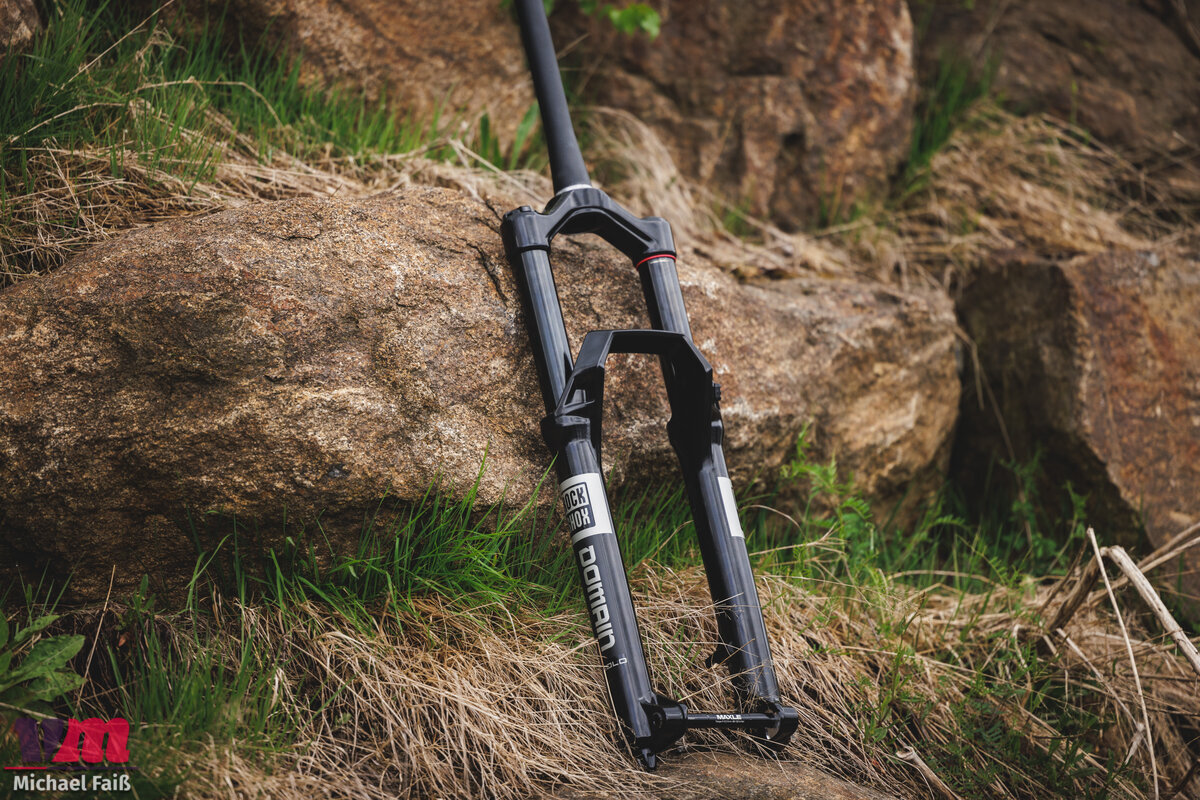
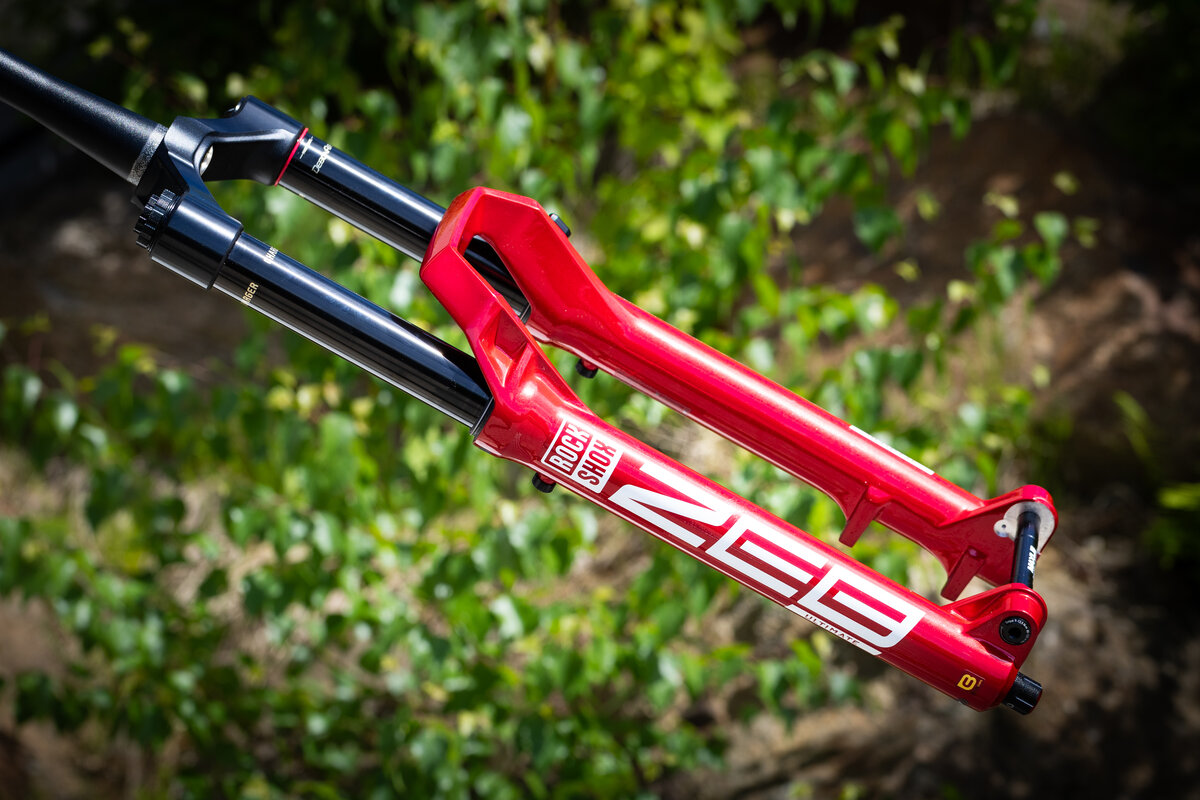
Both models are available for 27,5-inch and 29-inch wheels and cover a similar travel range. The Domain is available with up to 180 mm of travel, while the ZEB goes one step further and is even available with 190 mm for extreme freeride use. But that's where the parallels largely end. What's inside the fork tubes is fundamentally different.
The heart of the matter: The damping technology in comparison
RockShox ZEB Ultimate: The Charger 3.1 RC2 damper
The ZEB Ultimate features the Charger 3.1 RC2, RockShox's latest and most advanced damping cartridge. It's a sealed cartridge that allows for precise oil control. Its key feature is the completely independent adjustability of the high-speed and low-speed compression (HSC and LSC) controls. This allows experienced riders extremely fine-grained tuning: The low-speed compression influences the fork's behavior during slow spring movements, such as those caused by the rider's weight shift, during braking, or in corners. A high LSC value prevents unwanted fork sagging and provides more counter-hold. The high-speed compression, on the other hand, controls the behavior during fast, hard impacts, such as those encountered when riding over carpets of roots or rocks.
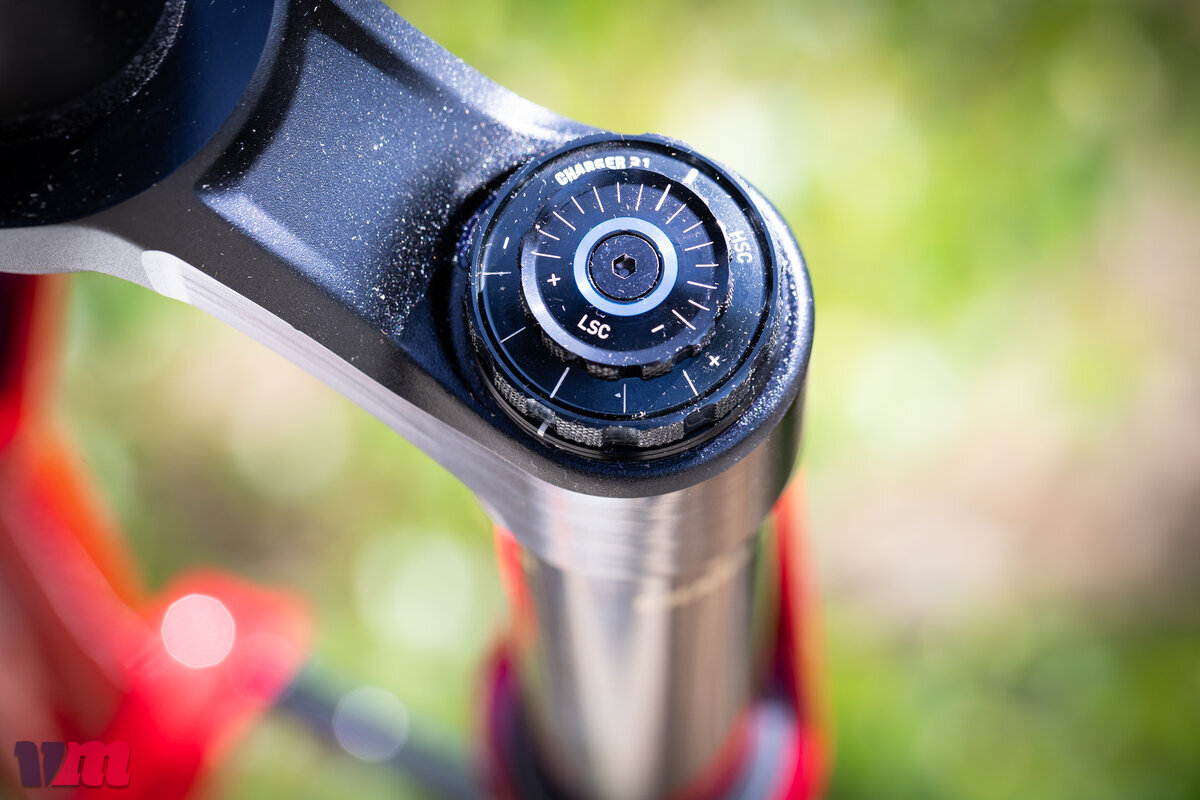
Version 3.1 has been further refined compared to its predecessor: A 68% increase in oil flow in the open LSC circuit ensures greater comfort, while the HSC circuit offers more support in the closed position. This makes the ZEB Ultimate ideal for riders who know what they're doing and want to perfectly adapt their suspension to different conditions and preferences.
RockShox Domain Gold RC: The new Isolator RC damper
The Domain Gold RC features the newly developed Isolator RC damper. Inspired by the Charger technology, this also uses a spring-loaded internal floating piston (IFP) that prevents air and oil mixing, thus ensuring consistent damping behavior. Unlike the Charger, however, the Isolator damper has a simpler design and is integrated directly into the fork tube.
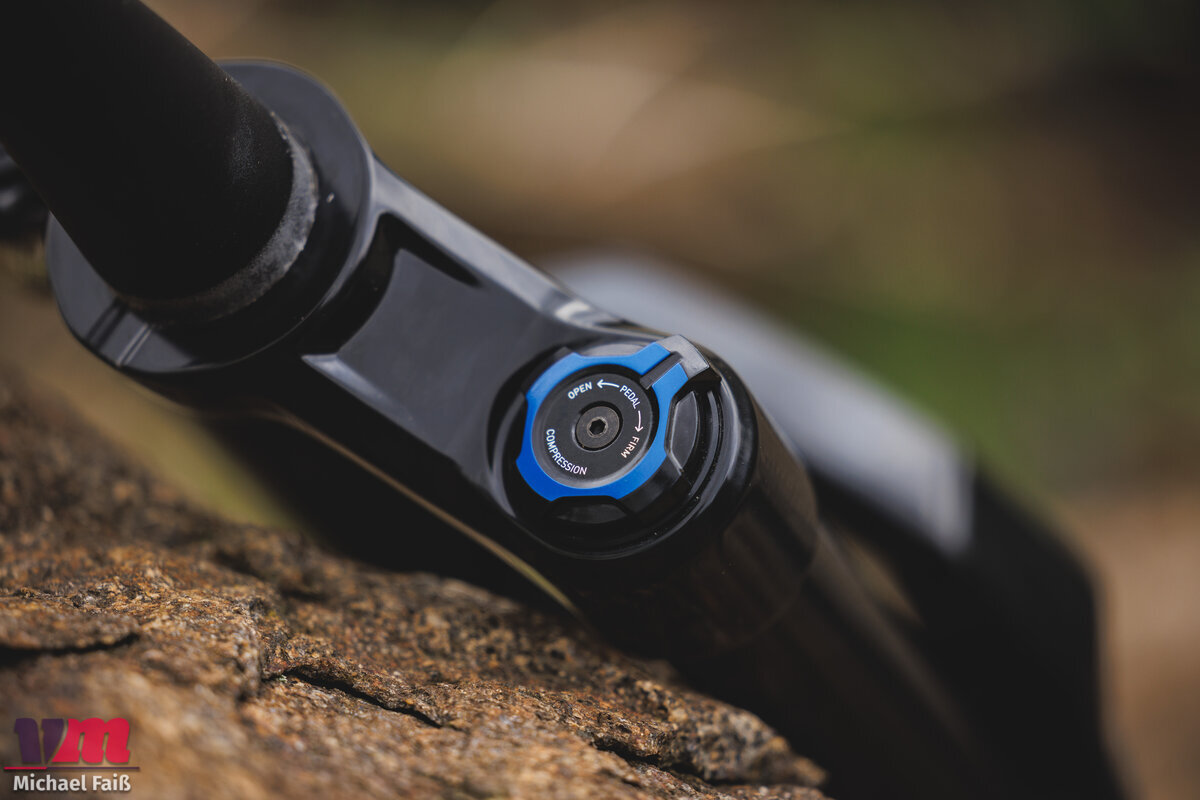
The adjustment options are deliberately reduced and designed for ease of use. Instead of separate HSC/LSC adjusters, there is a three-stage lever for compression damping:
- Open: Maximum sensitivity for rough terrain.
- Pedals: A middle ground that offers more support without hardening during quick strikes.
- Firm: A virtually blocked setting for maximum efficiency uphill.
This simplicity is the Domain's great advantage: It's self-explanatory and quick to set up. You don't have to worry about complex tuning processes, but in return, you forgo the possibility of fine-tuning for extreme conditions.
Differences in air spring and features
DebonAir+ with ButterCups vs. DebonAir
The RockShox ZEB Ultimate features the DebonAir+ air spring. In addition, the Ultimate version also features Buttercups: small, rubber-mounted damping elements at the bottom of the spring and damper unit. They are designed to filter out 20% of high-frequency vibrations, thus reducing hand and arm fatigue. A feature that is said to be especially noticeable on long, rough descents.
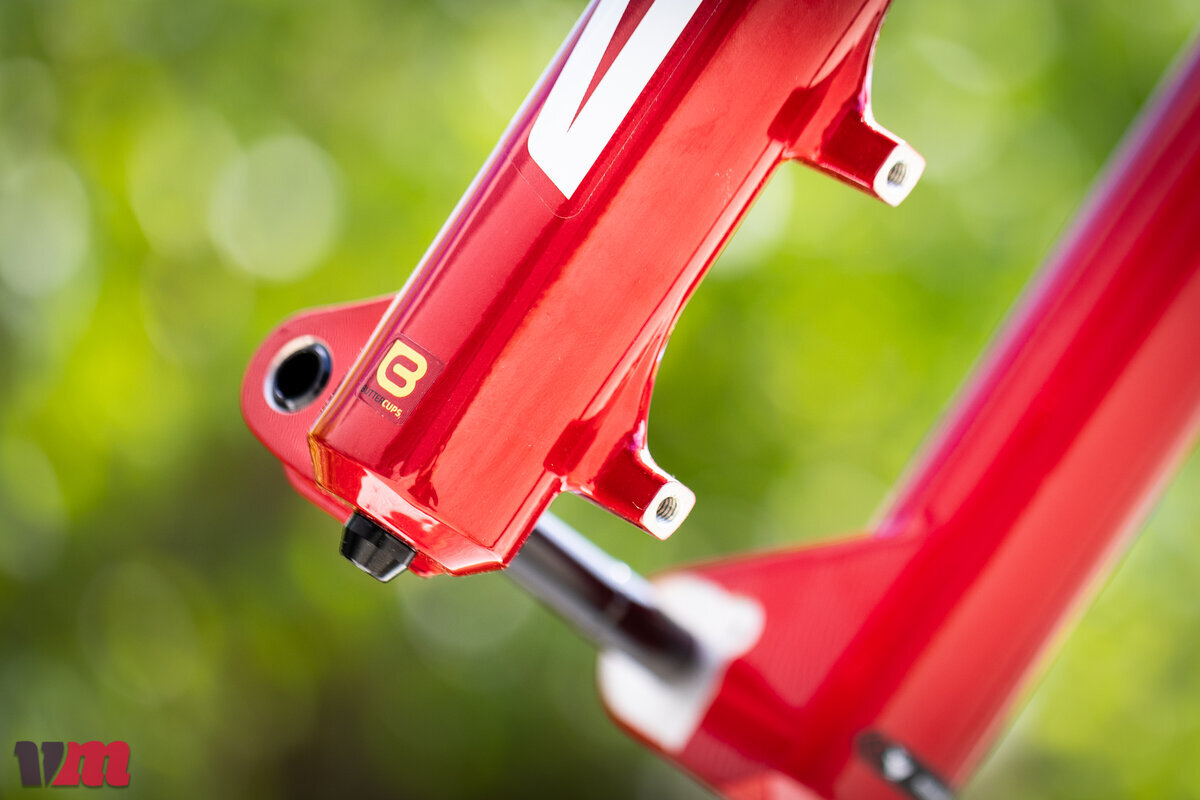
The Domain uses a DebonAir air spring, which is based on the DebonAir+ philosophy but lacks the ButterCups. Retrofitting is not possible. In practice, the responsiveness of both forks is very high, although the ZEB forks may offer a slight comfort advantage for very sensitive riders thanks to the ButterCups.
Chassis, weight and upgradeability
Although both are based on 38 mm stanchions, the more complex and material-efficient manufacturing of the ZEB results in a noticeable weight advantage. Depending on the model, the Domain weighs approximately 200 to 300 grams more. This difference may be negligible on an e-MTB, but it is noticeable on a lightweight organic enduro bike.
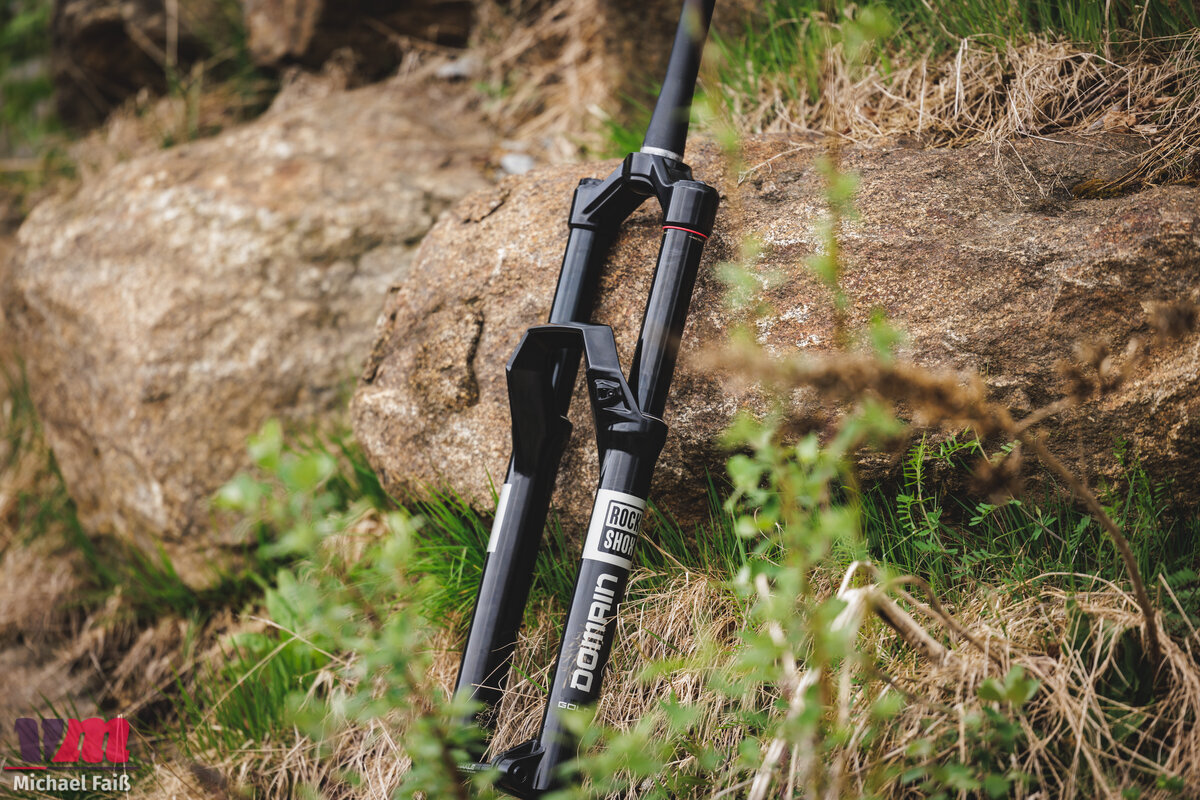
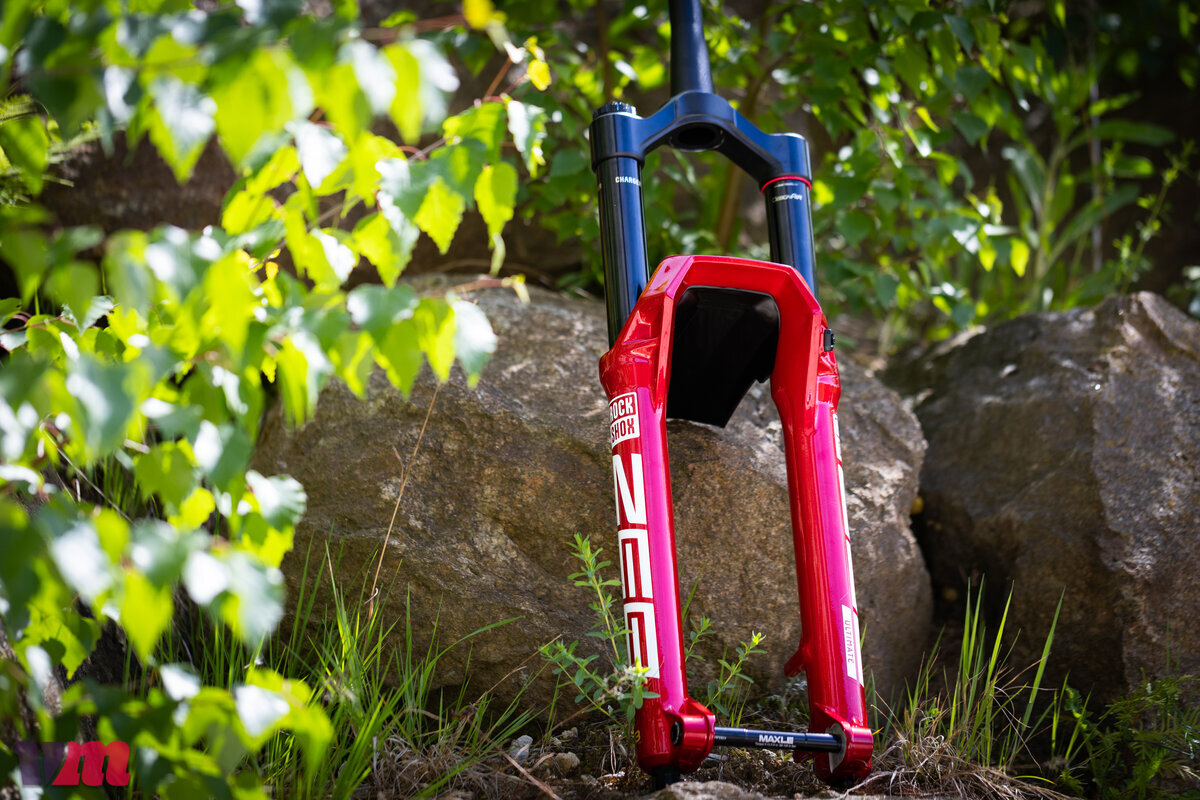
Another point to consider is upgradeability . A less expensive ZEB Select can easily be upgraded to the level of an Ultimate with a Charger 3.1 cartridge. This isn't possible with the Domain. The internal diameters are different, which prevents a damper swap. Anyone buying a Domain is stuck with the Isolator damping system.
Practical impressions and price-performance
In practice, the Domain Gold surprises with excellent responsiveness, something that was reserved for top-of-the-line forks just a few years ago. It's sensitive and comfortable. It only shows its limits when the speed gets extremely high or the rider is riding very actively. Then it tends to lack support in the mid-travel range and rush through the travel too quickly. While this can be partially compensated for by adding more tokens to the air chamber and thus increasing the progression, this intervention affects the entire spring characteristic.
This is precisely where the ZEB Ultimate's strengths shine. The separate HSC and LSC settings allow you to find a setup that's both sensitive and comfortable at the beginning of the travel, yet offers the necessary counter-support in the middle range without becoming too progressive at the end of the travel. The result is a more plush, secure, and ultimately more energy-efficient ride when pushing the fork to its limits. However, this advantage requires patience and a certain technical understanding when setting up the setup.
Conclusion: Which fork for whom?
At the end of the day, the ZEB is the technologically superior and more powerful fork. It's lighter, more sensitively adjustable, and offers an exclusive comfort feature with the ButterCups. It's aimed at racers and performance-oriented riders who want to squeeze every last ounce out of their suspension and are willing to pay twice the price for it.
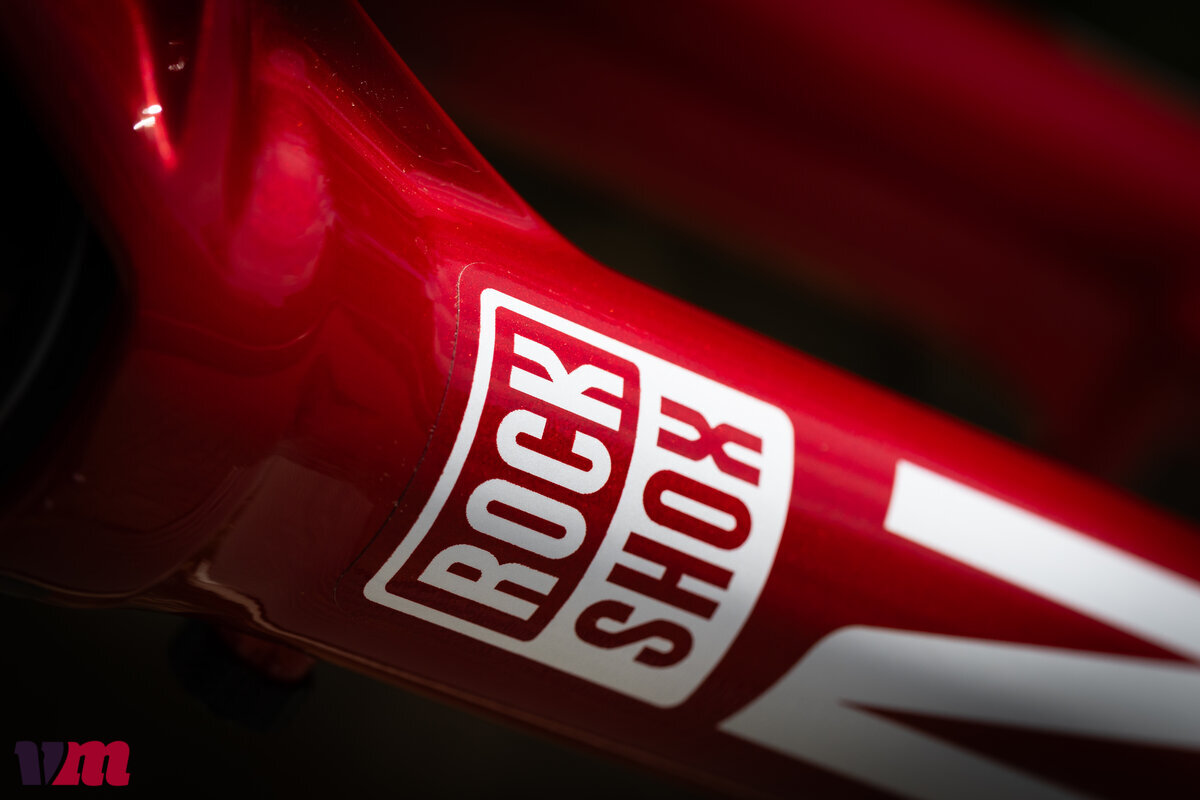
However, the RockShox Domain Gold RC is far more than just a "cheap ZEB." It's the unsung hero of a huge target audience. For riders seeking a robust, reliable, and straightforward suspension setup that offers excellent performance on most trails, it's arguably the smartest choice on the market. The responsiveness is top-notch, and the simpler damping is more of an advantage than a disadvantage for many riders. The money saved—around €400, after all—can be invested in other performance-relevant parts like tires or brakes.
Ultimately, the decision, as is often the case, is a personal one. Those seeking uncompromising performance and knowing how to leverage it will be happy with ZEB. On the other hand, those looking for a fork with an outstanding price-performance ratio that simply works well can't go wrong with the domain and can save money.