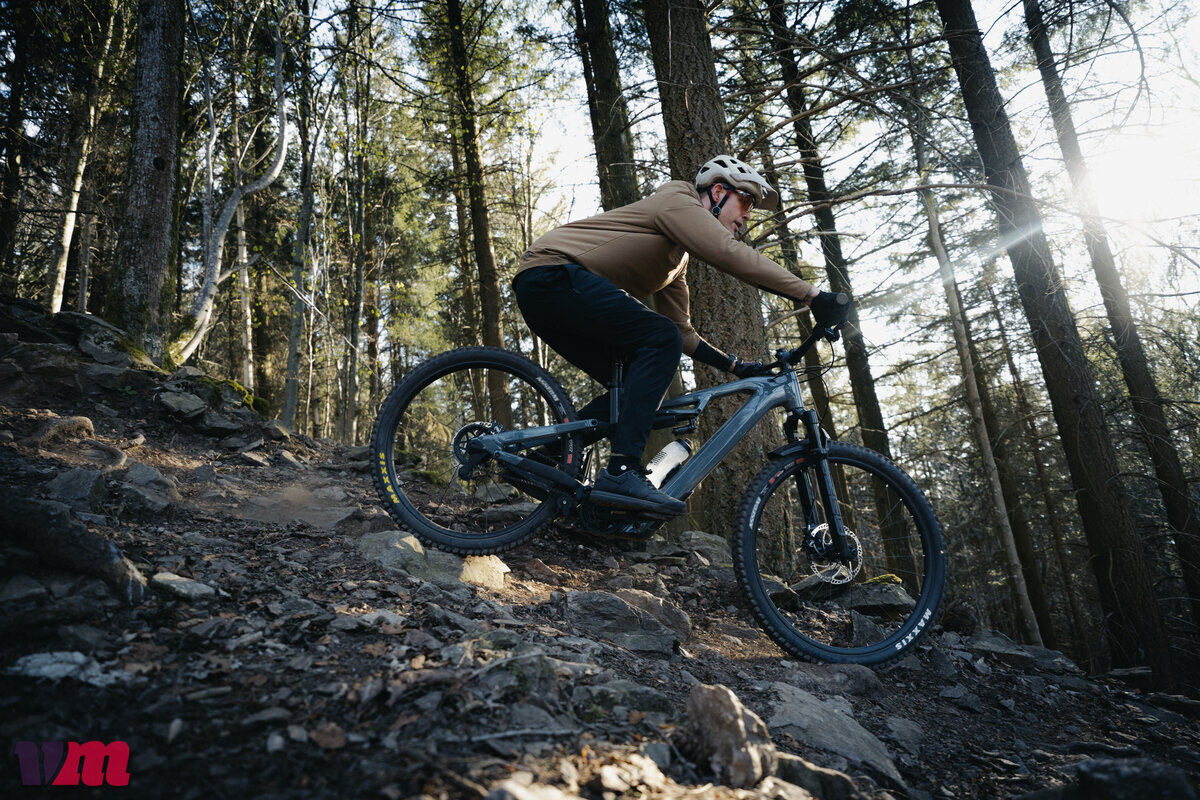
Test / E-MTB: Moustache, an established name in the e-bike sector and previously known for its exclusive partnership with Bosch drive systems, is breaking new ground. With the Moustache Clutch, the French manufacturer, presents its first e-mountain bike that utilizes Pinion's innovative motor-gearbox unit (MGU). We were able to test the new model at a press camp in Freiburg and will tell you why the Clutch is probably the most powerful e-MTB with a Pinion MGU to date.
Concept and orientation: Uncompromising Enduro
Moustache The Clutch makes no secret of its purpose: it's designed as a purebred enduro bike, intended to excel on challenging descents. The key specifications underscore this: 170 mm of travel at the front and 160 mm at the rear, combined with a robust aluminum frame and a mullet wheel configuration (29-inch front, 27,5-inch rear). The latter is a new addition to the Clutch's portfolio. MoustacheThe previous long-travel model, "Game," uses continuous 29-inch wheels. This configuration, along with – for MoustacheThe relatively short chainstays (450 mm) are intended to give the bike agility. The geometry, with a head angle of around 64 degrees and a high front end, aims for safety and control at high speeds and on steep terrain.
Geometrie Moustache clutch 160
| S | M | L | XL | |
|---|---|---|---|---|
| Reach (mm) | 430 | 450 | 475 | 500 |
| Stacks (mm) | 625 | 625 | 643 | 652 |
| seat tube (mm) | 410 | 440 | 470 | 506 |
| Steering angle (in °) | 67 | 67 | 67 | 67 |
| Seat angle (in °) | 75 | 75 | 75 | 75 |
| top tube (mm) | 597 | 617 | 647 | 675 |
| chainstays (mm) | 450 | 450 | 450 | 450 |
| head tube (mm) | 110 | 110 | 130 | 140 |
| BB Drop (mm) | 30 | 30 | 30 | 30 |
Drive system: Pinion MGU and Moustache-Battery with 780 Wh
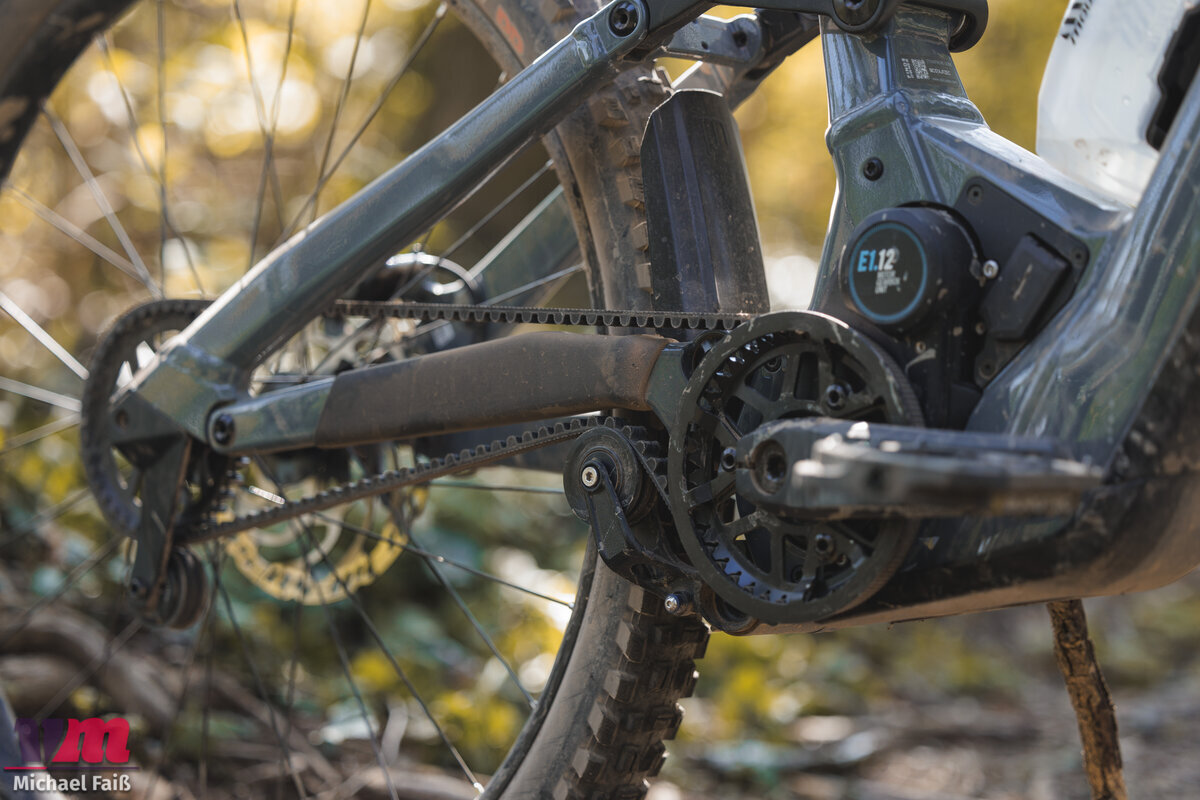
The heart of the Clutch is undoubtedly the Pinion MGU. This unit integrates the motor and gearshift directly at the bottom bracket. Pinion specifies an average maximum torque of 85 Nm, which can increase to up to 160 Nm in very light gears thanks to the internal gear ratio. Peak power is around 600 watts, comparable to other established mid-drive motors such as Bosch or Shimano. The MGU weighs approximately 4,1 kg and incorporates a gearshift with an impressive gear range of 600%, which exceeds current derailleur systems.
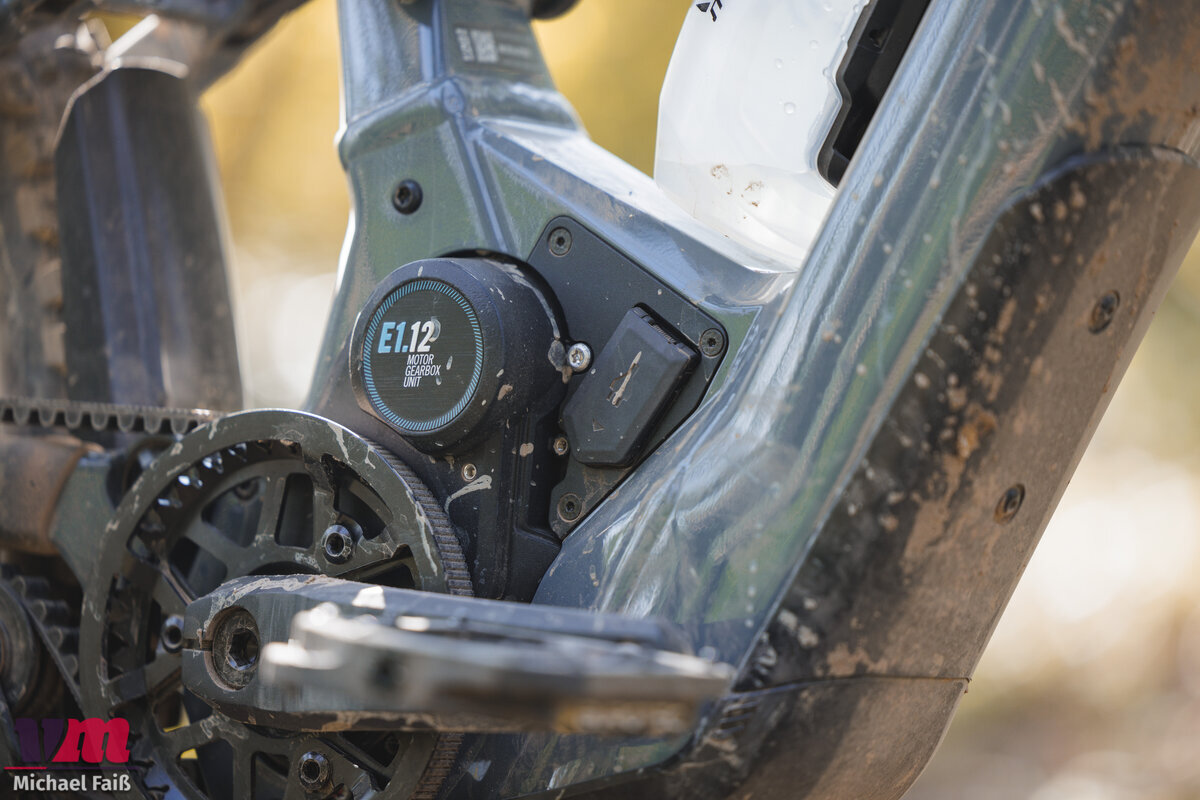
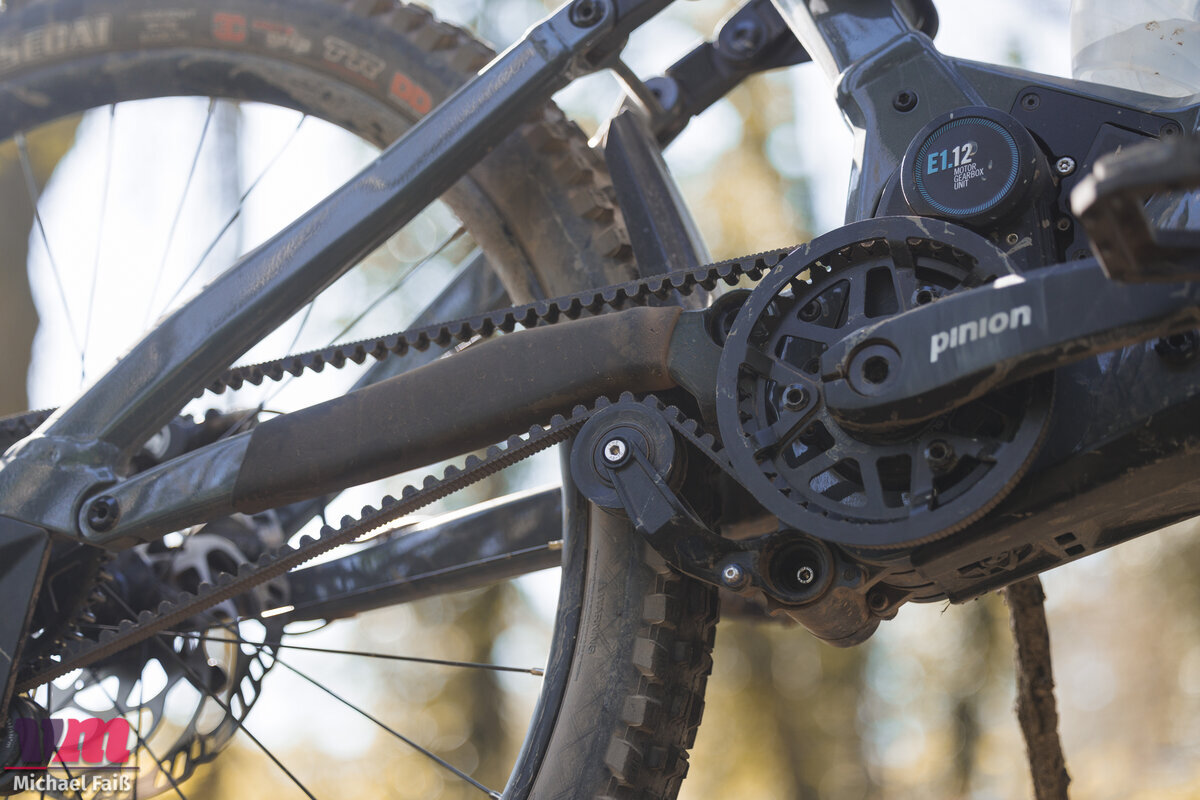
All information about the Pinion MGU
[blog specific=“175745″]One special feature is the battery. Instead of using the standard batteries from Fit (the peripheral supplier for Pinion, which now belongs to Pinion's parent company), Moustache In cooperation with Pinion, they developed their own battery with a 780 Wh capacity. According to the manufacturer, the reasons for this were the desire for the slimmest possible downtube despite the high capacity and a special shape that provided space for the Moustache The bike features the same internal cable routing as the Game, making it easy to maintain. The battery is integrated into the aluminum downtube and is removable. To access it, the bike must be laid on its side or turned upside down, a plastic flap removed, and a bolt (the necessary tool is integrated into the head tube) loosened. The connector can then be unplugged and the battery removed. This process is slightly more cumbersome than flap-based solutions, but it saves weight and allows for the slim design. During riding, the battery was securely and rattle-free.
Operation and cockpit
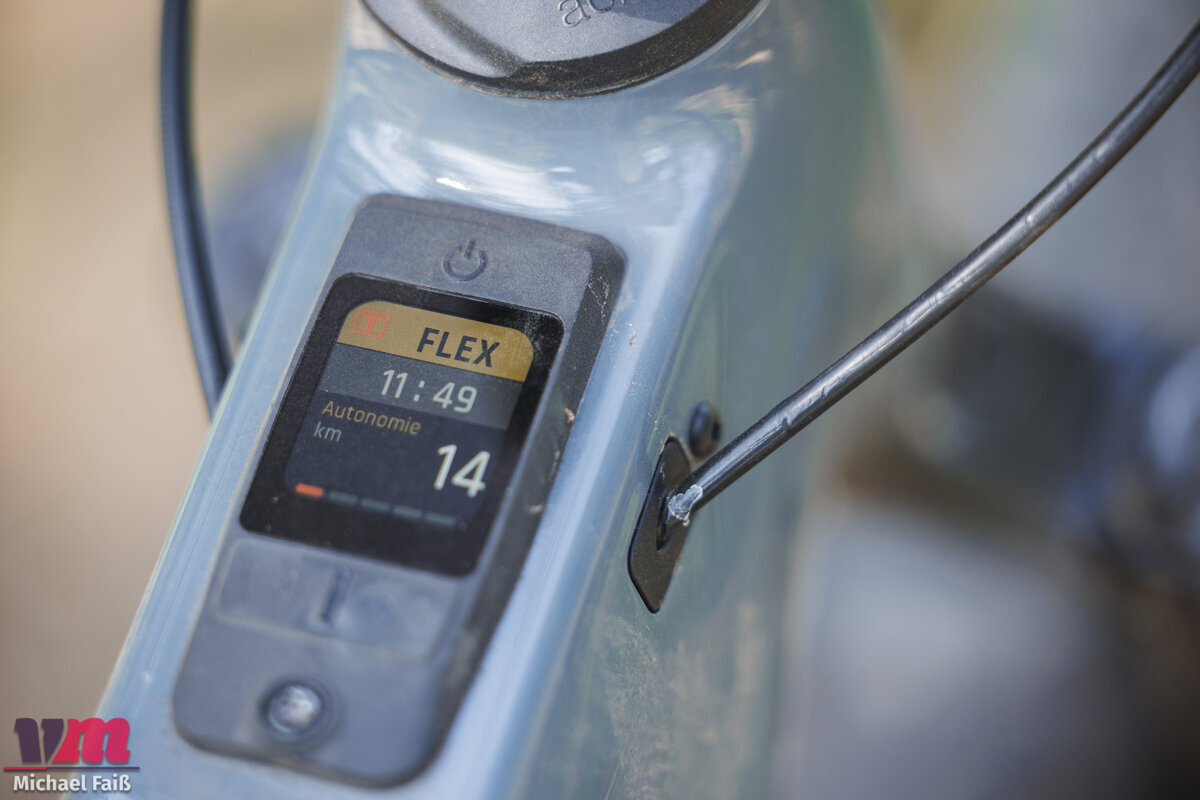
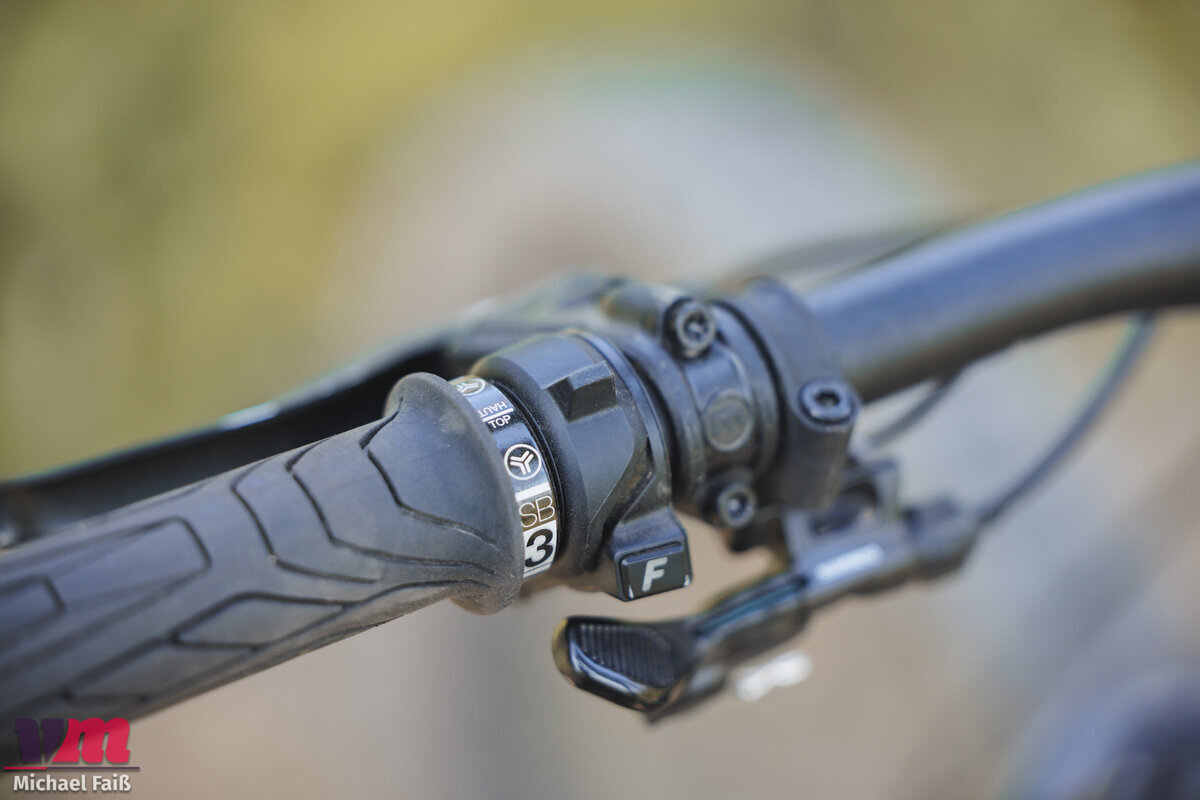
The brain of the drivetrain is the new Master Node Display – a display integrated into the top tube that shows key information such as battery charge level, speed, selected gear, and automatic mode. The primary control unit is a small, ring-shaped remote on the handlebars, which offers a good feel, even if it is a bit more cumbersome to use in practice than simple two-button solutions. Gears are changed on the other side of the handlebars using an electronic shift lever (Pinion TE-1), which is absolutely impressive in terms of ergonomics and pressure points and is on par with high-quality electronic shifters. Both controls are wired. The cables are routed into the frame at the headset, but thanks to dedicated openings and short routes to the master node, this doesn't overly complicate maintenance. The cables and wires are fully routed within the frame, which makes servicing much easier.
Equipment variants and details
The Moustache Clutch is offered in three equipment variants, with prices increasing in increments of 1000 euros.
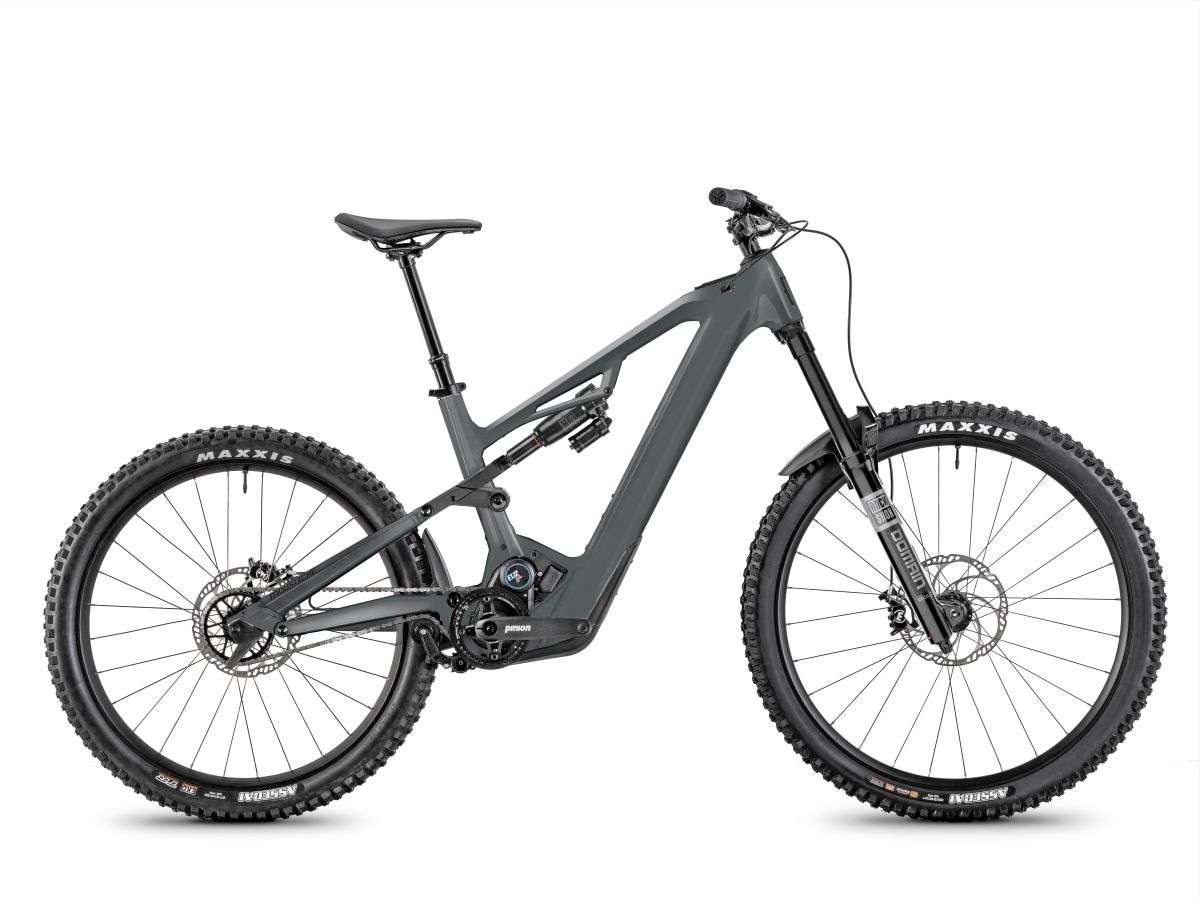
Clutch 160.7: 7.999 Euro. Equipped with a RockShox Domain fork, Super Deluxe Select shock, Magura MT5 brakes, and, as the only model standard, a chain drive (thick BMX chain for greater durability than standard derailleur chains).
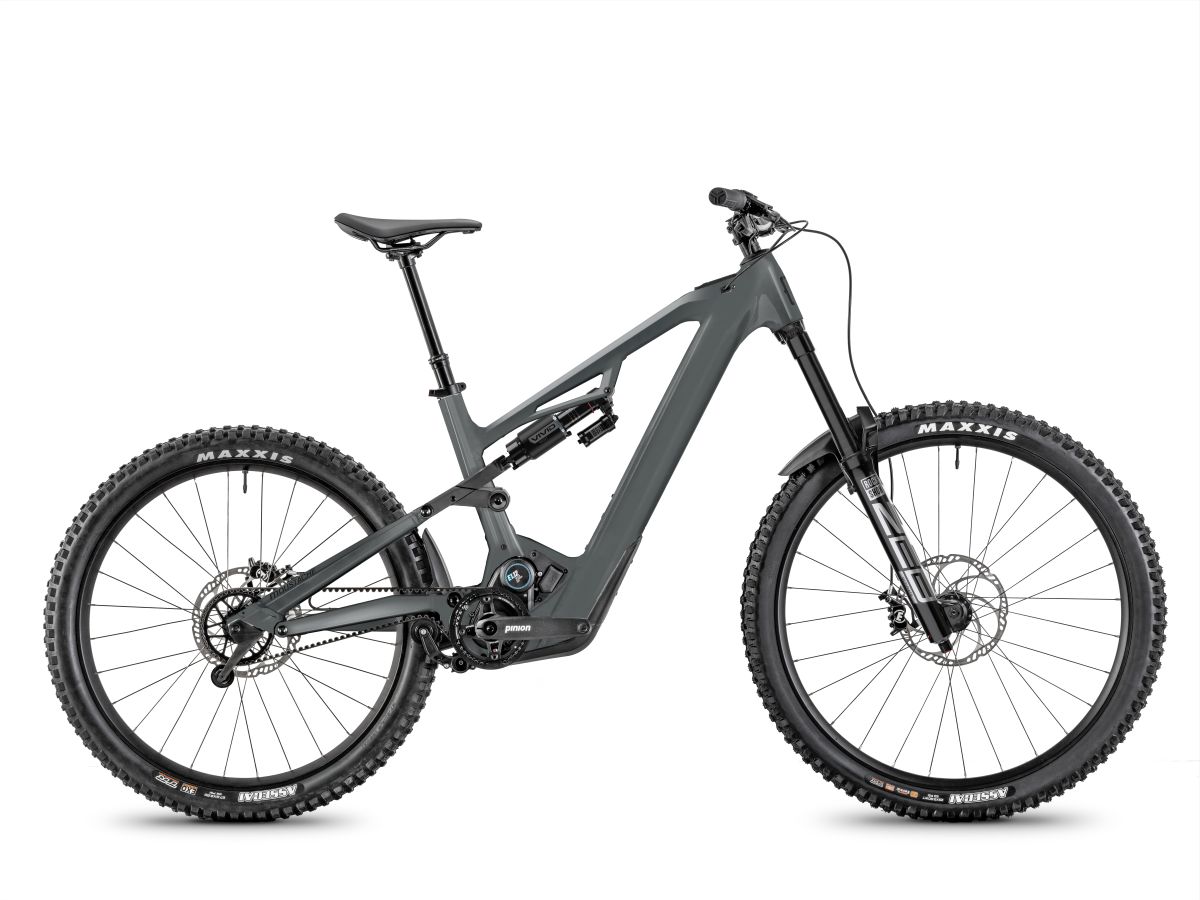
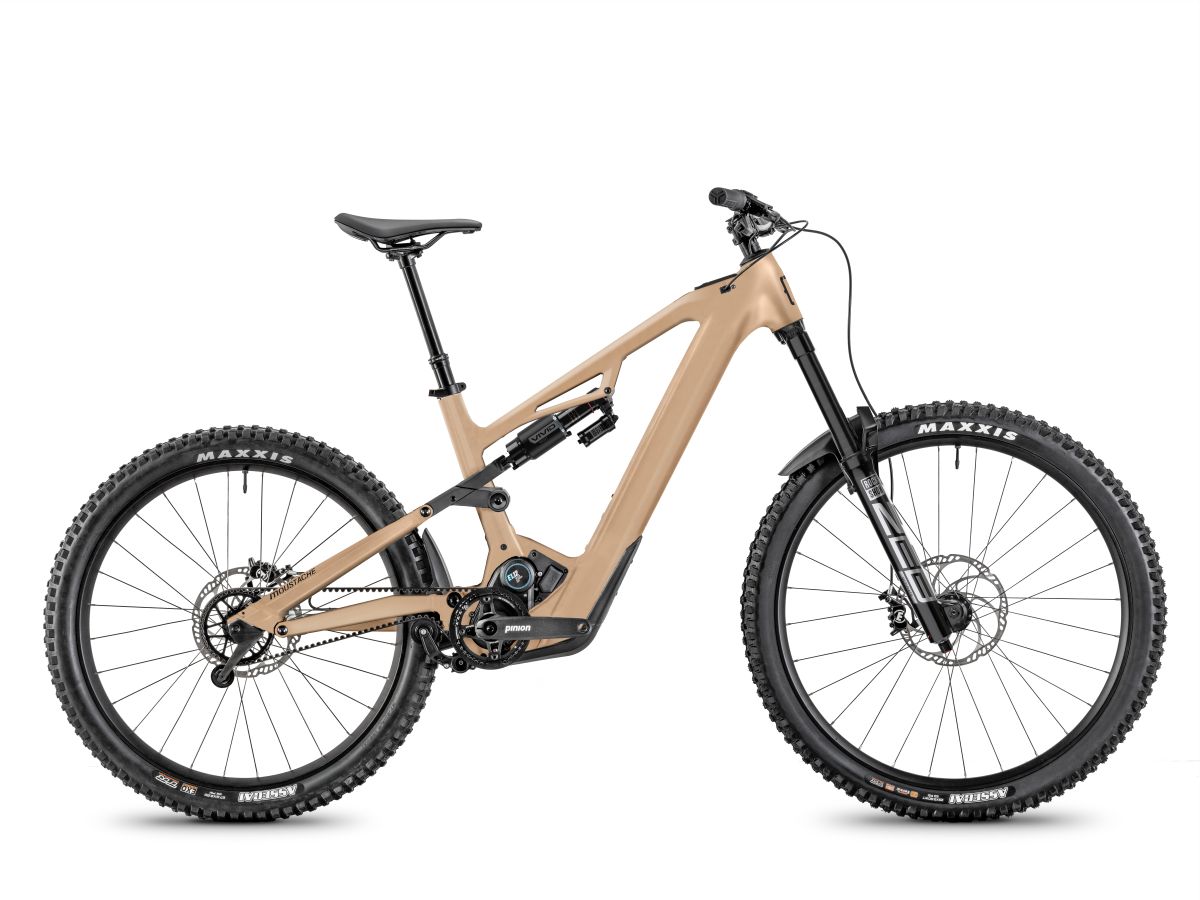
Clutch 160.8 (test bike): 8.999 Euro. It features a RockShox ZEB Select fork, a Vivid Air shock, Magura MT5 brakes, and a Gates belt drive.
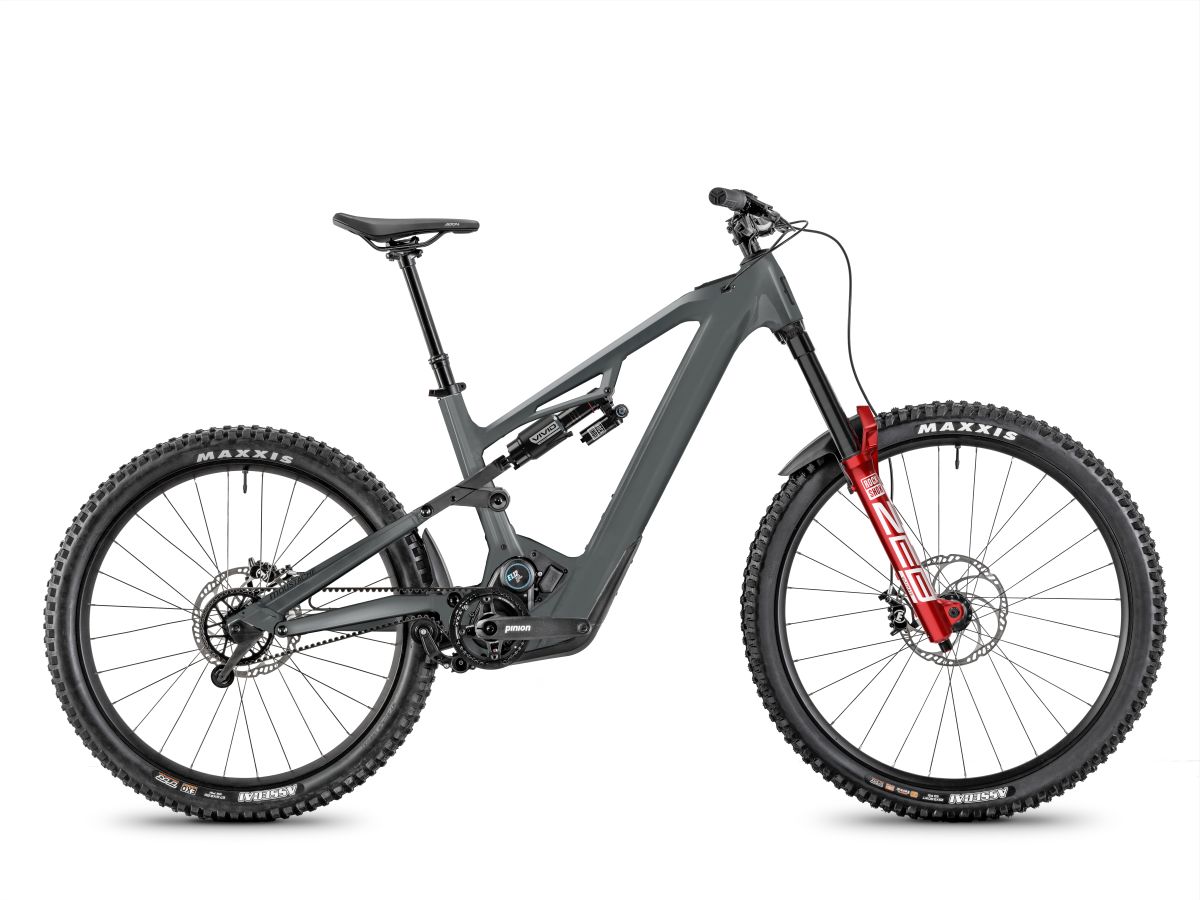
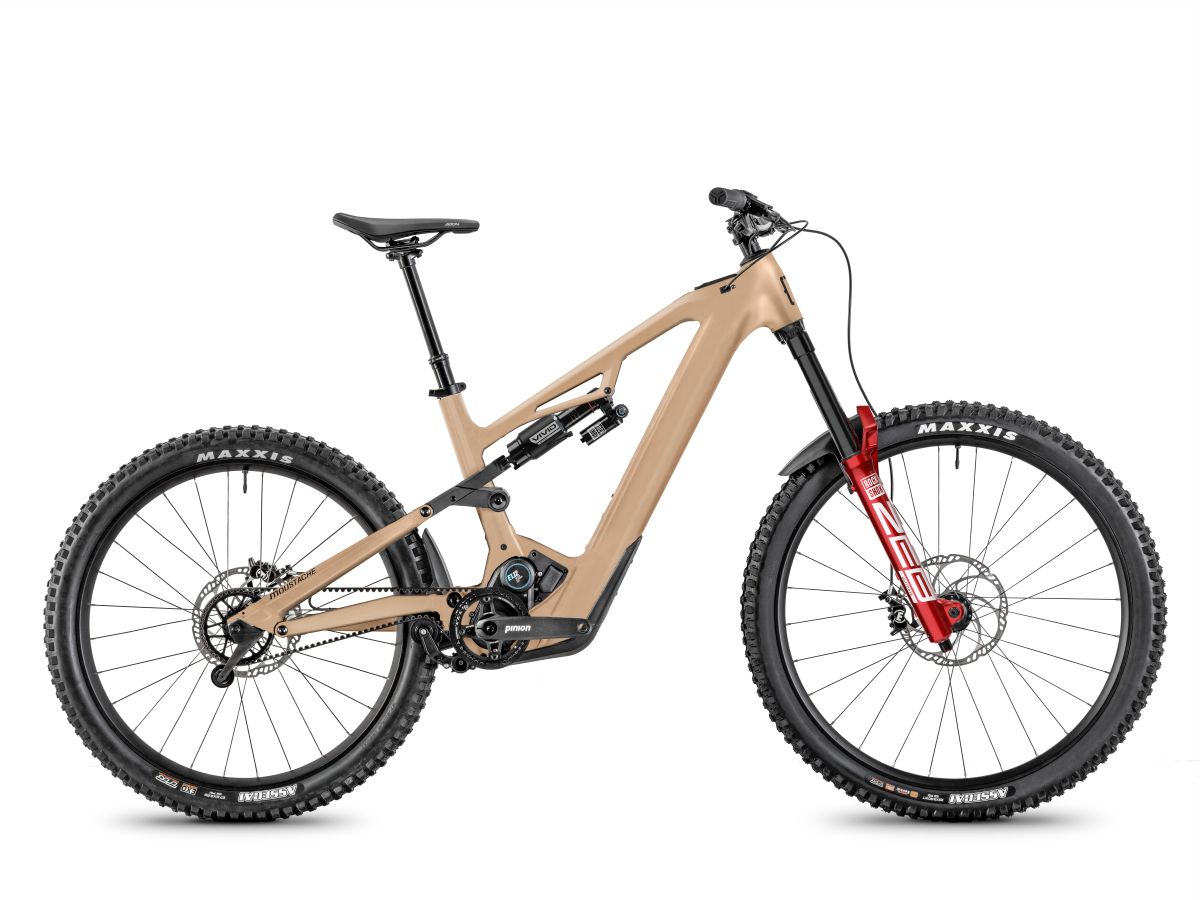
Clutch 160.9: 9.999 Euro. The top-of-the-line spec includes a RockShox ZEB Ultimate fork, a Vivid Air Ultimate shock, and Magura Gustav Pro brakes, also with belt drive.
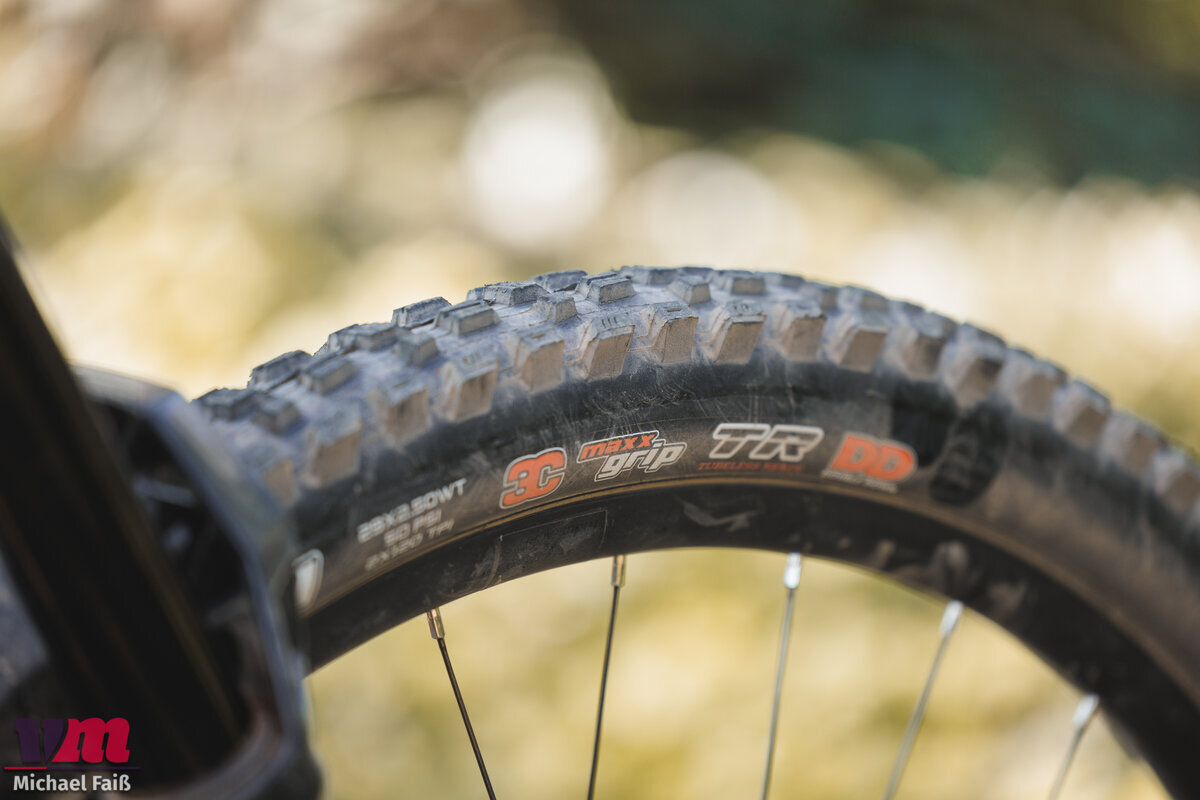
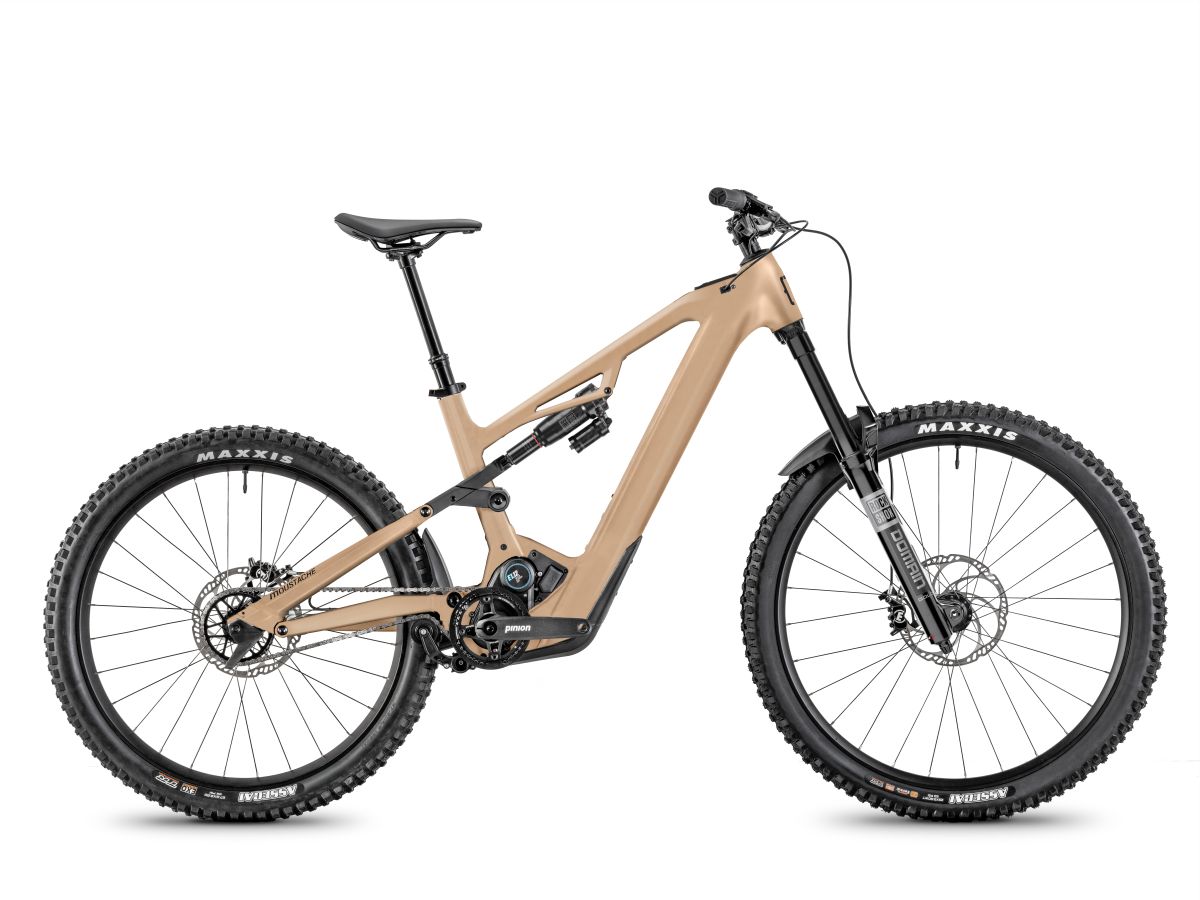
All models share robust components such as Maxxis Assegai tires in MaxxGrip compound and DoubleDown casing front and rear, as well as stable aluminum wheels (Moustache(either proprietary or Mavic on the top model). An interesting detail is the choice of drivetrain: The base model can be converted to a belt drive for an additional 500 euros. Conversely, the belt-drive models can be converted to a chain drive for 150 euros. All versions are available in two colors: Slab Grey (dark grey, test bike) and Dune (beige).
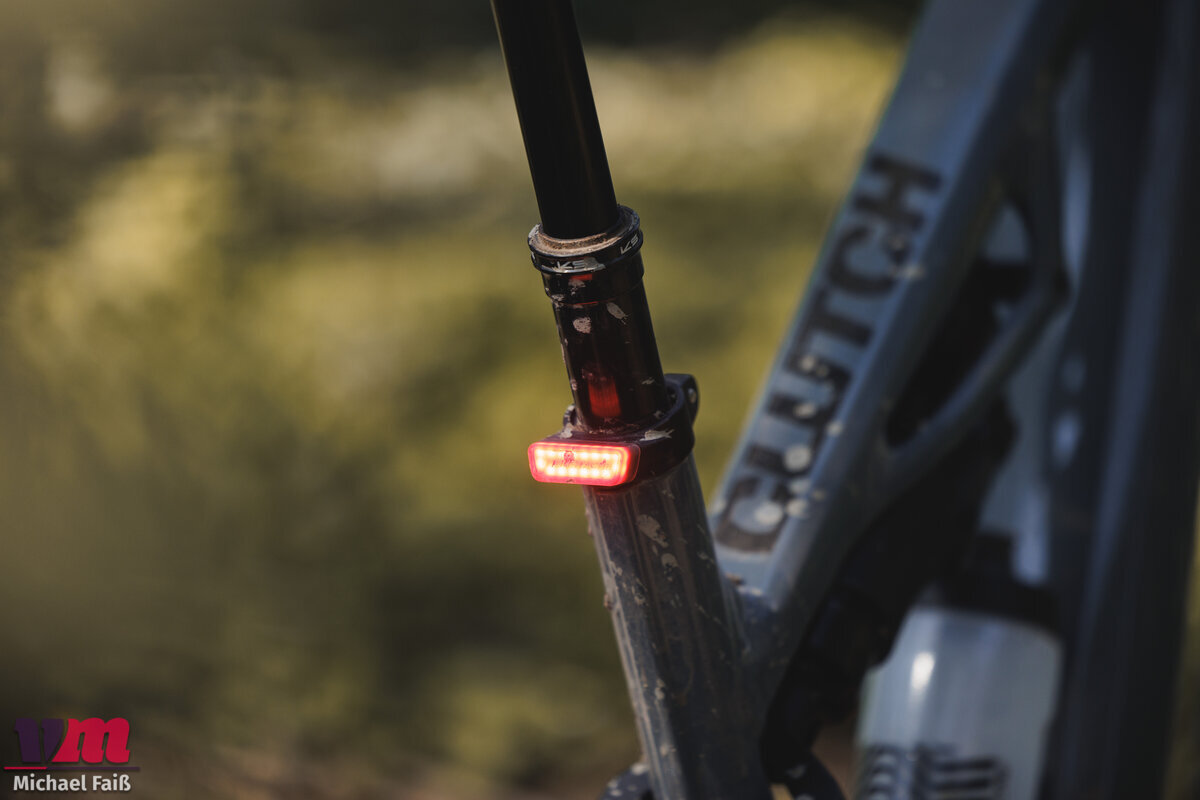
Another feature is the rear light, elegantly integrated into the seat clamp. A cable for an optional front light is already pre-routed and activated in the frame.
The Clutch SUV: The tamer alternative
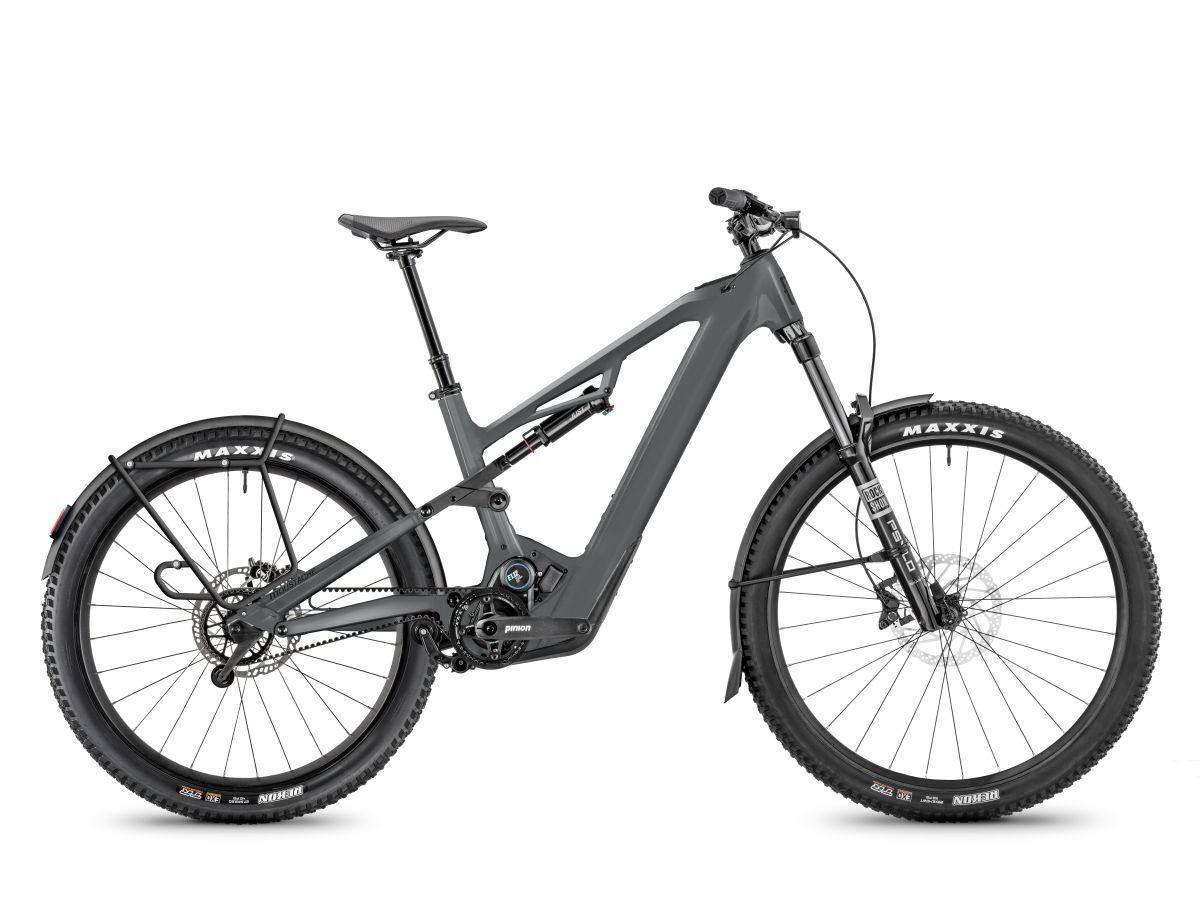
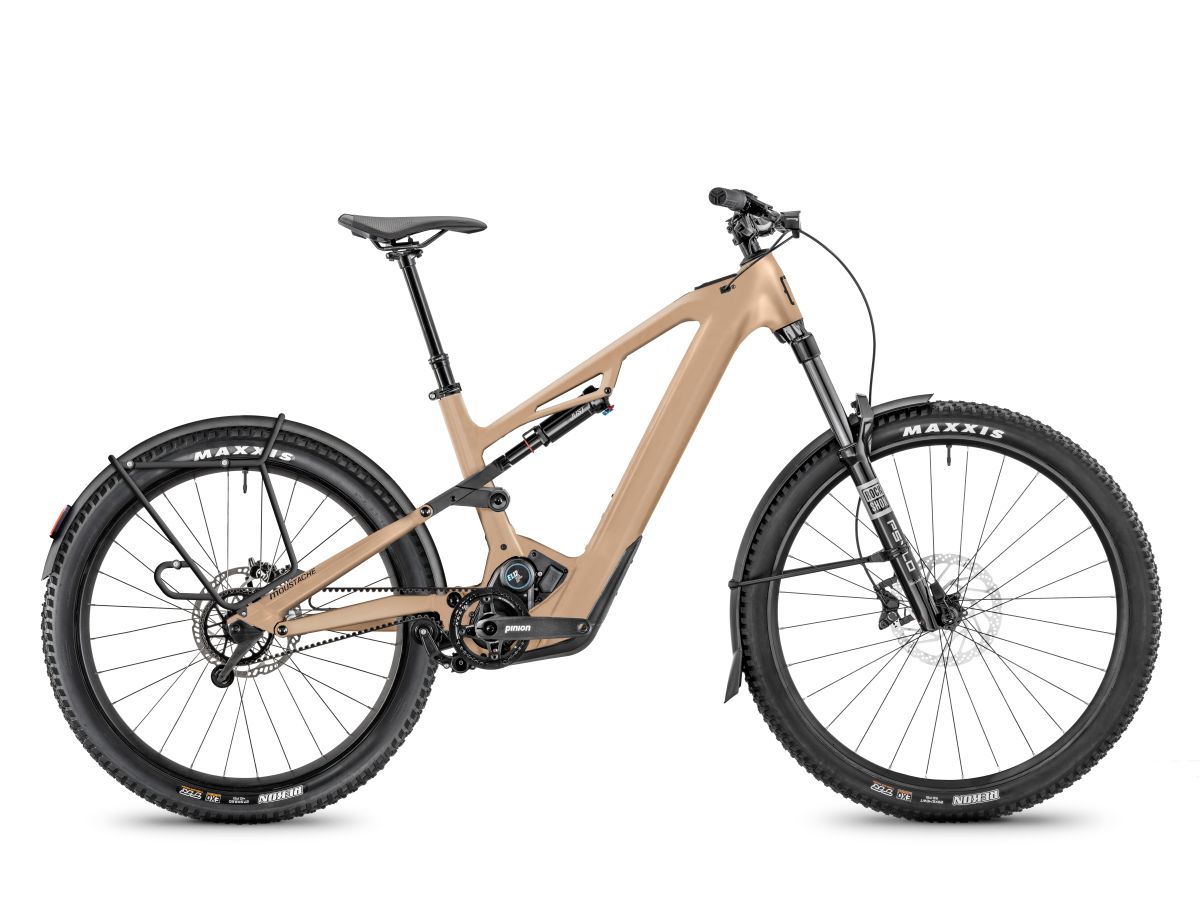
In addition to the tested enduro variants, it offers Moustache The Clutch SUV is also available. It uses the same frame but comes with reduced suspension travel (150 mm front/rear) and a full range of features including mudguards, lights, and a kickstand. It's designed for touring, everyday use, and adventures off the beaten track. The SUV model also features a belt drive. The price is... Moustache Clutch SUV at 8.299 euros
Weight and price
The Clutch weighs around 26,5 kg, depending on the spec. This is no lightweight, but it's offset by the aluminum frame, the large 780 Wh battery, and the consistently robust, durable components (38 mm stanchions on the forks, heavy-duty tires, etc.). The high price, starting at just under €8.000, is typical for e-MTBs with the Pinion MGU – anyone wanting a bike with the motor-gearbox unit will still have to dig deep into their pockets. However, it's worth bearing in mind that even the entry-level model already comes with a high-end gear system.
Driving impressions from the trail
The test was Moustache Clutch 160.8 on the trails around Freiburg. This bike feels at home where the terrain is challenging and the pace is high. It truly shines on descents.
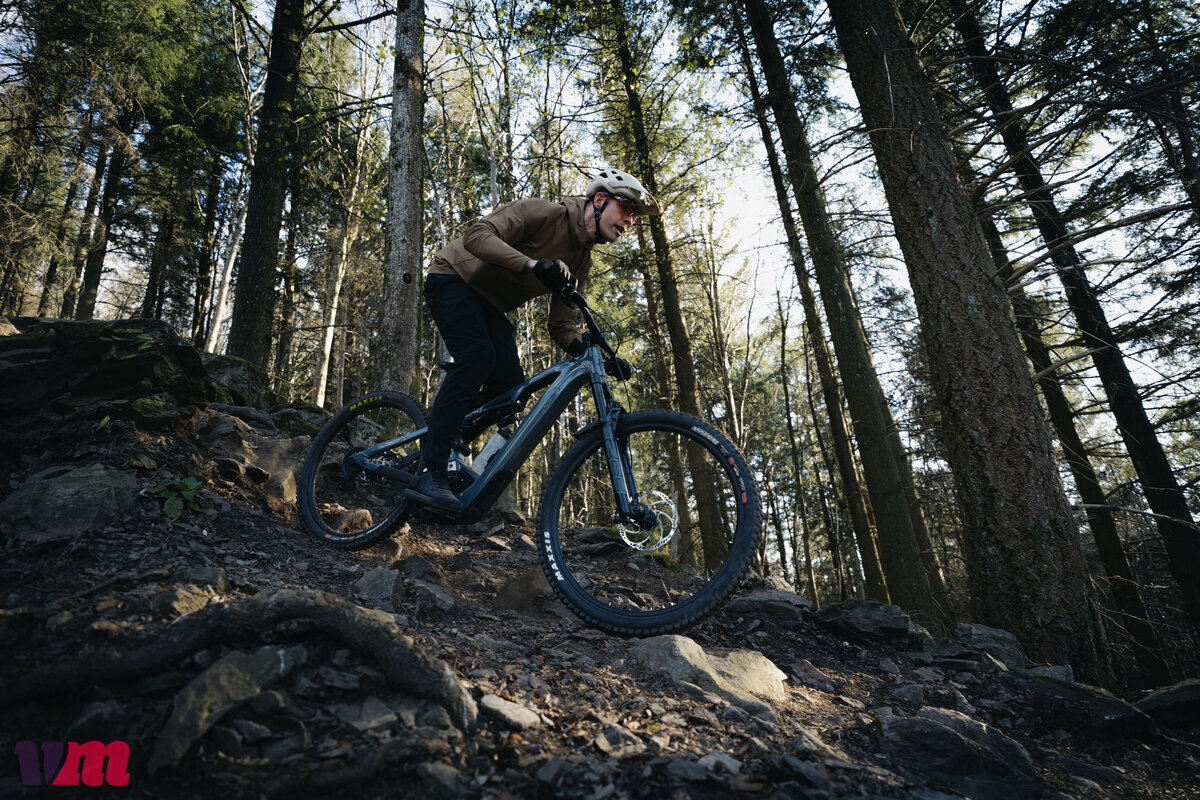
The noticeable weight is very well distributed thanks to the central position of the MGU. The bike sits extremely firmly on the trail and inspires a great deal of confidence, even when the line selection isn't perfect or jumps appear unexpectedly. It demands an active, assertive riding style and really thrives at higher speeds. It's not really designed for simply "stumbling down" trails, although it offers plenty of confidence. It's more aimed at experienced riders who like to let things run free. One highlight is its quietness. Thanks to the belt drive and the integrated MGU, there's no chain slap; the bike is remarkably quiet on the trail.
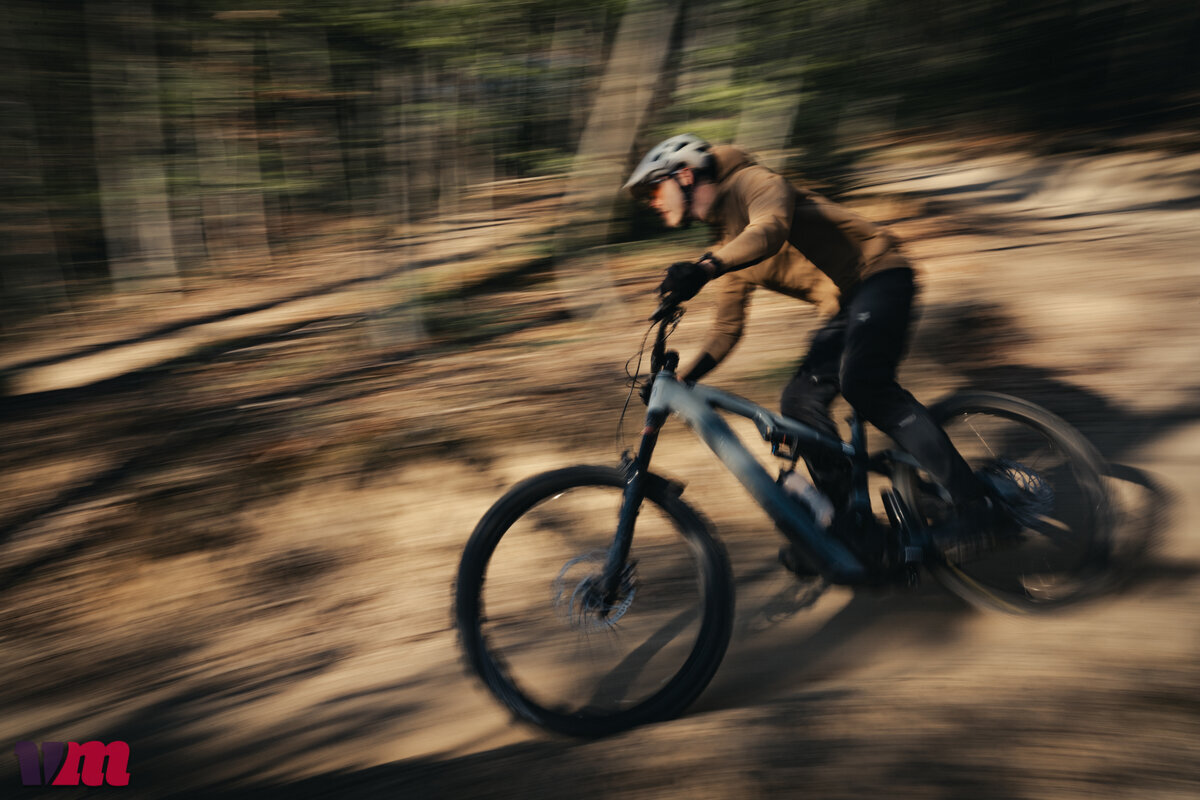
Climbing performance is more than solid. The Pinion MGU delivers ample power. Its responsiveness is good, but perhaps a bit more "rough around the edges" compared to the latest motors from Bosch, Specialized, or DJI. A known issue with the Pinion MGU is gear changes, particularly the transition between 4th and 5th gear, which can feel somewhat notchy and slow, resulting in a brief sensation of "pedaling into nothing." Moustache The Clutch has implemented a clever solution here: As the only known bike with a Pinion MGU gearbox, it uses a 1:1 ratio for the front and rear pulleys. This shifts the problematic gear changes to an easier range that is less relevant on the trail. As a result, riding in the typical trail uphill range (often in gear 5 or 6 instead of 4 and 5) becomes smoother and quieter. The downside of this solution is that gears 1 and 2 are extremely easy to engage and hardly ever needed – a compromise that seems acceptable given the 600% gear range.